
Loading, please wait...


LOT 1458
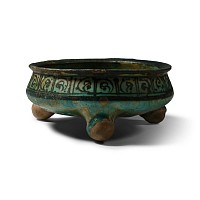
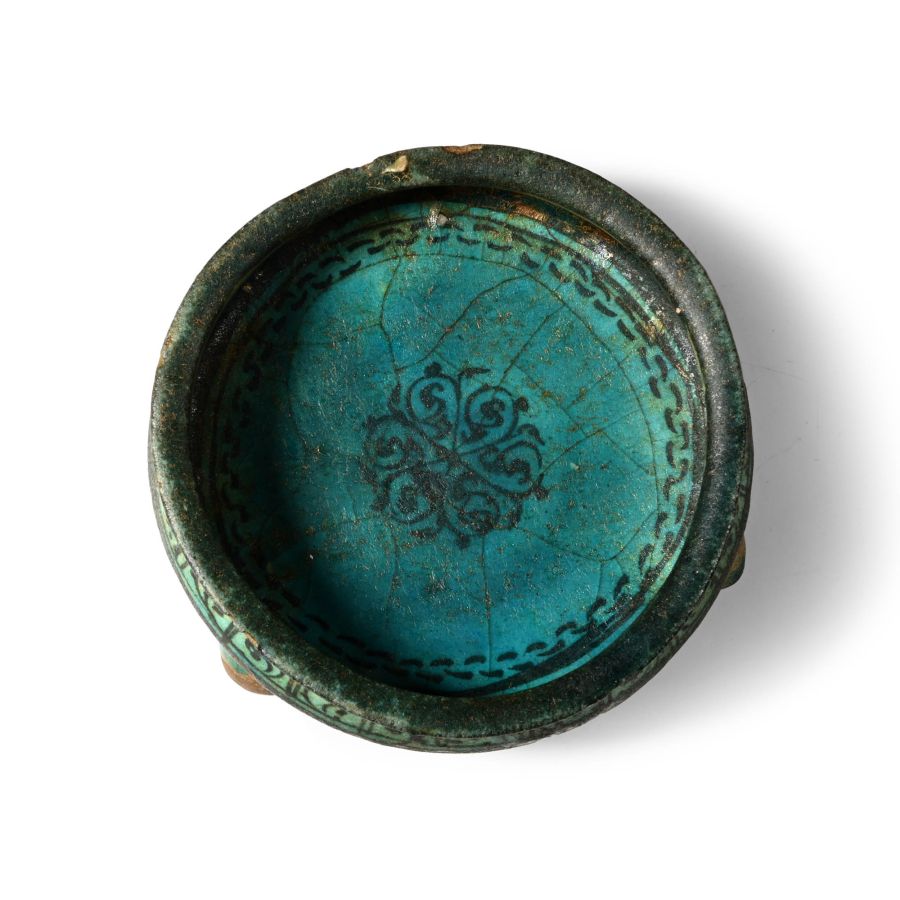
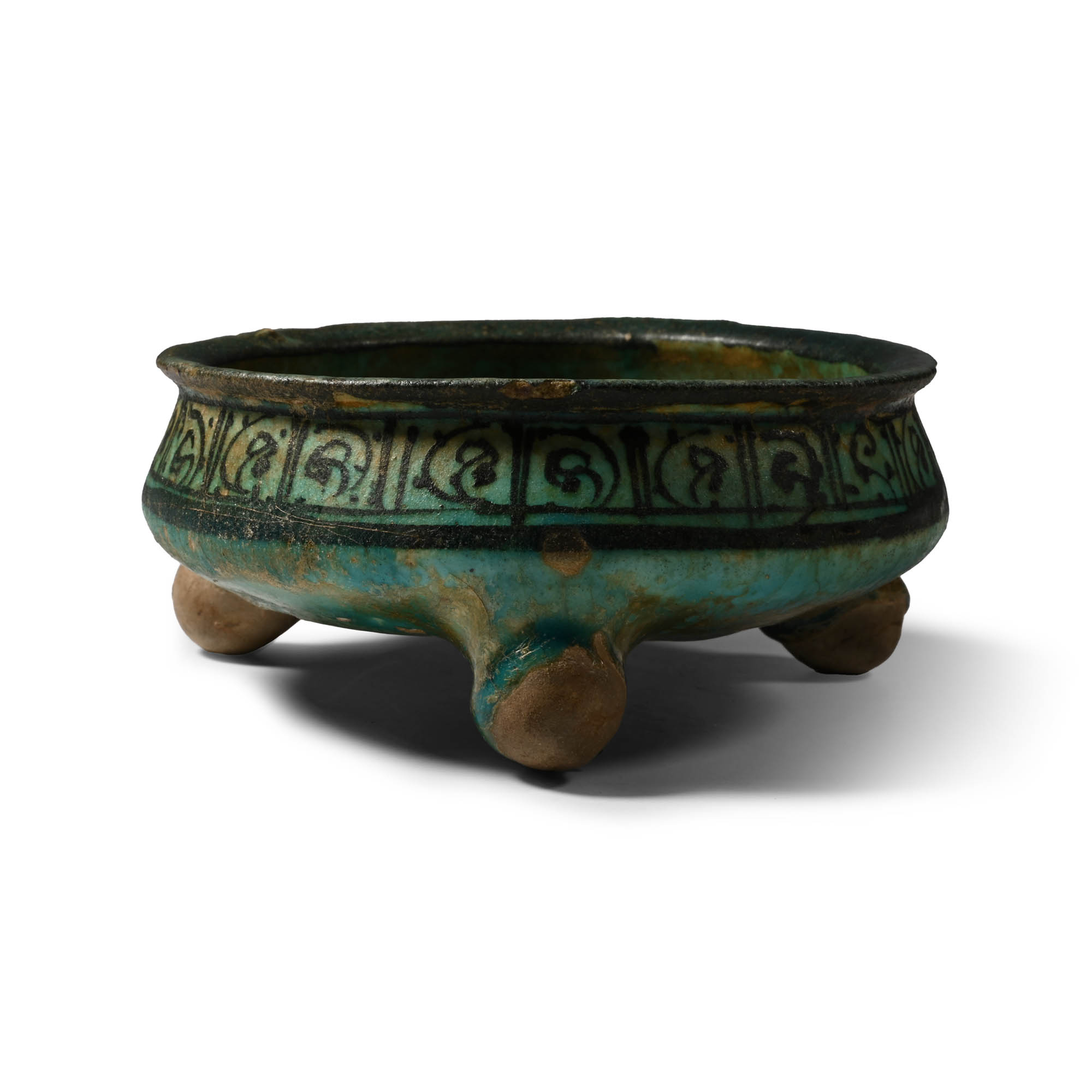
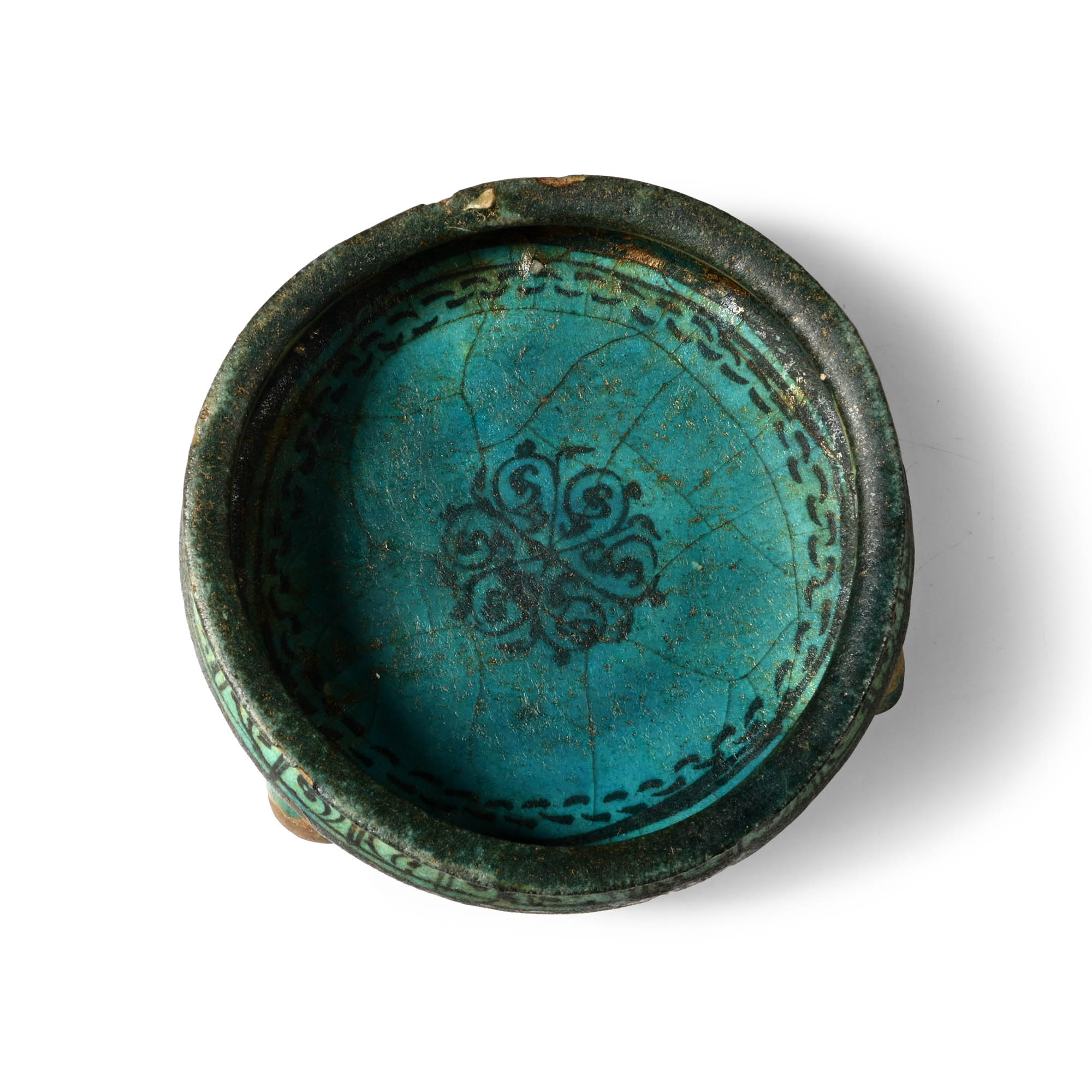
Kushan Blue-Glazed Decorated Bowl
LATE 12TH–EARLY 13TH CENTURY A.D.
4 7/8 in. (250 grams, 12.5 cm).
Squat turquoise-glazed dish with three bun feet, carinated profile, flared rim, painted band of arabesque panels to the shoulder and scrolled tendril motif to the centre.
ProvenanceEx London, UK, gallery, 1971-early 2000s.
London, UK, collection.
This lot has been cleared against the Art Loss Register database, and is accompanied by an illustrated lot declaration signed by the Head of the Antiquities Department, Dr Raffaele D'Amato.
TimeLine Auctions follows a vetting process to ensure the authenticity and legality of all items, reinforcing our commitment to integrity and responsible trading. Each antiquity, antique, and coin lot undergoes thorough examination by a vetting committee of at least ten external specialists, professional trade association members, scientists, and archaeologists: Our Vetting Process
AUCTIONS:
TimeLine is a leading auction house specialising in antiquities, ancient art, collectables, natural history, coins, medals, and books. Our auctions offer museums, collectors, historians, and enthusiasts the opportunity to acquire unique and historically significant pieces.
-
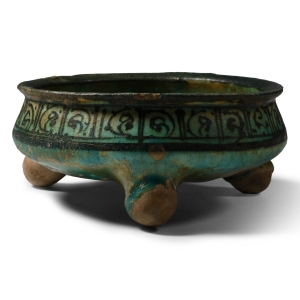
Kushan Blue-Glazed Decorated Bowl
Late 12th–early 13th century A.D.Sold for (Inc. bp): £468
Squat turquoise-glazed dish with three bun feet, carinated profile, flared rim, painted band of arabesque panels to the shoulder and scrolled tendril motif to the centre. 250 grams, 12.5 cm
Ex London, UK, gallery, 1971-early 2000s. London, UK, collection. This lot has been cleared against the Art Loss Register database, and is accompanied by an illustrated lot declaration signed by the Head of the Antiquities Department, Dr Raffaele D'Amato. -
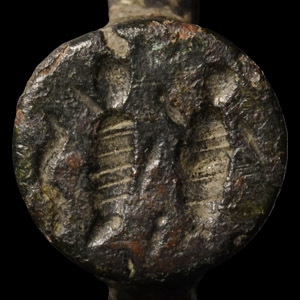
Western Asiatic Bronze Ring with Processional Figures
1st millennium B.C.Estimate: £100 - 140 (+bp*)
Opening Bid: £50
Longitudinally ribbed hoop with slightly flared bezel, two engraved figures with objects in the field. 7.10 grams, 24.85 mm overall, 18.45 mm internal diameter (approximate size British P, USA 7 1/2, Europe 16.23, Japan 15)
Acquired 1979-1999. London collection of the late Mr S.M., thence by descent. This lot has been cleared against the Art Loss Register database, and is accompanied by an illustrated lot declaration signed by the Head of the Antiquities Department, Dr Raffaele D'Amato. -
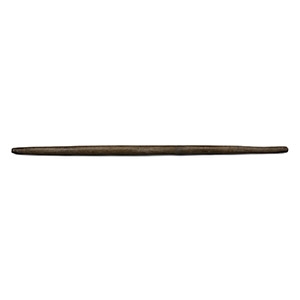
Bactrian Black Stone Ritual Object
Circa 3rd-early 2nd millennium B.C.Estimate: £1,500 - 2,000 (+bp*)
Opening Bid: £750
A slender carved rod or bar, round in section and tapering to each end; repaired. 3.4 kg, 1.22 m
with Gallery Rosen Ancient Art, Tel Aviv, 1969. Ex London, UK, gallery, 1971-early 2000s. London, UK, collection. This lot has been cleared against the Art Loss Register database, and is accompanied by an illustrated lot declaration signed by the Head of the Antiquities Department, Dr Raffaele D'Amato.
