
LOT 2700
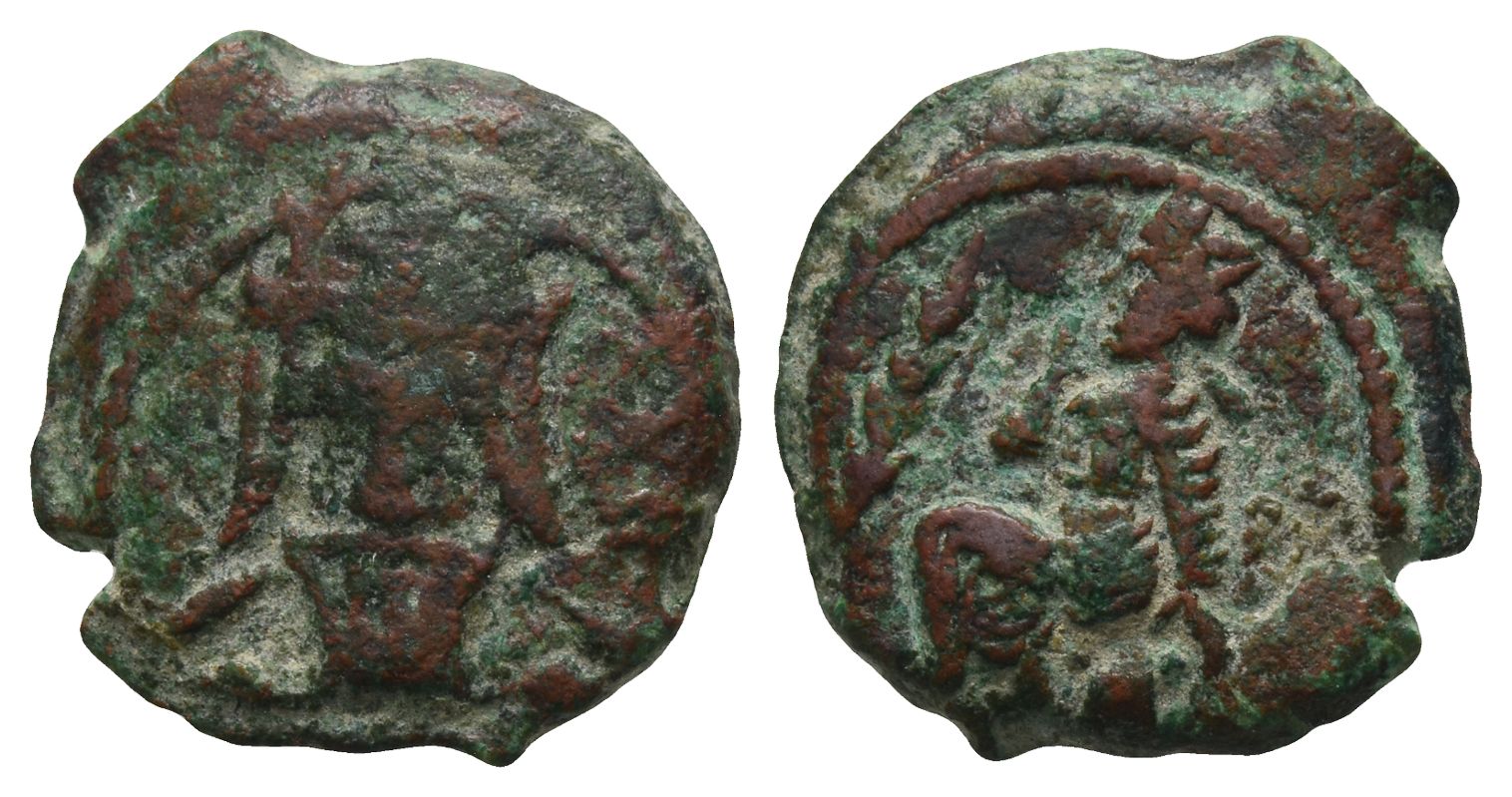
Kings of Parthia. Vologases III AE Dichalkon. Circa AD 105-147.
Seleukeia mint. Dated Seleucid Era 451 (AD 139/140). Crowned facing bust wearing tiara; ANY (date) upwards to right / Tyche seated to left on column; palm to left. Sellwood 79.50; Shore -. Near Very Fine. Very rare.(3.70gr, 18mm, 12h.).
ProvenanceProperty of a North London, UK, gentleman.
TimeLine Auctions follows a vetting process to ensure the authenticity and legality of all items, reinforcing our commitment to integrity and responsible trading. Each antiquity, antique, and coin lot undergoes thorough examination by a vetting committee of at least ten external specialists, professional trade association members, scientists, and archaeologists: Our Vetting Process
AUCTIONS:
TimeLine is a leading auction house specialising in antiquities, ancient art, collectables, natural history, coins, medals, and books. Our auctions offer museums, collectors, historians, and enthusiasts the opportunity to acquire unique and historically significant pieces.
-
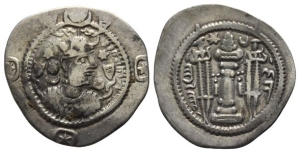
Sasanian Kingdom, Kavad I AR Drachm. Second reign, AD 499-531.
Sold for (Inc. bp): £26
DA (Dārābgird) mint. Dated RY 21 (AD 520). Draped bust to right, wearing mural crown with two wings, frontal crescent and korymbos set on crescent, stars flanking; ribbons on shoulders; all within single border with star-in-crescents in margin / Fire altar with ribbons flanked by attendants; star and crescent flanking flames; date to left, mint to right; all within single border. Göbl type III/1; SNS III/2, type Ic/1a. 3.89gr, 27mm, 3h.
Near Very Fine.
Property of a Cambridgeshire, UK, gentleman. -
![Group of Ten [10] AE Greek Coins.](https://timelineauctions.com/upload/images/items/small/225130-s.jpg)
Group of Ten [10] AE Greek Coins. 3rd-2nd century BC.
Sold for (Inc. bp): £52
Various rulers and cities. 47.80gr total.
Fine to Good Very Fine.
From the collection of a London antiquarian, formed since the 1980s. -
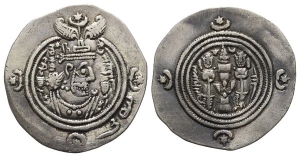
Sasanian Kingdom, Husrav (Khosrau) II AR Drachm. AD 591-628.
Sold for (Inc. bp): £26
ShI (Shiz) mint. Dated RY 36 (AD 627). Cuirassed bust to right, wearing mural crown with two wings, frontal crescent and star-in-crescent; stars flanking, ribbons on shoulders; all within double border with crescents in margin; ’pd in Pahlavi in outer margin / Fire altar with ribbons flanked by attendants; star and crescent flanking flames; date to left, mint to right; all within triple border. Göbl type II/3. 3.80gr, 30mm, 4h.
Very Fine. Toned.
Property of a Cambridgeshire, UK, gentleman.
