
LOT 2607
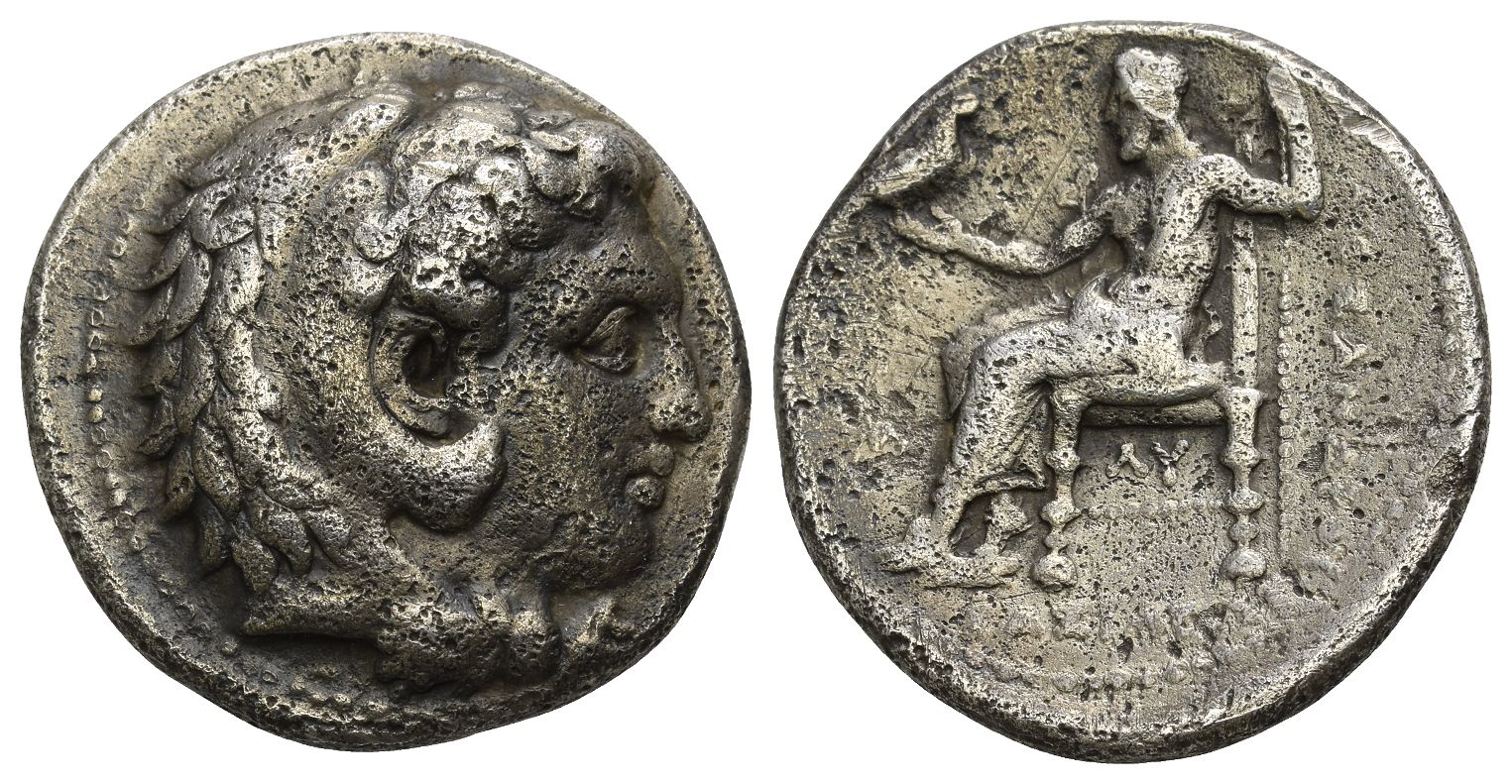
Kingdom of Macedon, Philip III Arrhidaios AR Tetradrachm. 323-317 BC.
Babylon mint. Struck under Archon, Dokimos, or Seleukos I, circa 323-318/7 BC. In the name and types of Alexander III. Head of Herakles to right, wearing lion skin headdress, paws tied beneath chin / ΒΑΣIΛΕΩΣ ΑΛΕΞΑΝΔΡΟΥ, Zeus seated to left on high-backed throne, right leg drawn back, his feet resting on a low foot rest, holding long sceptre in his left hand and, in his right, eagle standing to right with closed wings; M in left field, ΛY beneath throne. Price 3692. Near Very Fine.(16.38gr, 26mm, 9h.).
ProvenanceEx German art market, 2000s.
Acquired from an EU collector living in London.
From the collection of a Surrey, UK, gentleman.
TimeLine Auctions follows a vetting process to ensure the authenticity and legality of all items, reinforcing our commitment to integrity and responsible trading. Each antiquity, antique, and coin lot undergoes thorough examination by a vetting committee of at least ten external specialists, professional trade association members, scientists, and archaeologists: Our Vetting Process
AUCTIONS:
TimeLine is a leading auction house specialising in antiquities, ancient art, collectables, natural history, coins, medals, and books. Our auctions offer museums, collectors, historians, and enthusiasts the opportunity to acquire unique and historically significant pieces.
LOT 2607
Kingdom of Macedon, Philip III Arrhidaios AR Tetradrachm.
Estimate £200 - 300€230 - 350 (for guidance only)$270 - 410 (for guidance only)
-
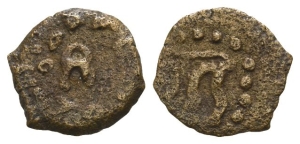
Judaea, Herod I AE Prutah. 40-4 BCE.
Sold for (Inc. bp): £39
Small diadem / Tripod table within dotted circle. Hendin 6214; TJC 54; Sofaer 24. 1.22gr, 14mm, 12h.
Very Fine.
Property of a North London, UK, gentleman. -
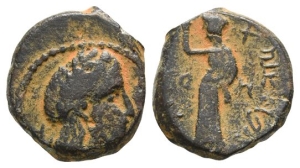
Nabataea, Aretas IV AE 18mm. Circa 9/8 BC-AD 40.
Sold for (Inc. bp): £26
Petra mint; dated RY 4 (6/5 BC). Laureate head to right; Aramaic ḥēth and [semkath] flanking neck / Huldu standing to left, raising her right hand; date to right, Aramaic ḥēth and semkath across fields. CN 108; Meshorer, Nabataea 56. 5.78gr, 18mm, 12h.
Near Very Fine.
Ex Classical Numismatic Group, Electronic Auction 529, 14 December 2022, lot 343; Property of a North London, UK, gentleman. -
![Group of Seven [7] Greek AE Coins.](https://timelineauctions.com/upload/images/items/small/224338-s.jpg)
Group of Seven [7] Greek AE Coins. 3rd-1st century BC.
Sold for (Inc. bp): £117
A copy of a Judaean coin included. 59gr total.
Near Fine to Very Fine.
From a private, UK, collection in the 1980s. Property of a London, UK, antiquarian.
