
Loading, please wait...
LOT 0178
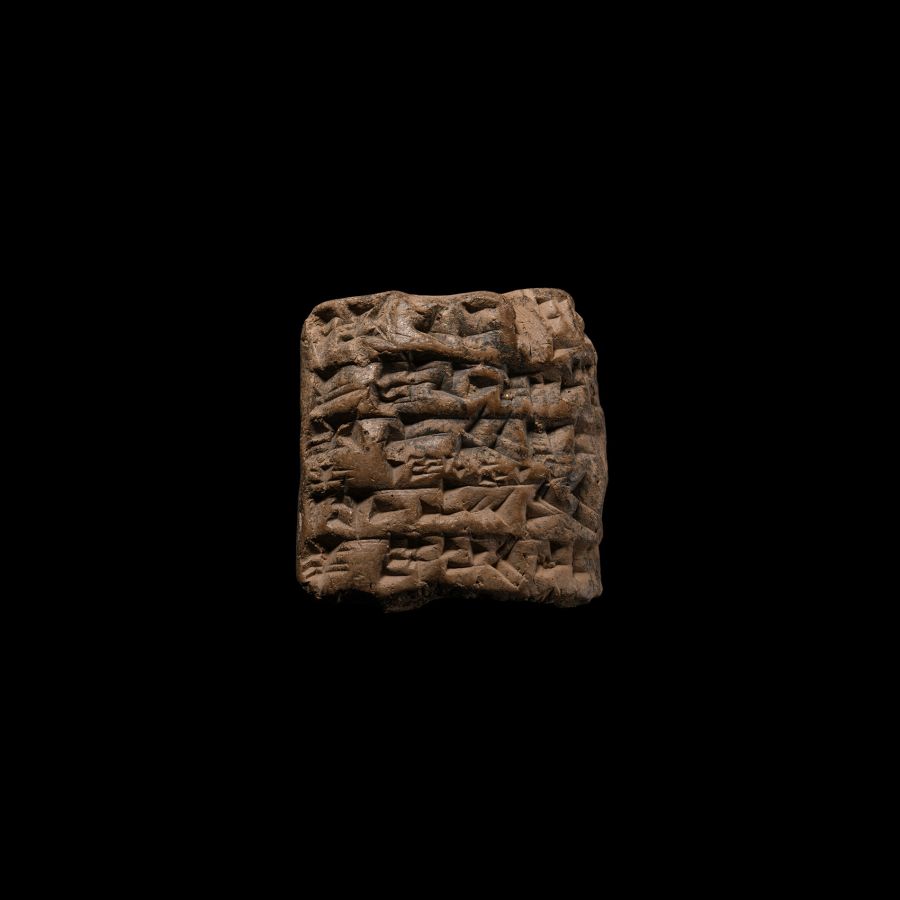
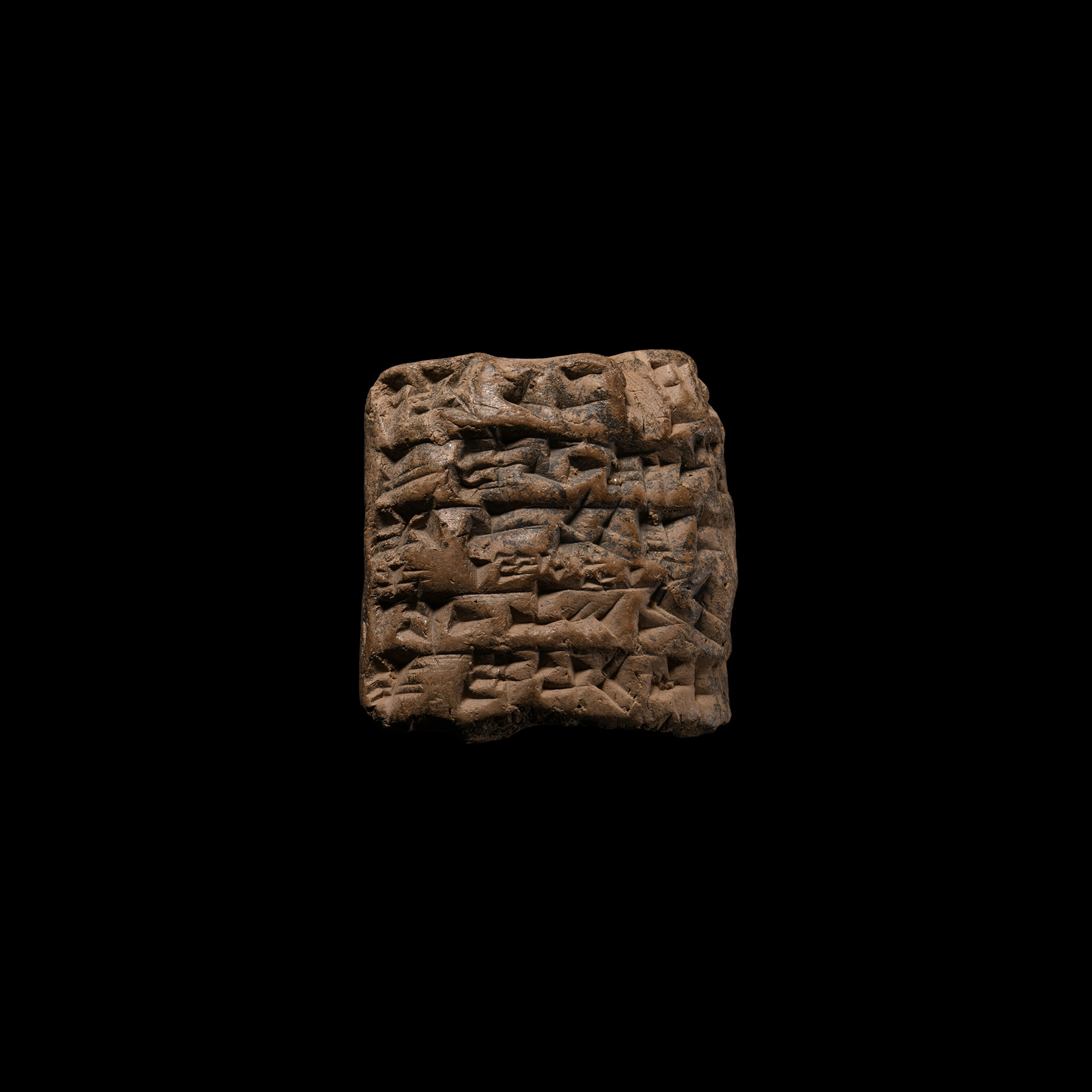
Kingdom of Larsa Cuneiform Tablet for Food Distribution in Ubar-iltum
18TH CENTURY B.C.
1 3/4 in. (55 grams, 45 mm).
A large portion of a pillow-shaped clay tablet, bearing cuneiform text to one face and side edge, relating to food distribution in Ubar-iltum, Maši depending on the service of Adalšenni etc. Kingdom of Larsa (?). [No Reserve]
ProvenanceSpecialised collection of cuneiform texts, the property of a London gentleman and housed in London before 1992.
Thence by descent to family members.
Examined by Professor Wilfrid George Lambert FBA (1926-2011), historian, archaeologist, and specialist in Assyriology and Near Eastern archaeology, in the late 1980s and early 1990s.
This small collection is exceptional for the variety of types, including some very rare and well preserved examples.
TimeLine Auctions follows a vetting process to ensure the authenticity and legality of all items, reinforcing our commitment to integrity and responsible trading. Each antiquity, antique, and coin lot undergoes thorough examination by a vetting committee of at least ten external specialists, professional trade association members, scientists, and archaeologists: Our Vetting Process
AUCTIONS:
TimeLine is a leading auction house specialising in antiquities, ancient art, collectables, natural history, coins, medals, and books. Our auctions offer museums, collectors, historians, and enthusiasts the opportunity to acquire unique and historically significant pieces.
LOT 0178
Kingdom of Larsa Cuneiform Tablet for Food Distribution in Ubar-iltum
Sold for (Inc. bp): £910
-
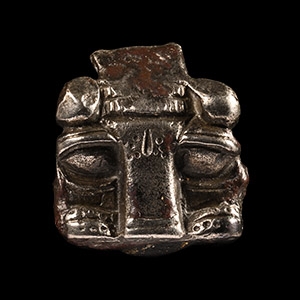
Western Asiatic Silver Lion Terminal Head
1st millennium B.C.Estimate: £200 - 300 (+bp*)
Opening Bid: £80
A silver terminal formed as the upper part of a lion's head with stylised facial detailing, rectangular lug above, simple decorative detailing to the reverse. 18.6 grams, 24 mm
Acquired before the early 1970s. Ex London, UK, gallery. Property of a London gentleman. -
.jpg)
Western Asiatic Carnelian and Agate Bead String
1st millennium B.C. and laterEstimate: £600 - 800 (+bp*)
Opening Bid: £300
A restrung necklace composed of double drilled oval agate beads from the Near East or India with later polished round carnelian beads. 95 grams, 66 cm long
Fine condition.
Acquired 1980-2015. Ex Abelita family collection. -
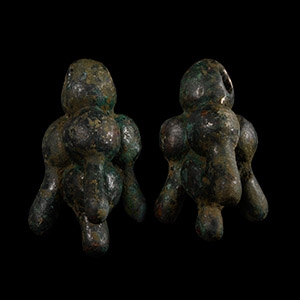
Western Asiatic Pendant Pair
Mid 1st millennium B.C.Sold for (Inc. bp): £20
A pair of heavy copper-alloy pendants formed as large pyramid clusters with protrusions to the bulbs, bulbous suspension loop above. 180 grams total, 49-53 mm
Early 1990s London collection. Acquired on the UK art market. From a private collection, Lancashire, UK.
