
Loading, please wait...
LOT 1329
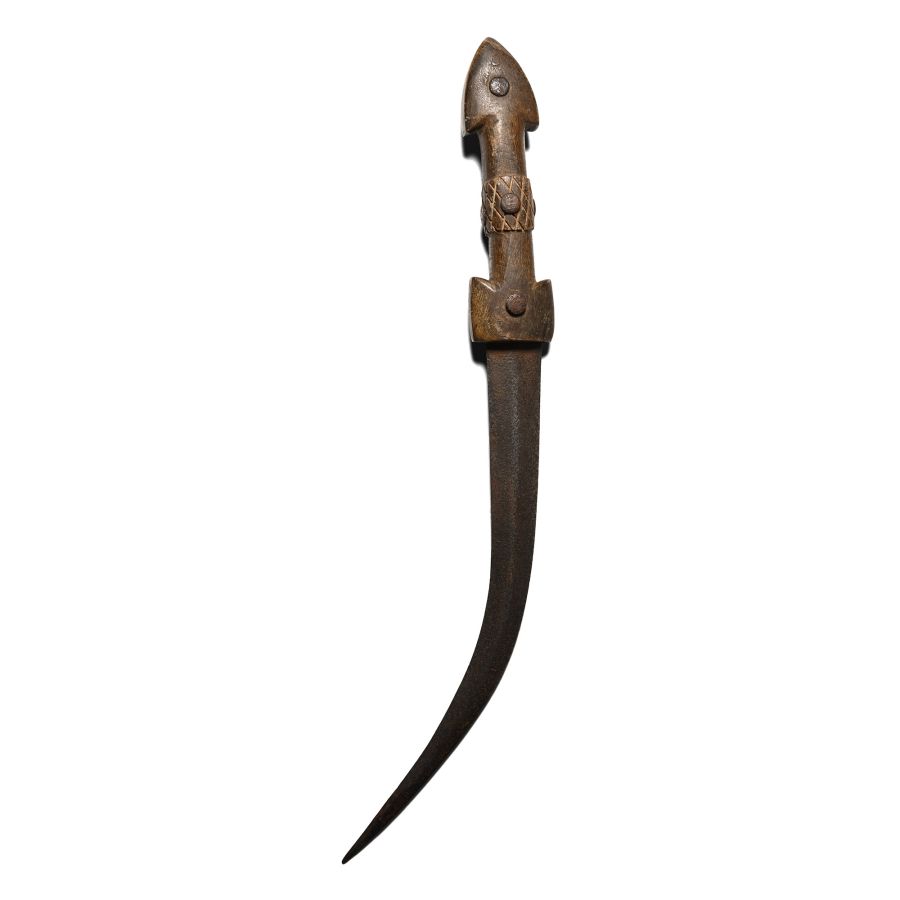
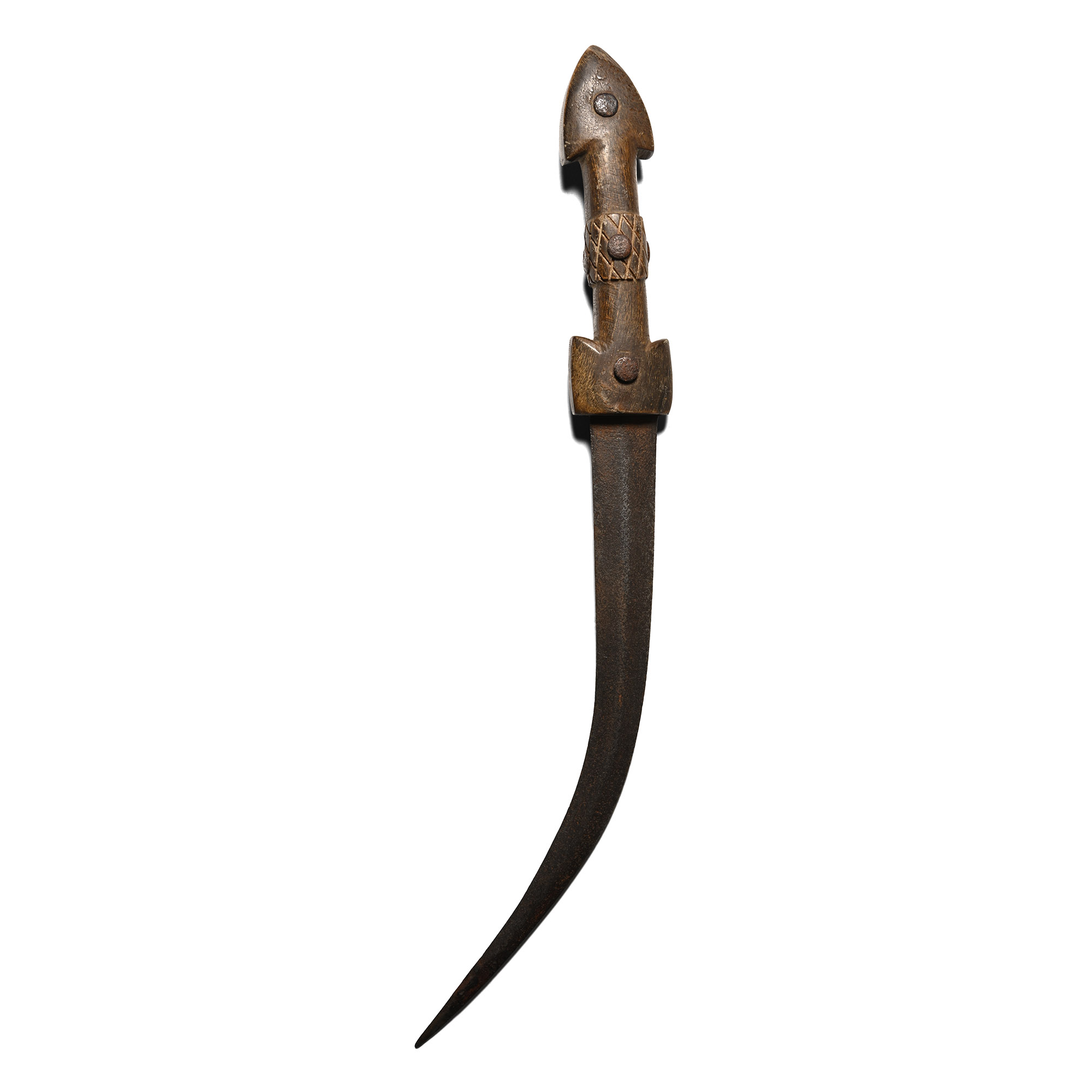
Khandjar Type Iron Dagger
19TH CENTURY A.D.
12 3/4 in. (119 grams, 32.5 cm).
The lentoid-section blade curved with a narrow point, the hilt comprising a wooden grip with reserved and hatched median collar; heart-shaped pommel; decorative iron studs.
ProvenanceAcquired in the mid-1980s to early 1990s.
Private collection, London, UK.
Cf. Lebedynsky, J., Les Armes Orientales, Langres, 1992, pp.107ff.
CONDITIONTimeLine Auctions follows a vetting process to ensure the authenticity and legality of all items, reinforcing our commitment to integrity and responsible trading. Each antiquity, antique, and coin lot undergoes thorough examination by a vetting committee of at least ten external specialists, professional trade association members, scientists, and archaeologists: Our Vetting Process
AUCTIONS:
TimeLine is a leading auction house specialising in antiquities, ancient art, collectables, natural history, coins, medals, and books. Our auctions offer museums, collectors, historians, and enthusiasts the opportunity to acquire unique and historically significant pieces.
LOT 1329
Khandjar Type Iron Dagger
Estimate £300 - 400€350 - 460 (for guidance only)$410 - 540 (for guidance only)
-
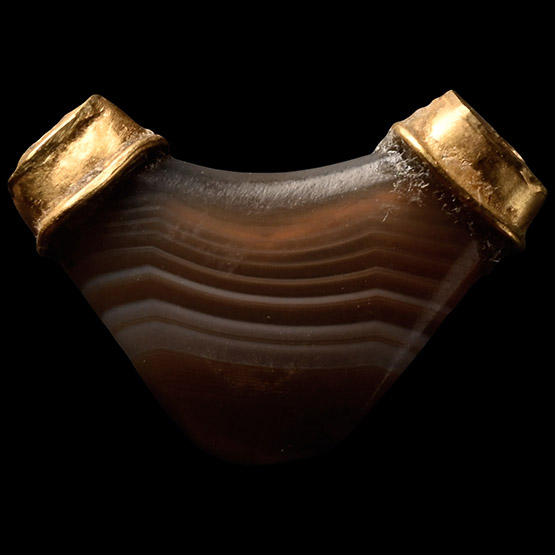
Achaemenid Banded Agate Elbow Bead
6th-4th century B.C.Estimate: £300 - 400 (+bp*)
Opening Bid: £150
With an ellipsoid cap to each finial. 1.26 grams, 19 mm
From the collection of a late Japanese gentleman, 1970s onwards. -
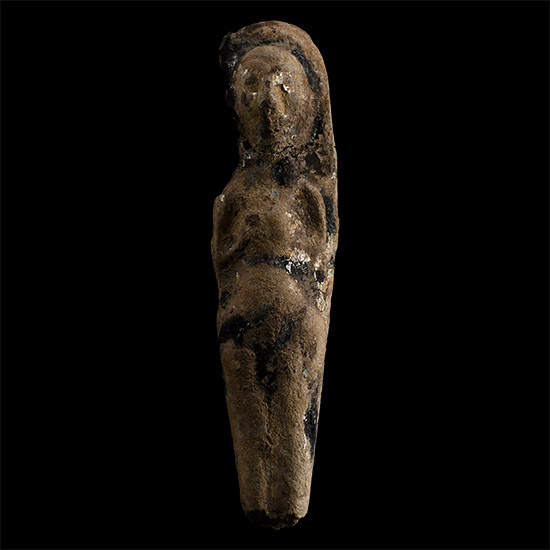
Western Asiatic Glazed Terracotta Fertility Figure
Late 1st millennium B.C.Estimate: £150 - 200 (+bp*)
Opening Bid: £75
Modelled in the half-round; D-shaped in section with applied black pigment detailing to hair and midriff; some iridescence. 23.2 grams, 92 mm
Ex private collection, London, UK, 1969-1999. -
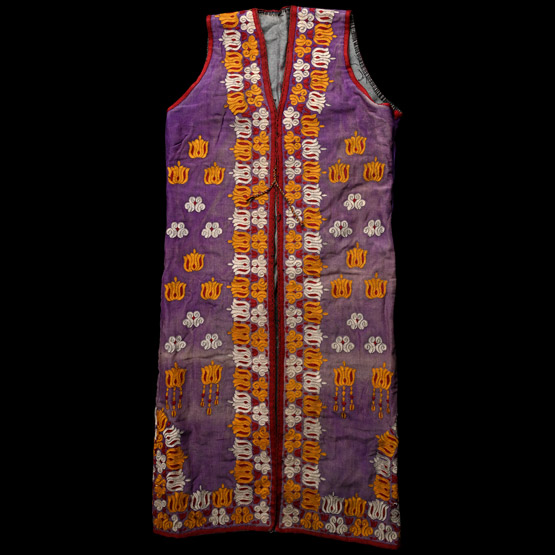
Uzbek Double-Sided Tunic
20th century A.D.Sold for (Inc. bp): £72
Reversible type in plain purple trimmed with embroidered floral and scrolled elements, and plain grey cloth. 1.35 kg, 114.5 cm high
Private collection, UK.
