
Loading, please wait...
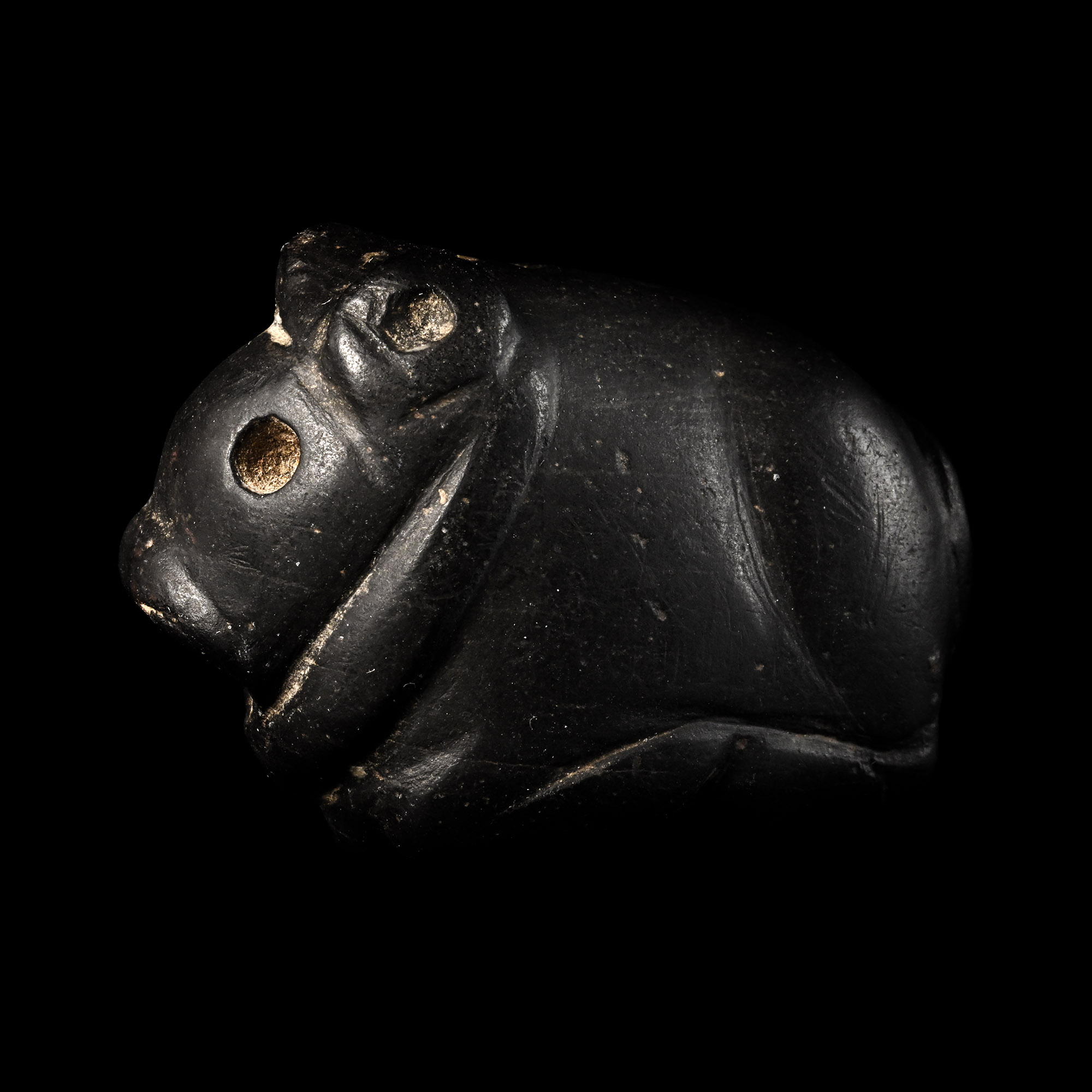
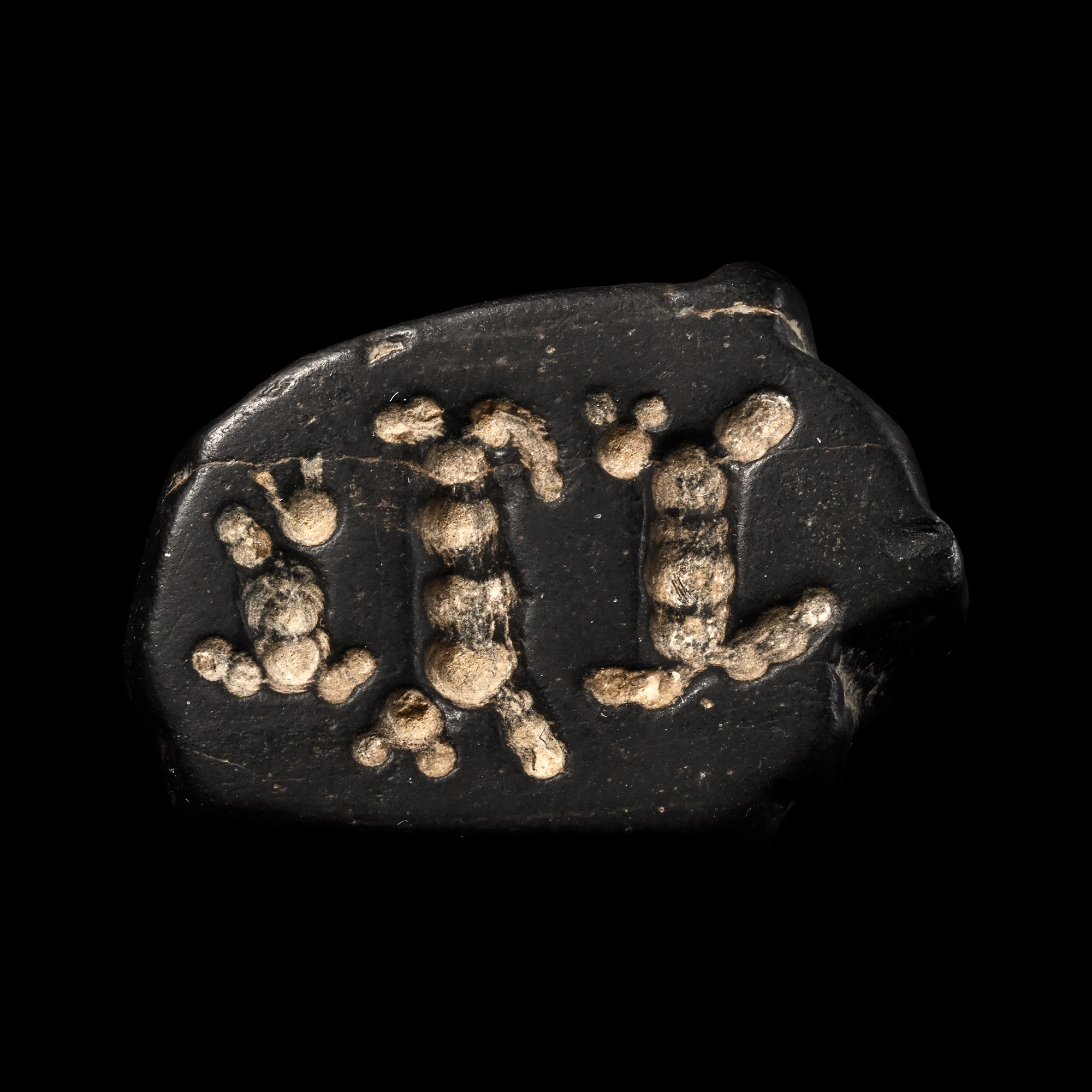
LOT 1135
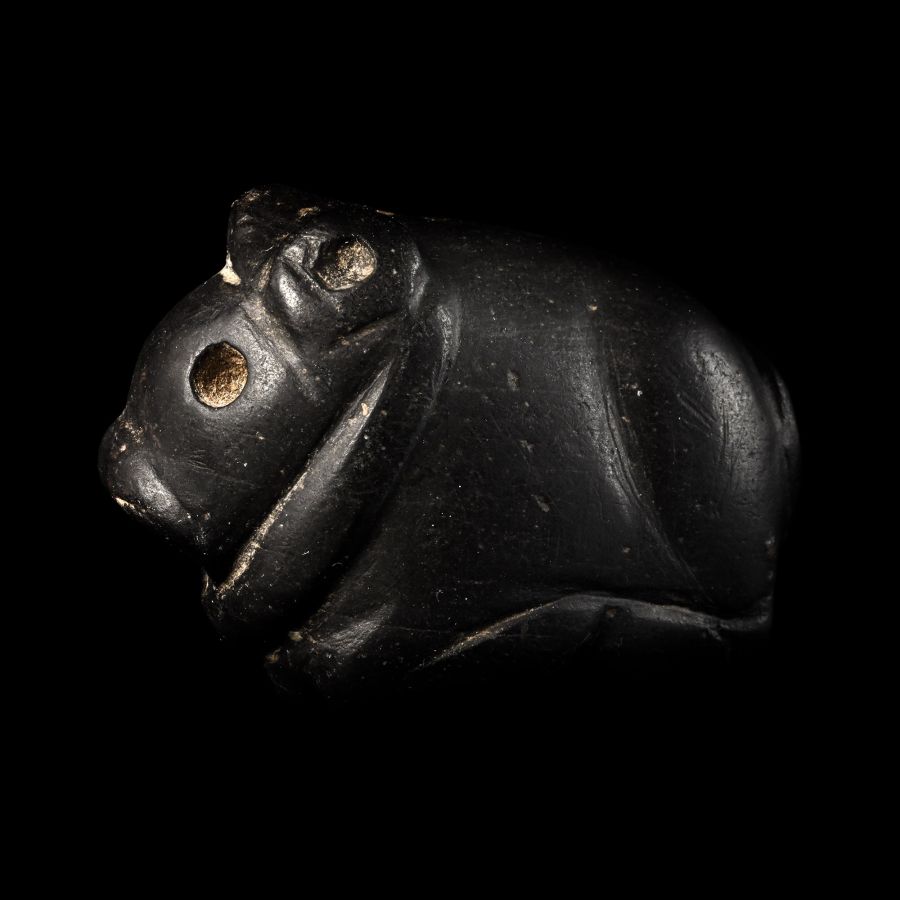
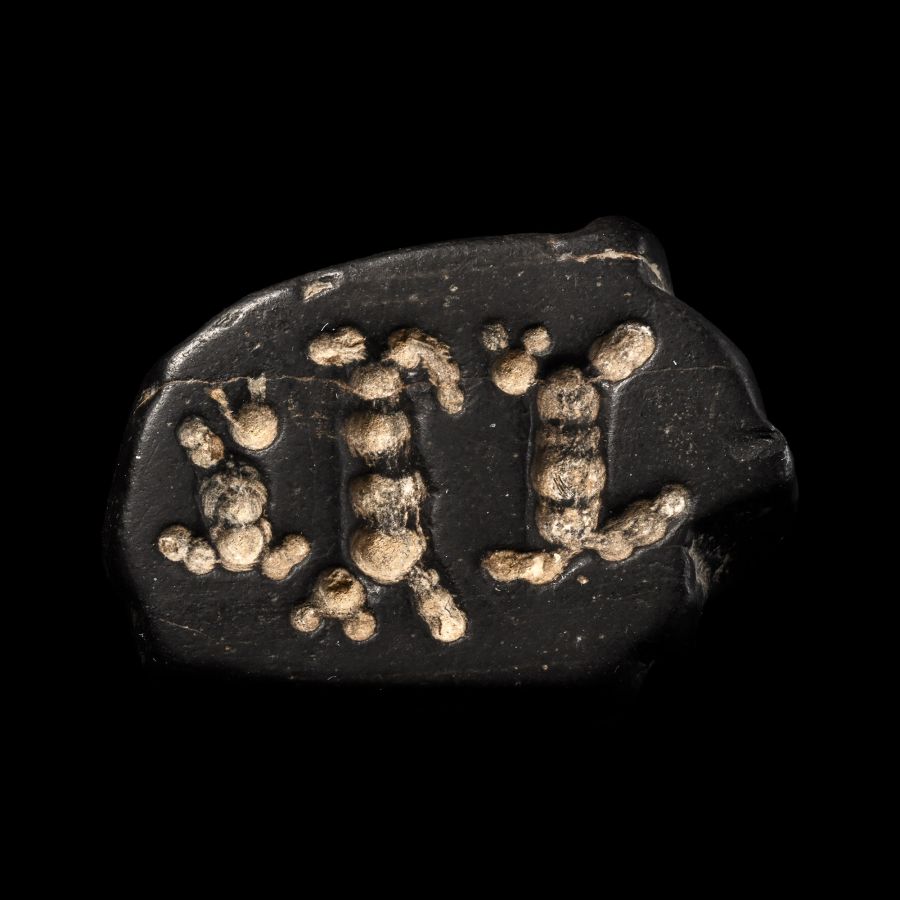
Jemdet Nasr Type Black Stone Seated Cow Seal
3300–2900 B.C.
1 3/4 in. (37.5 gramas, 44 mm).
Plano-convex in section carved into the likeness of a bull with the legs folded beneath the body; underside with scene of three animals; pierced at the shoulders.
ProvenanceUK private collection before 2000.
Acquired on the UK art market.
Private collection, London, UK.
Cf. The Metropolitan Museum, accession number 58.30.3, for general type.
CONDITIONTimeLine Auctions follows a vetting process to ensure the authenticity and legality of all items, reinforcing our commitment to integrity and responsible trading. Each antiquity, antique, and coin lot undergoes thorough examination by a vetting committee of at least ten external specialists, professional trade association members, scientists, and archaeologists: Our Vetting Process
AUCTIONS:
TimeLine is a leading auction house specialising in antiquities, ancient art, collectables, natural history, coins, medals, and books. Our auctions offer museums, collectors, historians, and enthusiasts the opportunity to acquire unique and historically significant pieces.
LOT 1135
Jemdet Nasr Type Black Stone Seated Cow Seal
Estimate £500 - 700€580 - 810 (for guidance only)$680 - 950 (for guidance only)
-
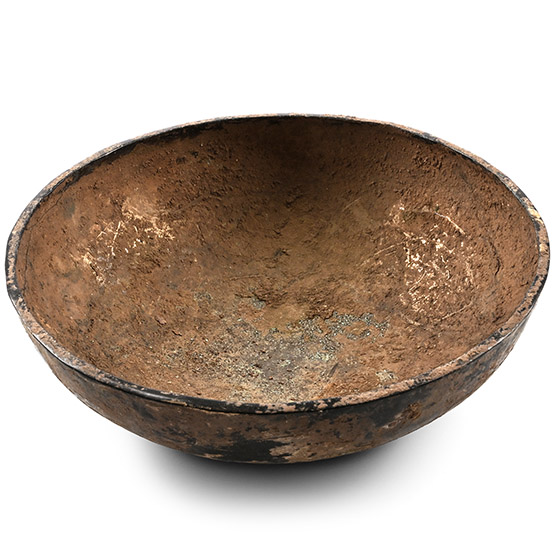
Sasanian Bronze Bowl
3rd-7th century A.D.Sold for (Inc. bp): £20
Broad and convex in profile with thickened inturned rim. 208 grams, 17 cm
From the collection of North West London, UK, gentleman, 1990-2000s. -
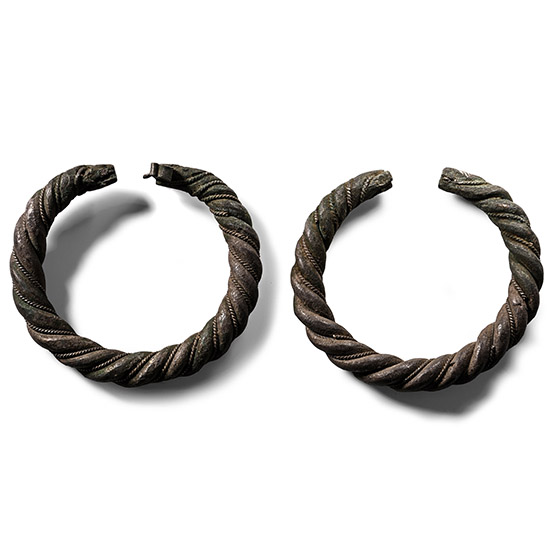
Western Asiatic Twisted Silver Bracelet Pair
10th-12th century A.D.Estimate: £1,000 - 1,400 (‡+bp*)
Opening Bid: £500
Each a penannular round-section band with a twisted filigree band coiled around the shank; clubbed finials, one with closure clip fitting. 259 grams total, 75-78 mm
Acquired in the mid 1980s-1990s. Private collection, Switzerland, thence by descent. Private collection, since the late 1990s. -
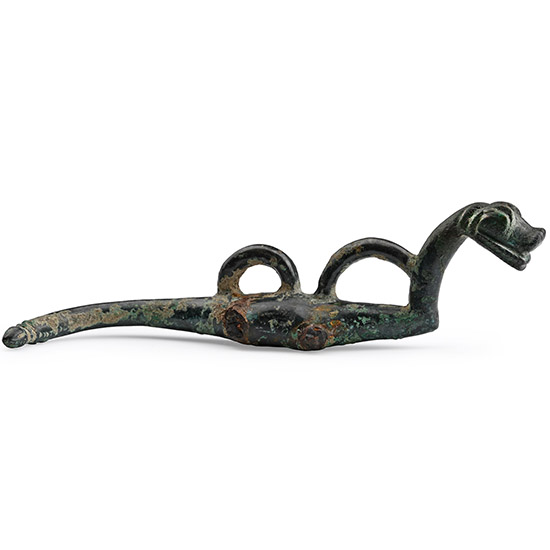
Luristan Bronze Horse Harness Cheekpiece
11th-8th century B.C.Estimate: £400 - 600 (+bp*)
Opening Bid: £200
Modelled in the round in the form of a lizard with a long arched neck, bulbous body and thick, curved, round-section tail; two guide-loops to the upper face. 128 grams, 13.2 cm
Acquired in the mid-1980s to early 1990s. Private collection, London, UK.
The Luristan culture is best known for its remarkable metalwork, especially the finely cast bronzes created during the early first millennium B.C. These objects, such as weapons, horse fittings, and decorative plaques, show a strong artistic imagination, with bold shapes and lively animal designs. Although little is known about the people themselves, their metalwork had a lasting impact, and Luristan bronzes remain some of the most distinctive and admired artefacts from the ancient Near East.
