
Loading, please wait...
LOT 0569
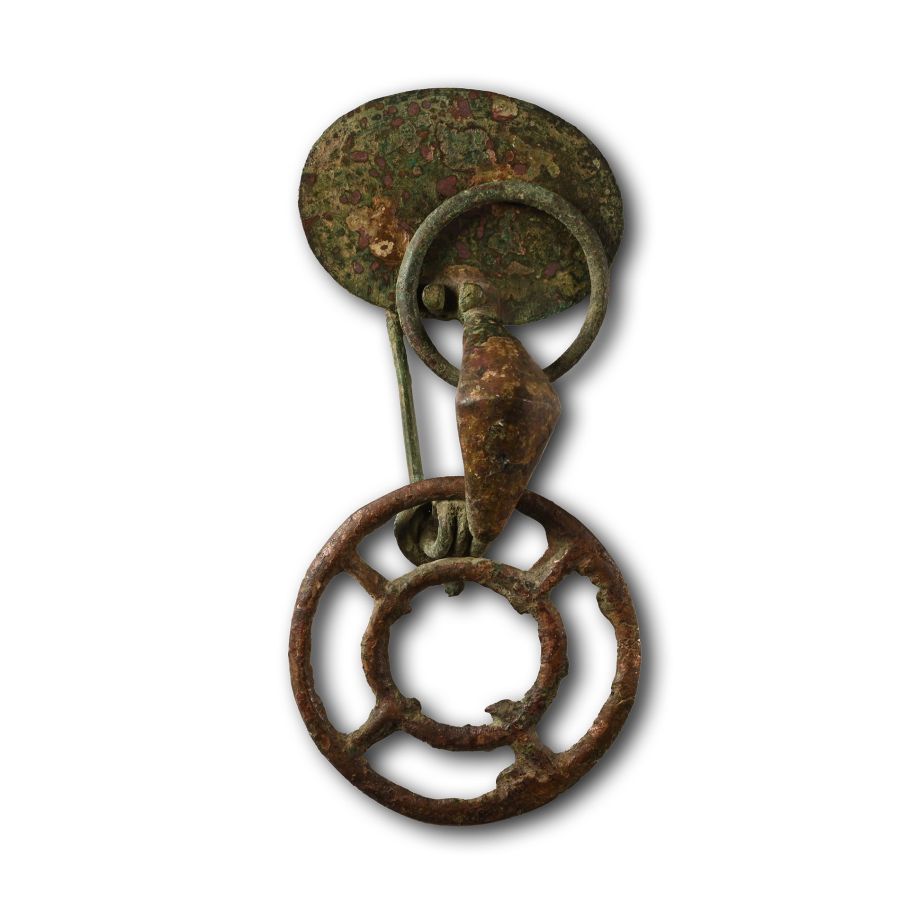
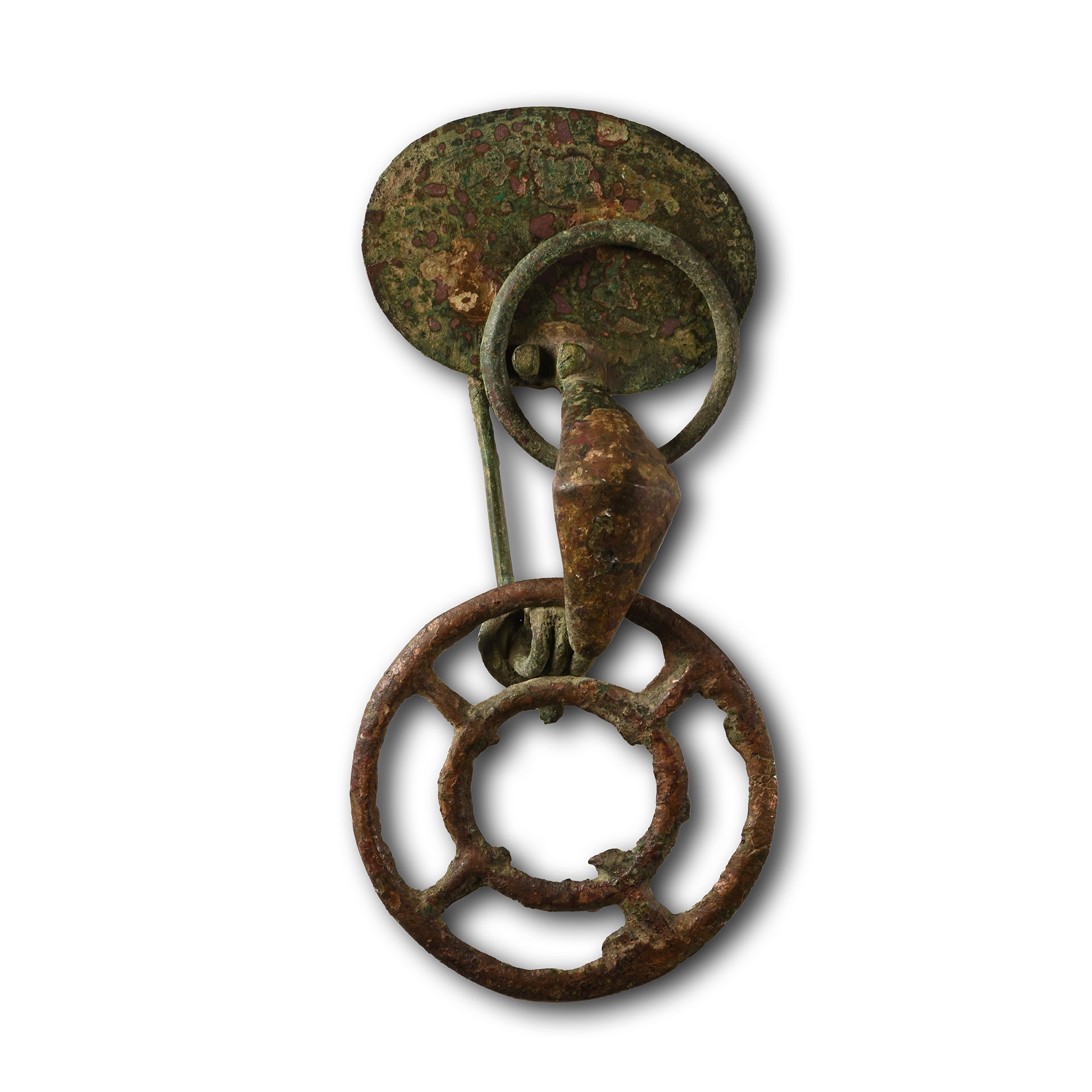
Italic Bronze Fibula and Proto Ring Money Assemblage
CIRCA 9TH-8TH CENTURY B.C.
3 3/8 in. (66 grams, 86 mm).
Bow brooch with integral coiled spring and pin, carinated bow, ellipsoid footplate with two offset lugs forming the catch; with two bronze rings loped over the spring, one a round-section ring and the other an openwork disc. [No Reserve]
ProvenanceFrom the private collection of Dr Wladmir Rosenbaum, 1894-1984.
Ex Helios gallery, Wiltshire, UK.
Ex Den of Antiquity, Cambridgeshire, UK.
Accompanied by a dealer's information display card.
TimeLine Auctions follows a vetting process to ensure the authenticity and legality of all items, reinforcing our commitment to integrity and responsible trading. Each antiquity, antique, and coin lot undergoes thorough examination by a vetting committee of at least ten external specialists, professional trade association members, scientists, and archaeologists: Our Vetting Process
AUCTIONS:
TimeLine is a leading auction house specialising in antiquities, ancient art, collectables, natural history, coins, medals, and books. Our auctions offer museums, collectors, historians, and enthusiasts the opportunity to acquire unique and historically significant pieces.
-
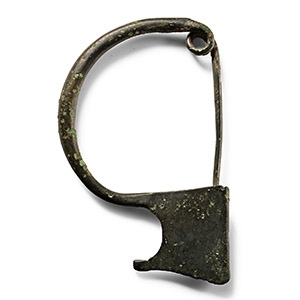
Greek Bronze Bow Brooch
7th-5th century B.C.Sold for (Inc. bp): £65
Comprising a deep bow with integral coil and pin, trapezoidal catchplate with folded lower edge, scooped upper edge and spur to forward end. 9.6 grams, 61 mm
Acquired on the London art market in the late 1980s-1990s. From the family collection of an East London, UK, gentleman. -
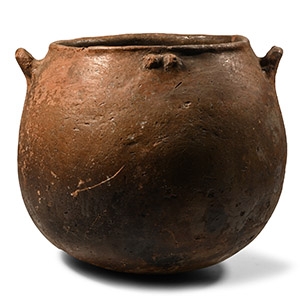
Very Large Cypriot Red Burnished Ware Cooking Pot
Early Bronze Age I-III, circa 2300-2000 B.C.Sold for (Inc. bp): £416
Globular in profile with thick everted rim to the broad mouth, two ledge handles below the rim and two pairs of bosses. 6.15 kg, 31 cm wide
From a collection acquired on the UK art market from various auction houses and collections mostly before 2000. From an important Cambridgeshire estate; thence by descent. -
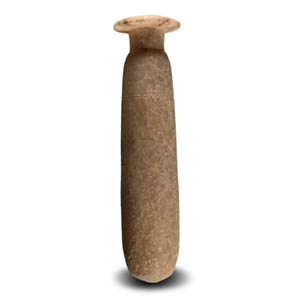
Greek Alabaster Alabastron
Circa 600 B.C.Estimate: £800 - 1,000 (‡+bp*)
Opening Bid: £400
With fusiform body, slender neck and broad flange rim, circumferential incised rings. 540 grams, 21 cm
Acquired in Germany, 1993. Private collection, Europe.
