
Loading, please wait...


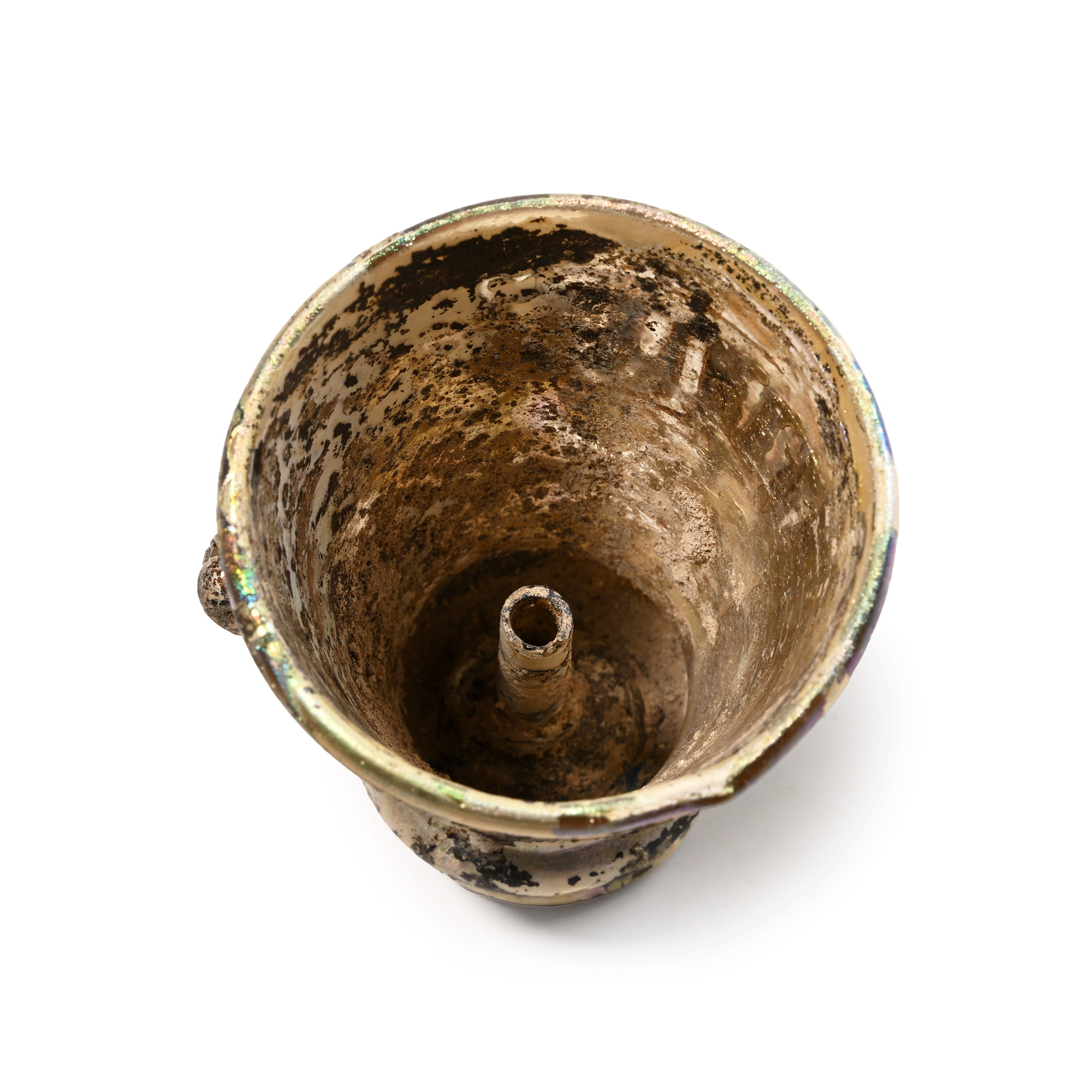
LOT 0239
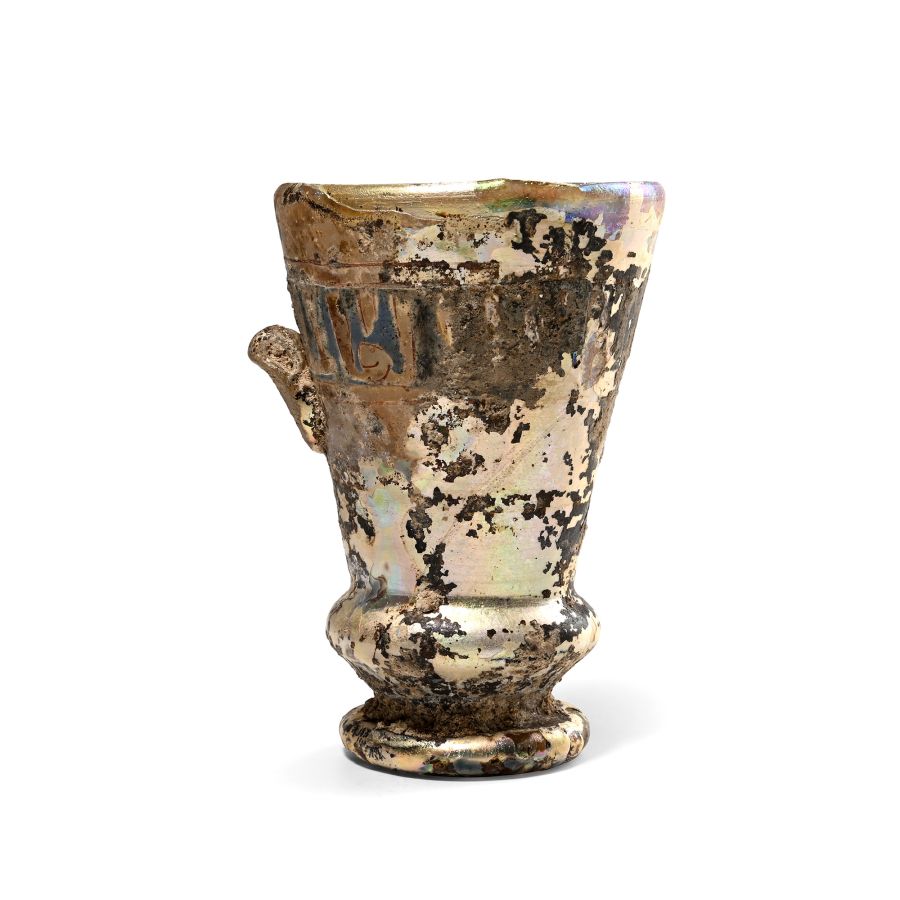
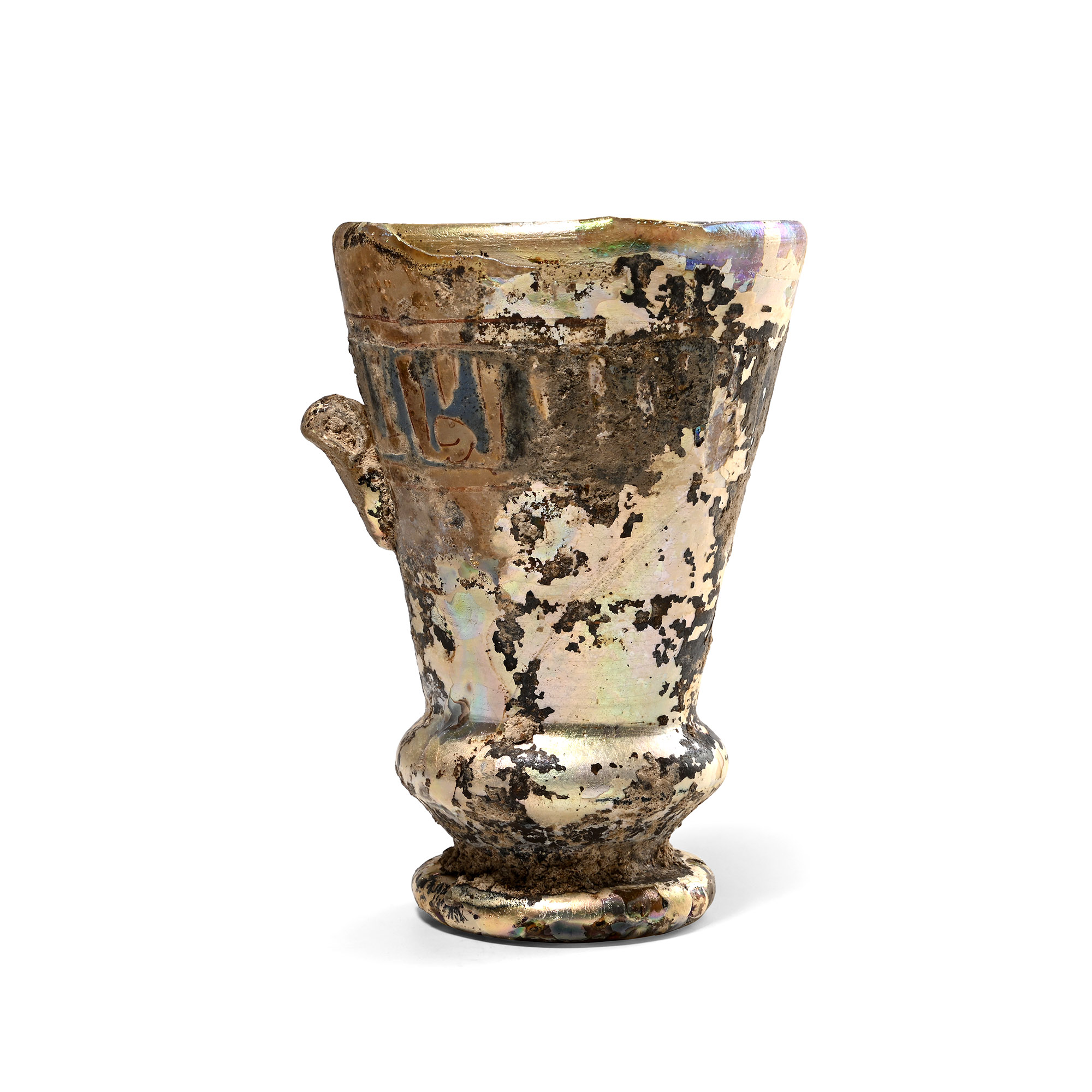
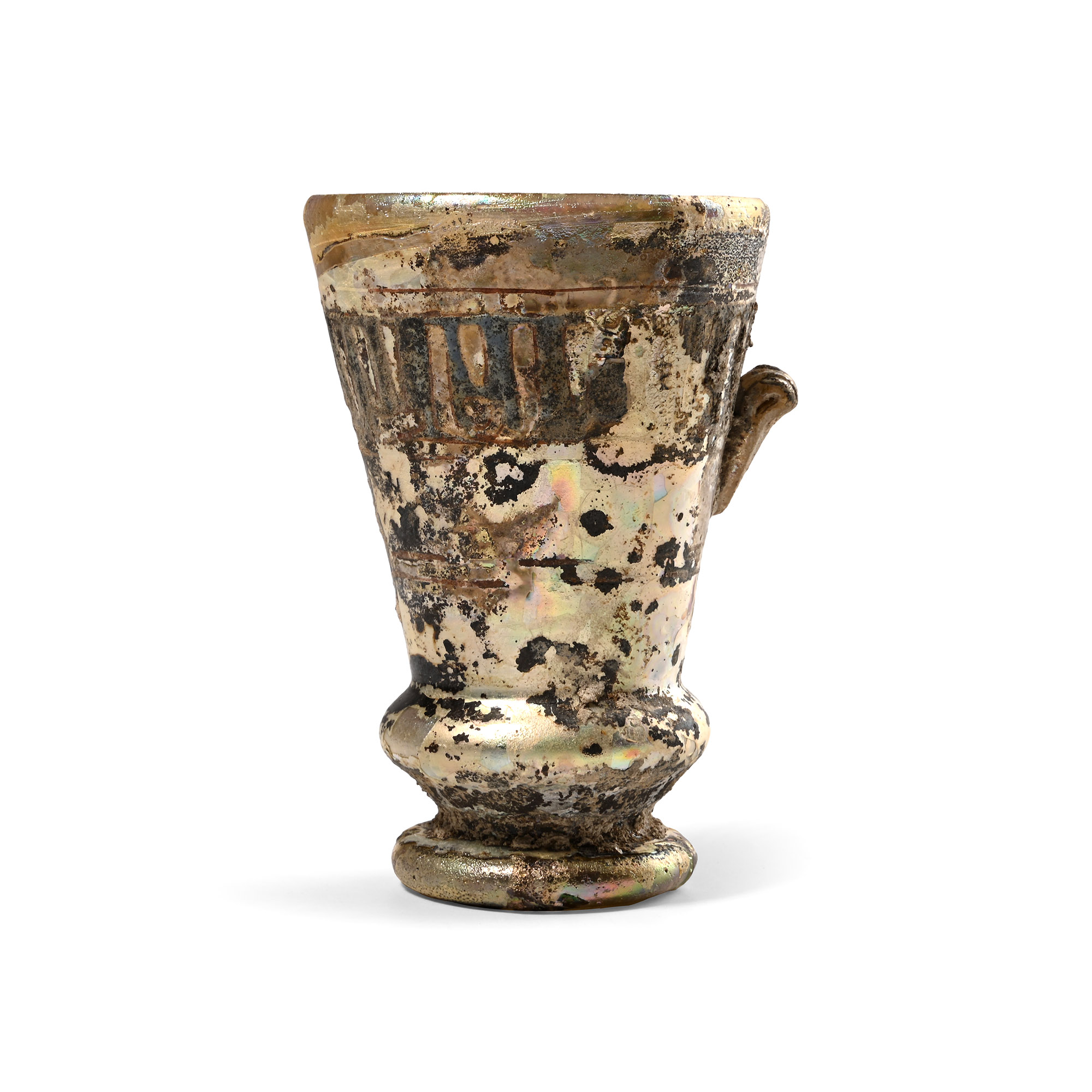
Islamic Glass Calligraphic Vessel with Inscriptions
13TH-14TH CENTURY A.D.
3 5/8 in. (92.3 grams, 93 mm).
Conical in profile with carinated collar above the waisted foot; iridescent surface; applied band of calligraphic Kufic text within borders; single applied narrow loop handle.
ProvenanceAcquired on the UK art market, 1990s.
Private collection, New York, USA.
This lot has been checked against the Interpol Database of stolen works of art and is accompanied by search certificate number no.13375-255455.
Cf. Carboni, S., Whitehouse, D., Glass of the Sultans, The Metropolitan Museum of Art, The Corning Museum of Glass, New York, 2001, p.173, for a similar (but not identical) beaker in rock crystal.
FootnotesOften, the inscriptions on the glass Islamic artworks are in pseudo-Kufic letters, mostly with elements notched or hatched with shallow cuts. Some letters have foliate terminations.
CONDITIONTimeLine Auctions follows a vetting process to ensure the authenticity and legality of all items, reinforcing our commitment to integrity and responsible trading. Each antiquity, antique, and coin lot undergoes thorough examination by a vetting committee of at least ten external specialists, professional trade association members, scientists, and archaeologists: Our Vetting Process
AUCTIONS:
TimeLine is a leading auction house specialising in antiquities, ancient art, collectables, natural history, coins, medals, and books. Our auctions offer museums, collectors, historians, and enthusiasts the opportunity to acquire unique and historically significant pieces.
LOT 0239
Islamic Glass Calligraphic Vessel with Inscriptions
Estimate £2,000 - 3,000€2,320 - 3,480 (for guidance only)$2,700 - 4,050 (for guidance only)
-
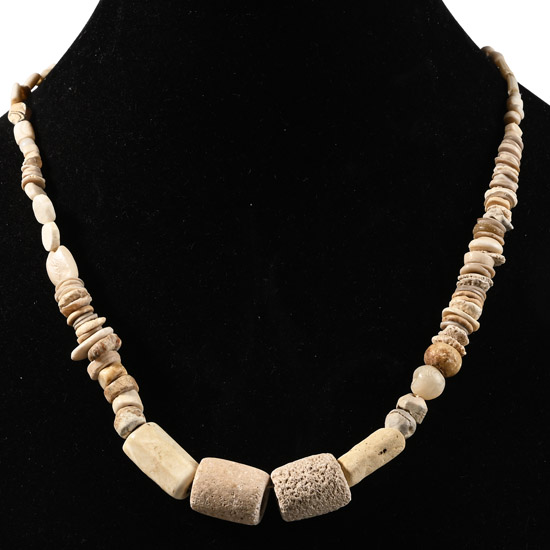
Western Asiatic Glass and Other Bead Necklace String
1st millennium B.C. and laterSold for (Inc. bp): £20
Graduated group of glass, stone and shell beads with four larger feature beads at the centre; restrung. 47.1 grams, 45.5 cm
Acquired in the 1990s. Ex London, UK, collection. -
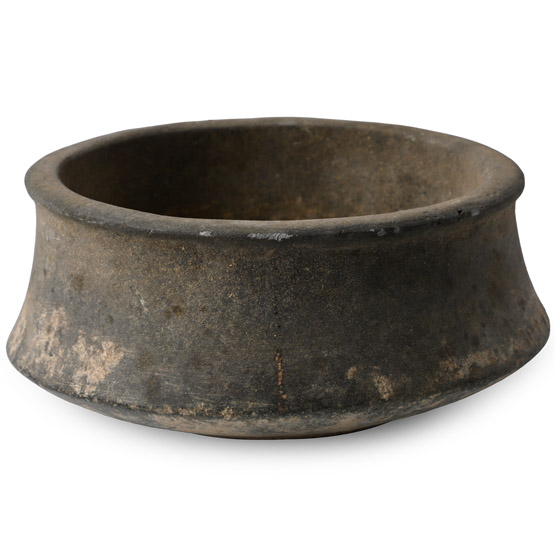
Western Asiatic Stone Vessel
2nd-1st millennium B.C.Estimate: £100 - 140 (+bp*)
Opening Bid: £56
With a broad squat body with carination and a flat rim to the mouth; basal ring. 396 grams, 11.6 cm wide
Ex London, UK, collection, 1988-1990s. -
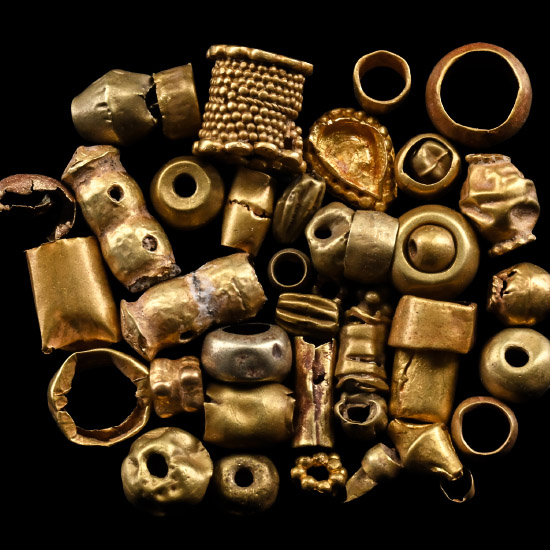
Western Asiatic and Other Ancient Gold Beads
1st millennium B.C. and laterSold for (Inc. bp): £572
Mixed group of beads, including granulated, oblate, tubular, and other types. 7.17 grams total, 2-9 mm
Ex late Japanese gentleman's collection, 1970-2010.
