
Loading, please wait...

LOT 0640
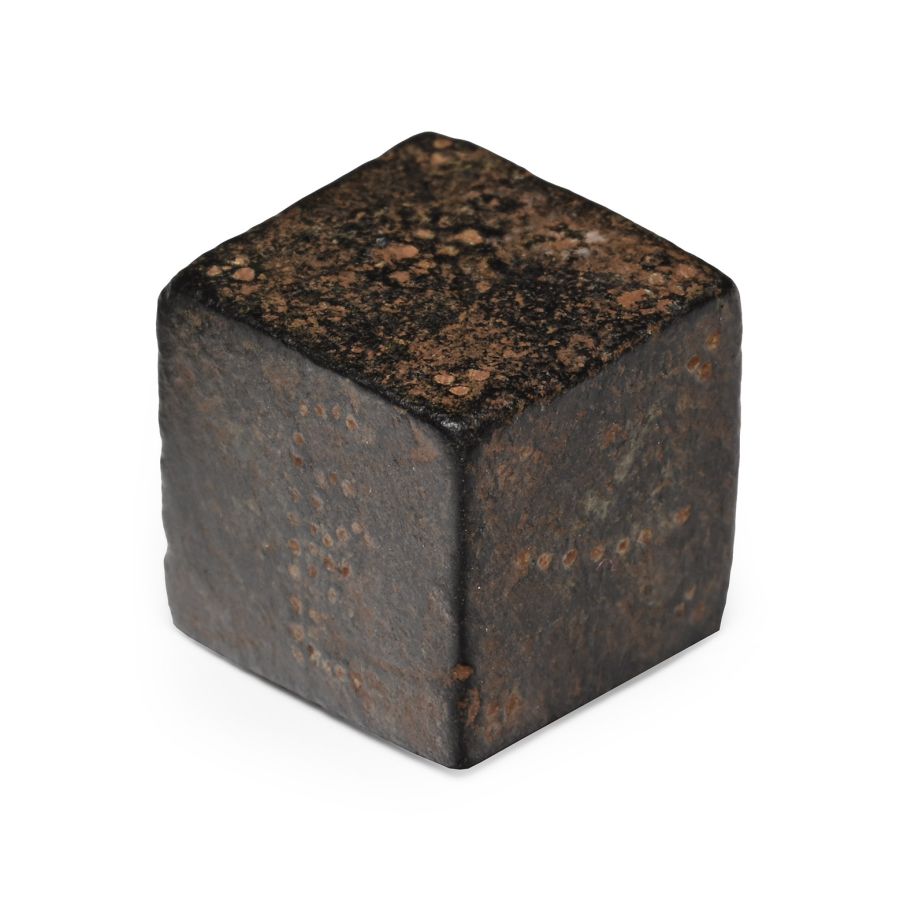
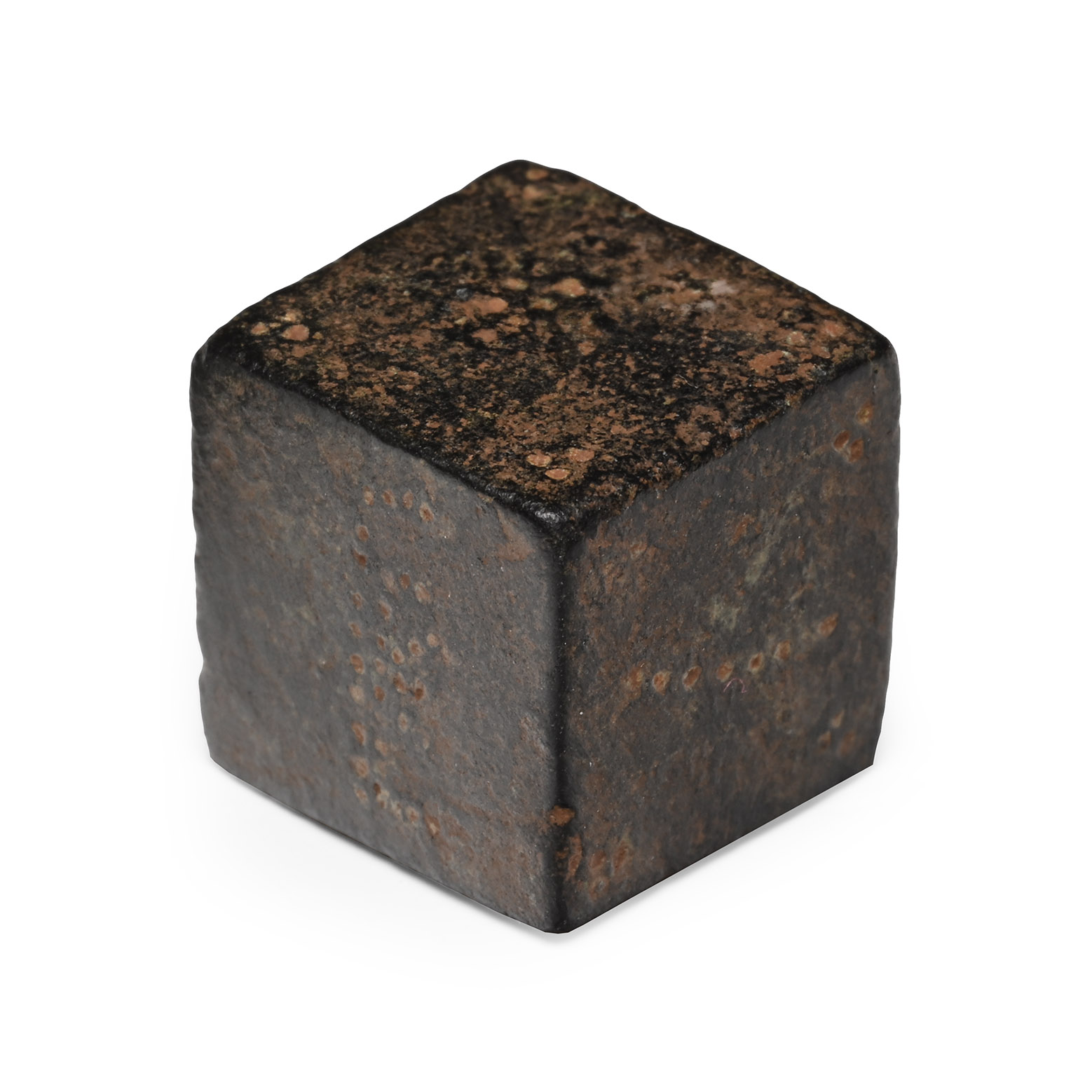
Islamic AE 10 Dirhams Weight
CIRCA 10-13TH CENTURY A.D.
5/8 in. (28.7 grams, 15 mm).
In the form of a cube with engraved pellets on six sides: inscriptions and ornaments.
ProvenanceFrom the collection of a gentleman, acquired on the London art market in the 1990s.
CONDITIONTimeLine Auctions follows a vetting process to ensure the authenticity and legality of all items, reinforcing our commitment to integrity and responsible trading. Each antiquity, antique, and coin lot undergoes thorough examination by a vetting committee of at least ten external specialists, professional trade association members, scientists, and archaeologists: Our Vetting Process
AUCTIONS:
TimeLine is a leading auction house specialising in antiquities, ancient art, collectables, natural history, coins, medals, and books. Our auctions offer museums, collectors, historians, and enthusiasts the opportunity to acquire unique and historically significant pieces.
-
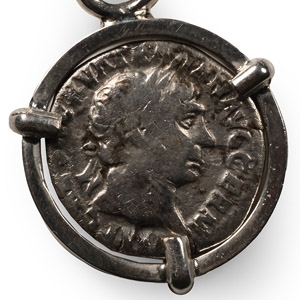
Roman Silver Trajan Denarius Pendant
1st century A.D. and laterSold for (Inc. bp): £65
Denarius with profile bust of Trajan to obverse, standing figure of Victory to reverse; clasp-mounted in a modern silver frame with ring and loop. 5.89 grams, 33 mm
Ex German art market, 2000s. Acquired from an EU collector living in London. From the collection of Surrey, UK, gentleman. -
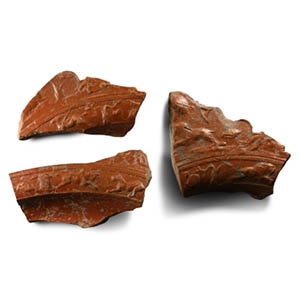
Roman Redware Vessel Fragment Group
4th century A.D.Estimate: £100 - 140 (+bp*)
Opening Bid: £50
Comprising three fragments from a large dish, each with a running frieze of animals, one showing a leaping ibex with a tree behind; one with two attacking lions; one with a bull charging at a large dog, an altar behind the bull. 155 grams total, 9.8-10.5 cm
Ex German art market, 2000s. Acquired from an EU collector living in London. From the collection of Surrey, UK, gentleman. -
.jpg)
Roman Piriform Glass Flask
1st century A.D.Estimate: £100 - 140 (+bp*)
Opening Bid: £50
An iridescent glass unguentarium with piriform body, tubular neck with everted rolled rim. 6.65 grams, 69 mm
Acquired 1980-2015. Ex Abelita family collection.
