
Loading, please wait...
LOT 2070
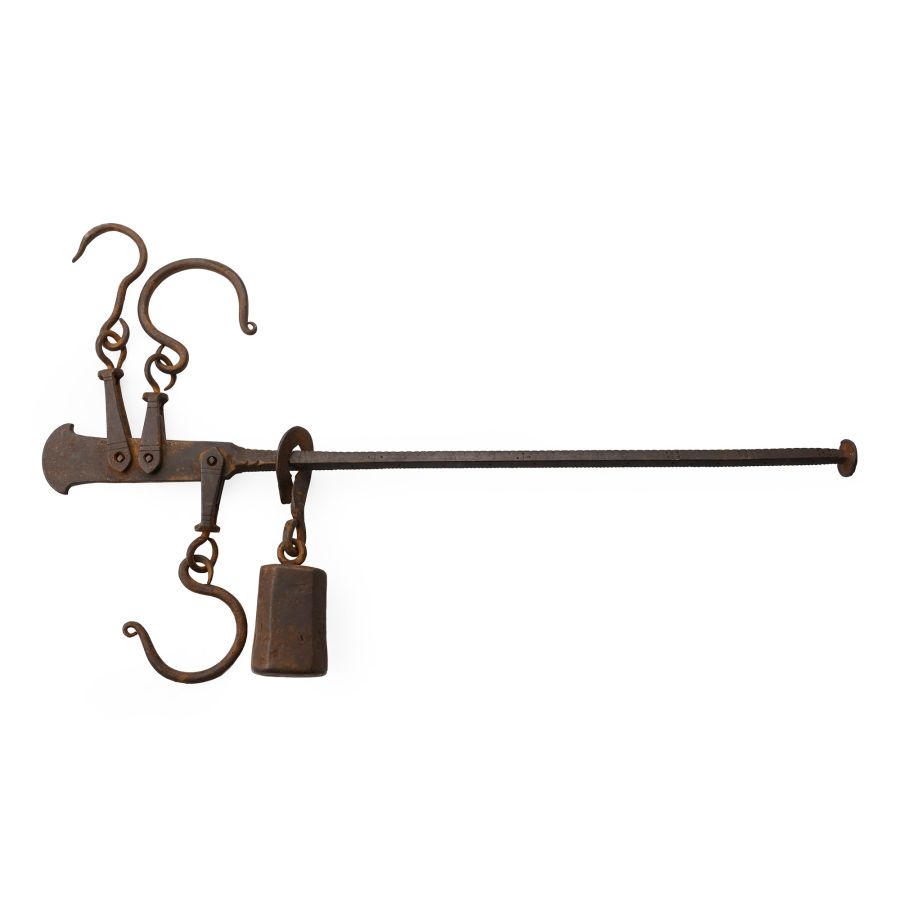
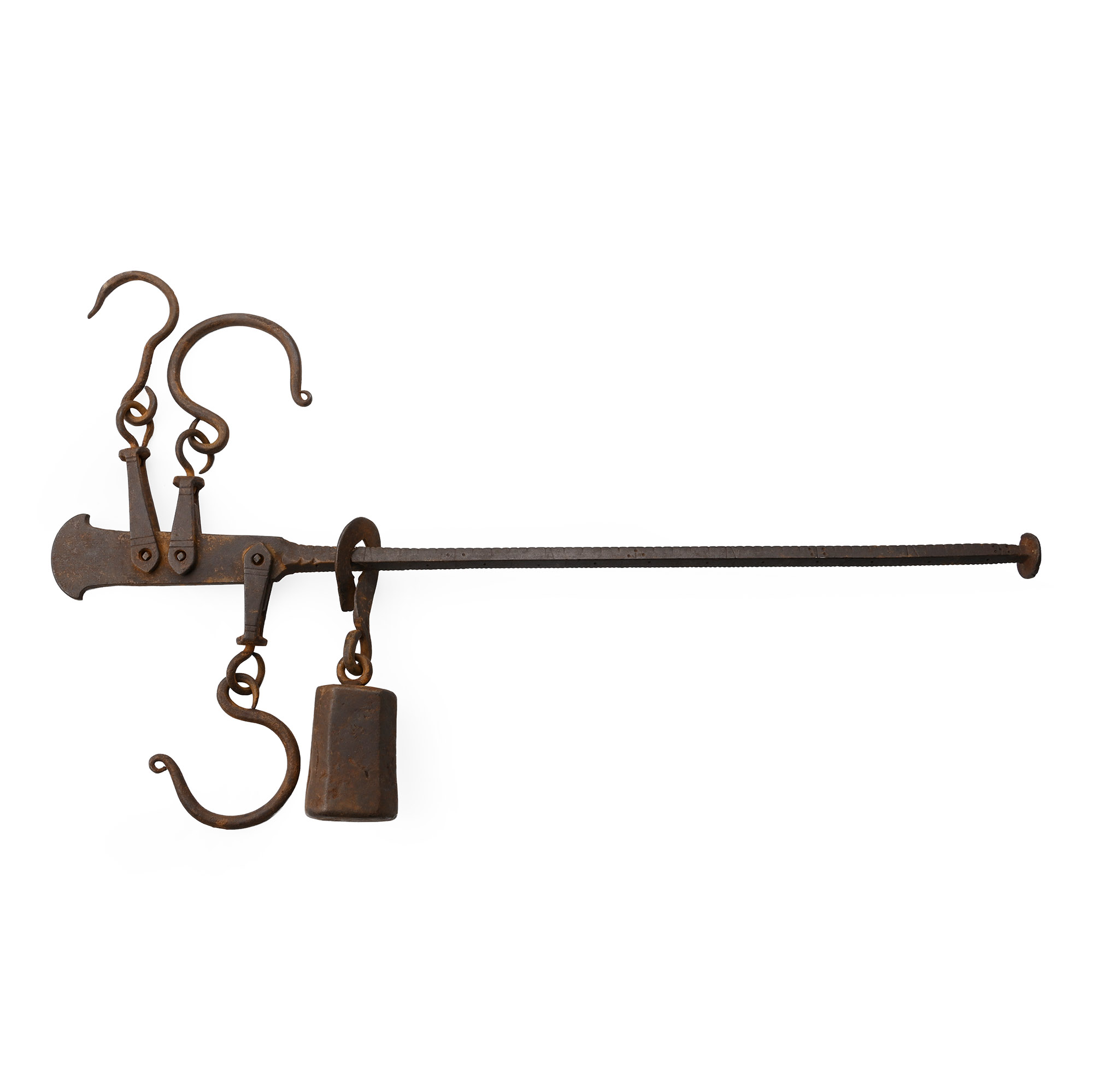
Iron Steelyard Scales Balance Arm with Counter Weight
19TH CENTURY A.D.
17 7/8 in. (1.17 kg, 45.5 cm).
A substantial long hook and a shorter one to the suspension end, adjustable counter weight. [No Reserve]
ProvenanceFrom the personal collection of a South West London gentleman since the 1980s.
This lot is accompanied by an illustrated lot declaration signed by the Head of the Antiquities Department, Dr Raffaele D'Amato.
TimeLine Auctions follows a vetting process to ensure the authenticity and legality of all items, reinforcing our commitment to integrity and responsible trading. Each antiquity, antique, and coin lot undergoes thorough examination by a vetting committee of at least ten external specialists, professional trade association members, scientists, and archaeologists: Our Vetting Process
AUCTIONS:
TimeLine is a leading auction house specialising in antiquities, ancient art, collectables, natural history, coins, medals, and books. Our auctions offer museums, collectors, historians, and enthusiasts the opportunity to acquire unique and historically significant pieces.
-
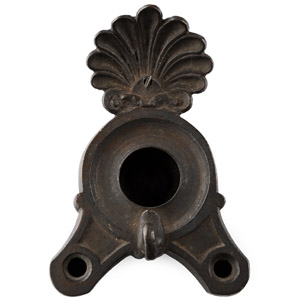
Grand Tour Roman Style Bronze Oil Lamp
Italy, circa 1880 A.D.Sold for (Inc. bp): £52
Drum-shaped body with twin short nozzles, palmette reflector plate. 152 grams, 95 mm
From the private collection of Kenneth Machin (1936-2020), Buckinghamshire, UK; his collection of antiquities and natural history was formed since 1948; thence by descent. This lot is accompanied by an illustrated lot declaration signed by the Head of the Antiquities Department, Dr Raffaele D'Amato. -
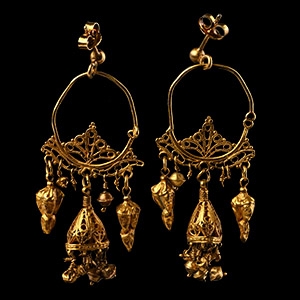
Sicilian Gold Earrings with Droplets
South Italian, 1860-1910 A.D.Sold for (Inc. bp): £910
Each a slender hoop with openwork filigree palmette to the inner face and openwork filigree bar to the underside with small pendant drops and openwork bell with biconical and other drops attached to the rim. 12.18 grams total, 48-51 mm
Ex Georgie Chrischilles. Private collection, London. This lot is accompanied by an illustrated lot declaration signed by the Head of the Antiquities Department, Dr Raffaele D'Amato. -
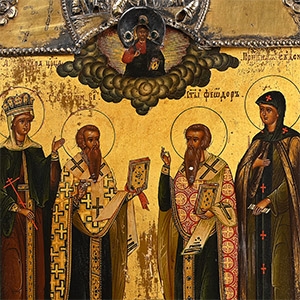
Icon with Saint Alexandra Basil the Great, Feodor and Eudokia
Later 19th century A.D.Estimate: £1,200 - 1,700 (+bp*)
Opening Bid: £600
Tempera on wood panel with silver-gilt basma reveal; gilt field with four nimbate figures standing in three-quarter view; the two outer figures each in floor-length female robe with wimple and open-fronted mantle; inner figures bearded with sumptuous vestments, each holding a codex; above, clouds parted to reveal facing figure with metal nimbus applied to the basma; above this, three nimbate figures in the basma with voids to reveal the painted faces below, repoussé floral motifs to border; Cyrillic legends Vasili (Basil), Aleksandra, Fyodor (Theodore), Ebdokia; mounting bars in recesses to reverse. 1.27 kg, 31 x 25 cm
Acquired on the European art market. Private collection, London, UK. This lot is accompanied by an illustrated lot declaration signed by the Head of the Antiquities Department, Dr Raffaele D'Amato.
