
Loading, please wait...


LOT 1695
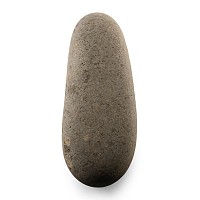
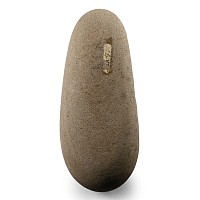
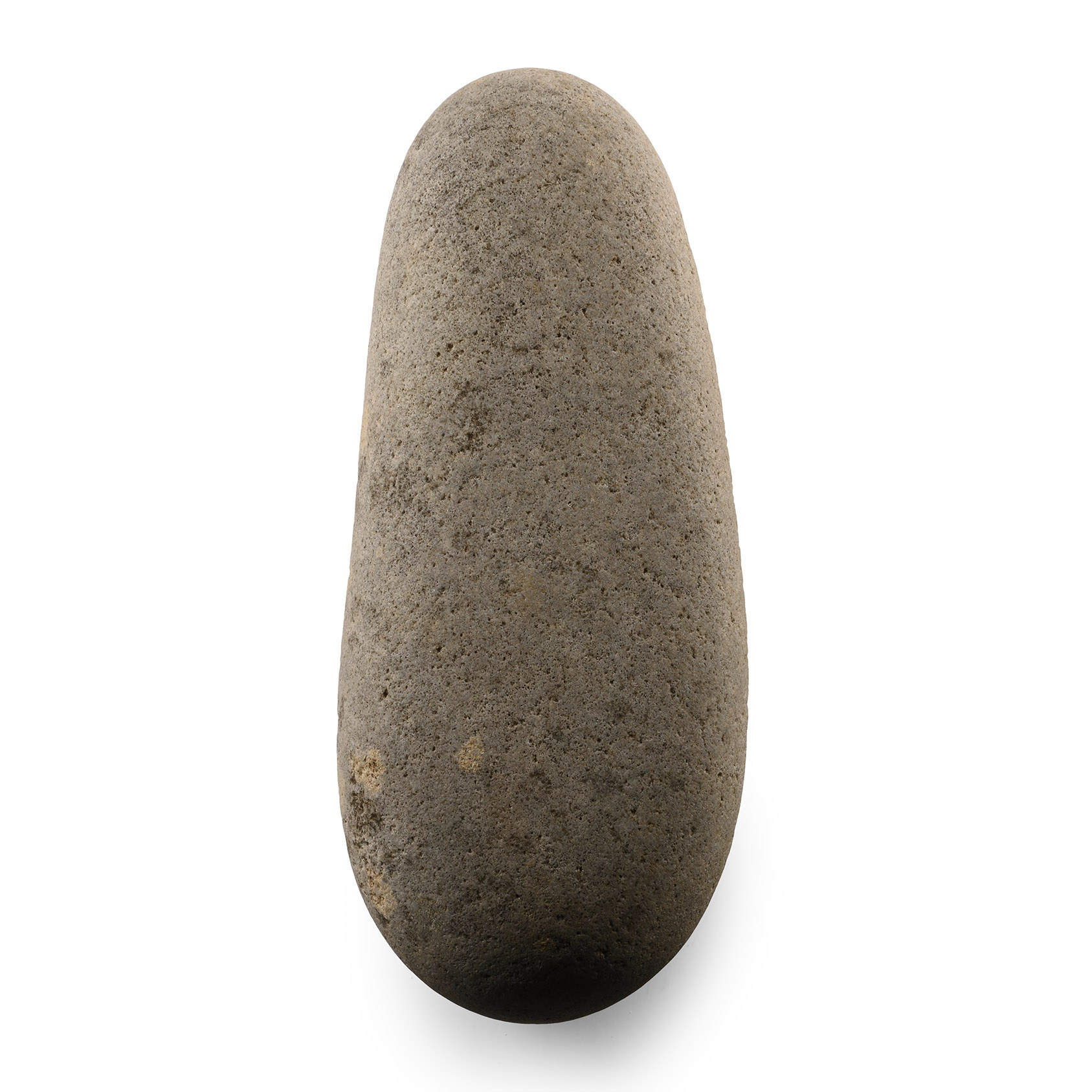
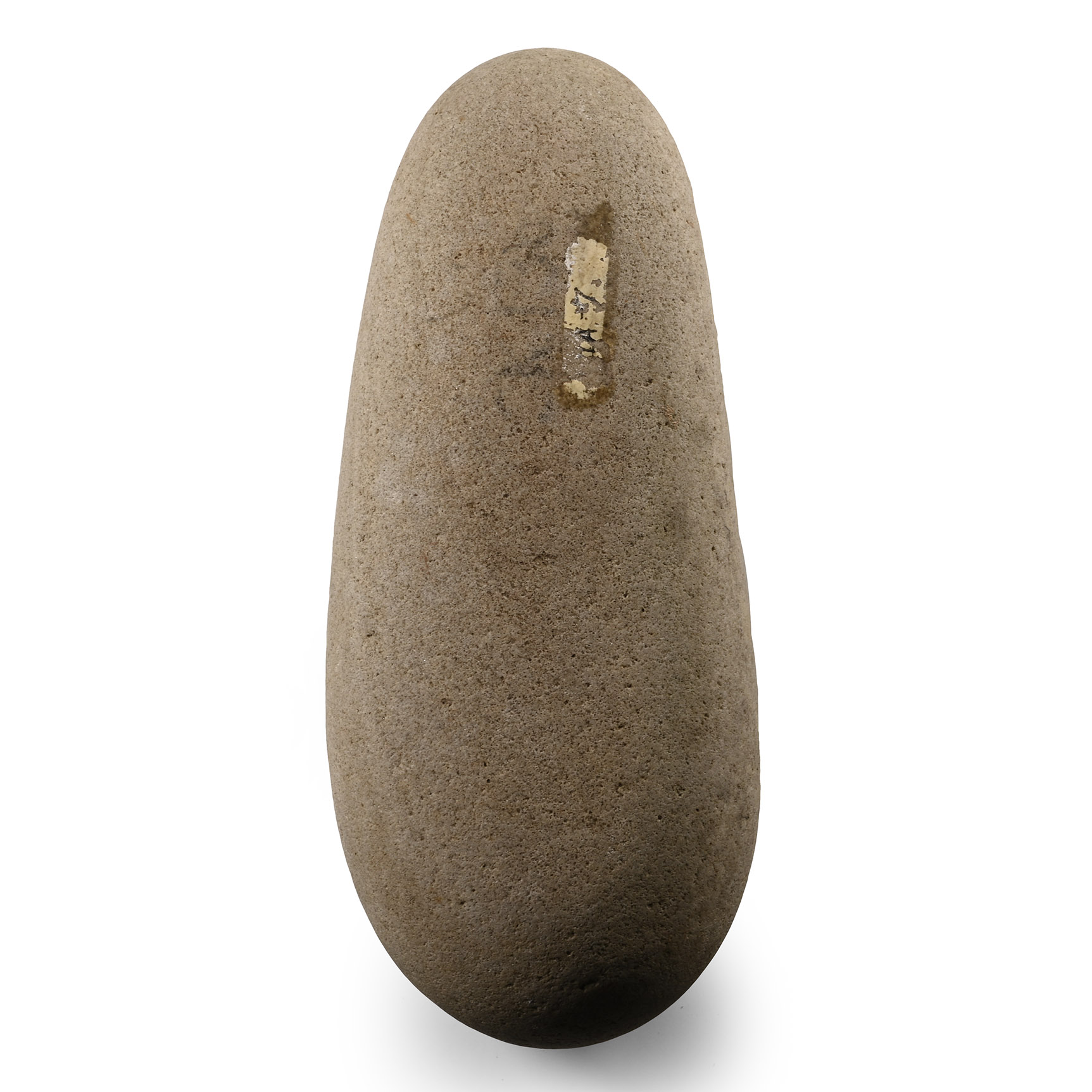
Iron Age Celtic Sandstone Hammer Stone
CIRCA 400 A.D.
6 5/8 in. (977 grams, 17 cm).
Large cobble also used as a whetstone; old collector's legend 'IA-7'. [No Reserve]
ProvenanceAcquired from S. Murray.
From the private collection of Kenneth Machin (1936-2020), Buckinghamshire, UK; with collection no.IA7; his collection of antiquities and natural history was formed since 1948; thence by descent.
TimeLine Auctions follows a vetting process to ensure the authenticity and legality of all items, reinforcing our commitment to integrity and responsible trading. Each antiquity, antique, and coin lot undergoes thorough examination by a vetting committee of at least ten external specialists, professional trade association members, scientists, and archaeologists: Our Vetting Process
AUCTIONS:
TimeLine is a leading auction house specialising in antiquities, ancient art, collectables, natural history, coins, medals, and books. Our auctions offer museums, collectors, historians, and enthusiasts the opportunity to acquire unique and historically significant pieces.
-
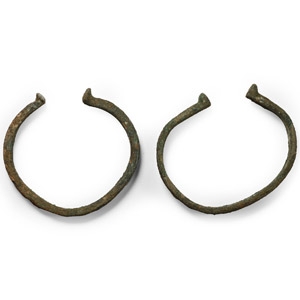
Iron Age Celtic Bronze Bracelet Pair
2nd century B.C.-1st century A.D.Sold for (Inc. bp): £26
Each with D-section shank and clubbed finial. 54.8 grams total, 61-63 mm
Acquired on the European art market since the early 2000s. From the private Northern Ireland collection of R.M. -
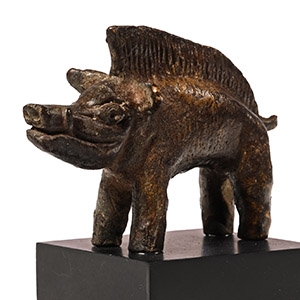
Romano-Celtic Bronze Boar Statuette
1st century B.C.-1st century A.D.Sold for (Inc. bp): £3,120
Modelled in the round in a sturdy pose with fierce facial features and prominent ridge of bristles to the spine, stub tail; mounted on a custom-made stand. 231 grams, 68 mm
From a collection acquired on the UK art market from various auction houses and collections mostly before 2000. From an important Cambridgeshire estate; thence by descent.
The small statuettes of boars found in the Roman Britain and in the Roman Gaul, were likely used as dedicatory ex-votos, votive figurines for the cult places. They were widespread in the Roman provinces of Celtic origin. However, one cannot exclude the fact that many boars found in Britain belong to the pre-conquest British figurines. One of the few types of bronze figurines that are known to precede the arrival of the Romans is in fact that of the boars. -
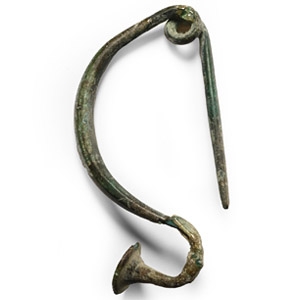
Iron Age Celtic La Tene Bronze Brooch
1st century B.C.Sold for (Inc. bp): £20
With a round-section bow and integral coiled pin, returned foot with disc finial; repaired. 6.7 grams, 54 mm
Ex German art market, 2000s. Acquired from an EU collector living in London. From the collection of Surrey, UK, gentleman.
