
Loading, please wait...

LOT 1698
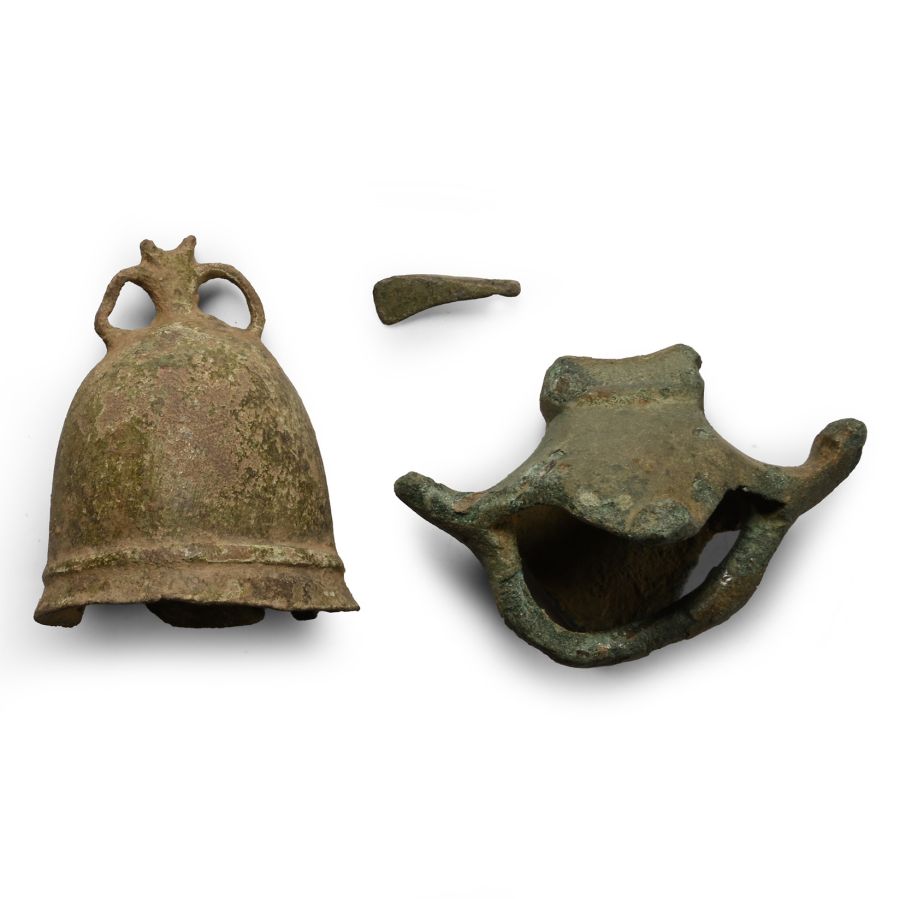
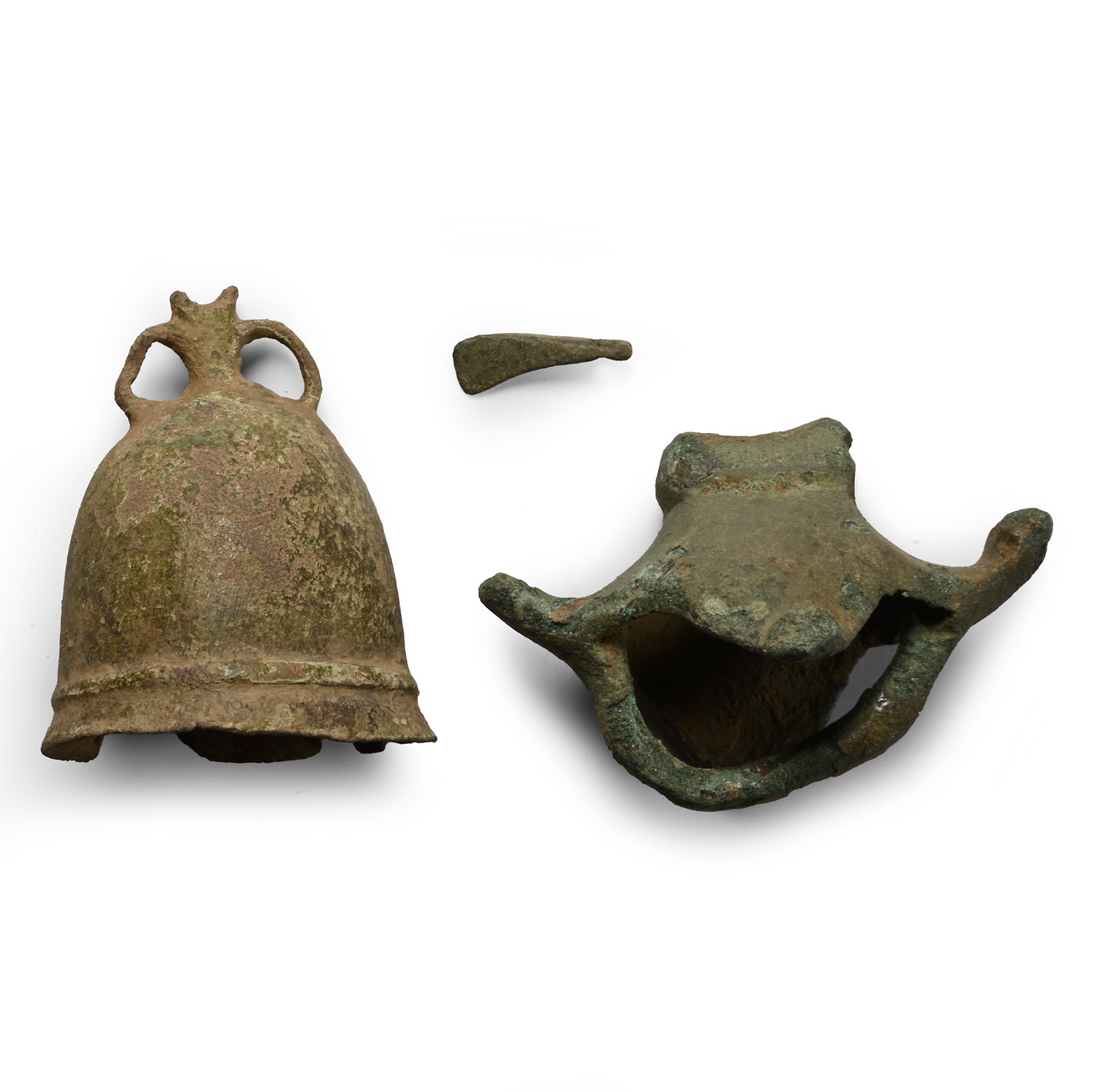
Iron Age Celtic Bronze Artefact Group
1ST CENTURY B.C.-1ST CENTURY A.D.
5/8 - 1 7/8 in. (67.4 grams total, 16-48 mm).
Comprising: a bell with loops flanking the knop finial; terret chariot fitting. [3, No Reserve]
ProvenanceAcquired on the European art market since the early 2000s.
From the private Northern Ireland collection of R.M.
Cf. Megaw, R. & V., Celtic Art. From its Beginnings to the Book of Kells, London, 1989, item 225, for terret type.
CONDITIONTimeLine Auctions follows a vetting process to ensure the authenticity and legality of all items, reinforcing our commitment to integrity and responsible trading. Each antiquity, antique, and coin lot undergoes thorough examination by a vetting committee of at least ten external specialists, professional trade association members, scientists, and archaeologists: Our Vetting Process
AUCTIONS:
TimeLine is a leading auction house specialising in antiquities, ancient art, collectables, natural history, coins, medals, and books. Our auctions offer museums, collectors, historians, and enthusiasts the opportunity to acquire unique and historically significant pieces.
-
Iron Age Celtic La Tene Bronze Brooch
1st century B.C.Sold for (Inc. bp): £20
With a round-section bow and integral coiled pin, returned foot with disc finial; repaired. 6.7 grams, 54 mm
Ex German art market, 2000s. Acquired from an EU collector living in London. From the collection of Surrey, UK, gentleman. -
.jpg)
Iron Age Celtic Stone Figure
6th-3rd century B.C.Sold for (Inc. bp): £6,240
Carved in the round granite figure comprising: a bulbous head with panel of hair to the rear; broad brow, incised scaphoid eyes, triangular nose and open mouth; barrel-shaped body with stubby bent arms and hands placed open on the chest and abdomen; vertical line to chest; lower body absent. 29.6 kg, 47 cm
Previously in the private collection of Mr Louis-Pierre Bresset (1902-1988), Castle Rochelambert, Haute-Loire. Thence by descent. Olivier Coutau-Bégarie, Paris, 23 February 2023, no.33 [€14,812.00]. Accompanied by French cultural passport no.242849. Accompanied by copies of a previous illustrated catalogue page and illustrated note on the provenance. Accompanied by a copy of a signed Art Loss Register declaration no.S00230440, dated 17th March 2023. This lot has been checked against the Interpol Database of stolen works of art and is accompanied by a search certificate number no.12433-225437. -
Iron Age Celtic Bronze Bracelet
1st century B.C.-1st century A.D.Sold for (Inc. bp): £117
Comprising a penannular round-section body with hammered terminals, punched pellet decoration to each of the finials. 27.3 grams, 67 mm
Ex German art market, 2000s. Acquired from an EU collector living in London. From the collection of Surrey, UK, gentleman.
