
Loading, please wait...
LOT 1168
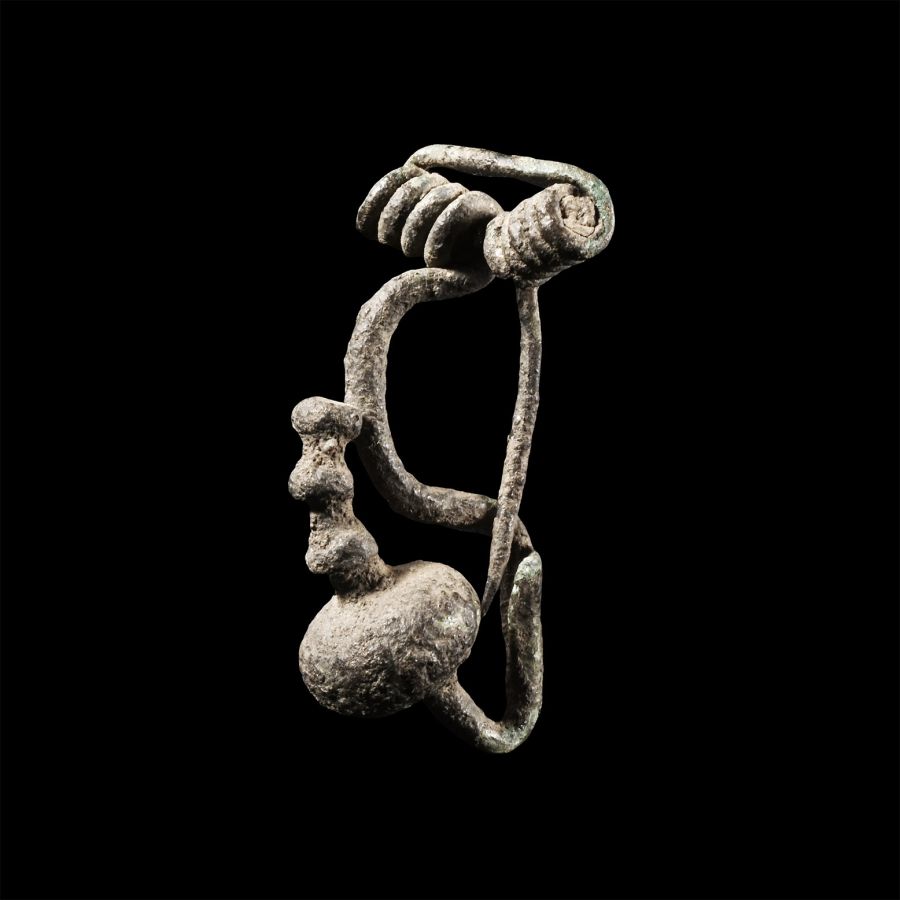
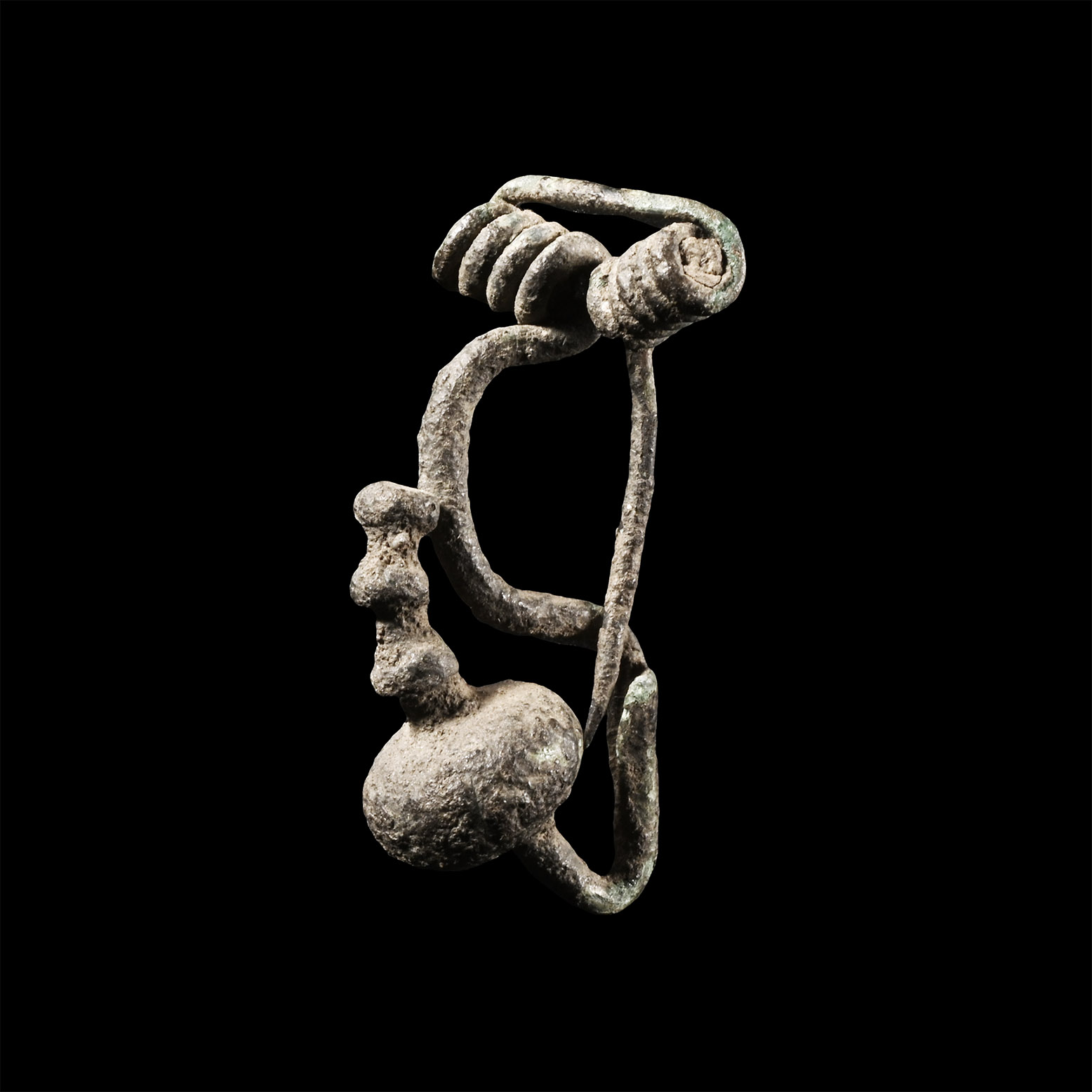
Iron Age Bronze Iberian Fibula
CIRCA 6TH-3RD CENTURY B.C.
1 3/8 in. (6.74 grams, 34 mm).
Small Iberian type with broad coiled spring, lateral flange for the catch, bulbous extension to the footplate [No Reserve]
ProvenanceFrom a private collection formed in the 1990s.
Ex property of a European gentleman living in the UK.
Property of an East Sussex, UK, private collector.
Cf. Hattatt, R., Brooches of Antiquity, Oxford, 1987, item 1360, for type.
CONDITIONTimeLine Auctions follows a vetting process to ensure the authenticity and legality of all items, reinforcing our commitment to integrity and responsible trading. Each antiquity, antique, and coin lot undergoes thorough examination by a vetting committee of at least ten external specialists, professional trade association members, scientists, and archaeologists: Our Vetting Process
AUCTIONS:
TimeLine is a leading auction house specialising in antiquities, ancient art, collectables, natural history, coins, medals, and books. Our auctions offer museums, collectors, historians, and enthusiasts the opportunity to acquire unique and historically significant pieces.
-
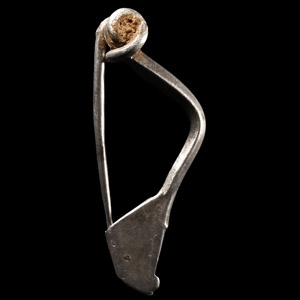
Iron Age Celtic Silver La Tène III Fibula
Circa 1st century B.C.Sold for (Inc. bp): £117
La Tène III type with angled bow, spring and pin, flange catch. 5.2 grams, 46 mm
Private collection, acquired before 1980. Ex property of a London, UK collector, acquired at auction. Property of an East Sussex, UK, private collector. -
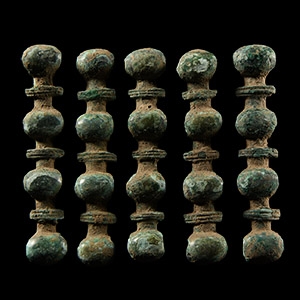
Iron Age Celtic Bronze Segmented Belt Link Group
Late 1st millennium B.C.Sold for (Inc. bp): £39
Comprising five bars, each with four raised bosses interspersed with horizonal bars; the bosses hollow for threading. 39.7 grams total, 58-60 mm
From Eastern Europe. UK private collection. Acquired from York Antiques Centre, in 2007. Property of a Nottinghamshire gentleman. -
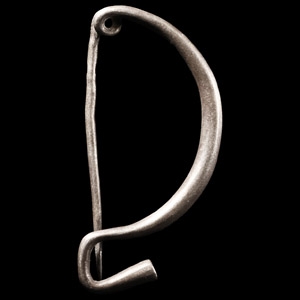
Iron Age Celtic Silver La Tène I Fibula
Circa 4th-3rd century B.C.Sold for (Inc. bp): £111
With deep bow, integral lateral catchplate and recurved knop finial. 10.2 grams, 53 mm
Ex property of a London collector, acquired before 1980. Property of an East Sussex, UK, private collector.
