
Loading, please wait...
LOT 2400
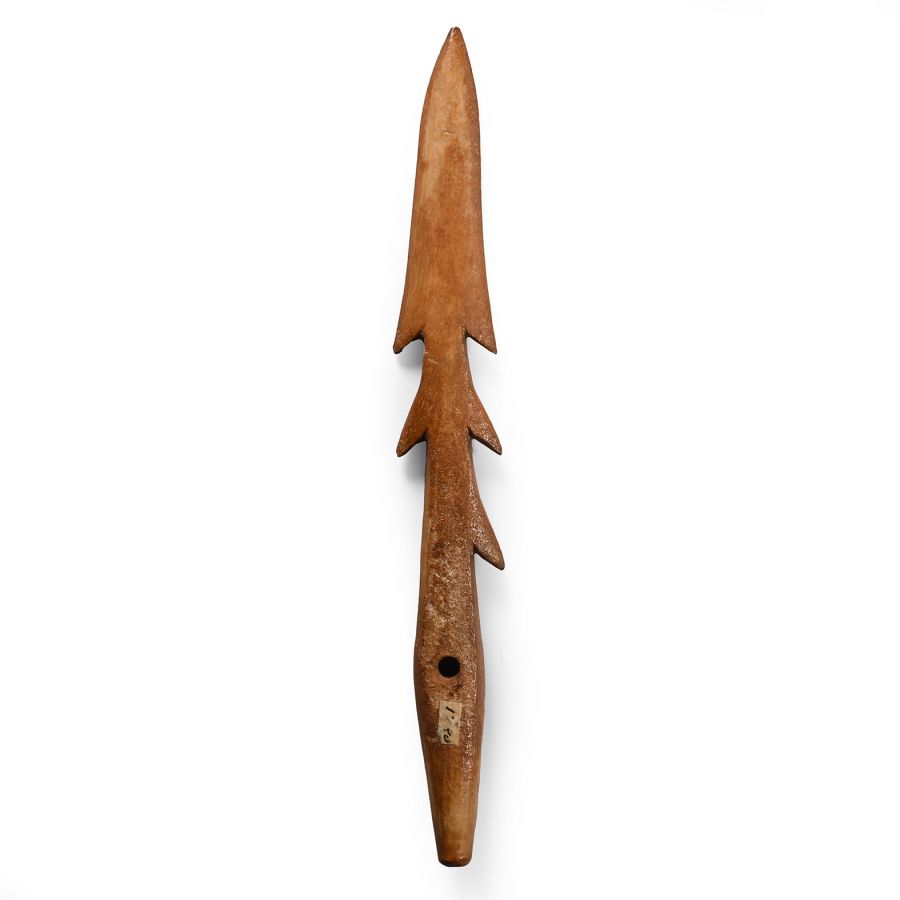
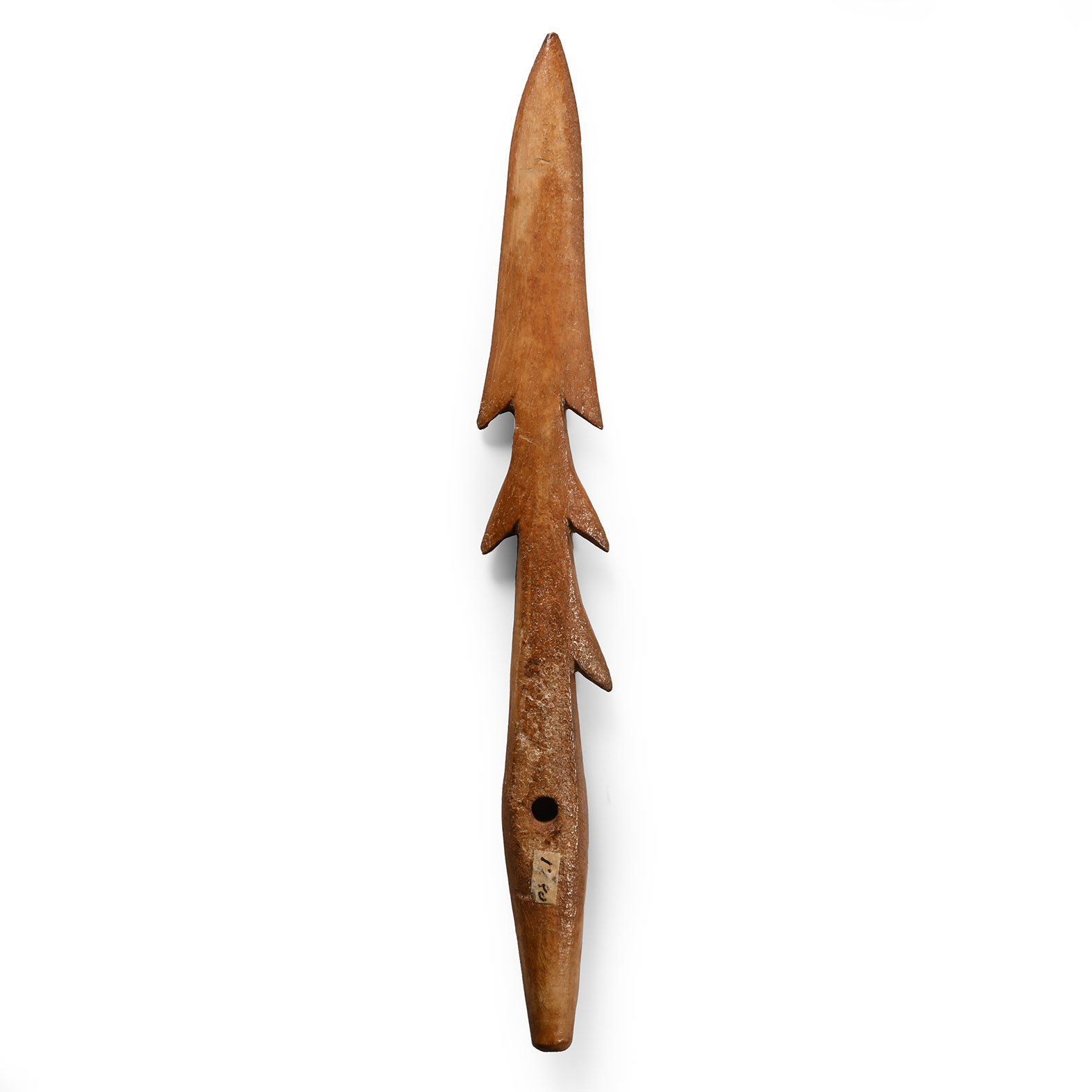
Inuit Bone Harpoon Point
CIRCA 18TH-19TH CENTURY A.D.
6 3/4 in. (24 grams, 17 cm).
With barbed head, lentoid-section shank, lateral spurs, tapered rear; remains of a very old label with legend '1[8]80'. [No Reserve]
ProvenanceFrom the private collection of Kenneth Machin (1936-2020), Buckinghamshire, UK; his collection of antiquities and natural history was formed since 1948; thence by descent.
CONDITIONTimeLine Auctions follows a vetting process to ensure the authenticity and legality of all items, reinforcing our commitment to integrity and responsible trading. Each antiquity, antique, and coin lot undergoes thorough examination by a vetting committee of at least ten external specialists, professional trade association members, scientists, and archaeologists: Our Vetting Process
AUCTIONS:
TimeLine is a leading auction house specialising in antiquities, ancient art, collectables, natural history, coins, medals, and books. Our auctions offer museums, collectors, historians, and enthusiasts the opportunity to acquire unique and historically significant pieces.
-
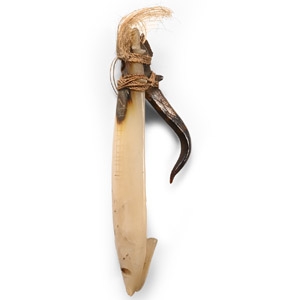
Solomon Islands Trawling Lure
Circa 19th century A.D.Sold for (Inc. bp): £780
An Oceanic fish lure comprising a polished shell body and a carved hook attached to the reverse with twine. 12.9 grams, 81 mm
From the private collection of Kenneth Machin (1936-2020), Buckinghamshire, UK; his collection of antiquities and natural history was formed since 1948; thence by descent.
Such lures were not used with bait but were dragged behind a fast-moving canoe to attract the prey with the abalone shell glinting in the sun to emulate the scales of a fish in order to attract larger fish. -
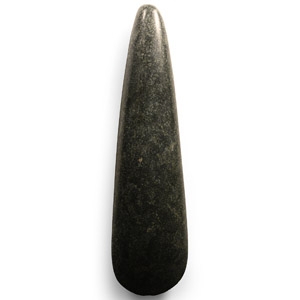
Large Stone Age Papuan Mottled Green Polished Axehead
19th-20th century A.D.Sold for (Inc. bp): £338
With narrow rounded butt and broad curved cutting edge. 1.28 kg, 28.5 cm
From a collection acquired on the UK art market from various auction houses and collections mostly before 2000. From an important Cambridgeshire estate; thence by descent. -
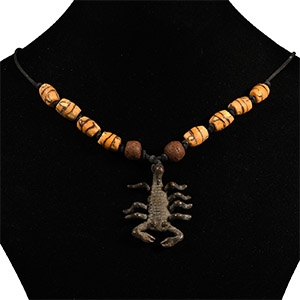
Papuan Scorpion Necklace
20th century A.D.Sold for (Inc. bp): £46
With barrel-shaped glass beads, centrepiece a bronze mode scorpion. 70 grams, 60 cm long
From a collection acquired on the UK art market from various auction houses and collections mostly before 2000. From an important Cambridgeshire estate; thence by descent.
