
Loading, please wait...
LOT 2386
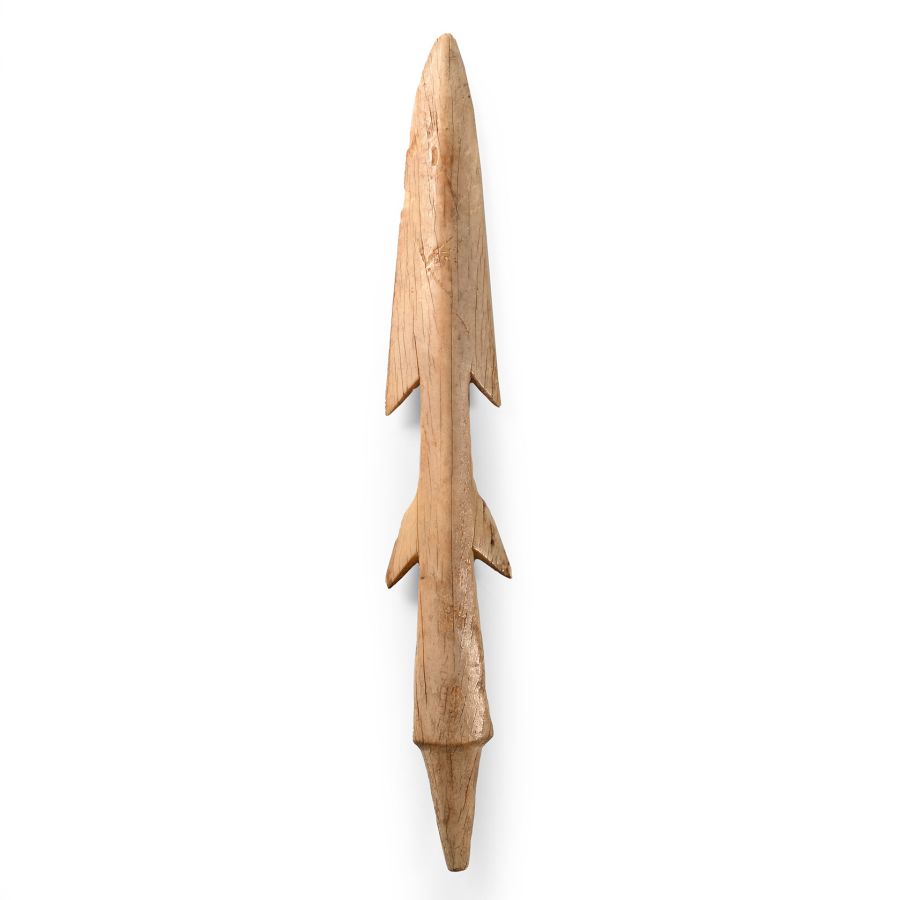
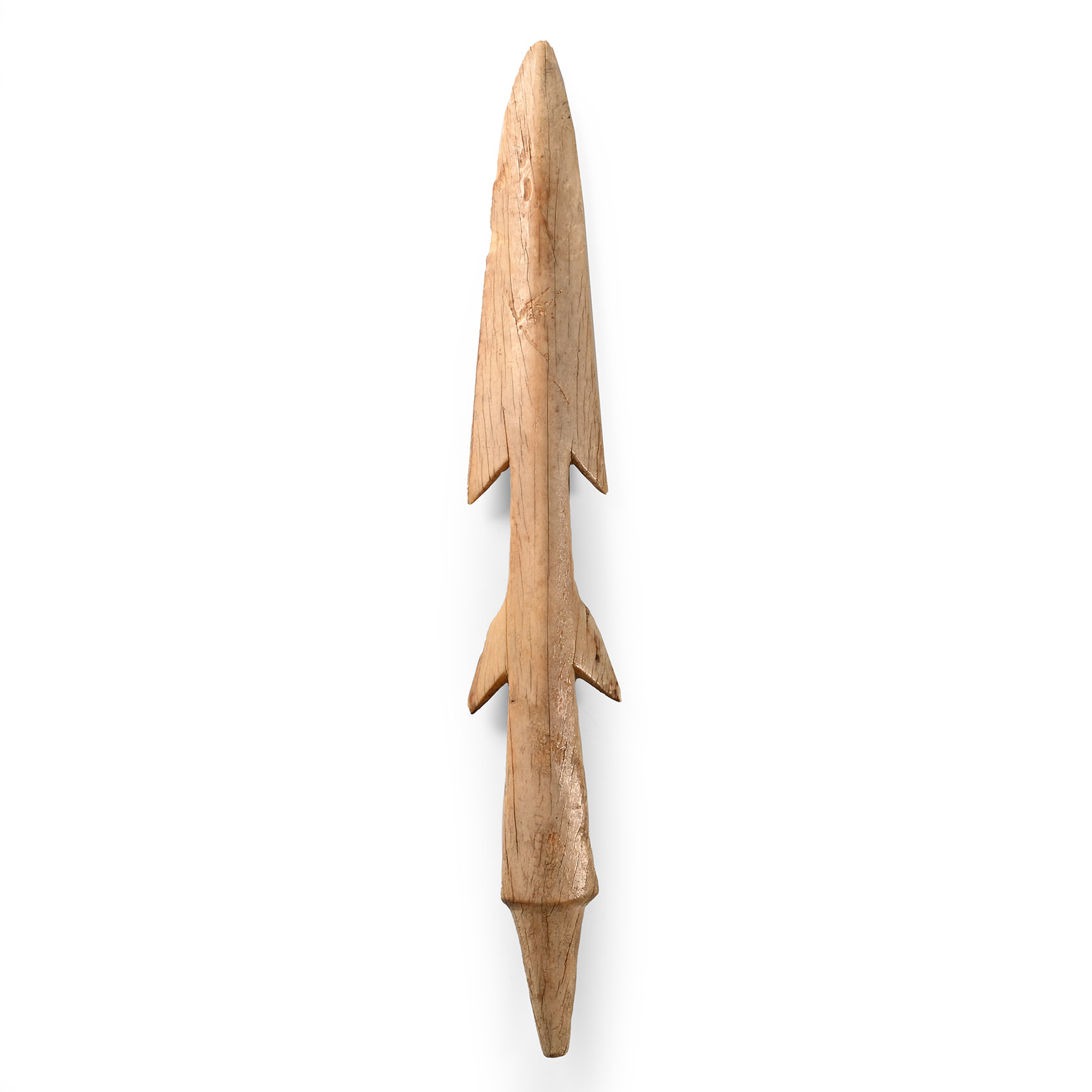
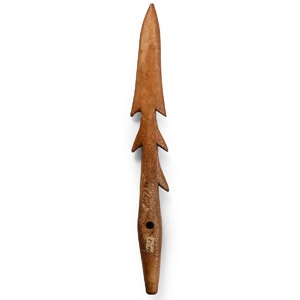
Inuit Bone Harpoon Point
CIRCA 18TH-19TH CENTURY A.D.
5 1/4 in. (15.4 grams, 13.3 cm).
With barbed head, hexagonal-section shank, lateral spurs, tapered tang. [No Reserve]
ProvenanceFrom the private collection of Kenneth Machin (1936-2020), Buckinghamshire, UK; his collection of antiquities and natural history was formed since 1948; thence by descent.
CONDITIONTimeLine Auctions follows a vetting process to ensure the authenticity and legality of all items, reinforcing our commitment to integrity and responsible trading. Each antiquity, antique, and coin lot undergoes thorough examination by a vetting committee of at least ten external specialists, professional trade association members, scientists, and archaeologists: Our Vetting Process
AUCTIONS:
TimeLine is a leading auction house specialising in antiquities, ancient art, collectables, natural history, coins, medals, and books. Our auctions offer museums, collectors, historians, and enthusiasts the opportunity to acquire unique and historically significant pieces.
-
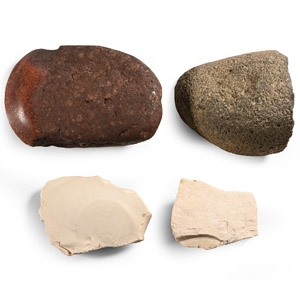
Aboriginal Stone Artefact Group
Australia, 20th century A.D.Sold for (Inc. bp): £26
Comprising: two white silicified claystone scrapers from Andamooka, S. Australia; a diorite chopper from Parramatta River, Sydney, S.W. Australia; a part-polished axehead from Brewarrina, N.S.W., Australia. 520 grams total, 54-92 mm
From New South Wales, Australia. From the private collection of Kenneth Machin (1936-2020), Buckinghamshire, UK; with collection no.15, 21, 30, 31; his collection of antiquities and natural history was formed since 1948; thence by descent. -
.jpg)
Shipwreck African Slave Trade Manilla Currency Bracelet Pair
19th century A.D.Sold for (Inc. bp): £91
Group of two penannular round-section bracelets with clubbed ends. 150 grams total, 59-63 mm
From the shipwrecked English Schooner 'Douro' sunk off the Isles of Scilly in 1843. Ian Wilkinson collection, Nottinghamshire, UK, formed since 1985. Each accompanied by a copy of a certificate of authenticity from the Isles of Scilly Underwater Centre. -
Inuit Bone Harpoon Point
Circa 18th-19th century A.D.Sold for (Inc. bp): £494
With barbed head, lentoid-section shank, lateral spurs, tapered rear; remains of a very old label with legend '1[8]80'. 24 grams, 17 cm
From the private collection of Kenneth Machin (1936-2020), Buckinghamshire, UK; his collection of antiquities and natural history was formed since 1948; thence by descent.
