
Loading, please wait...


LOT 2998
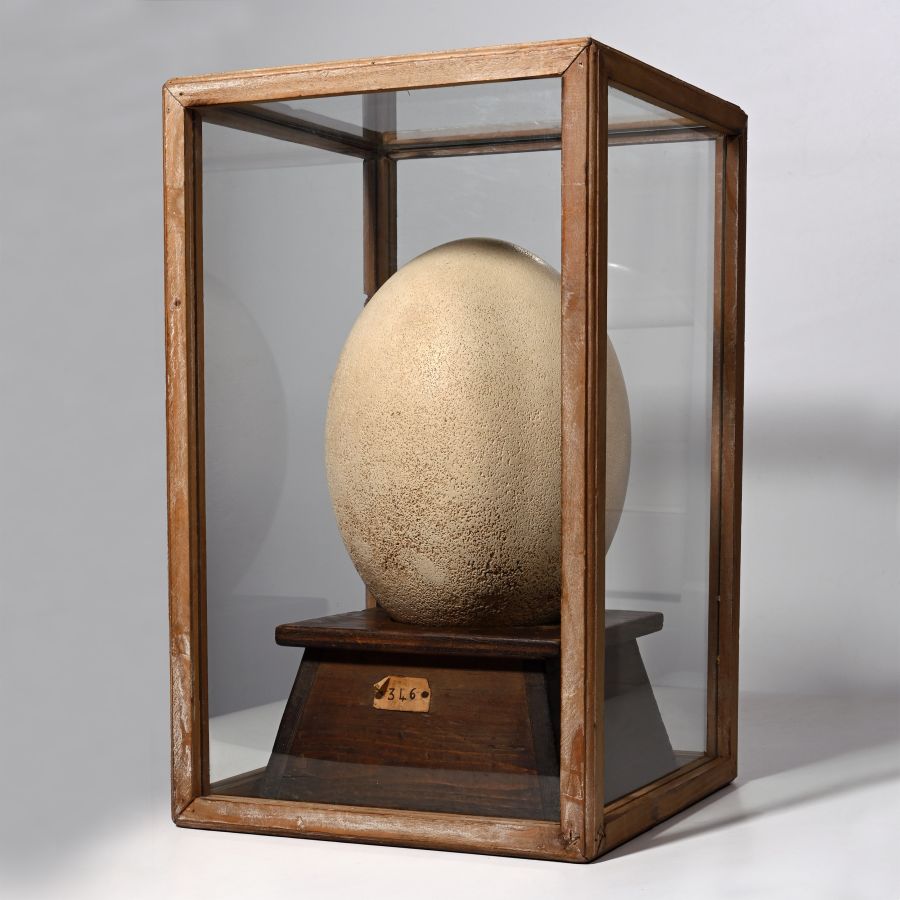
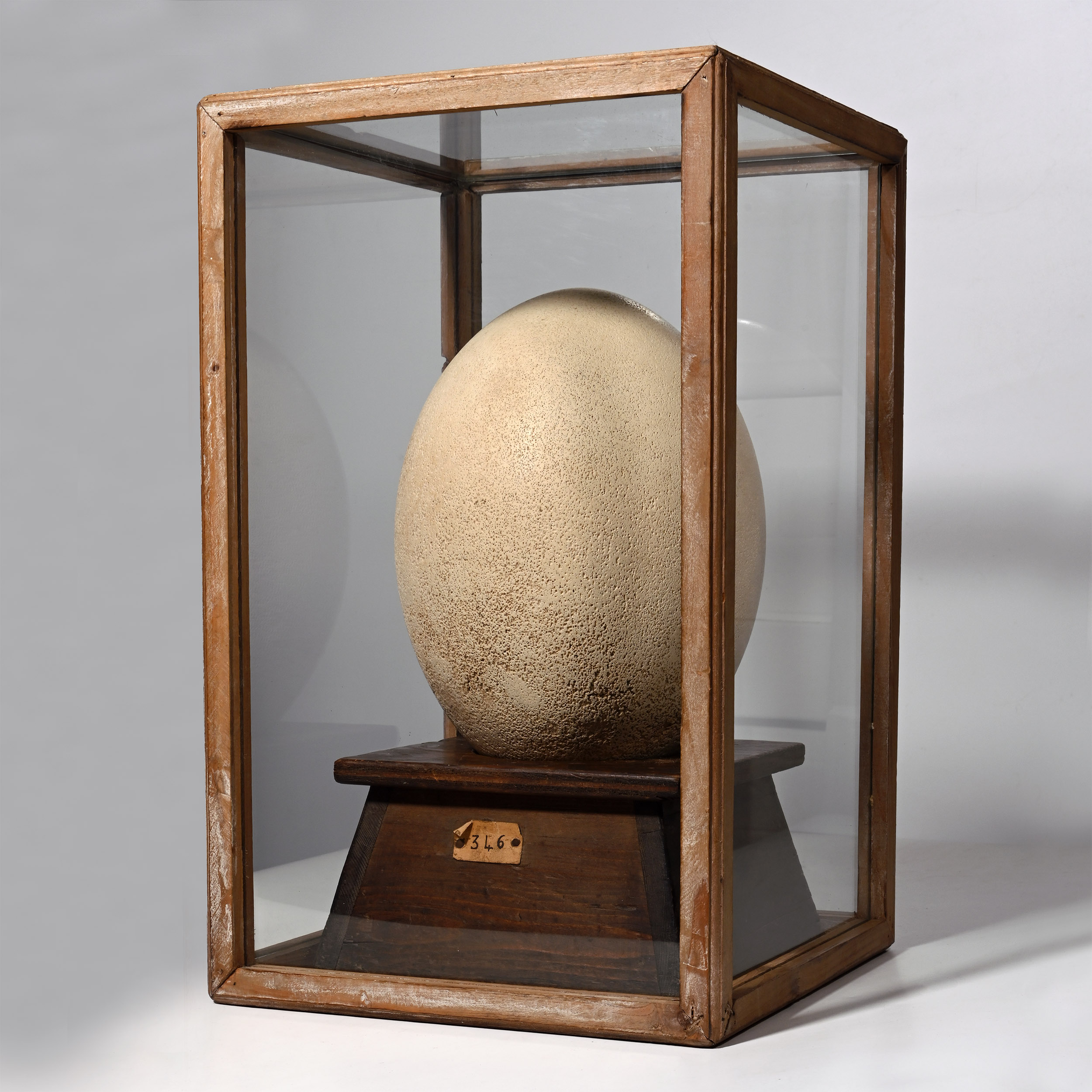
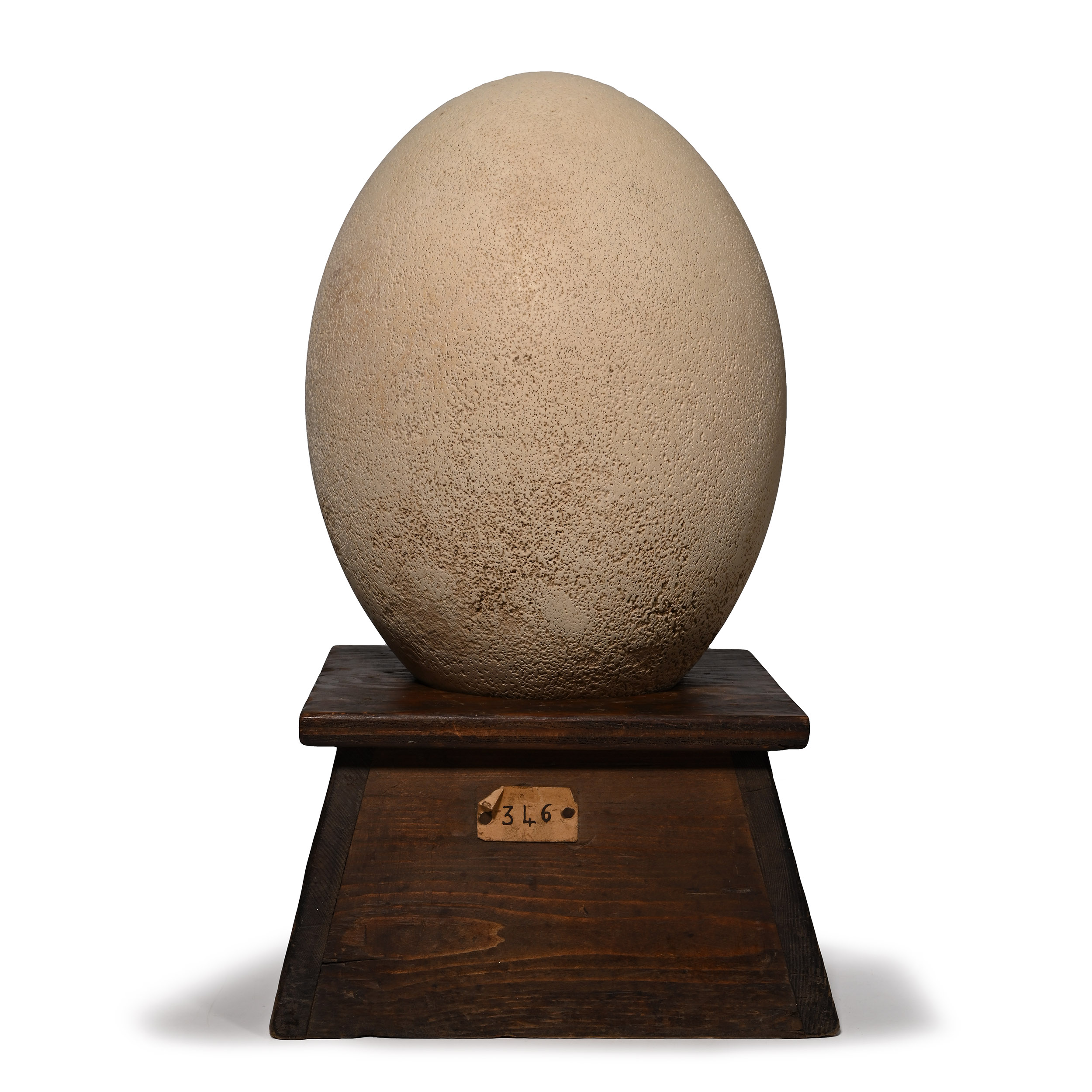
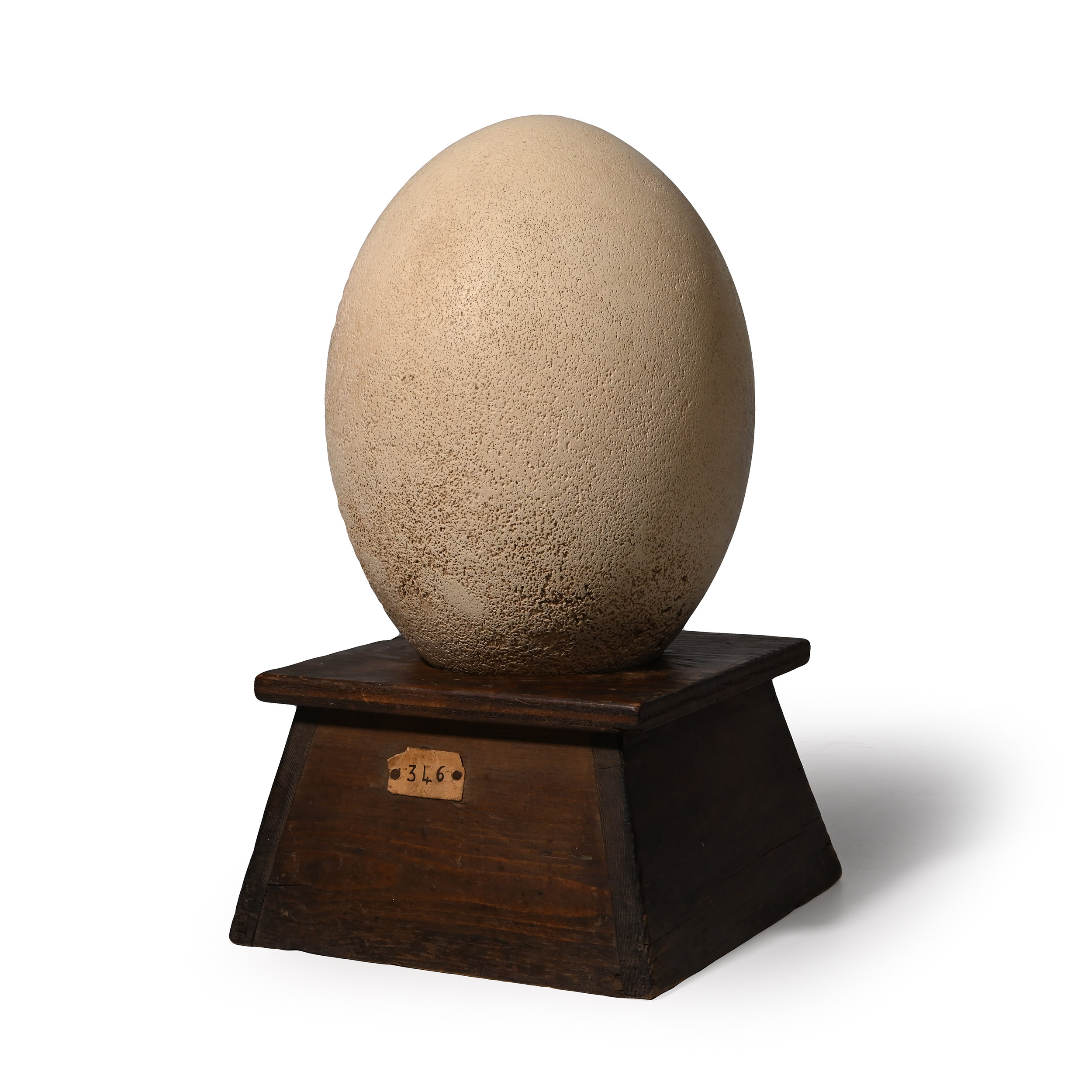
Intact Egg of the Aepyornis Maximus 'Elephant Bird'
19 1/4 in. (11 3/4 in.) (6.3 kg total, 49.5 cm high including stand, egg: 30 cm).
A remarkable specimen of a fine, large, sub-fossilised egg of the Aepyornis maximus, popularly known as the 'giant elephant bird', featuring a beautifully mineralised surface, with an area where the hatchling exited, expertly reattached, leaving little visible trace.
ProvenancePrivate collection of Professor Raniero Gnoli, located in Castel Giuliano, Bracciano, in the Province of Rome.
According to Professor Gnoli, the egg was acquired by a relative in a Parisian gallery approximately a century ago.
The Aepyornis maximus was one of the largest birds to ever exist, a flightless giant reaching nearly 10 feet in height and native to the island of Madagascar. Extinct by the 17th century, this extraordinary bird has captivated human imagination for centuries and inspired numerous myths and literary works. The eggs surpass the size of any known dinosaur egg and could accommodate the volume of seven ostrich eggs, approximately 160 chicken eggs, or an astonishing 12,000 hummingbird eggs. These eggs, once common on the island, are now among the few physical remnants of this magnificent species.
While the precise cause of the elephant bird’s extinction is unknown, evidence strongly points to human activity, including hunting and habitat destruction. As the bird vanished from Madagascar’s landscapes, its myth grew, merging with folklore to leave an enduring legacy that connects history with imagination. This intact egg stands as a rare and tangible link to a bygone era, offering a profound sense of wonder for a species that once roamed the earth as the largest bird in recorded history.
TimeLine Auctions follows a vetting process to ensure the authenticity and legality of all items, reinforcing our commitment to integrity and responsible trading. Each antiquity, antique, and coin lot undergoes thorough examination by a vetting committee of at least ten external specialists, professional trade association members, scientists, and archaeologists: Our Vetting Process
AUCTIONS:
TimeLine is a leading auction house specialising in antiquities, ancient art, collectables, natural history, coins, medals, and books. Our auctions offer museums, collectors, historians, and enthusiasts the opportunity to acquire unique and historically significant pieces.
LOT 2998
Intact Egg of the Aepyornis Maximus 'Elephant Bird'
Estimate £40,000 - 60,000€46,400 - 69,600 (for guidance only)$54,000 - 81,000 (for guidance only)
Opening Bid
£22,222 (EUR 25,778; USD 30,000) +BP*
-
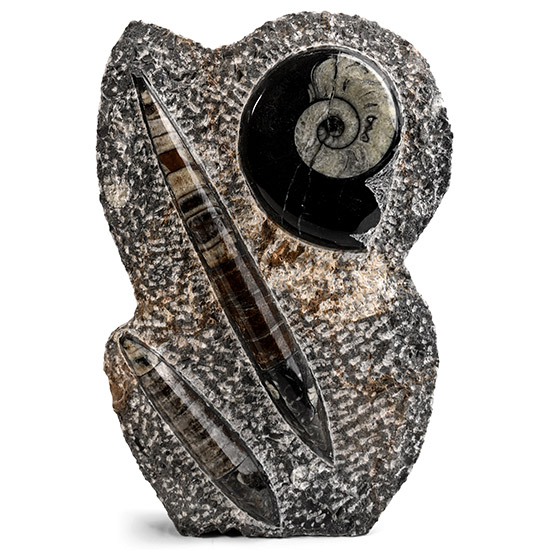
Fossil Goniatite and Orthoceras Display
Upper Devonian Period, circa 385-359 million years B.P.Estimate: £50 - 70 (+bp*)
Opening Bid: £5
A freestanding textured matrix set with a Goniatite and two Orthoceras. 1.9 kg, 26 cm
Ex Cambridgeshire, UK, collection. -
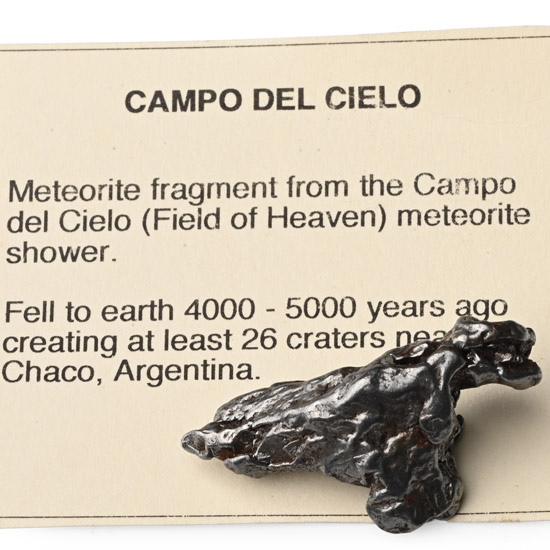
Campo Del Cielo Meteorite Fragment
Fell 6000-5000 years B.P.Estimate: £50 - 70 (+bp*)
Opening Bid: £5
A nickel-iron meteorite (IAB). 9.21 grams, 31 mm
Ex Cambridgeshire, UK, collection.
A crater field of roughly 26 craters was found in the vicinity of this crater, which is estimated to date to 4-5 thousand years BP. The age of the meteorite itself is thought to be c.4.5 billion years, formed as part of the development of this solar system. The largest two fragments, the 30.8-ton Gancedo and 28.8-ton El Chaco, are among the heaviest meteorite masses ever recovered on Earth. In 1576, the governor of a province in Northern Argentina commissioned the military to search for a large mass of iron, which it was believed the local people claimed had fallen from the sky and which they used for their weapon production. The expedition discovered a large mass of metal, which was assumed to be an iron mine, and brought back a few samples, which were described as being of unusual purity. Following the legends, in 1774, Don Bartolomé Francisco de Maguna rediscovered the iron mass. He himself did not believe that the stone had fallen from the sky and assumed that it had formed by a volcanic eruption. However, he sent the samples to the Royal Society of London. In 1990, it became protected by law. -
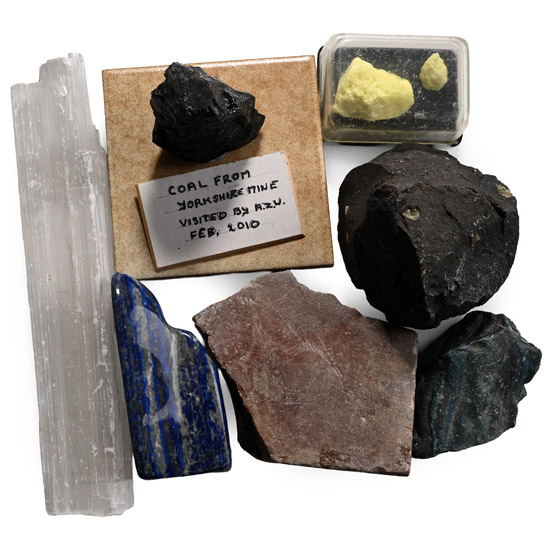
Mixed Mineral Specimen Collection
Estimate: £20 - 30 (+bp*)
Opening Bid: £5
Comprising: yellow sulphur, coal from Yorkshire Mine, selenite, polished lapis lazuli specimen, and others. 697 grams total, 1.1-16 cm
Acquired on the UK fossil and mineral market. Property of a West Sussex, UK, gentleman.
