
Loading, please wait...
LOT 2005
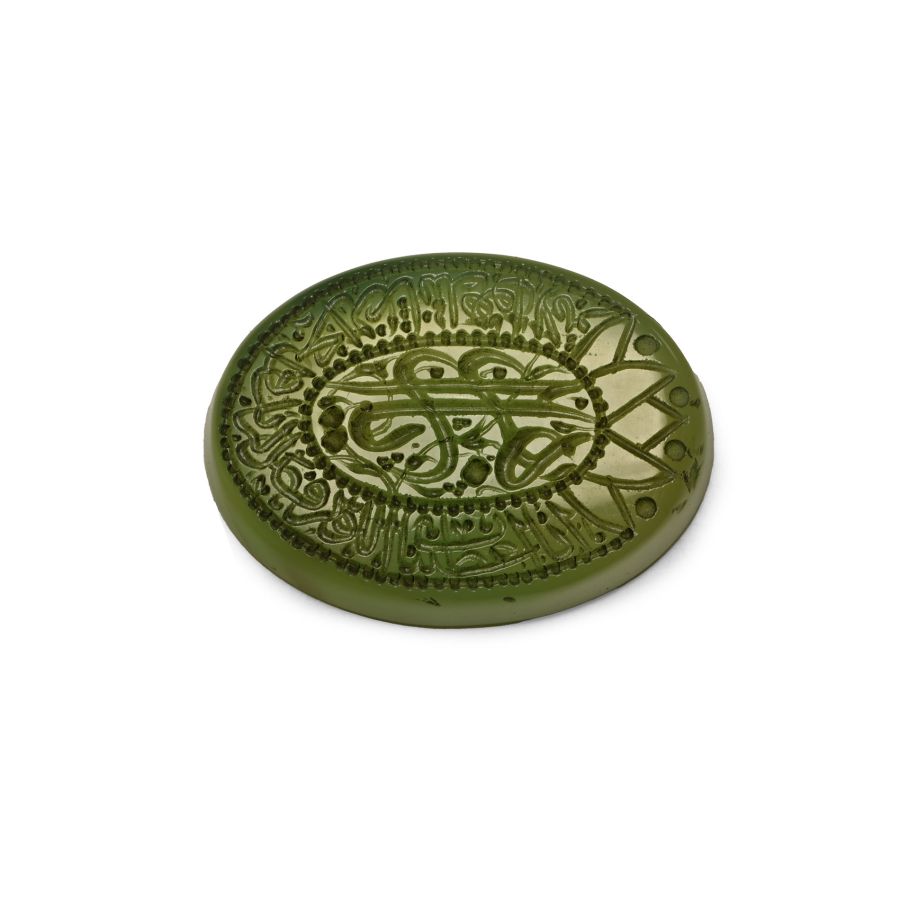
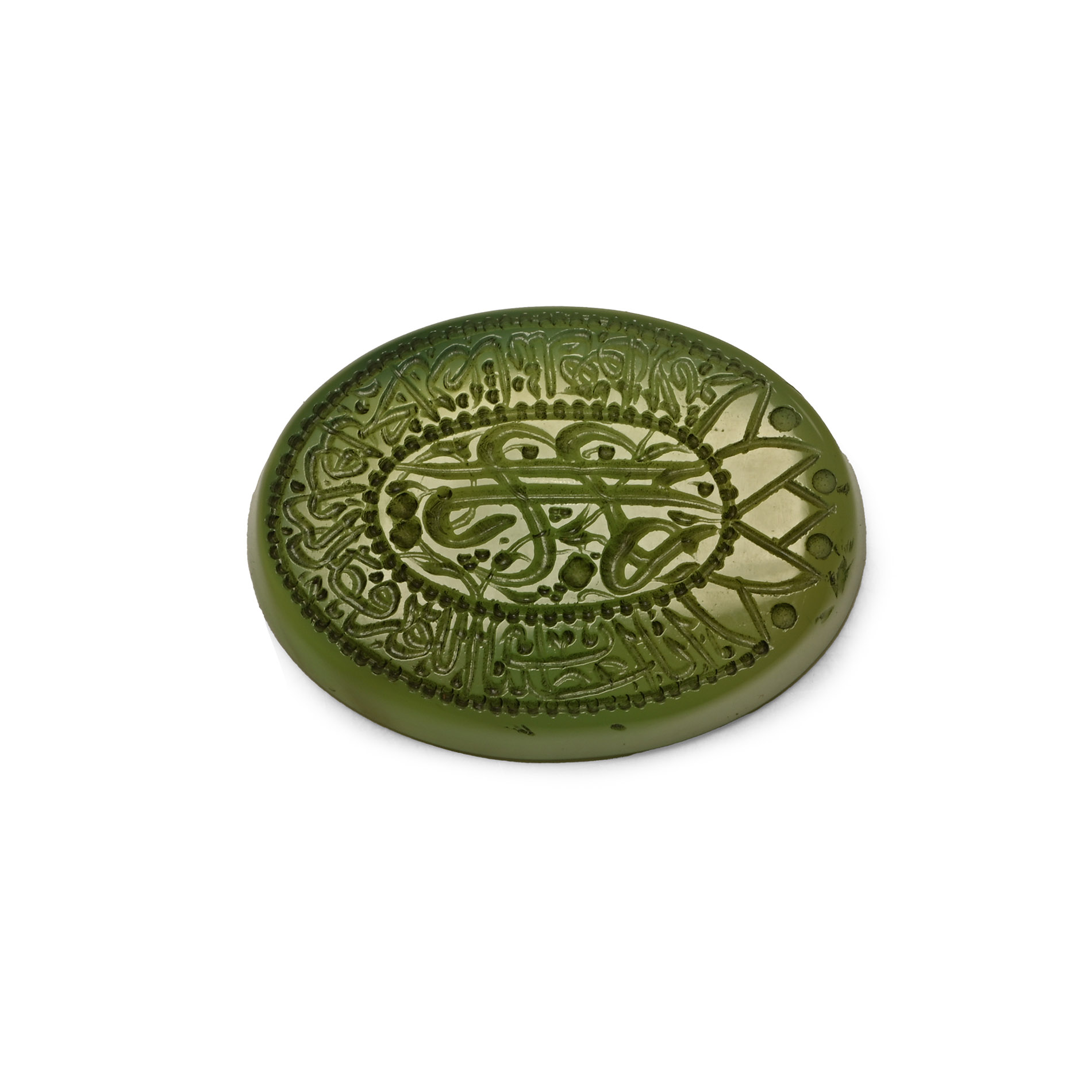
Inscribed Gemstone
MID 20TH CENTURY A.D.
1 in. (5.5 grams, 26 mm).
Ellipsoid in plan with central nastaliq inscription surrounded by a broad border with calligraphic text and petals above. [No Reserve]
Provenancewith a London, UK gallery, 1971-early 2000s.
CONDITIONTimeLine Auctions follows a vetting process to ensure the authenticity and legality of all items, reinforcing our commitment to integrity and responsible trading. Each antiquity, antique, and coin lot undergoes thorough examination by a vetting committee of at least ten external specialists, professional trade association members, scientists, and archaeologists: Our Vetting Process
AUCTIONS:
TimeLine is a leading auction house specialising in antiquities, ancient art, collectables, natural history, coins, medals, and books. Our auctions offer museums, collectors, historians, and enthusiasts the opportunity to acquire unique and historically significant pieces.
-
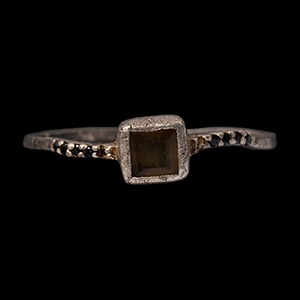
Post Medieval Silver Ring with Settings
18th-19th century A.D.Sold for (Inc. bp): £46
Slender hoop with four inset gemstone chips to each shoulder, square bezel with void to underside of cell and inset gemstone (citrine?). 1.28 grams, 22.65 mm overall, 18.34 mm internal diameter (approximate size British O 1/2, USA 7 1/4, Europe 15.61, Japan 15)
Acquired on the London art market in the late 1980s-1990s. From the family collection of an East London, UK, gentleman. -
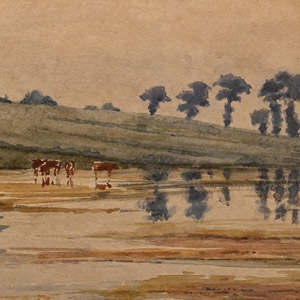
Watercolour of Landscape with Cows in Marshland
19th century A.D.Sold for (Inc. bp): £20
Pastoral scene in watercolour with pasture and water meadows; unsigned; removed from frame. 8 grams, 24 x 17.7 cm
Private collection, London, UK. -
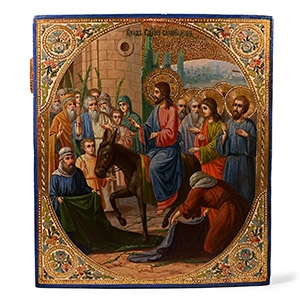
Russian Wooden Icon of Entry into Jerusalem
Russia, 19th century A.D.Sold for (Inc. bp): £1,170
Painted on a wooden board with mounting slots and panels to the reverse, gessoed surface with painting of Christ entering Jerusalem on Palm Sunday riding a donkey; crowd within the city wall waiting with palm fronds, two figures laying down cloaks for the donkey to walk on; followers of Christ in gateway, each with golden nimbus; Christ with similar and letters 'ω', 'C' reversed and 'Н'; Cyrillic script title above reciting: 'Entrance of the Lord in Jerusalem'; bands of gilt ornament to the borders and corners. 1.7 kg, 31 x 36 cm
Ed Jackson Auctions USA. From an important collection of icons.
The scene, painted in the style of 19th century romantic painters, represents a well-known part of the Gospels that describe the entry of Jesus into Jerusalem. He makes a grand entrance into the city on a donkey to fulfil the prophesy of Zechariah, “Tell the city of Zion, look, your king is coming to you! He is humble and rides on a donkey and on a colt, the foal of a donkey.” Christ is followed by his disciples and in the background citizens wave palm branches.
