
Loading, please wait...
LOT 2650
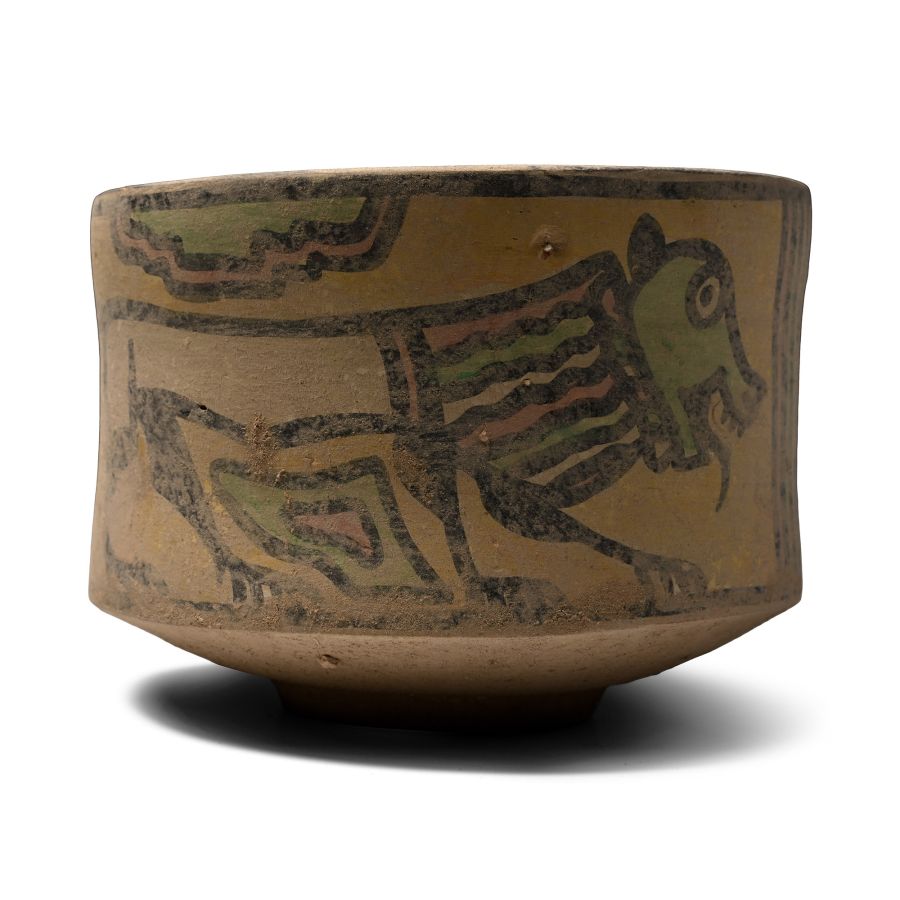
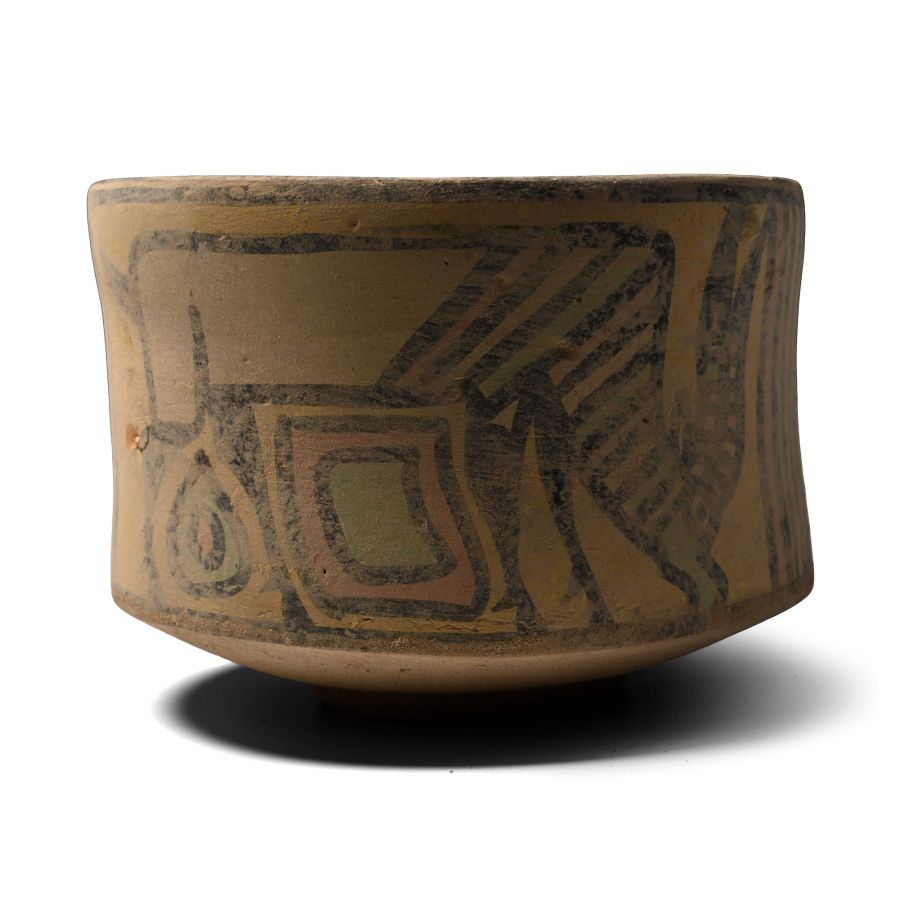
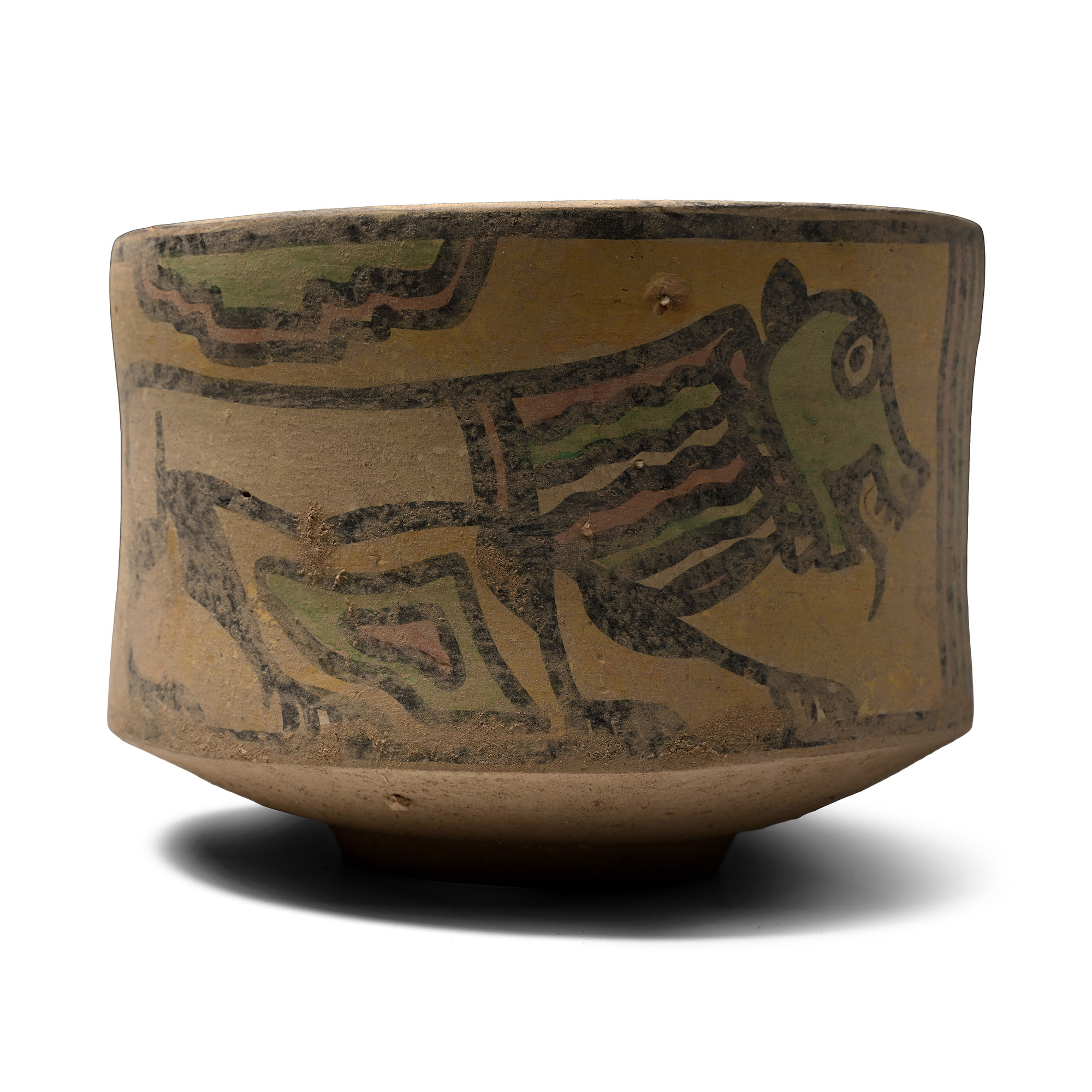
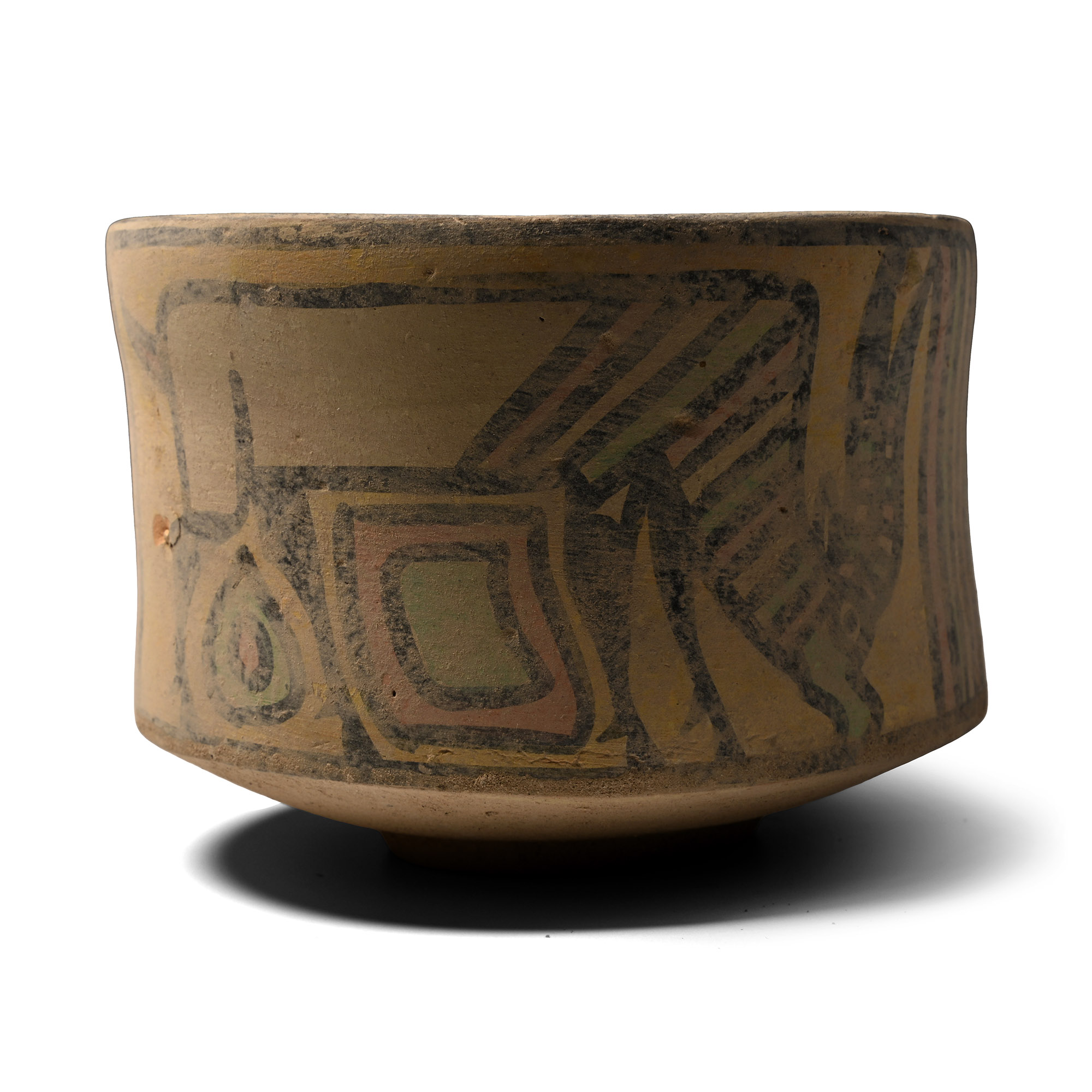
Indus Valley Terracotta Vessel with Animals
3RD-2ND MILLENNIUM B.C.
4 5/8 in. (270 grams, 11.7 cm wide).
Drum-shaped in profile with basal ring, band of geometric painted cells and zoomorphs. [No Reserve]
ProvenanceFrom the private collection of the late David Gold, 1990s.
David Gold was one of the co founders of the Iconic Lord John brand in Carnaby Street that sparked a style revolution in the swinging sixties dressing The Rolling Stones, The Beatles and The Kinks and were at the heart of 'all things cool'.
See Satyawadi, S., Proto-Historic Pottery of Indus Valley Civilisation: Study of Painted Motifs, Perspectives in Indian Art and Archaeology, vol.2, New Delhi, 1994.
CONDITIONTimeLine Auctions follows a vetting process to ensure the authenticity and legality of all items, reinforcing our commitment to integrity and responsible trading. Each antiquity, antique, and coin lot undergoes thorough examination by a vetting committee of at least ten external specialists, professional trade association members, scientists, and archaeologists: Our Vetting Process
AUCTIONS:
TimeLine is a leading auction house specialising in antiquities, ancient art, collectables, natural history, coins, medals, and books. Our auctions offer museums, collectors, historians, and enthusiasts the opportunity to acquire unique and historically significant pieces.
-
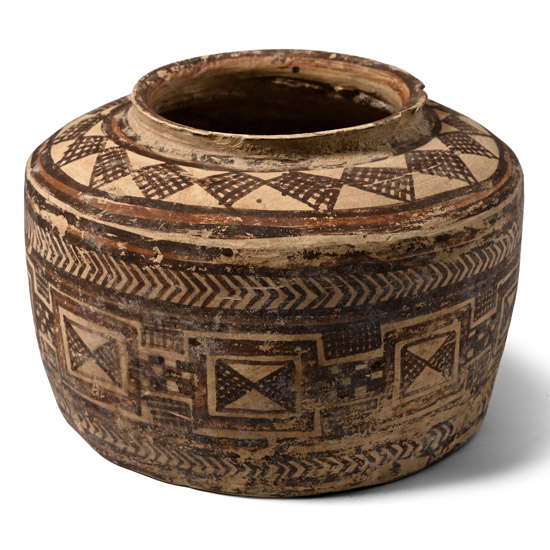
Indus Valley Decorated Terracotta Jar
3rd-2nd millennium B.C.Estimate: £500 - 700 (+bp*)
Opening Bid: £250
Drum-shaped in profile with broad shoulder and mouth, flared rim; concentric painted bands to the shoulder and sidewall, with hatched and geometric detailing. 324 grams, 11.8 cm wide
Ex London, UK, gallery, 1971-early 2000s. London, UK, collection. -
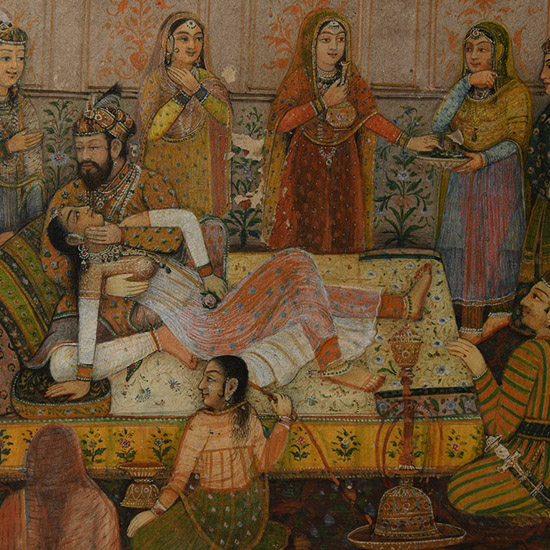
Framed Indian Watercolour Painting with Harem Scene
20th century A.D.Sold for (Inc. bp): £169
A watercolour painting of a group of revellers surrounding a divan with a richly-dressed couple reclining; handwritten note to the reverse reading: 'The picture shows a drinking party in a harem. The central figure has some likeness to the Emperor Shah Jehan and the male figures are in dress of his period. However the picture is obviously much later. It is of the Opihi school of about 1840-1900 and is the dying fall of the Moghul Style. Michael Archer, V&A, 25 July 1971'. 832 grams, 37.5 x 28.5 cm
Very fine condition.
Acquired on the UK art market, 1980s-1990s. The Woodbridge collection of Indo-Persian art. -
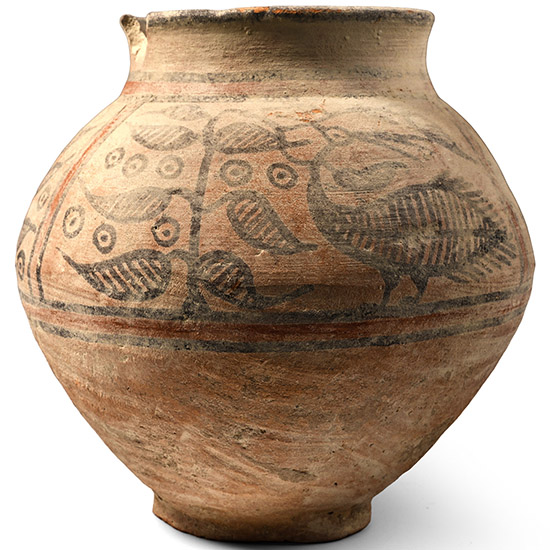
Indus Valley Terracotta Vessel with Birds
3rd-2nd millennium B.C.Sold for (Inc. bp): £59
Biconvex with flared mouth, painted bands of birds and peepal leaf ornament to the shoulder, rim chipped. 580 grams, 14.5 cm
From the private collection of the late David Gold, 1990s. David Gold was one of the co founders of the Iconic Lord John brand in Carnaby Street that sparked a style revolution in the swinging sixties dressing The Rolling Stones, The Beatles and The Kinks and were at the heart of 'all things cool'.
