
Loading, please wait...
LOT 2273
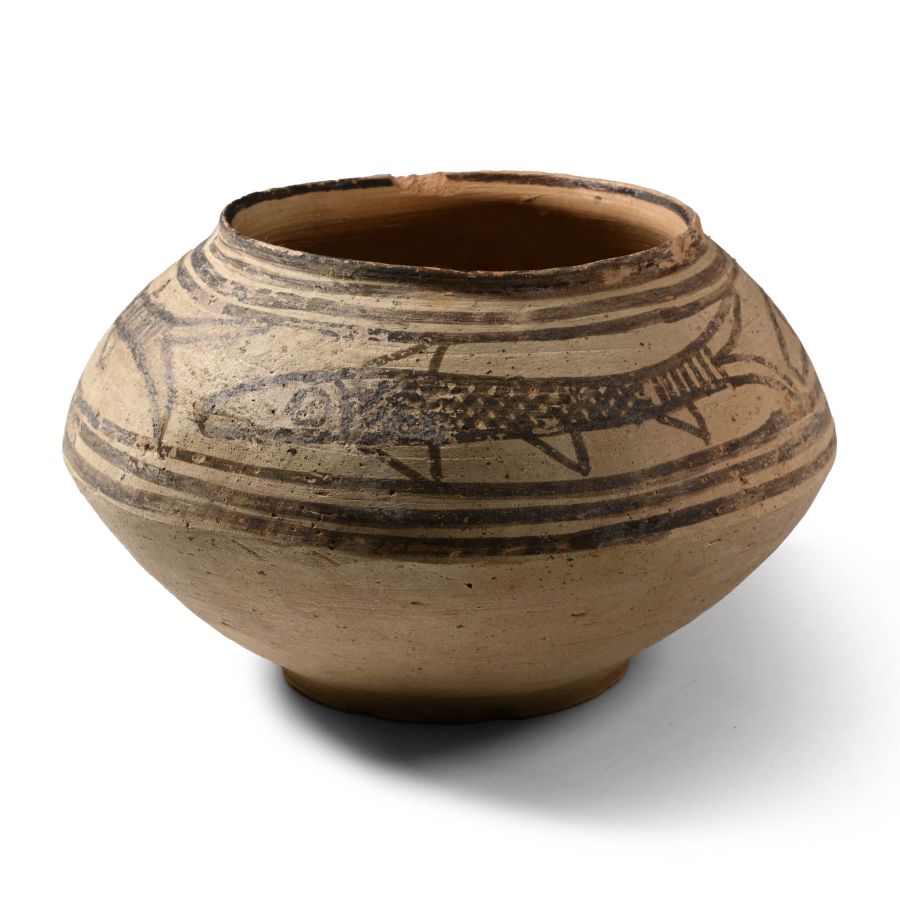
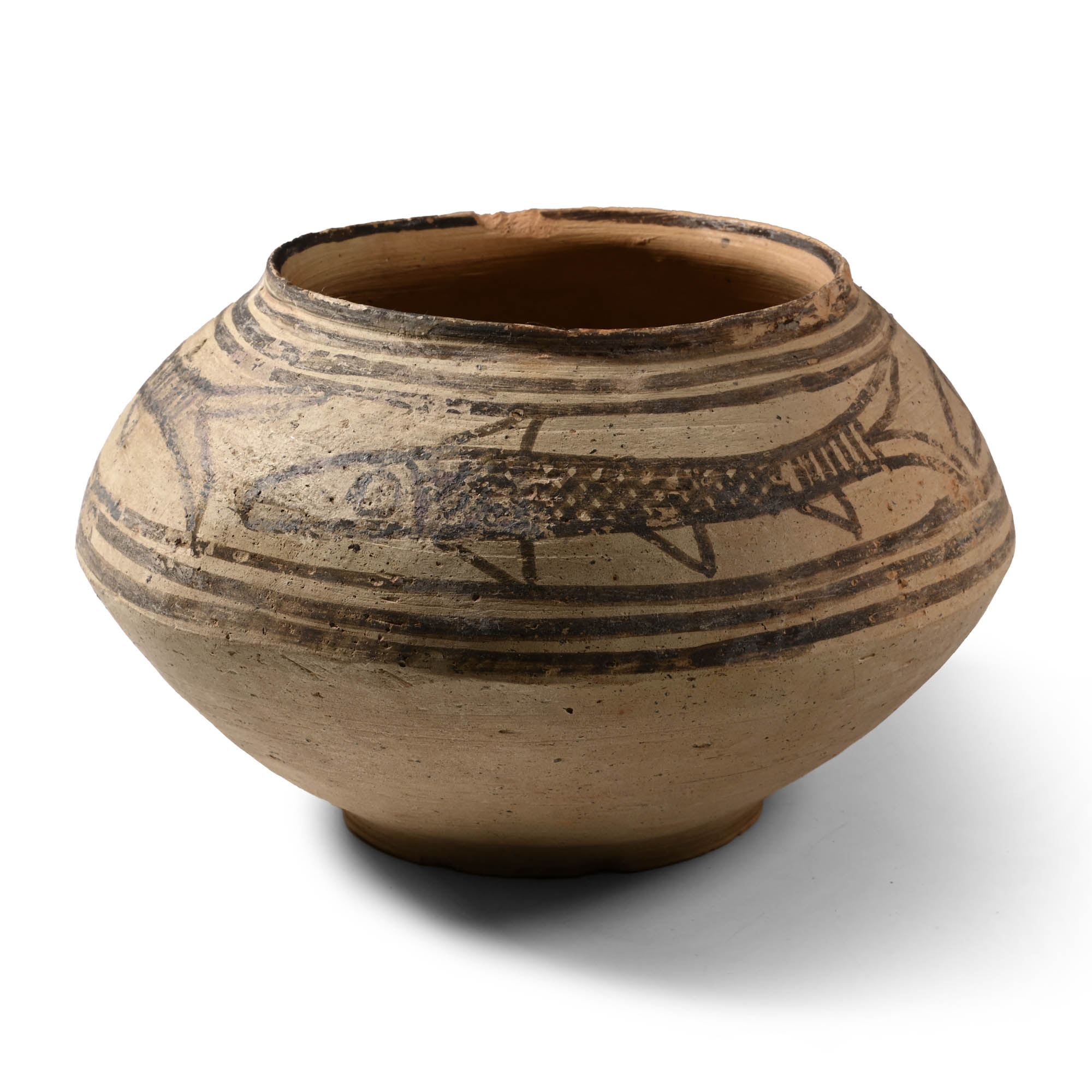
Indus Valley Terracotta Bowl with Fish
3RD MILLENNIUM B.C.
6 1/2 in. (500 grams, 16.5 cm).
Biconvex in profile with low rim to the mouth; painted circumferential bands to the shoulder with frieze of fishes.
ProvenanceEx London, UK, gallery, 1971-early 2000s.
London, UK, collection.
TimeLine Auctions follows a vetting process to ensure the authenticity and legality of all items, reinforcing our commitment to integrity and responsible trading. Each antiquity, antique, and coin lot undergoes thorough examination by a vetting committee of at least ten external specialists, professional trade association members, scientists, and archaeologists: Our Vetting Process
AUCTIONS:
TimeLine is a leading auction house specialising in antiquities, ancient art, collectables, natural history, coins, medals, and books. Our auctions offer museums, collectors, historians, and enthusiasts the opportunity to acquire unique and historically significant pieces.
-
.jpg)
Indian Benares Brass Embossed Vessel
Circa 1890 A.D.Sold for (Inc. bp): £26
Funicular in profile with thick base, horizontal bands of punched fronds, hatched bands, pointillé leaves and other motifs; white metal rings to mouth and base. 489 grams, 17.5 cm
Acquired from the UK art market. Private Scottish collection. -
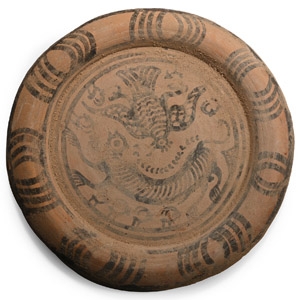
Indus Valley Terracotta Vessel
3rd-2nd millennium B.C.Sold for (Inc. bp): £91
Circular plate or lid with stepped underside, convex border with hatched bands, tondo with bird and lion motif. 566 grams, 20.5 cm
From the private collection of the late David Gold, 1990s. -
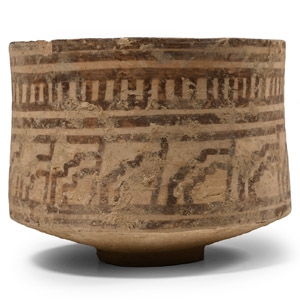
Indus Valley Painted Terracotta Bowl
3rd-2nd millennium B.C.Sold for (Inc. bp): £117
Drum-shaped in profile with painted inner rim, painted geometric panels to sidewall. 97 grams, 82 mm
Ex M. Schoyen collection, 2000s.
