
Loading, please wait...
LOT 2044
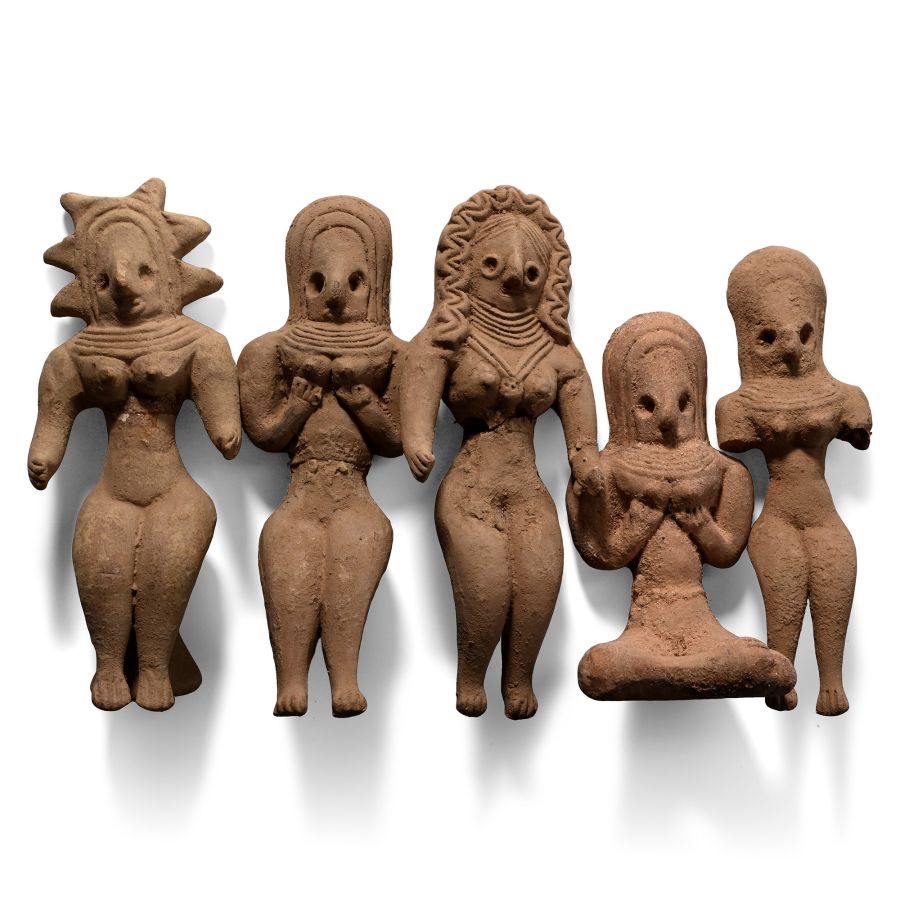
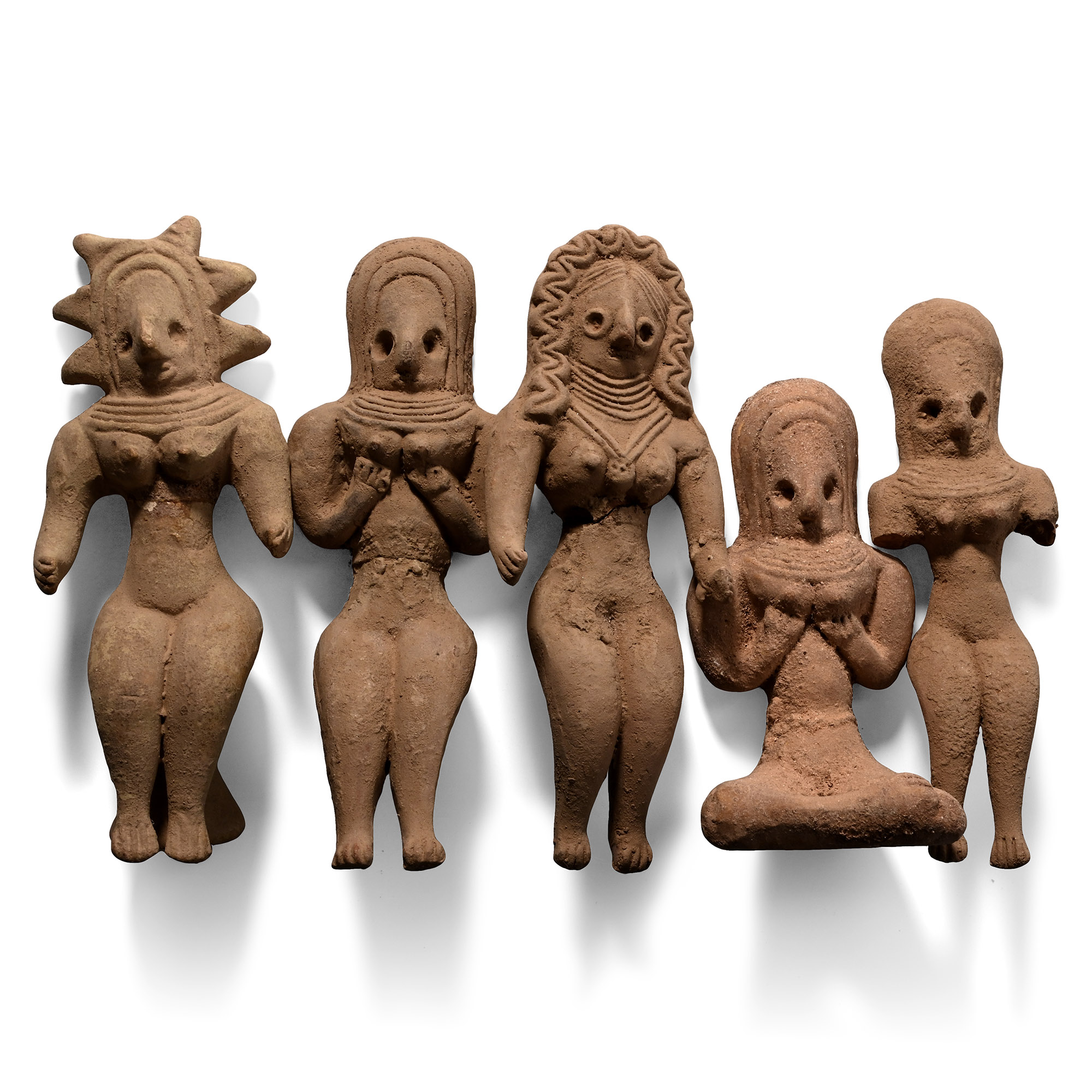
Indus Valley Style Terracotta Idol Group
20TH CENTURY A.D.
3 3/8 - 4 1/4 in. (287 grams, 8.5-11 cm).
Mixed group of figures with anatomical details. [5, No Reserve]
ProvenanceFrom the private collection of John Meredith, acquired since the 1990s; thence by descent.
CONDITIONTimeLine Auctions follows a vetting process to ensure the authenticity and legality of all items, reinforcing our commitment to integrity and responsible trading. Each antiquity, antique, and coin lot undergoes thorough examination by a vetting committee of at least ten external specialists, professional trade association members, scientists, and archaeologists: Our Vetting Process
AUCTIONS:
TimeLine is a leading auction house specialising in antiquities, ancient art, collectables, natural history, coins, medals, and books. Our auctions offer museums, collectors, historians, and enthusiasts the opportunity to acquire unique and historically significant pieces.
-
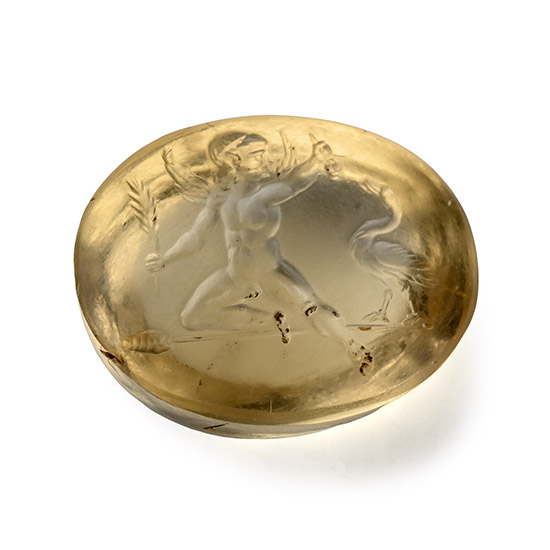
Neoclassical Citrine Gemstone with Putto and Goose
18th-19th century A.D.Sold for (Inc. bp): £1,430
Plano-convex type with incuse scene of a putto kneeling on an arrow with one leg extended over it, holding the flight-feather of a bird in one hand and encouraging a goose to feed from the other hand; with traces of copper tooling; supplied with a museum-quality impression. 1.32 grams, 12 mm
Private English collection, formed between the late 1970s and early 1990s. Private collection, London, UK.
Perhaps the putto is encouraging the goose to approach him so that he can pluck its flight-feathers for use on the shafts of his arrows. -
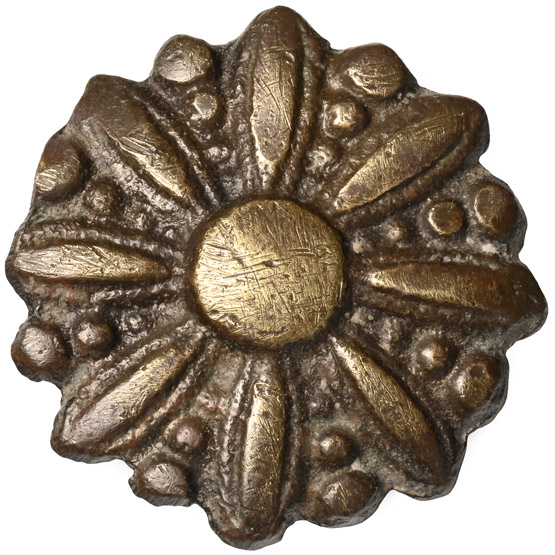
Post Medieval Bronze Flower Mount
17th-18th century A.D.Sold for (Inc. bp): £7
Modelled as an eight-petalled flower with pellets between the petals; remains of mounting lugs on the reverse. 13.6 grams, 36 mm
London, UK, art market, 1980s. Private collection, London, UK. -
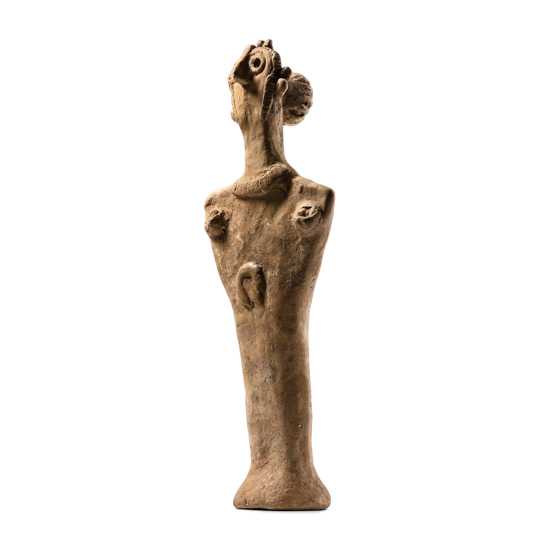
Large Syro-Hittite Style Terracotta Standing Figure
20th century A.D. or earlierSold for (Inc. bp): £7
Modelled in the round, standing, facing, each with pronounced facial features and hairdo. 181 grams, 20 cm
From the private collection of John Meredith, acquired since the 1990s; thence by descent.
