
Loading, please wait...
LOT 2126
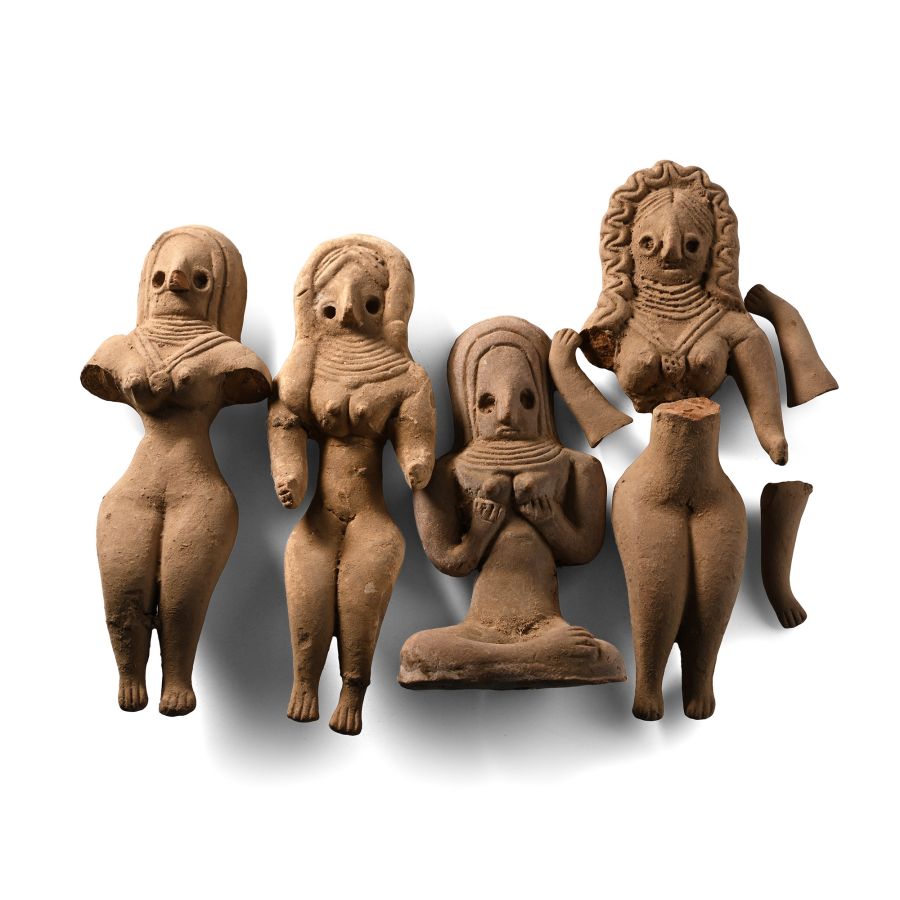
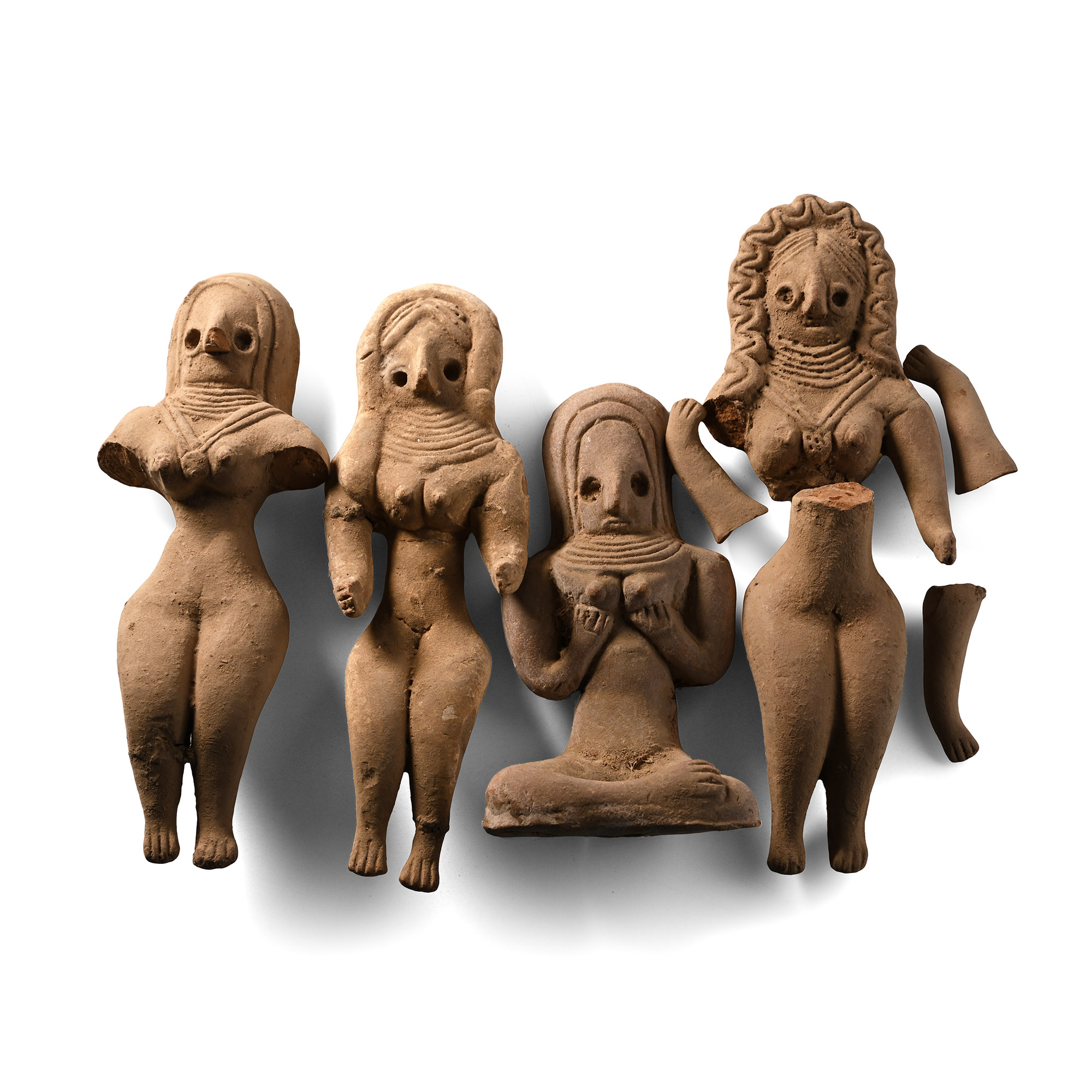
Indus Valley Style 'Mohenjo-Daro' Terracotta Idol Group
20TH CENTURY A.D. OR EARLIER
3 - 4 3/4 in. (224 grams total, 8-12 cm).
A mixed group of idol figures, each a recumbent nude female with headdress. [4, No Reserve]
ProvenanceProperty of a London gentleman; acquired before 2000.
From the private collection of John Meredith, acquired since the 1990s; thence by descent.
TimeLine Auctions follows a vetting process to ensure the authenticity and legality of all items, reinforcing our commitment to integrity and responsible trading. Each antiquity, antique, and coin lot undergoes thorough examination by a vetting committee of at least ten external specialists, professional trade association members, scientists, and archaeologists: Our Vetting Process
AUCTIONS:
TimeLine is a leading auction house specialising in antiquities, ancient art, collectables, natural history, coins, medals, and books. Our auctions offer museums, collectors, historians, and enthusiasts the opportunity to acquire unique and historically significant pieces.
-
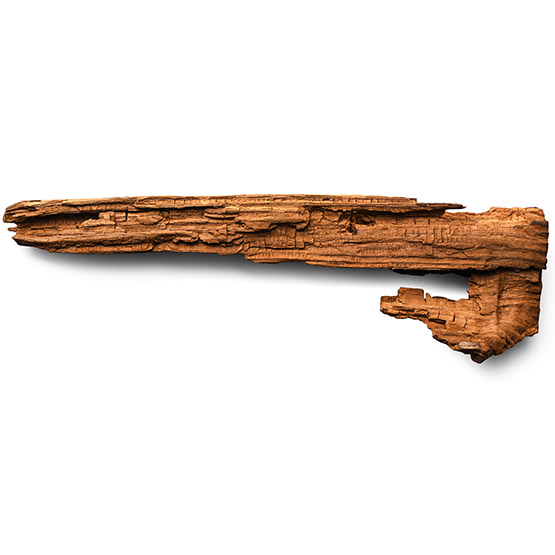
Original Timber Removed from HMS Victory in 1888 with Provenance Letter
Letter dated 5th June 1888 A.D.Sold for (Inc. bp): £312
Irregular fragment of timber, supplied with a handwritten provenance letter with wax seal; the letter states: 'Parish of Sidlow Bures Manor. Know all men, and if ladies particularly, by these presents, that of the fifth day of April 1888 the undersigned Poulteney Bigelow did in the company with an officer of H.M Service secure the accompanying piece of timber belonging to the ever famous frigate Victory, the same that fought at Trafalgar and received the precious life blood of the immortal Nelson on the 21st of October 1805. This piece of timber was cut out of the Hull of the Victory while undergoing repairs on the dry dock of Portsmouth. It is herewith presented to Miss Mabel Nicholson as a precious heirloom for distant generations of such as may love liberty and cherish the memory of valiant men. Witness the annexed signature seal, Poulteney Bigelow, Bures Manor, June 5 1888.' 141 grams total, 15.6-26.5 cm
From the collection of a Sussex noble lady, by descent from 1888, directly from the gifting of the item, as stated in the letter.
The HMS Victory underwent various refits throughout her long service, but a significant one occurred in 1888, when she was converted for use as a training ship. This refit included modifications to her structure and interior to accommodate her new role, although she was primarily preserved as a historic vessel. The hull and internal structures were reinforced to address wear and tear from years of service. The HMS Victory is currently the oldest British naval vessel still in commission, with 248 years of service as of 2026. -
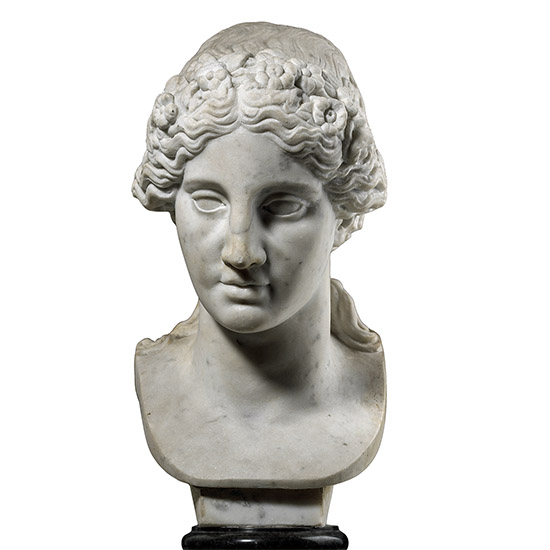
Marble Head of the Greek Goddess Aphrodite
18th-19th century A.D.Sold for (Inc. bp): £5,460
Modelled in the round as a bust of a youthful female, possibly Aphrodite with her hair bound by a narrow filet tied at the nape of the neck and the tails retained by a flat ribbon at the rear; the face perhaps modelled on the statue 'Aphrodite of Knidos' by Praxiteles; socket to crown of the head for attachment of a nimbus (now absent); mounted on a socle base. 12.6 kg, 40.5 cm
Acquired on the Los Angeles art market. Private collection, England. This lot has been checked against the Interpol Database of stolen works of art and is accompanied by search certificate number no.13095-249678.
This magnificent head of a woman with an elaborate hairstyle is in perfect harmony with the artistic works of several neo-classical sculptors of 18th century, yet subtly different from it in stylistic terms, like Giovanni Marchiori, and to the so-called stone Venus or Flora in the Museo Civico di Treviso. -
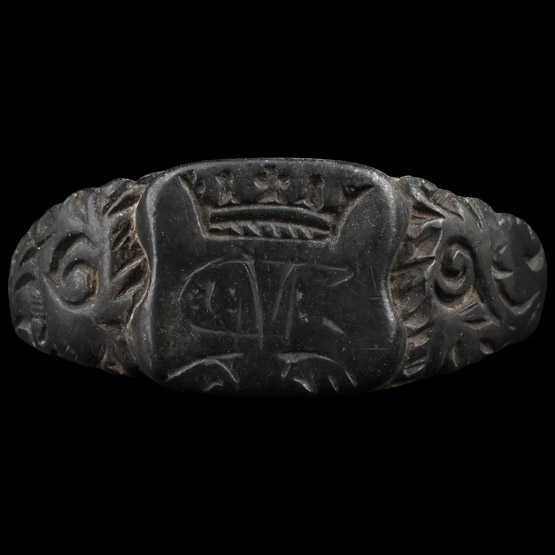
Post Medieval Bronze Ring with Crowned CVR
17th-18th century A.D.Sold for (Inc. bp): £85
Scrollwork to the shoulders, square bezel with impressed crown above incised 'CVR monogram. 4.25 grams, 22.75 mm overall, 19.59 mm internal diameter (approximate size British T 1/2, USA 9 3/4, Europe 21.89, Japan 21)
Ex German art market, 2000s. Acquired from an EU collector living in London. From the collection of a Surrey, UK, gentleman.
