
Loading, please wait...
LOT 1733
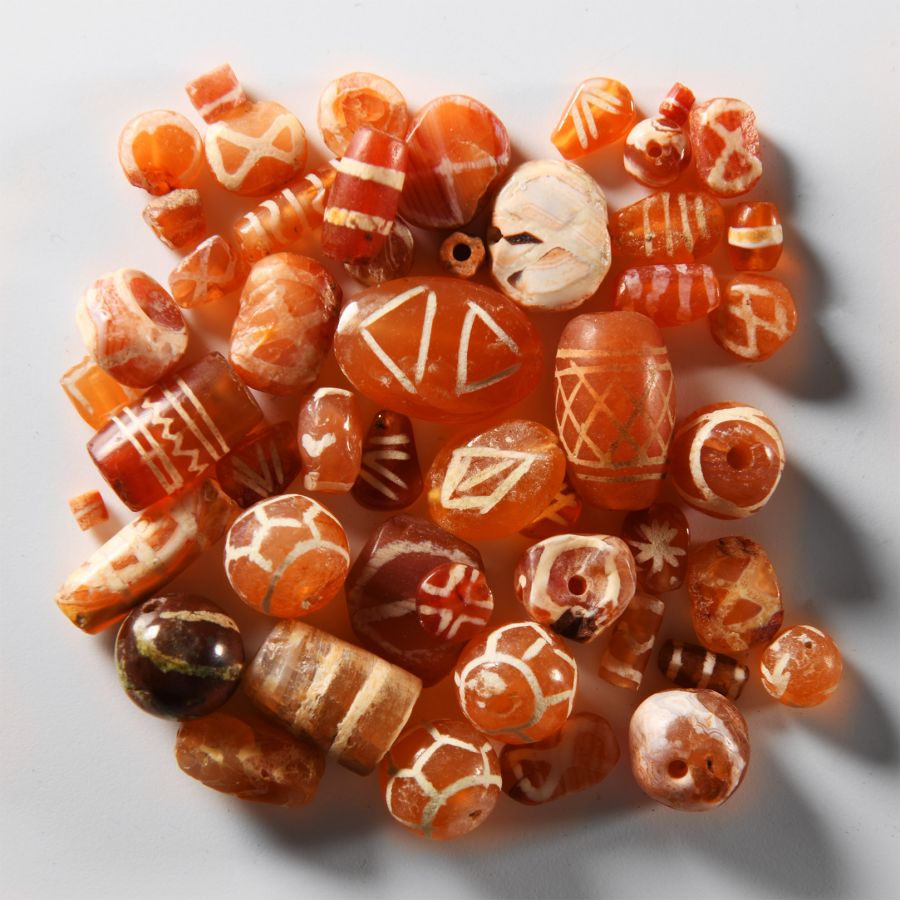
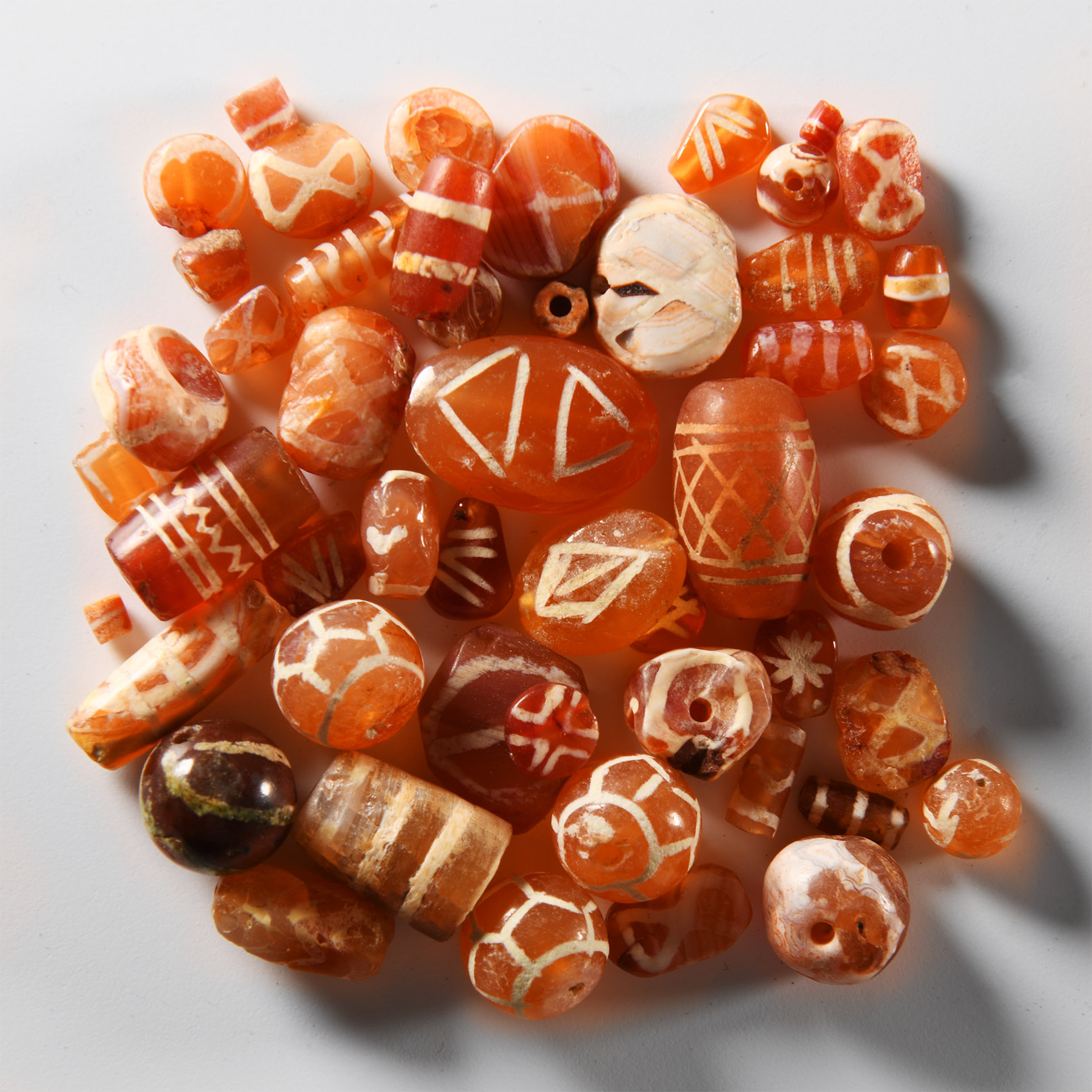
Indus Valley Etched Orange Carnelian Necklace Bead Group
CIRCA 2ND MILLENNIUM B.C. OR LATER
1/8 - 5/8 in. (18.6 grams total, 1-15 mm).
Comprising variously sized polished beads with etched geometric designs. [50, No Reserve]
ProvenanceUK gallery, early 2000s.
CONDITIONTimeLine Auctions follows a vetting process to ensure the authenticity and legality of all items, reinforcing our commitment to integrity and responsible trading. Each antiquity, antique, and coin lot undergoes thorough examination by a vetting committee of at least ten external specialists, professional trade association members, scientists, and archaeologists: Our Vetting Process
AUCTIONS:
TimeLine is a leading auction house specialising in antiquities, ancient art, collectables, natural history, coins, medals, and books. Our auctions offer museums, collectors, historians, and enthusiasts the opportunity to acquire unique and historically significant pieces.
LOT 1733
Indus Valley Etched Orange Carnelian Necklace Bead Group
Sold for (Inc. bp): £520
-
.jpg)
Indus Valley Etched Orange Carnelian Necklace Bead Group
Circa 2nd century B.C. and laterSold for (Inc. bp): £169
Comprising polished carnelian beads etched with geometric motifs to both faces. 15 grams total, 4-11 mm
UK gallery, early 2000s. -
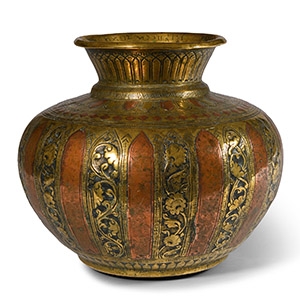
Indian Decorated Gilt Copper Vase with Inscribed Inner Rim
19th century A.D.Sold for (Inc. bp): £91
Squat in profile with broad shoulder and trumpet-shaped mouth, vertical bands of reserved foliage on an enamelled field and copper panels; inscription to the inner rim. 916 grams, 18 cm
London, UK gallery, 1971-early 2000s. -
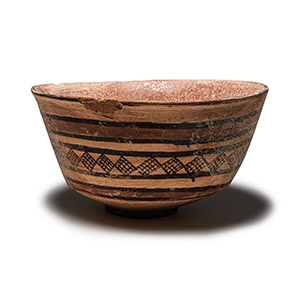
Indus Valley Terracotta Bowl
3rd millennium B.C.Sold for (Inc. bp): £98
Squat bowl with baal ring, bands of painted geometric ornament to the outer face. 152 grams, 11.8 cm wide
Ex M. Schoyen London, UK, collection, 1990-2000s.
