
Loading, please wait...
LOT 1509
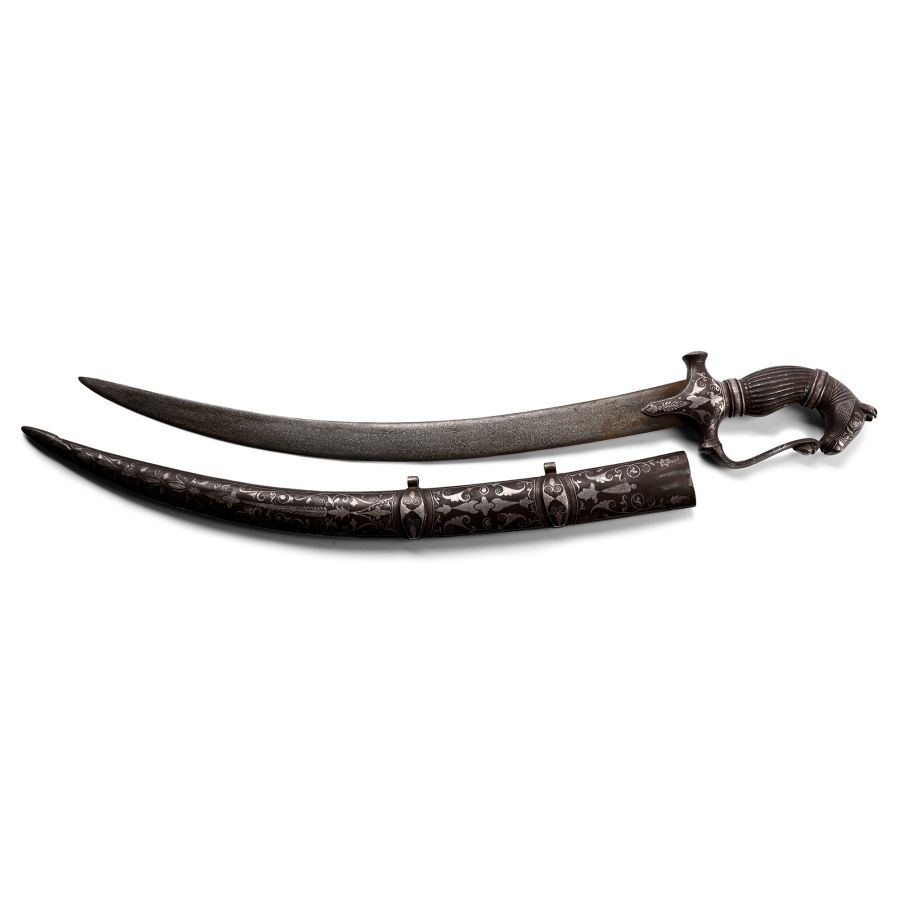
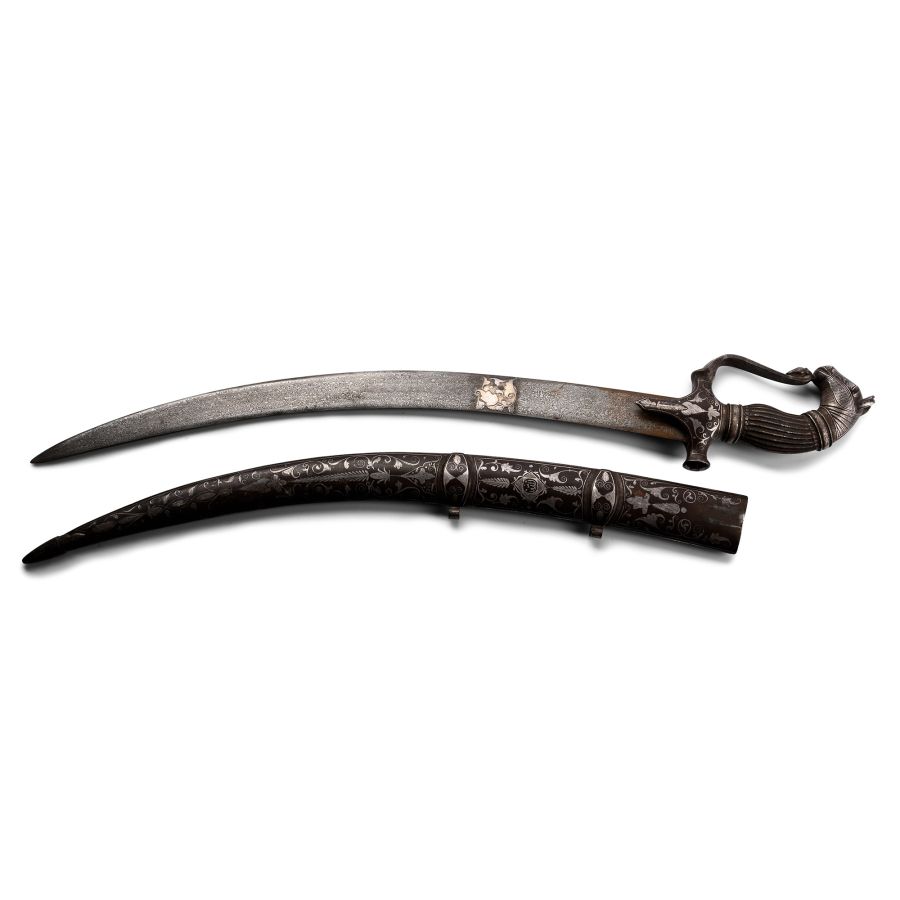
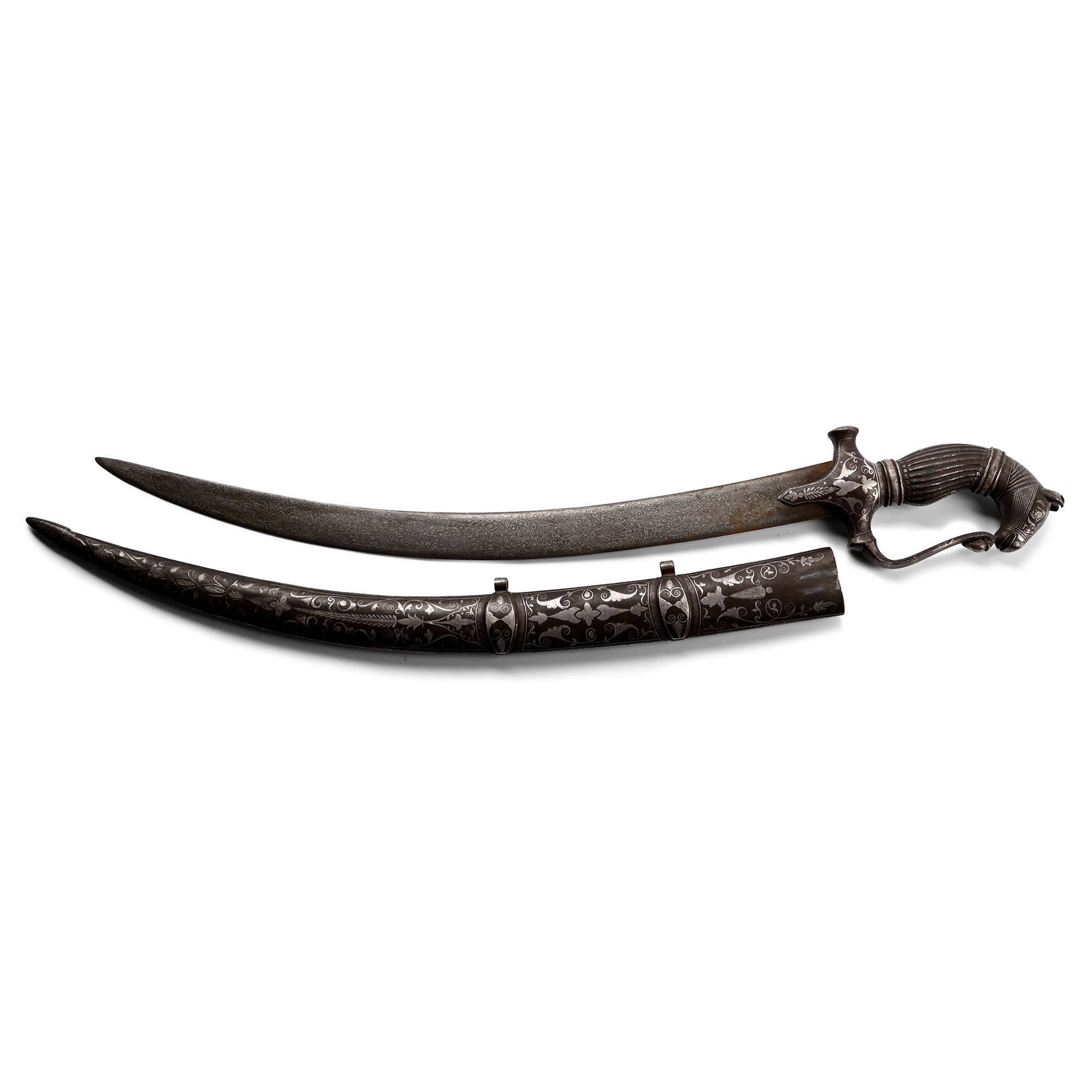
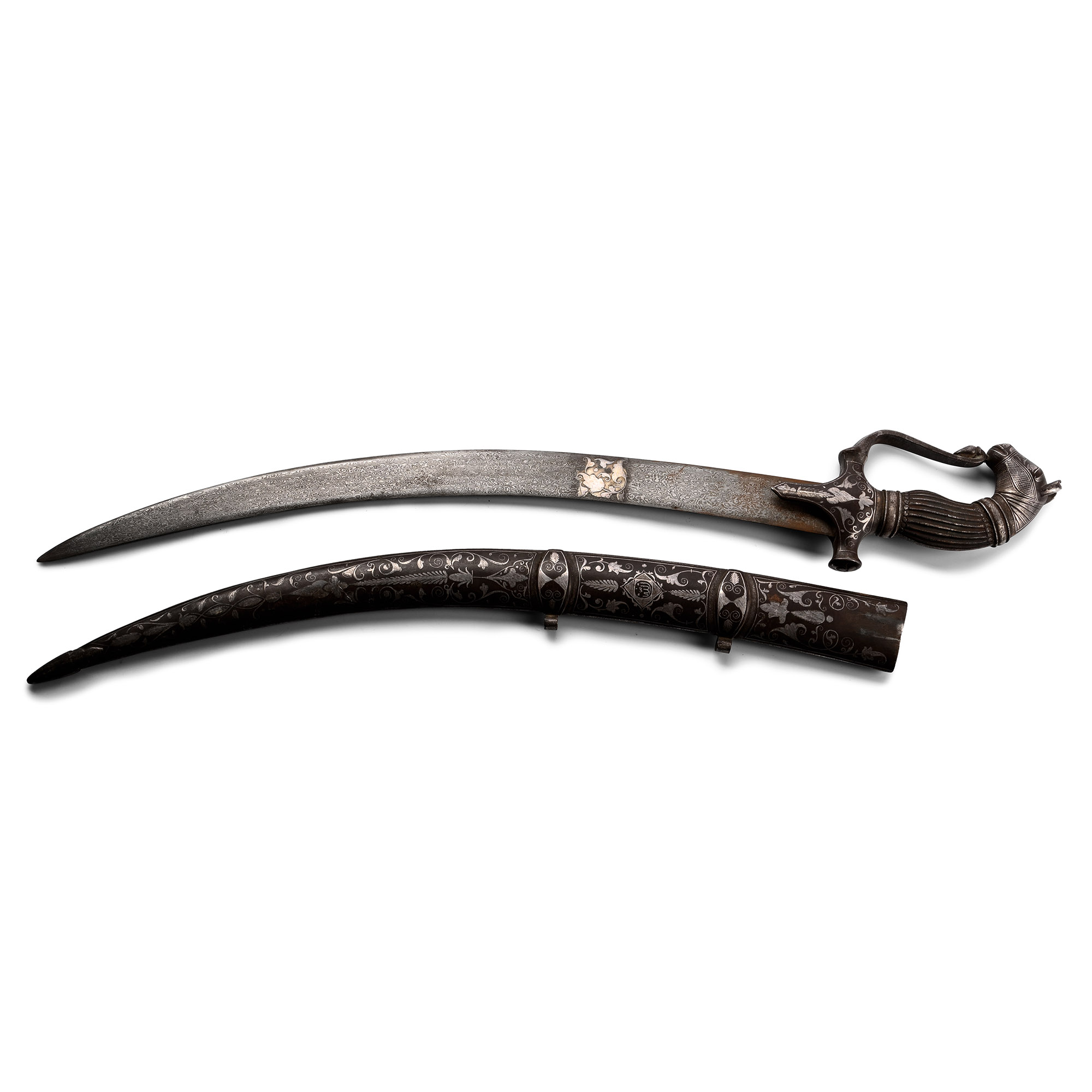
Indo-Persian Inlaid Iron Talwar with Scabbard
20TH CENTURY A.D.
25 1/4 in. (823 grams, 64 cm).
Comprising a curved damascened steel blade, hilt with horse-head pommel, knuckle-guard and stub quilolons; scabbard with two suspension points, inlaid white-metal detailing.
ProvenancePrivate collection, UK.
CONDITIONTimeLine Auctions follows a vetting process to ensure the authenticity and legality of all items, reinforcing our commitment to integrity and responsible trading. Each antiquity, antique, and coin lot undergoes thorough examination by a vetting committee of at least ten external specialists, professional trade association members, scientists, and archaeologists: Our Vetting Process
AUCTIONS:
TimeLine is a leading auction house specialising in antiquities, ancient art, collectables, natural history, coins, medals, and books. Our auctions offer museums, collectors, historians, and enthusiasts the opportunity to acquire unique and historically significant pieces.
-
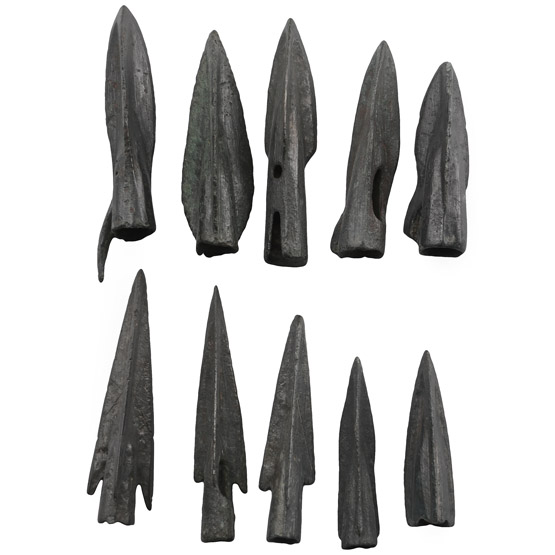
Greek Bronze Arrowhead Group
5th-3rd century B.C.Sold for (Inc. bp): £85
Socketted type with three radiating narrow flanges. 22.92 grams total, 24-38 mm
Ex German art market, 2000s. Acquired from an EU collector living in London. From the collection of a Surrey, UK, gentleman. -
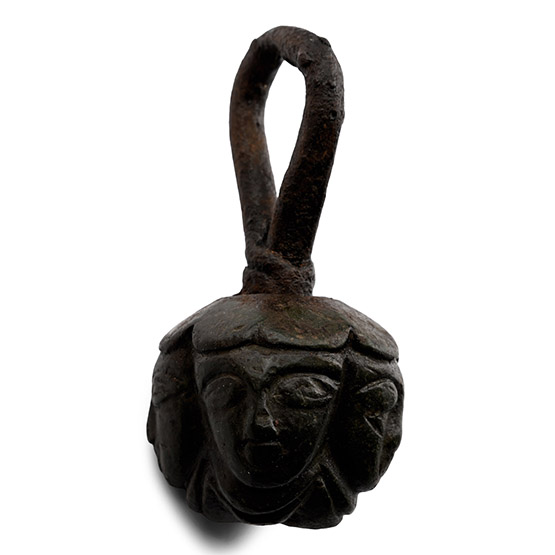
Medieval Bronze Flail Head with Four Heads
14th-15th century A.D.Sold for (Inc. bp): £468
Formed as four radiating D-shaped masks beneath a rosette, substantial suspension loop. 114 grams, 60 mm
From the private collection of a London gentleman, from his grandfather's collection formed before the early 1970s. -
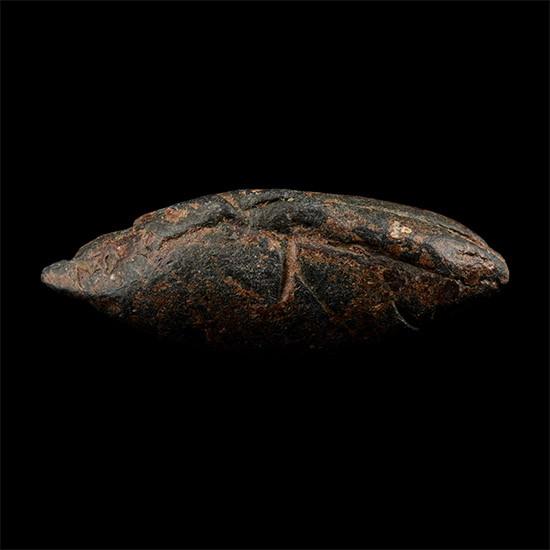
Greek Macedonian Lead Slingshot
4th-3rd century B.C.Sold for (Inc. bp): £46
Lentoid type with one end deformed on impact; incised running zigzag design. 54.4 grams, 45 mm
Ex German art market, 2000s. Acquired from an EU collector living in London. From the collection of a Surrey, UK, gentleman.
