
Loading, please wait...
LOT 2661
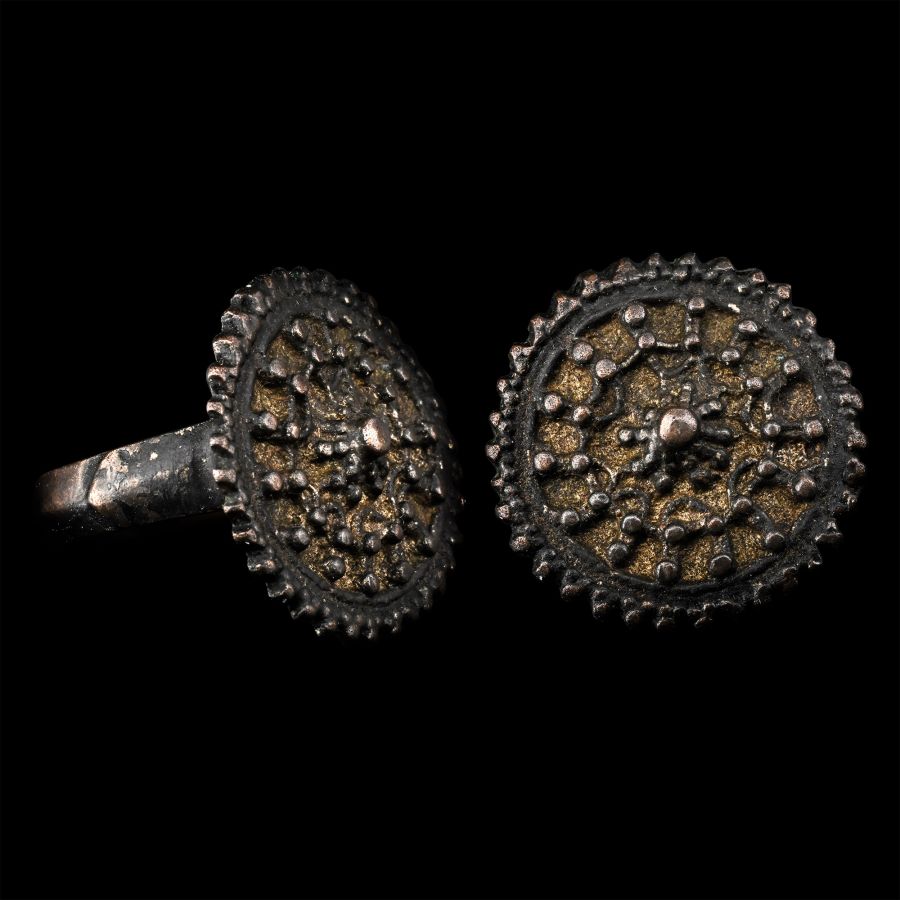
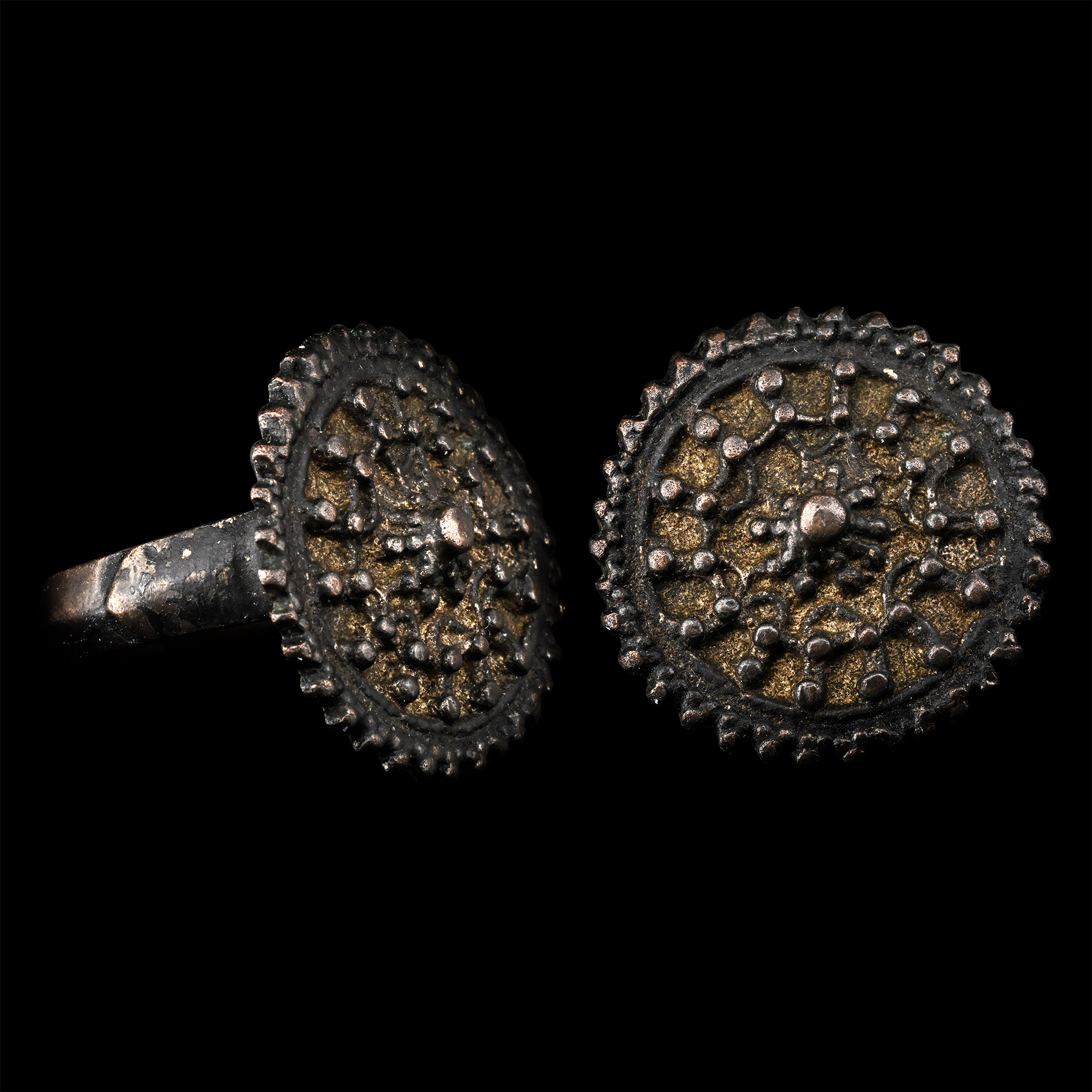
Indian Bronze Ring
LATE 19TH CENTURY A.D.
1 in. (9.13 grams, 25.32 mm overall, 19.20x 17.04 mm internal diameter (approximate size British P, USA 7 1/2, Europe 16.23, Japan 15)).
D-shaped hoop and a large circular bezel with a serrated border and raised pellet decoration. [No Reserve]
ProvenanceEx German art market, 2000s.
Acquired from an EU collector living in London.
From the collection of a Surrey, UK, gentleman.
TimeLine Auctions follows a vetting process to ensure the authenticity and legality of all items, reinforcing our commitment to integrity and responsible trading. Each antiquity, antique, and coin lot undergoes thorough examination by a vetting committee of at least ten external specialists, professional trade association members, scientists, and archaeologists: Our Vetting Process
AUCTIONS:
TimeLine is a leading auction house specialising in antiquities, ancient art, collectables, natural history, coins, medals, and books. Our auctions offer museums, collectors, historians, and enthusiasts the opportunity to acquire unique and historically significant pieces.
-
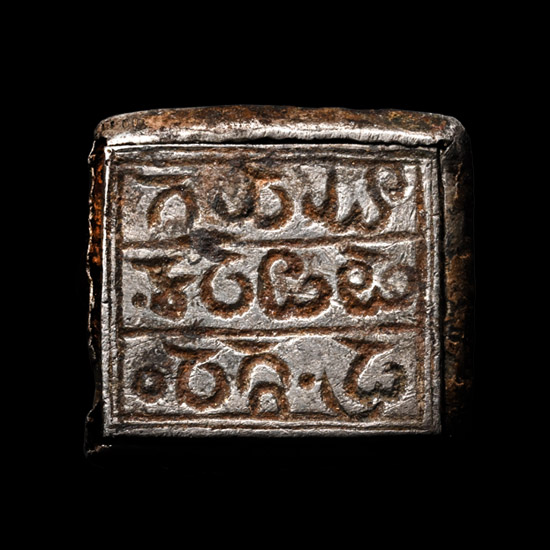
Indian Silver Ring with Hindi Inscription
Circa 14th century A.D.Sold for (Inc. bp): £364
Featuring a D-section hoop and a large rectangular bezel set with an intaglio bearing a three-line inscription. 14.49 grams, 31.31 mm overall, 16.93 mm internal diameter (approximate size British M, USA 6, Europe 12.46, Japan 12)
From the collection of a gentleman, acquired on the London art market in the 1990s. -
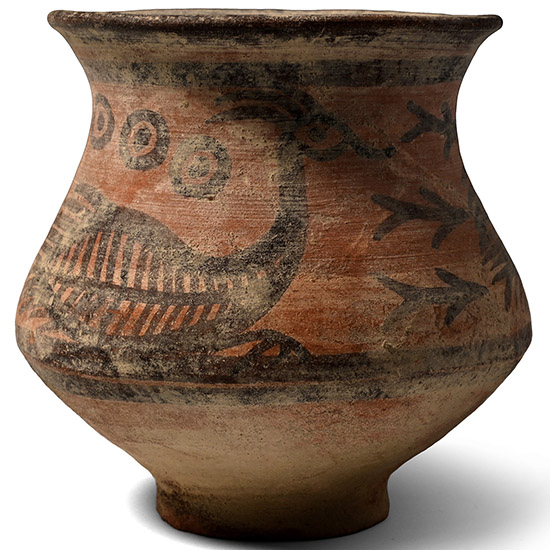
Indus Valley Terracotta Vessel with Birds
3rd-2nd millennium B.C.Sold for (Inc. bp): £117
With narrow base, biconvex body and flared rim; panels of avian decoration below the rim. 108 grams, 80 mm
From the private collection of the late David Gold, 1990s. David Gold was one of the co founders of the Iconic Lord John brand in Carnaby Street that sparked a style revolution in the swinging sixties dressing The Rolling Stones, The Beatles and The Kinks and were at the heart of 'all things cool'. -
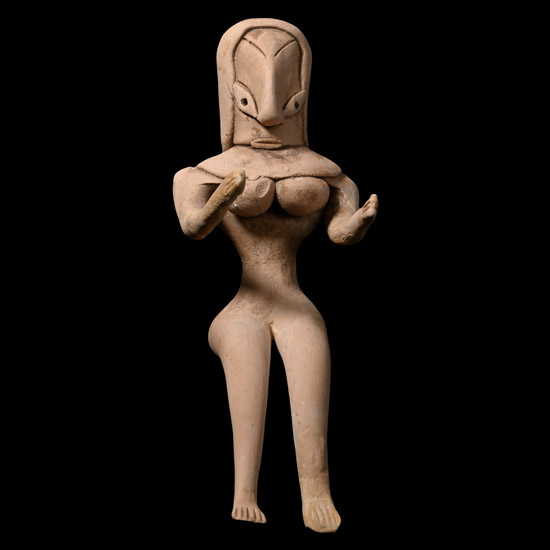
Indus Valley Clay Idol Figure
3rd-2nd millennium B.C.Sold for (Inc. bp): £221
Modelled in the round nude female in seated pose with hands extended forward, with applied scaphoid eyes, lips, hair and collar. 64.42 grams, 13.18 cm
Ex M Schoyen, London, UK, collection, 2000s. Ex London, UK, gallery.
