
Loading, please wait...
LOT 1726
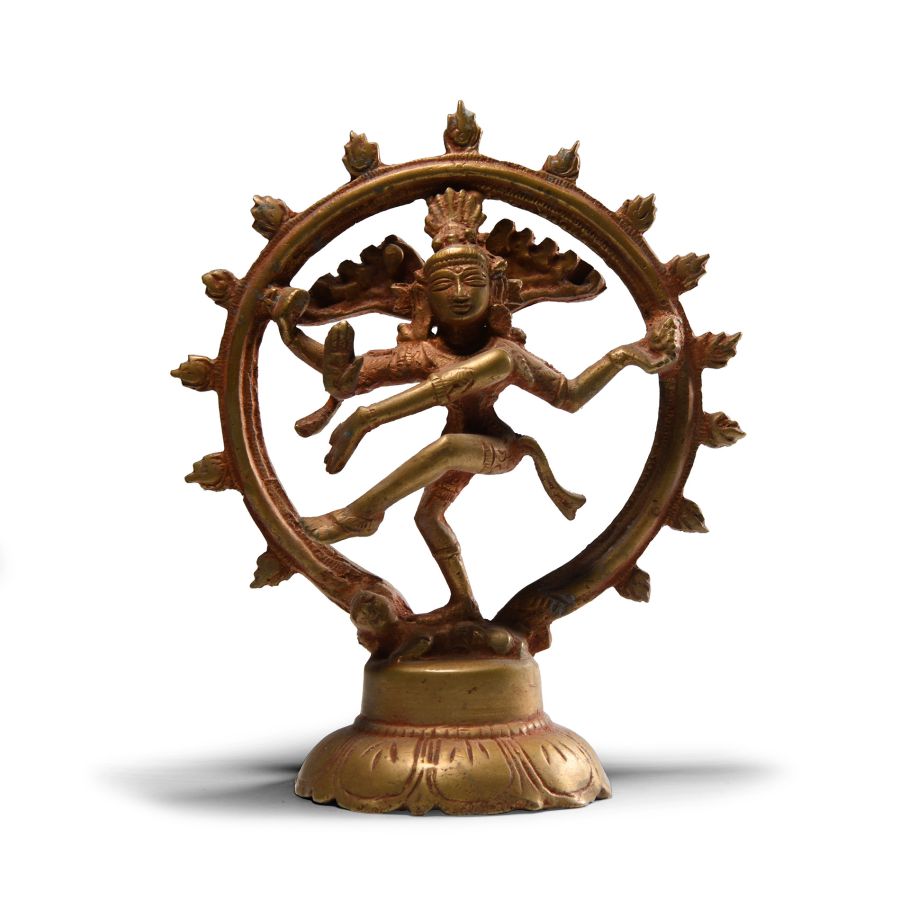
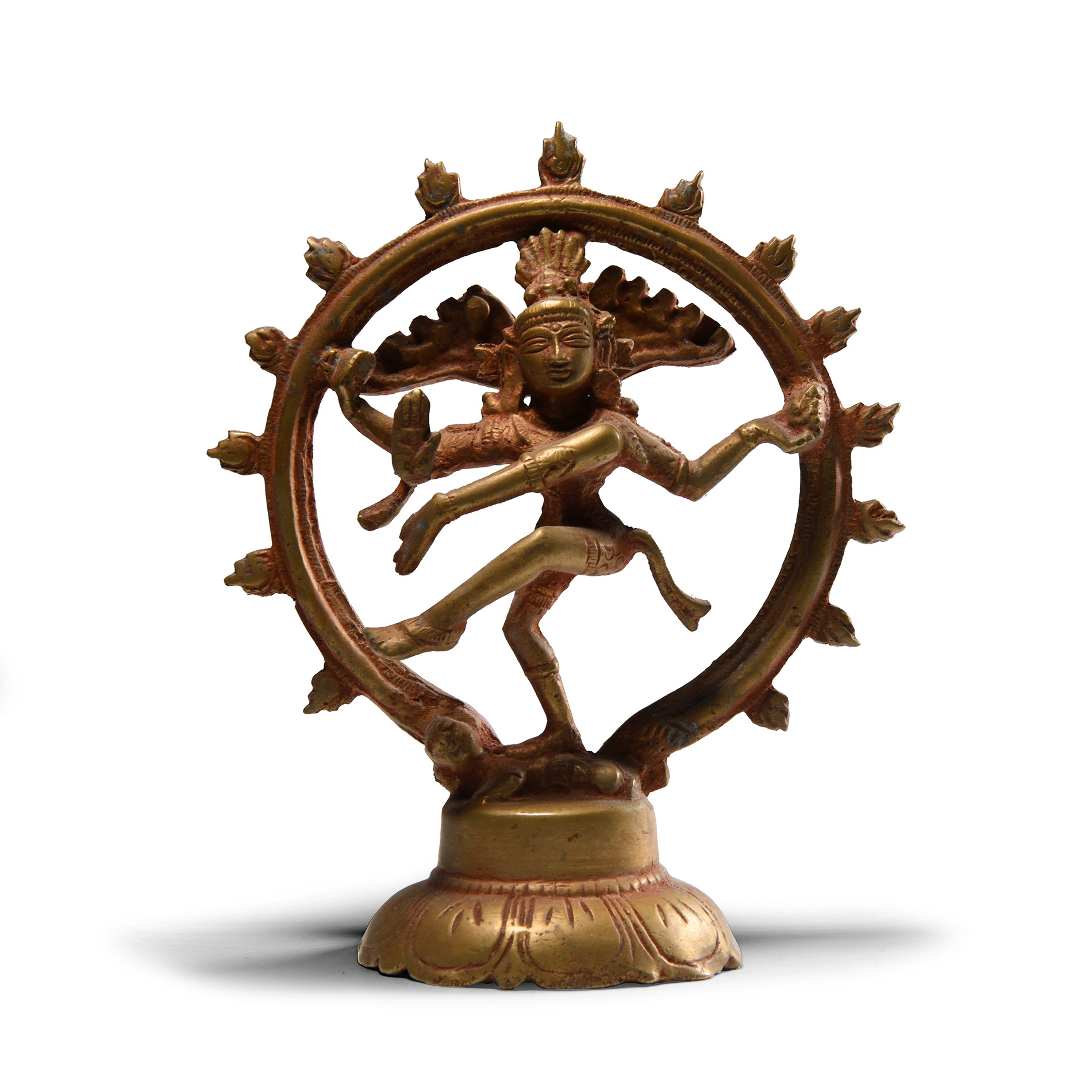
Indian Brass Shiva Figurine
19TH CENTURY A.D.
6 in. (523 grams, 15.5 cm high).
Shiva as Lord of Dance (Nataraja): the upper left hand holding agni (the fire that will destroy the universe), the lower right hand making abhayamudra (the gesture that allays fear), the dwarf like figure being trampled by his right foot representing apasmara purusha (illusion, which leads mankind astray) and the raised left foot, signifying refuge for the troubled soul. [No Reserve]
ProvenanceEx London, UK, oriental collection.
From the collection of a Lincolnshire, UK, gentleman.
TimeLine Auctions follows a vetting process to ensure the authenticity and legality of all items, reinforcing our commitment to integrity and responsible trading. Each antiquity, antique, and coin lot undergoes thorough examination by a vetting committee of at least ten external specialists, professional trade association members, scientists, and archaeologists: Our Vetting Process
AUCTIONS:
TimeLine is a leading auction house specialising in antiquities, ancient art, collectables, natural history, coins, medals, and books. Our auctions offer museums, collectors, historians, and enthusiasts the opportunity to acquire unique and historically significant pieces.
-
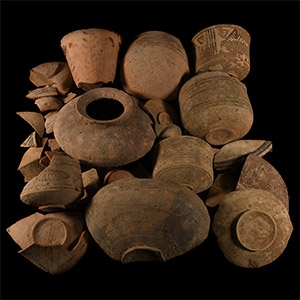
Indus Valley Painted Terracotta Fragment Group
3rd millennium B.C. and laterSold for (Inc. bp): £78
Comprising large fragments of vessels and some smaller fragments; most with painted geometric or vegetal decoration. 1.36 kg total, 1-17.5 cm wide
UK gallery, early 2000s. -
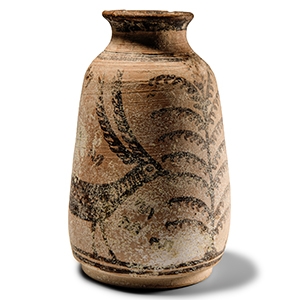
Indus Valley Harappan Ceramic Vessel with Antelope
Circa 2000 B.C.Sold for (Inc. bp): £520
With wide base, the body tapering to a narrow mouth with everted rim; the body with two painted antelopes with birds, separated by leafy trees. 339 grams, 15.1 cm high
Acquired before 1990s/early 2000s. From the family collection of Jack Lyttle (1944-2023), Kilmacolm, Scotland; thence by descent to his granddaughter. Property of an East Sussex, UK, gentleman. -
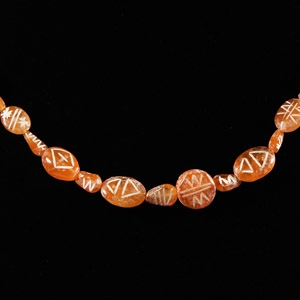
Indus Valley Etched Orange Carnelian Bead Necklace String
Circa 2nd century B.C. and laterSold for (Inc. bp): £104
Comprising polished carnelian beads etched with geometric motifs to both faces; restrung. 15.1 grams, 46 cm long
UK gallery, early 2000s.
Etched carnelian beads are characteristic of the Indus Valley culture and have been produced since the third millennium B.C. They are a typical product of the Harappa culture, but they are also attested in later millennia and produced elsewhere in Southeast Asia. The oldest specimens come from the Indus Valley and from Mesopotamia. A few specimens were found in the so-called royal cemetery of Ur, where they were identified in the excavation publication as coming from India.
