
Loading, please wait...
LOT 0355
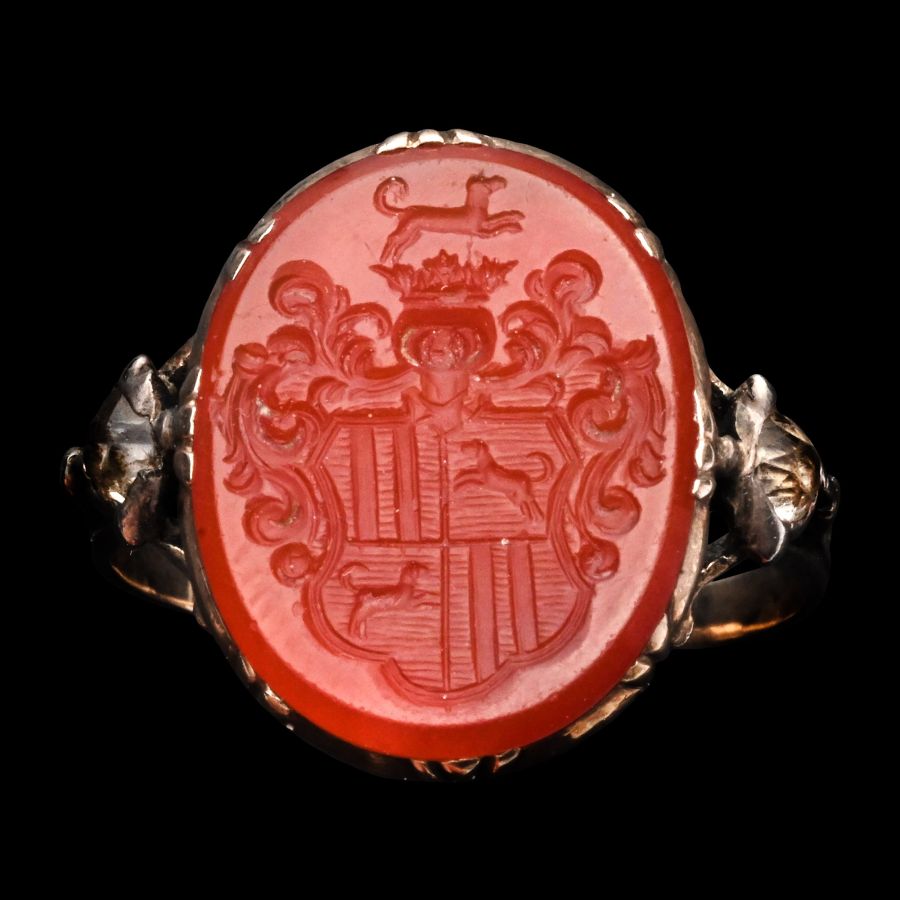
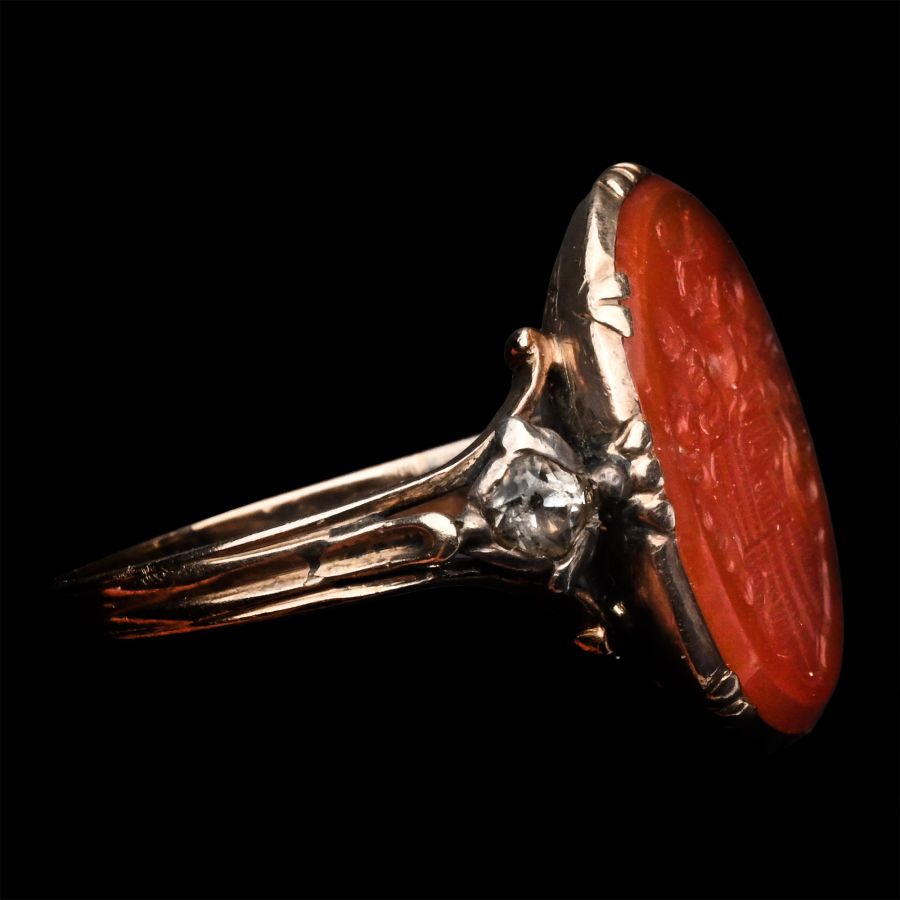
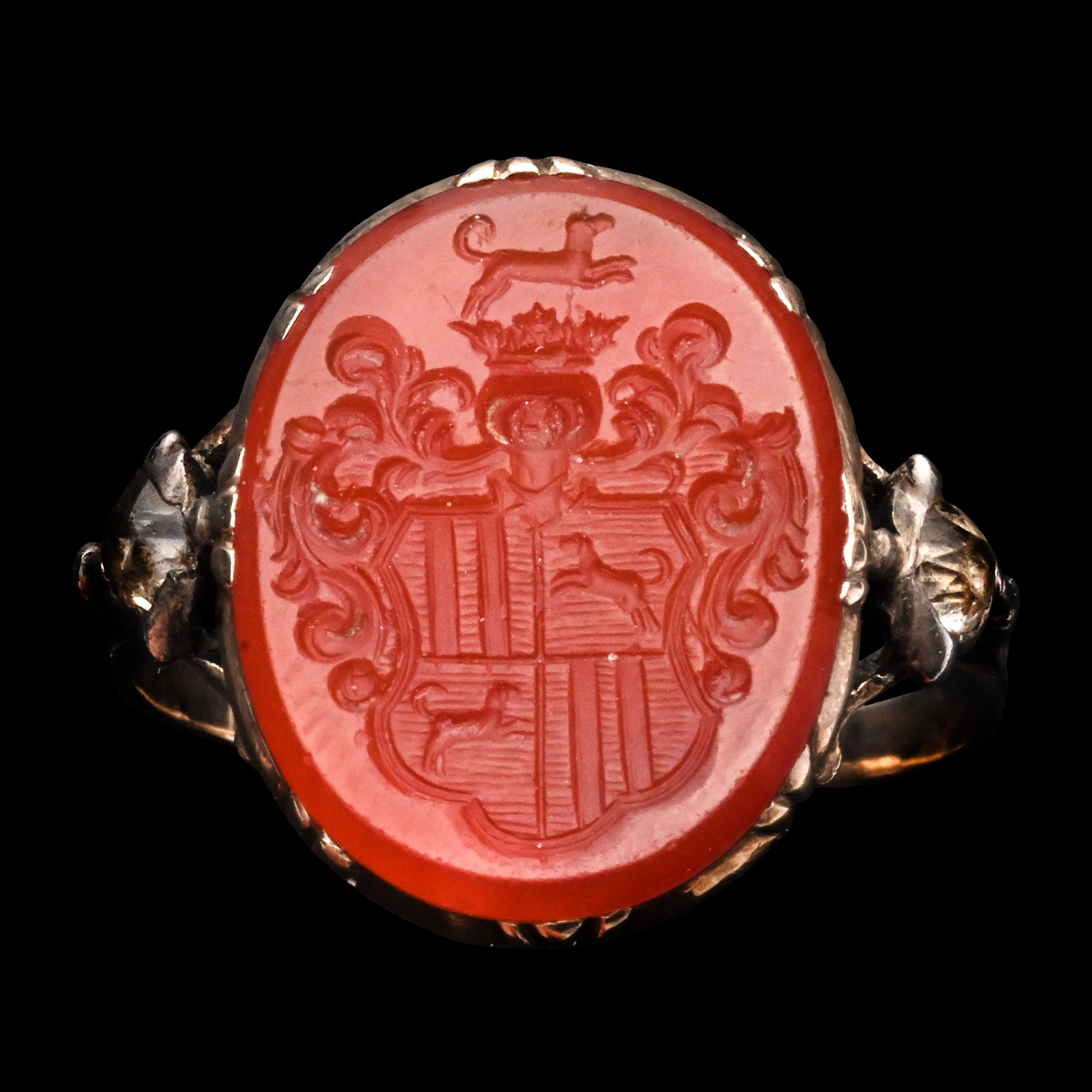
Holy Roman Empire Gold Ring with Carnelian Signet Ring
GERMANY, 18TH CENTURY A.D.
1 in. (5.64 grams, 24.89 mm overall, 21.56 x 17.76 mm internal diameter (approximate size British U, USA 10, Europe 22.52, Japan 21)).
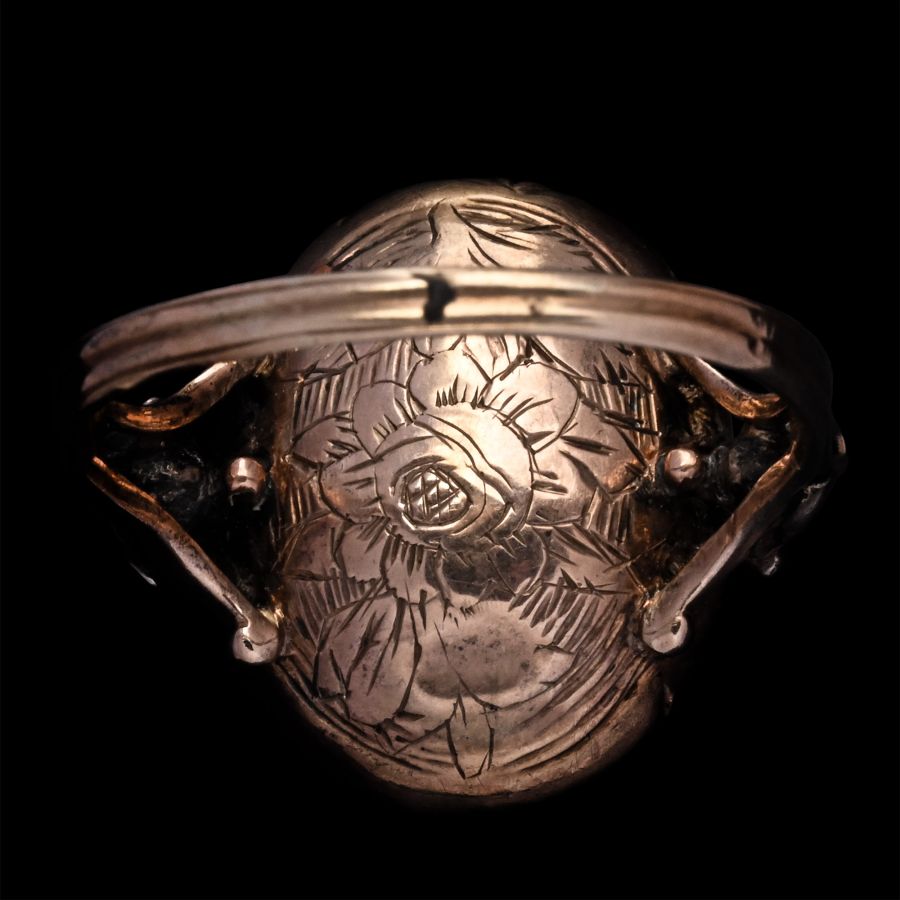
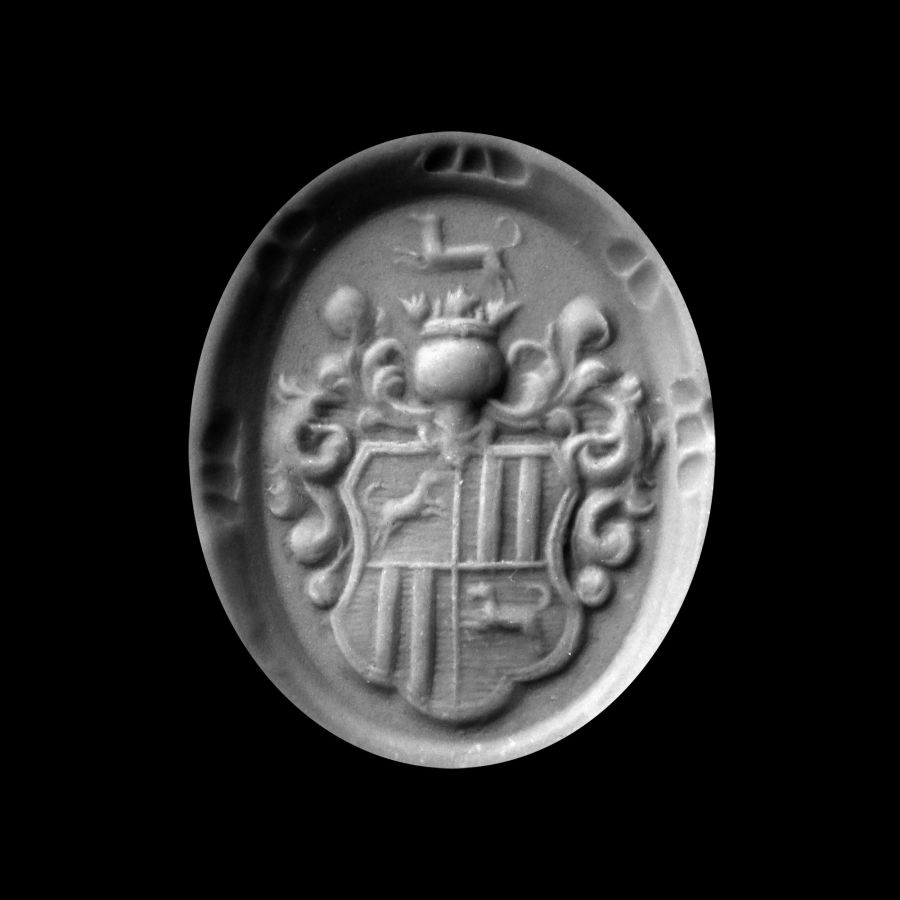
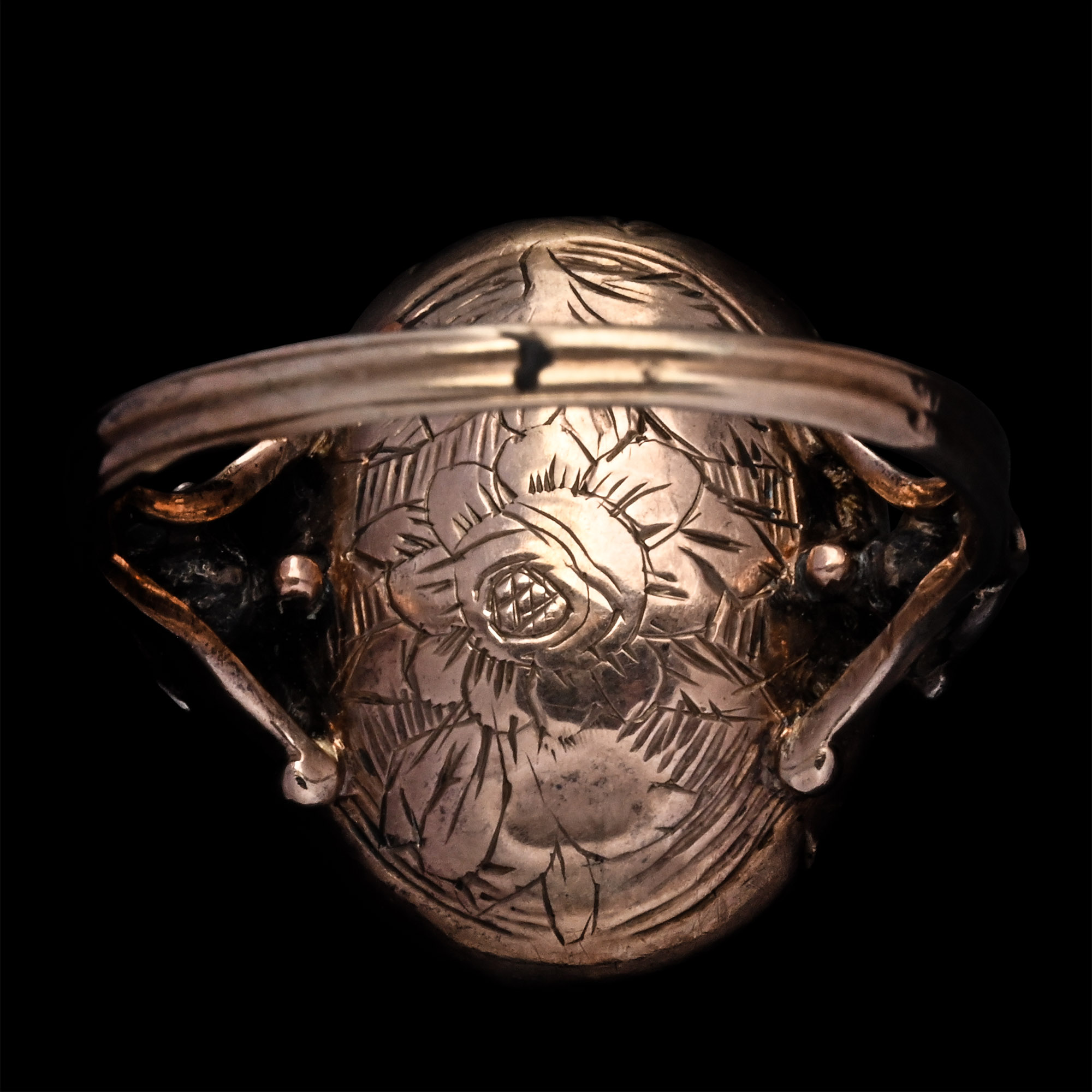
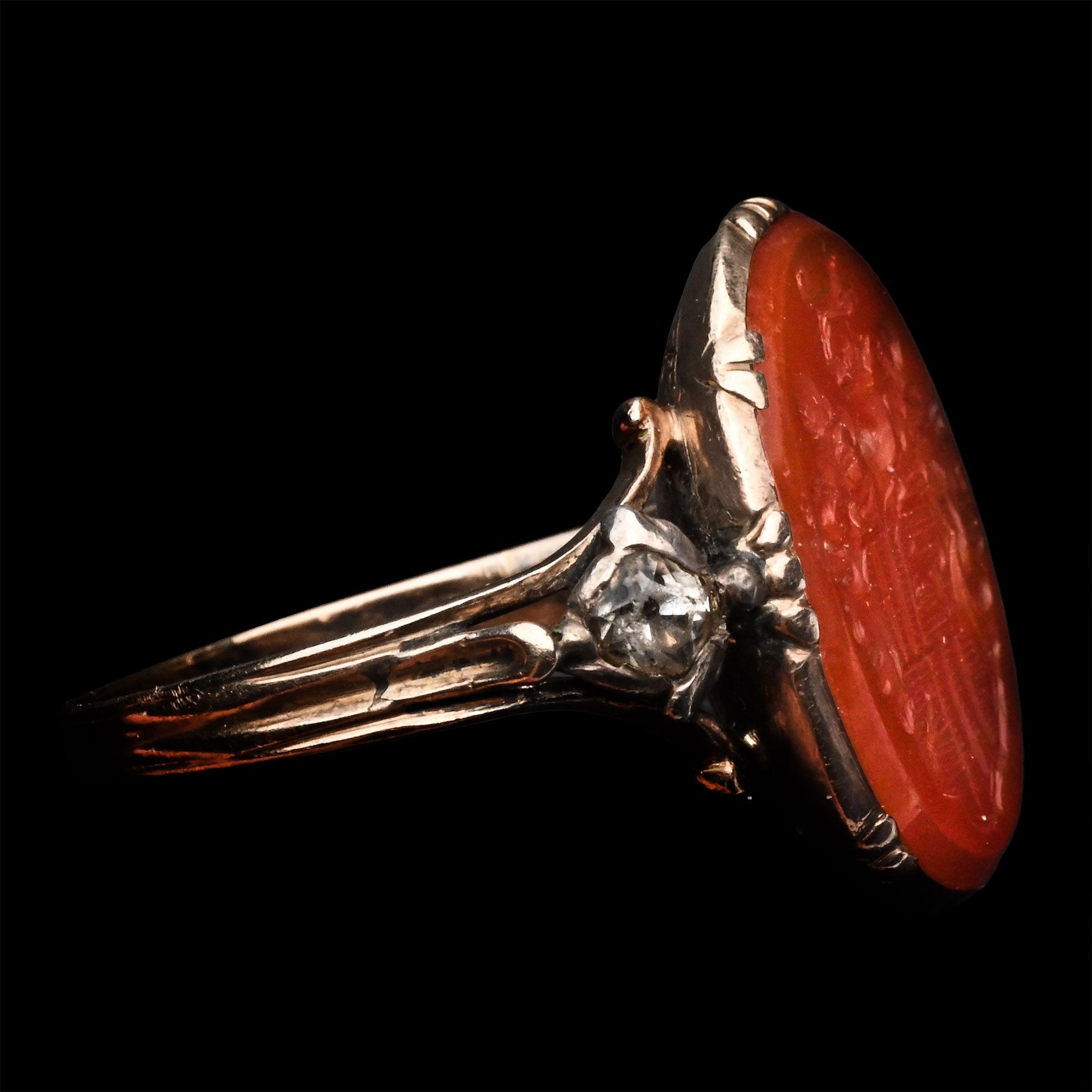
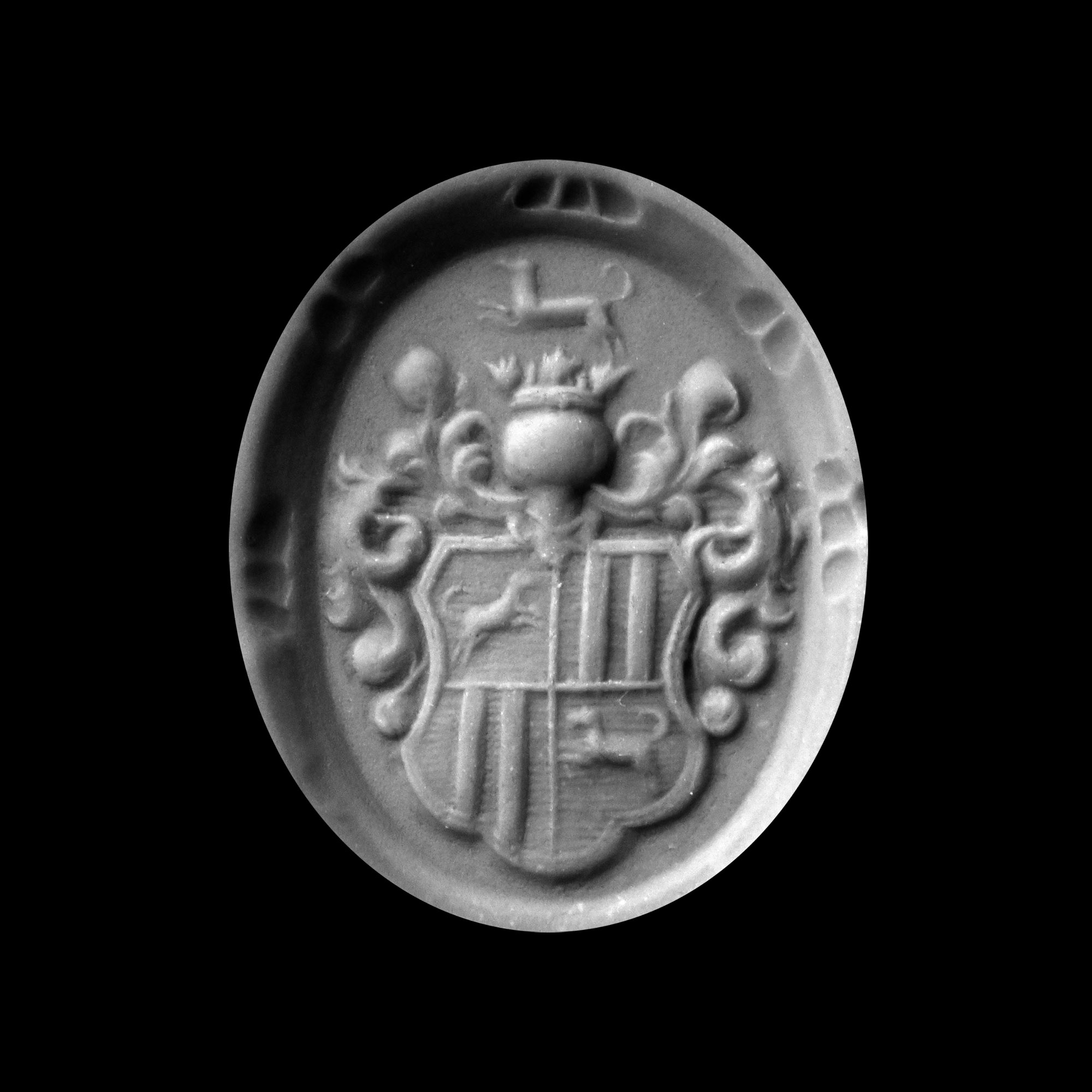
Comprising a fluted band with openwork shoulders set with facetted rock crystals, rub-over setting engraved with floral motifs on the reverse and set with a red carnelian intaglio carved with the coat of arms of the owner; supplied with a museum-quality impression.
ProvenanceAcquired on the European art market.
CONDITIONTimeLine Auctions follows a vetting process to ensure the authenticity and legality of all items, reinforcing our commitment to integrity and responsible trading. Each antiquity, antique, and coin lot undergoes thorough examination by a vetting committee of at least ten external specialists, professional trade association members, scientists, and archaeologists: Our Vetting Process
AUCTIONS:
TimeLine is a leading auction house specialising in antiquities, ancient art, collectables, natural history, coins, medals, and books. Our auctions offer museums, collectors, historians, and enthusiasts the opportunity to acquire unique and historically significant pieces.
LOT 0355
Holy Roman Empire Gold Ring with Carnelian Signet Ring
Estimate £1,500 - 2,000€1,740 - 2,320 (for guidance only)$2,030 - 2,700 (for guidance only)
Opening Bid
£750 (EUR 870; USD 1,013) +BP*
-
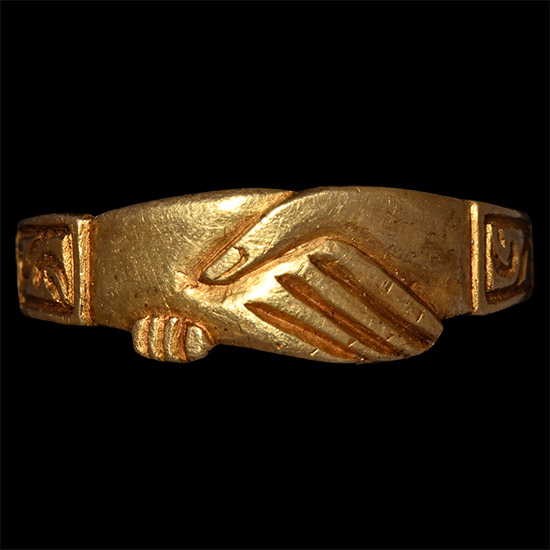
Post Medieval Gold Fede Ring
17th-18th century A.D.Estimate: £1,000 - 1,400 (+bp*)
Opening Bid: £500
Comprising a wide hoop, the shoulders with rectangular panels embellished with scrolling motifs framed by delicate wirework borders, the bezel formed as a pair of clasped hands, finely modelled in low relief, symbolising trust, fidelity, and contractual union, the hands articulated with tapering fingers and subtly defined cuffs. 4.08 grams, 21.08 mm overall, 18.89 mm internal diameter (approximate size British R, USA 8 1/2, Europe 18 3/4, Japan 18)
Acquired on the European art market.
The fede motif derives from the medieval formula mani in fede ('hands in trust'), a visual expression of loyalty and binding agreement. Rings of this type circulated widely from the late medieval period onward, gaining particular prominence in the seventeenth and eighteenth centuries as betrothal jewels embodying steadfast commitment. The present example, with its restrained decorative scheme and high gold purity, reflects the enduring appeal of intimate, symbolically charged jewels rooted in long-standing marital and devotional customs. -
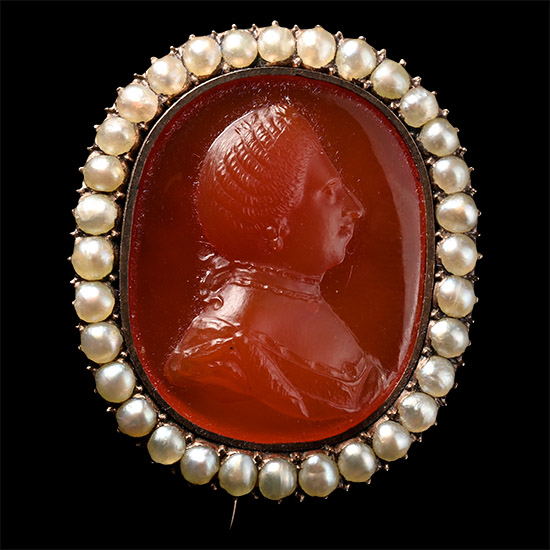
German Carnelian Cameo of Maria Theresa Mounted in a Brooch
Germany, 18th century A.D.Estimate: £1,000 - 1,400 (+bp*)
Opening Bid: £500
Skilfully carved cameo depicting the jewelled profile bust of Maria Theresa facing right, the background is highly polished, whilst the relief is rendered with contrasting polished and matt elements; the high-carat gold brooch setting likely original to the jewel and set with a border of blister pearls. 9.69 grams, 37 mm
Acquired on the European art market.
Maria Theresa Walburga Amalia Christina (c.1717-80) was ruler of the Habsburg dominions from 1740 until she died in 1780, and the only woman to hold the position suo jure. She was the sovereign of Austria, Hungary, Croatia, Bohemia, Transylvania, Mantua, Milan, Lodomeria and Galicia, the Austrian Netherlands, and Parma. -
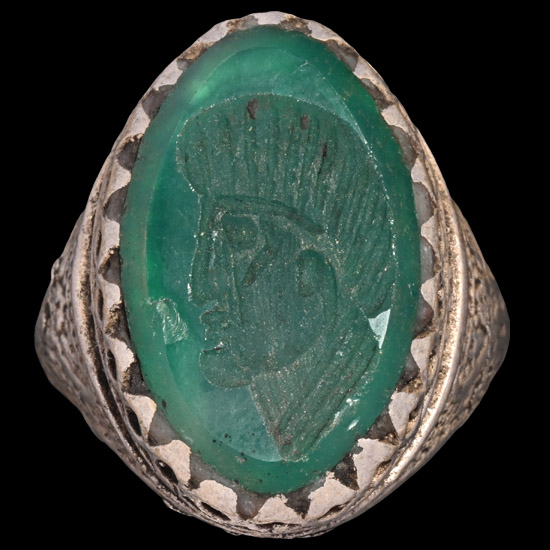
Bedouin Silver-Coloured Metal Ring with Gemstone
20th century A.D.Estimate: £50 - 70 (+bp*)
Opening Bid: £5
Keeled hoop with decorative panels on the shoulders, oval bezel set with a green glass cabochon with a profile bust. 12.24 grams, 32.81 mm overall, 19.86 mm internal diameter (approximate size British T 1/2, USA 9 3/4, Europe 21.89, Japan 21)
London, UK, collection, 1980s-1990s.
