
Loading, please wait...
LOT 1505
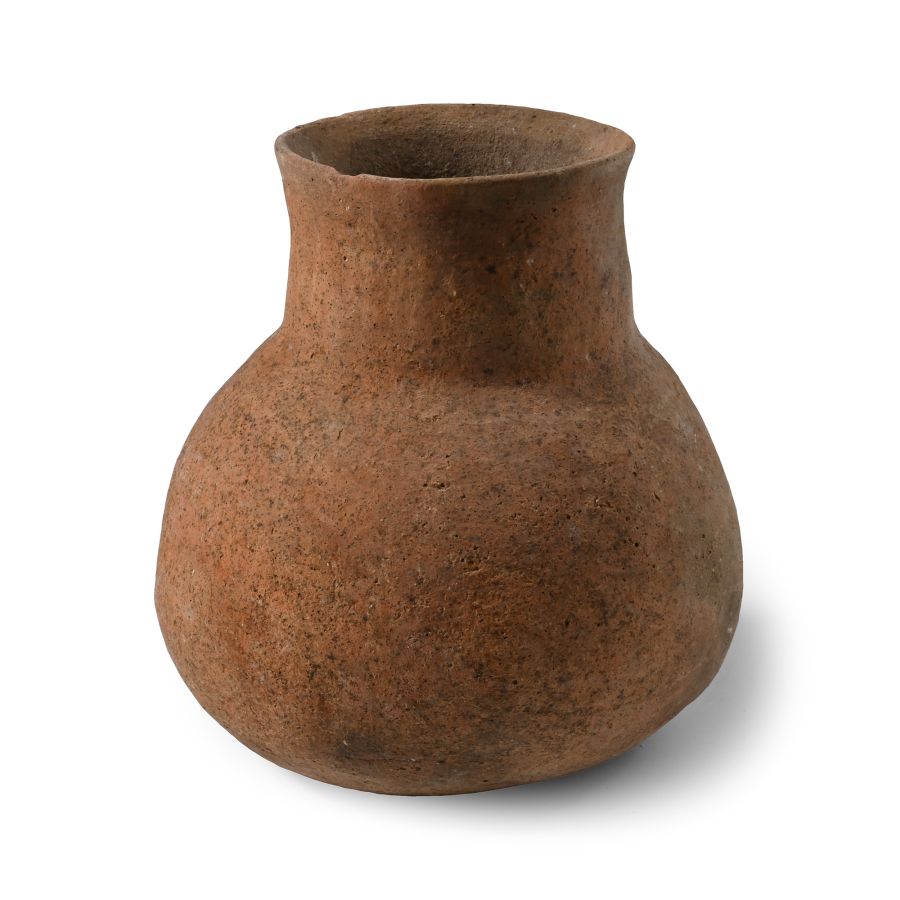
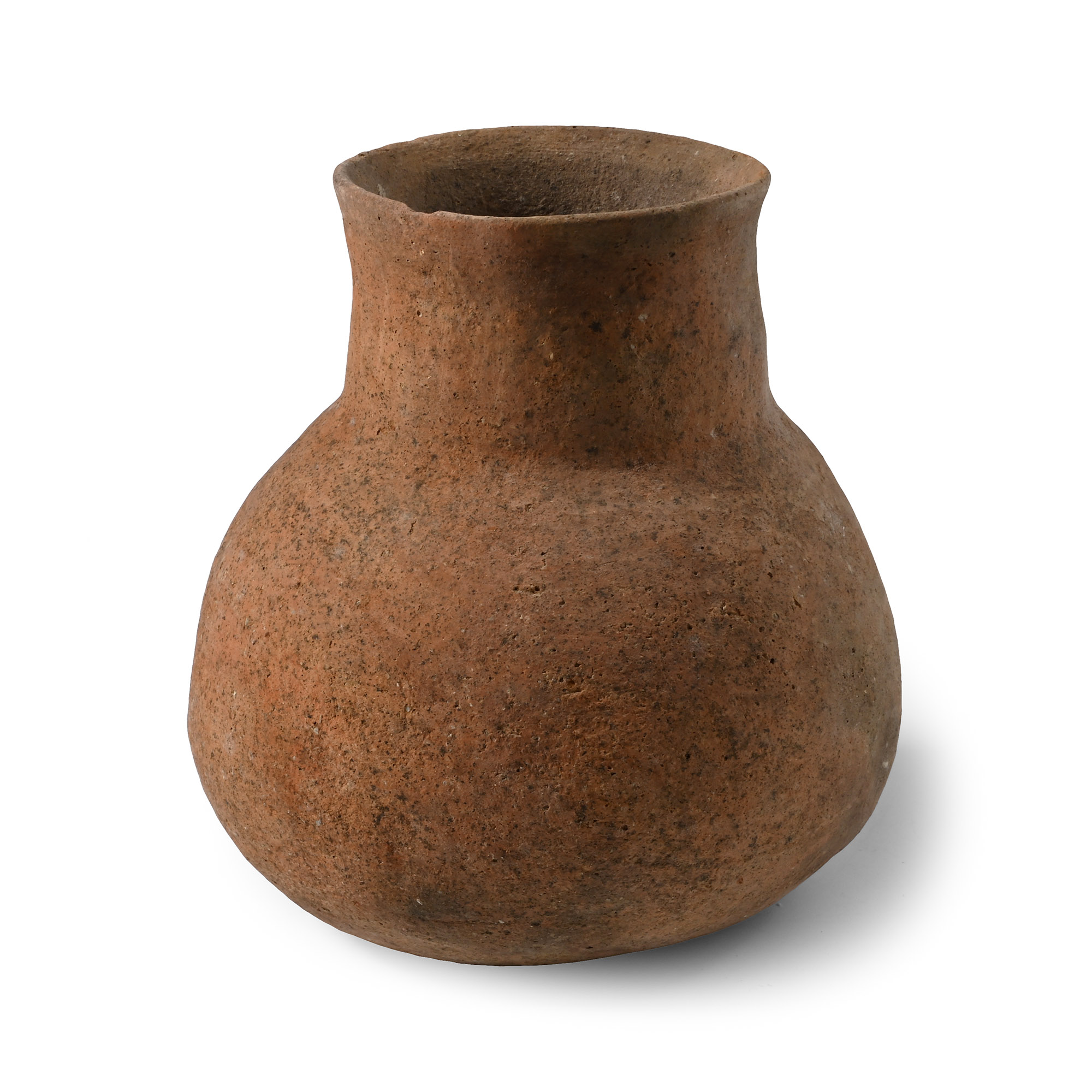
Holy Land Terracotta Vessel
EARLY BRONZE AGE I, 3RD MILLENNIUM B.C.
4 1/8 in. (200 grams, 10.4 cm high).
Bulbous body with a flattened base and tubular neck with everted rim. [No Reserve]
ProvenanceFrom a pre 1988 collection, thence by descent.
CONDITIONTimeLine Auctions follows a vetting process to ensure the authenticity and legality of all items, reinforcing our commitment to integrity and responsible trading. Each antiquity, antique, and coin lot undergoes thorough examination by a vetting committee of at least ten external specialists, professional trade association members, scientists, and archaeologists: Our Vetting Process
AUCTIONS:
TimeLine is a leading auction house specialising in antiquities, ancient art, collectables, natural history, coins, medals, and books. Our auctions offer museums, collectors, historians, and enthusiasts the opportunity to acquire unique and historically significant pieces.
-
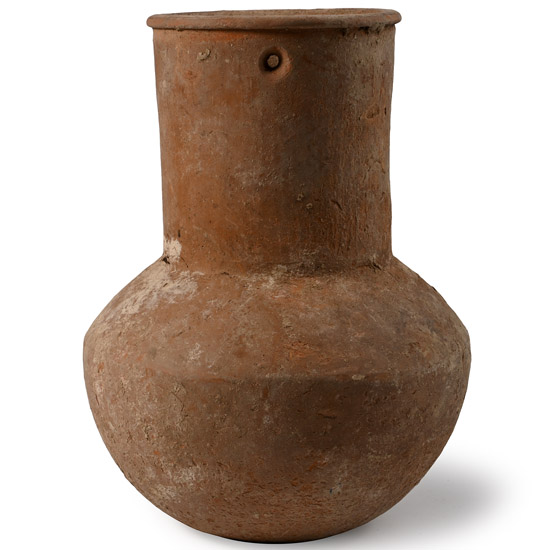
Large Luristan Terracotta Storage Vessel
1st millennium B.C.Estimate: £100 - 140 (+bp*)
Opening Bid: £50
Squat body with funicular neck and rolled rim, the upper part of the neck with two piercings. 900 grams, 21.5 cm
Acquired on the UK art market before 2000. Property of an Essex, UK, gentleman. -
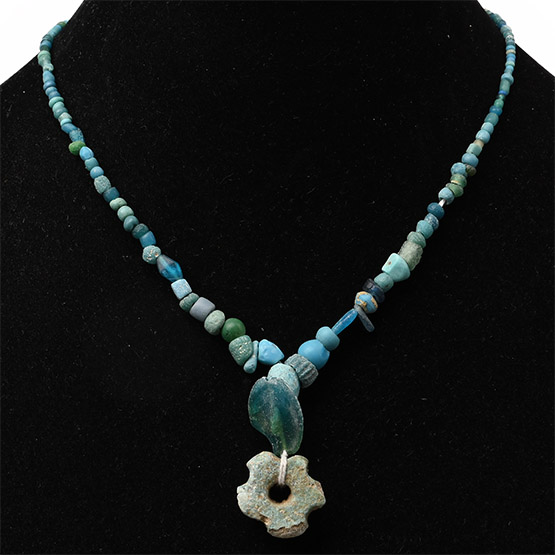
Achaemenid Blue Glass and Other Bead Necklace String
Mid 1st millennium B.C. and laterSold for (Inc. bp): £85
Composed of graduated turquoise and blue beads, the central feature with a 'spoked wheel' type bead, restrung. 14.1 grams, 35 cm
Ex London, UK, collection, 1990s. -
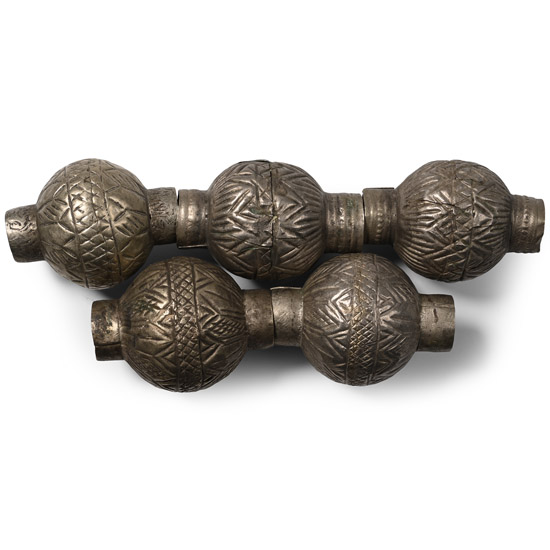
Western Asiatic Silver-Coloured Metal Bead Group
20th century A.D.Sold for (Inc. bp): £13
Comprising five large beads with collars and incised/punched linear decoration. 99 grams total, 51-56 mm
Ex North West London collection, 2000s.
