
Loading, please wait...
LOT 1603
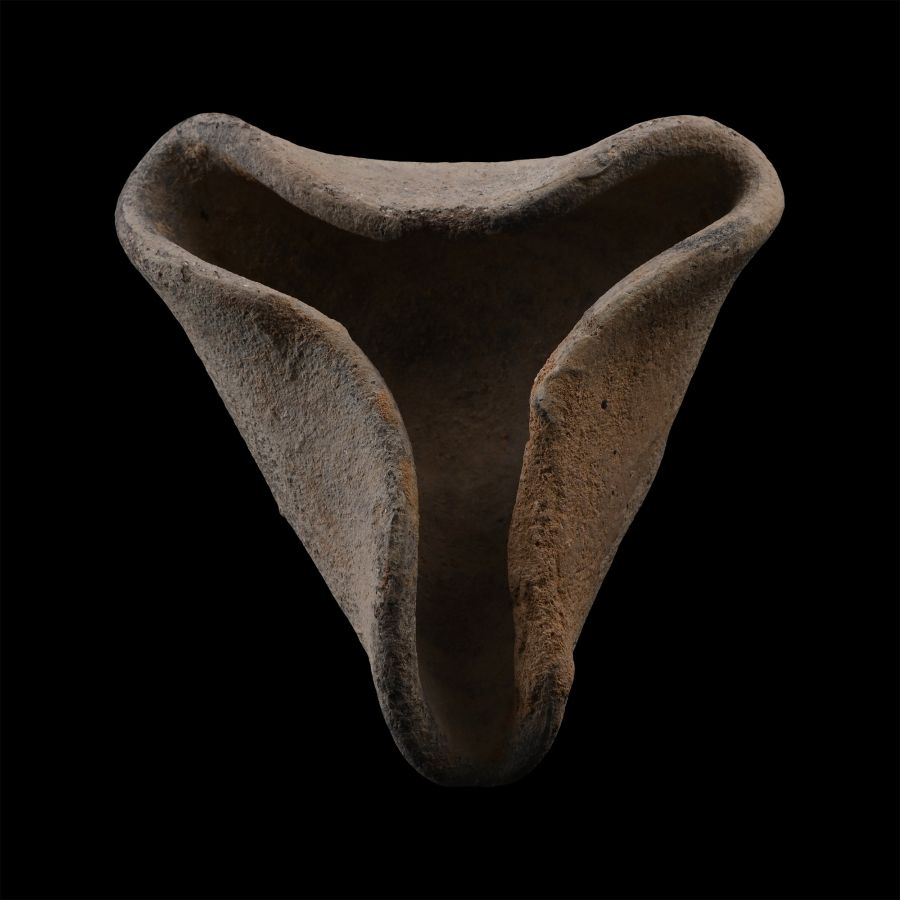
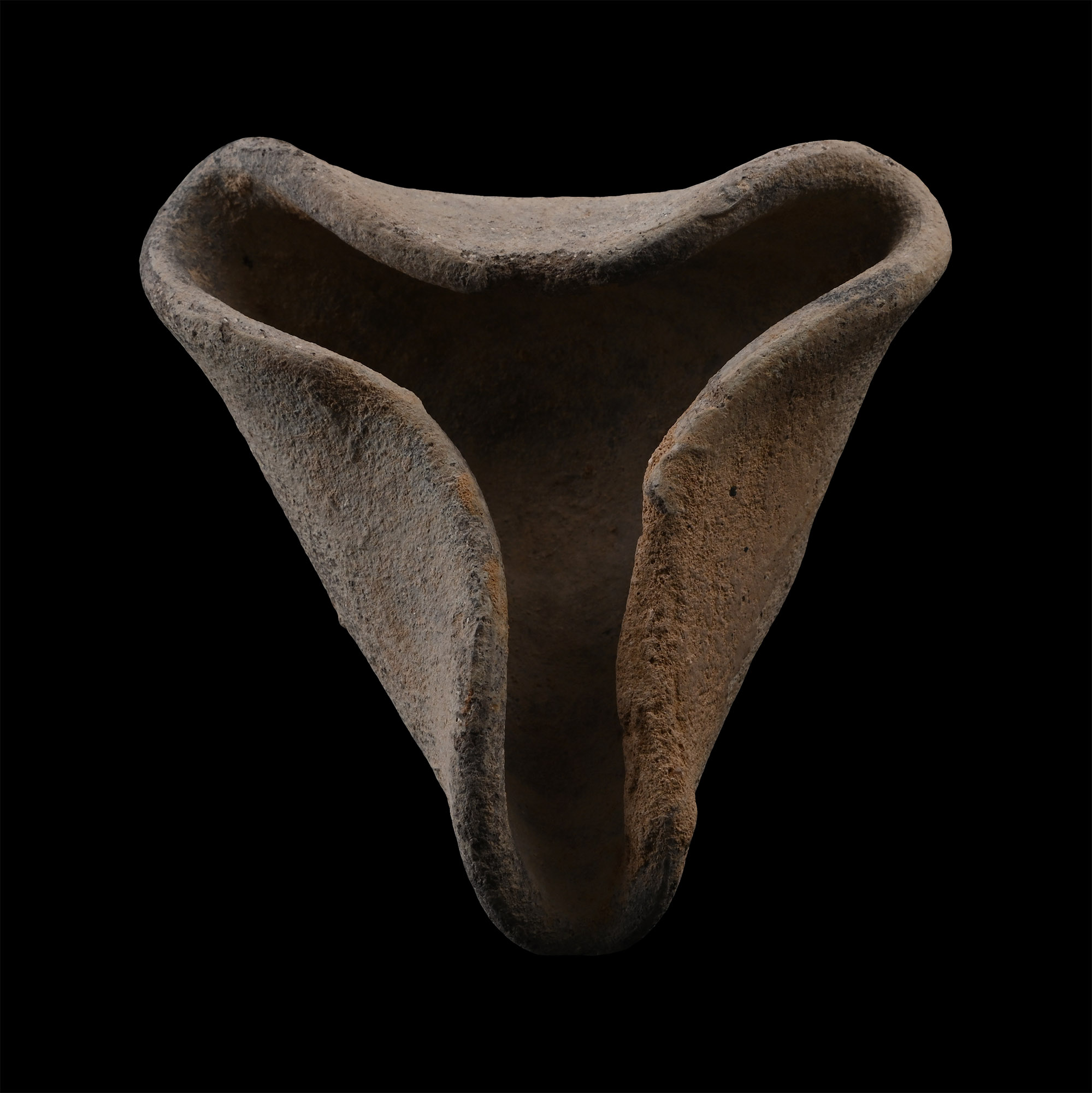
Holy Land Terracotta Pinched Rim Oil Lamp
IRON AGE, LATE 1ST MILLENNIUM B.C.
3 1/8 in. (75 grams, 80 mm).
Discoid in plan with flange rim and sidewalls pinched to form three nozzles. [No Reserve]
ProvenanceFrom the private collection of Mr Brian Edwards, New Malden, Surrey, UK, formed from the late 1970s-early 1980s; thence by descent, with collector's reference no.A121.
CONDITIONTimeLine Auctions follows a vetting process to ensure the authenticity and legality of all items, reinforcing our commitment to integrity and responsible trading. Each antiquity, antique, and coin lot undergoes thorough examination by a vetting committee of at least ten external specialists, professional trade association members, scientists, and archaeologists: Our Vetting Process
AUCTIONS:
TimeLine is a leading auction house specialising in antiquities, ancient art, collectables, natural history, coins, medals, and books. Our auctions offer museums, collectors, historians, and enthusiasts the opportunity to acquire unique and historically significant pieces.
-
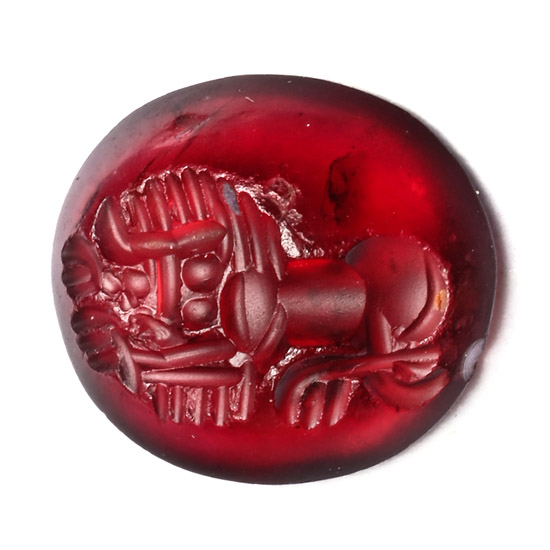
Sasanian Garnet Gemstone of a Lion
5th-7th century A.D.Estimate: £400 - 600 (+bp*)
Opening Bid: £200
Plano-convex in section with incuse sleeping lion; supplied with a museum-quality impression. 0.55 grams, 10 mm
Private English collection, formed between the late 1970s and early 1990s. Private collection, London, UK. -
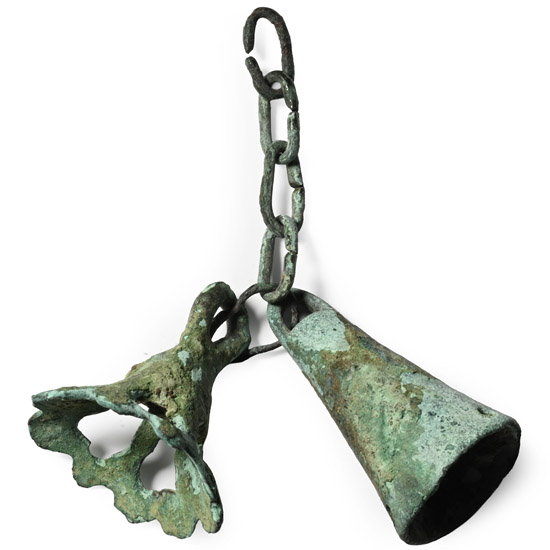
Western Asiatic Bronze Chained Bell Pendants
Bronze Age, 1st millennium B.C.Sold for (Inc. bp): £46
Comprising an openwork conical mount with ring at the apex, short chain and a conical bell attached. 28.79 grams, 81.33 mm
From the private collection of a European gentleman (1942-2024), formed since the 1970s. -
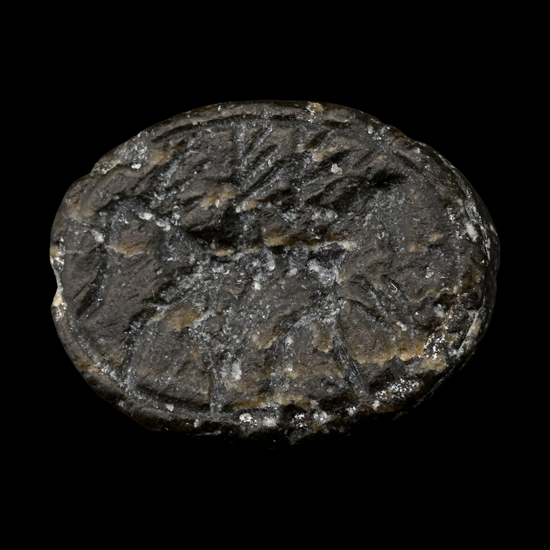
Western Asiatic Black Stone Scaraboid with Walking Horse
Circa 800-700 B.C.Sold for (Inc. bp): £20
Carved anatomical detailing on the body, underside with an advancing horse, and a branch above. 2.45 grams, 15 mm
From a late Warwickshire numismatic collector, his collection formed from the early 1980s.
