
Loading, please wait...
LOT 1778
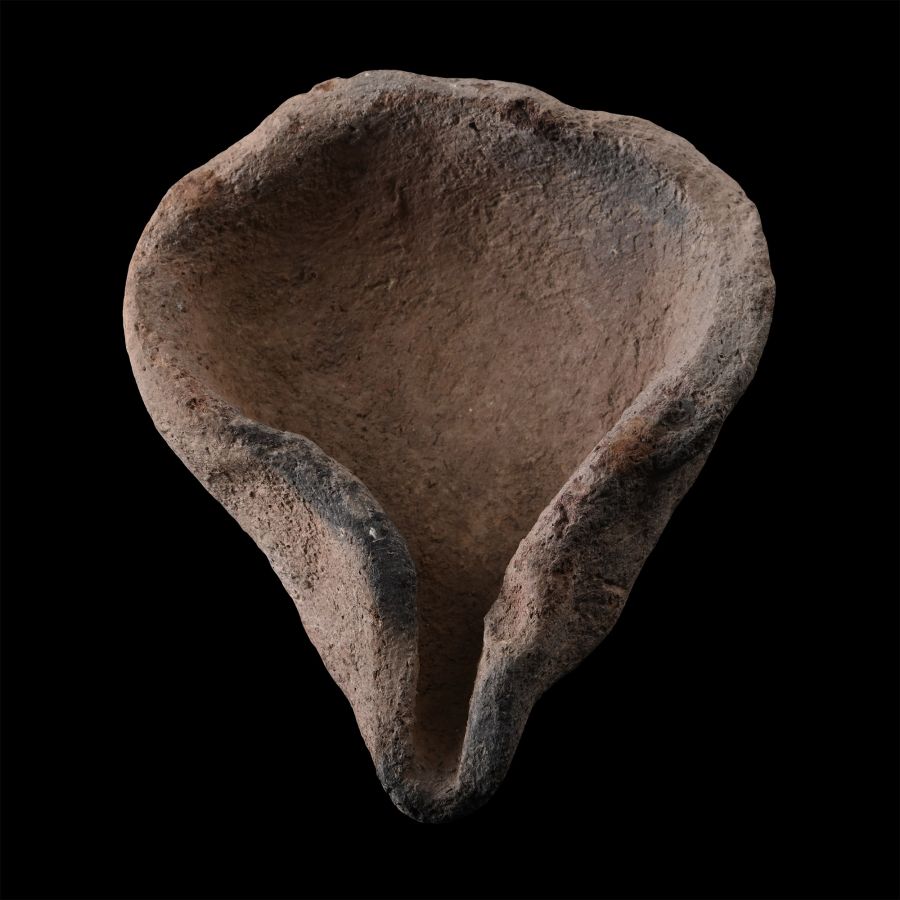
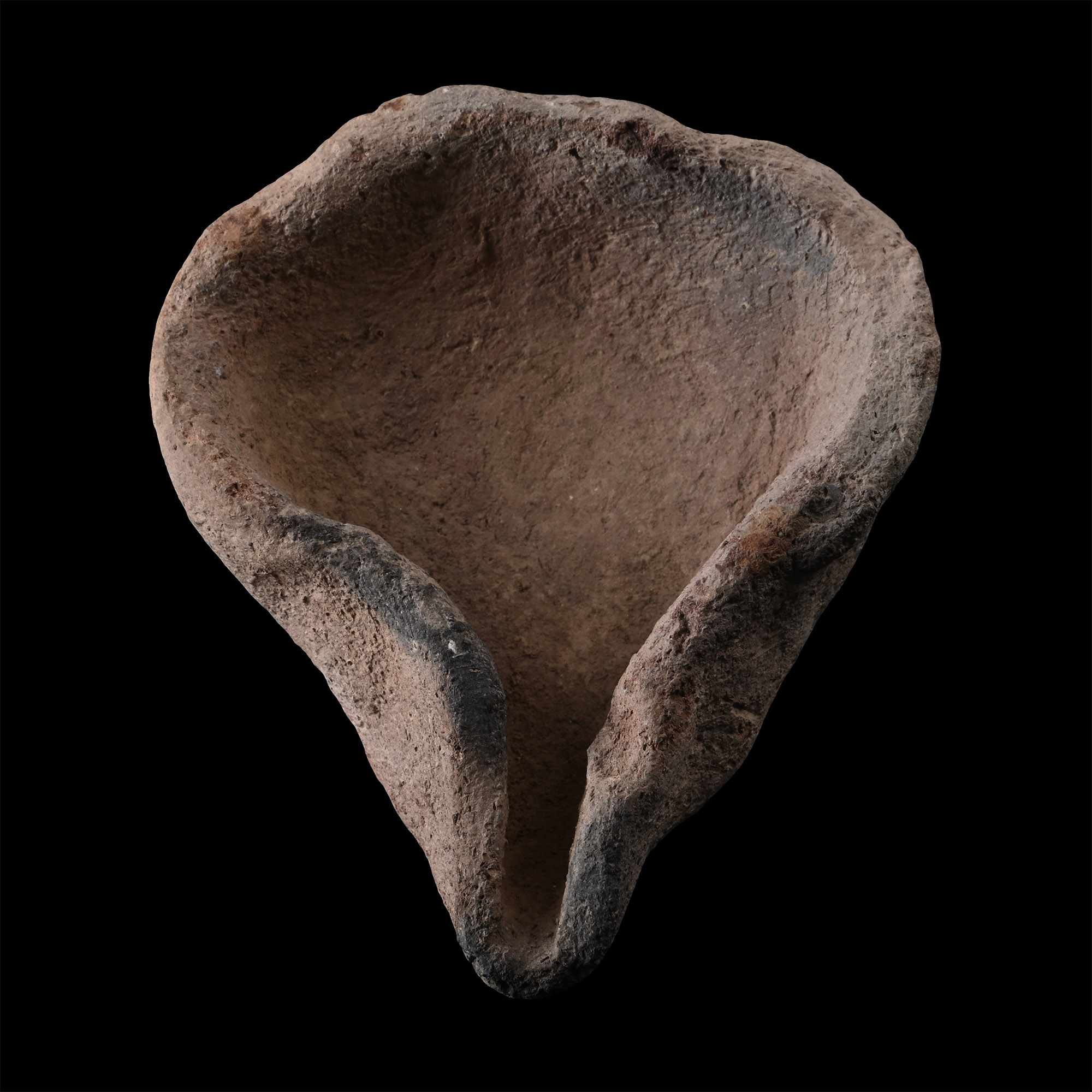
Holy Land Terracotta Pinched Rim Oil Lamp
IRON AGE, LATE 1ST MILLENNIUM B.C.
3 1/2 in. (90 grams, 89 mm).
A shallow oil lamp with an open body and a pinched spout. [No Reserve]
ProvenanceFrom the collection of a Yorkshire, UK gentleman, items collected in the Holy Land in the 1960s.
CONDITIONTimeLine Auctions follows a vetting process to ensure the authenticity and legality of all items, reinforcing our commitment to integrity and responsible trading. Each antiquity, antique, and coin lot undergoes thorough examination by a vetting committee of at least ten external specialists, professional trade association members, scientists, and archaeologists: Our Vetting Process
AUCTIONS:
TimeLine is a leading auction house specialising in antiquities, ancient art, collectables, natural history, coins, medals, and books. Our auctions offer museums, collectors, historians, and enthusiasts the opportunity to acquire unique and historically significant pieces.
-
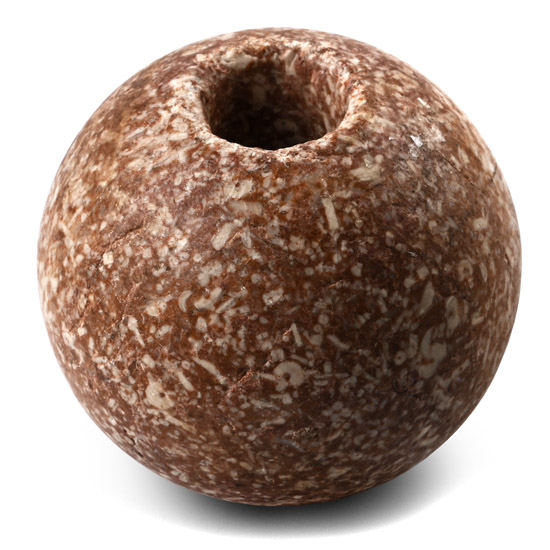
Mesopotamian Carved Stone Macehead
3rd-2nd millennium B.C.Estimate: £500 - 700 (+bp*)
Opening Bid: £250
Carved from a mottled stone as a large sphere with a round socket. 484 grams, 73 mm
Acquired in the late 1980s-early 1990s. Private collection, London. -
.jpg)
Western Asiatic Bronze Statuette of a Horned Demon
1st millennium B.C.Sold for (Inc. bp): £221
Columnar in form with stub to base, arms bent, bearded face surmounted by a conical cap with lateral lugs. 43.4 grams, 87.5 mm
From the private collection of a European gentleman (1942-2024), formed since the 1970s. -
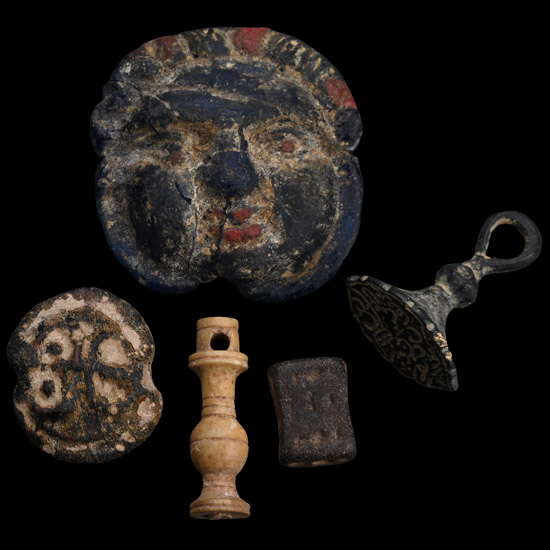
Western Asiatic Bronze and Other Artefact Collection
1st millennium B.C.-17th century A.D.Sold for (Inc. bp): £26
Including a blue glass mask with applied red detailing, a turned bone baluster, cuboid bead with holes to all four sides and other items. 15.7 grams total, 11-31 mm
From the collection of a gentleman, acquired on the London art market in the 1990s.
