
Loading, please wait...
LOT 1221
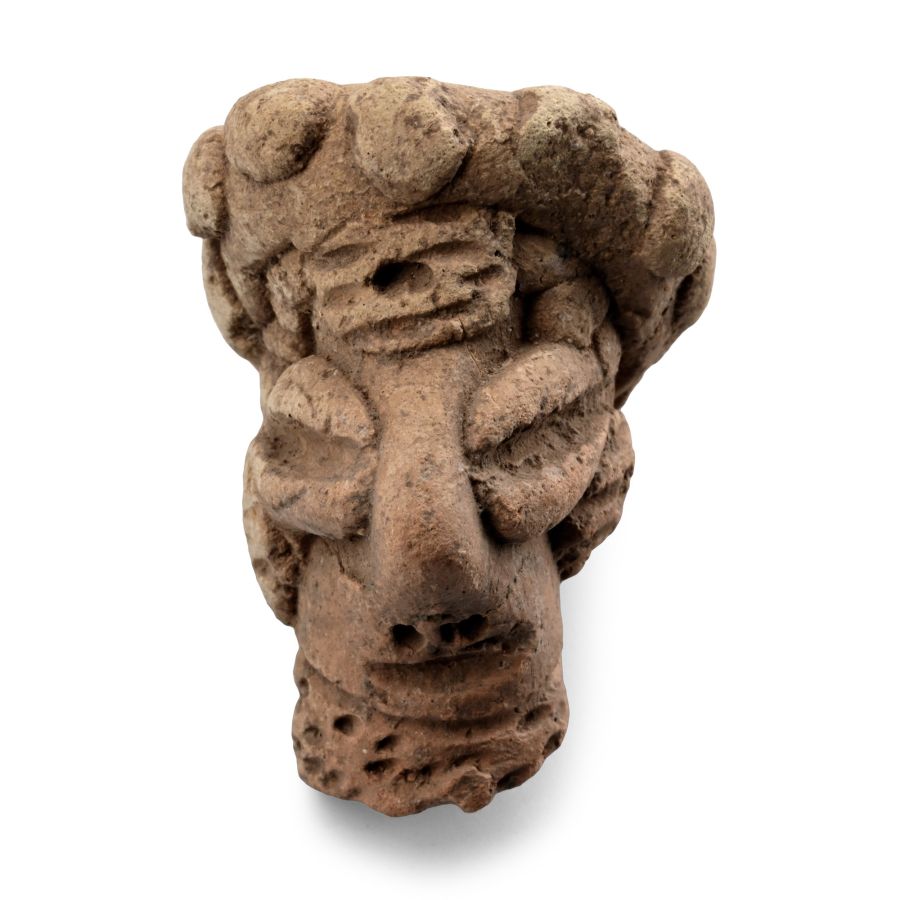
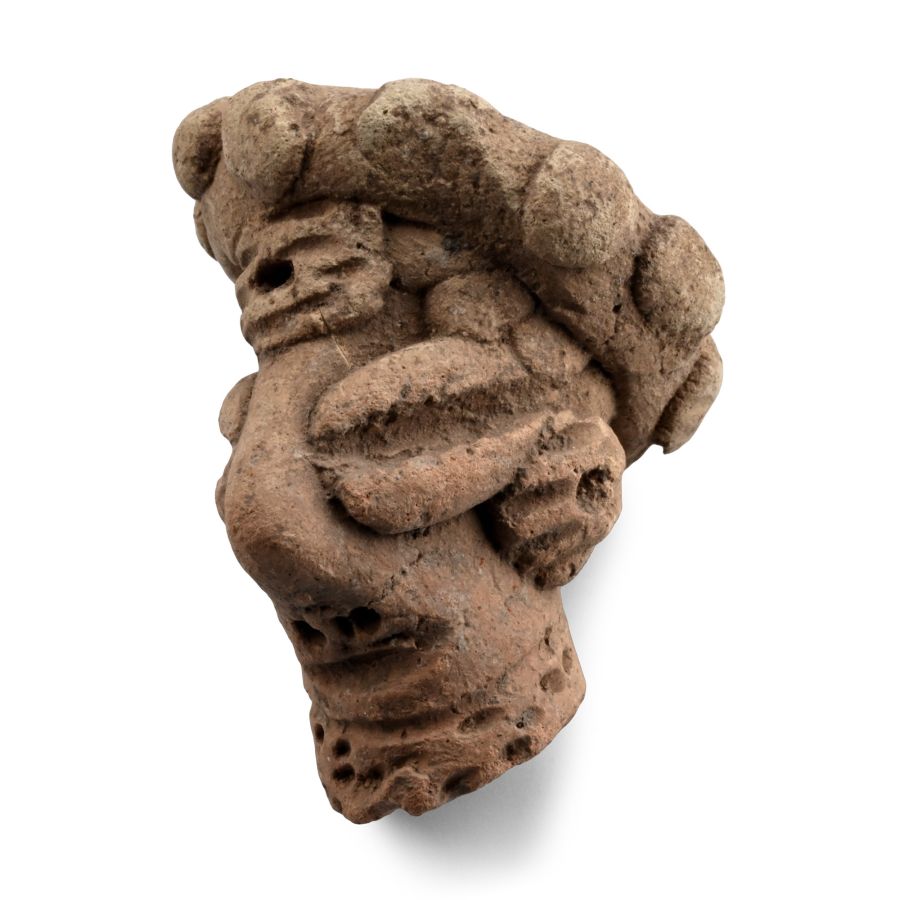
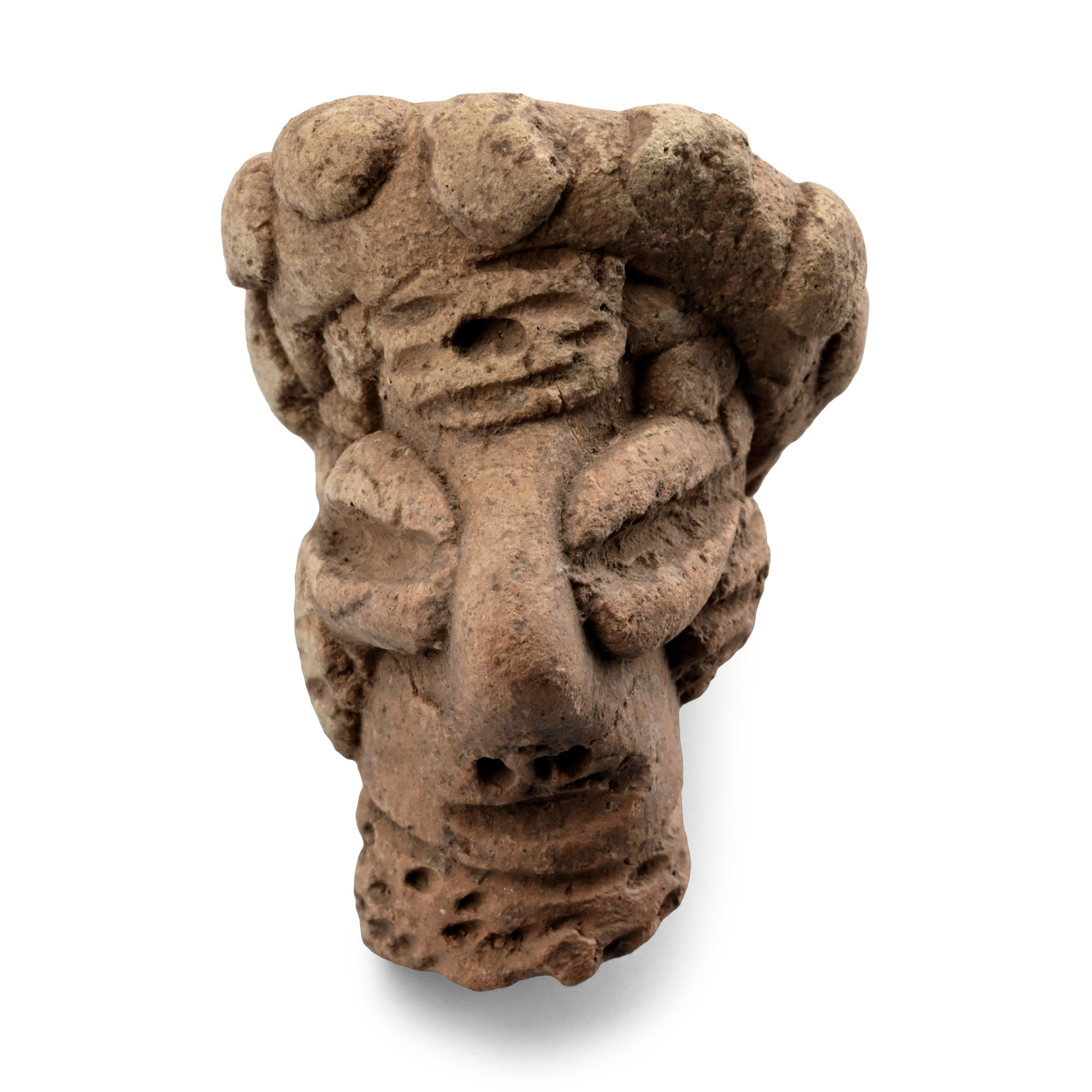
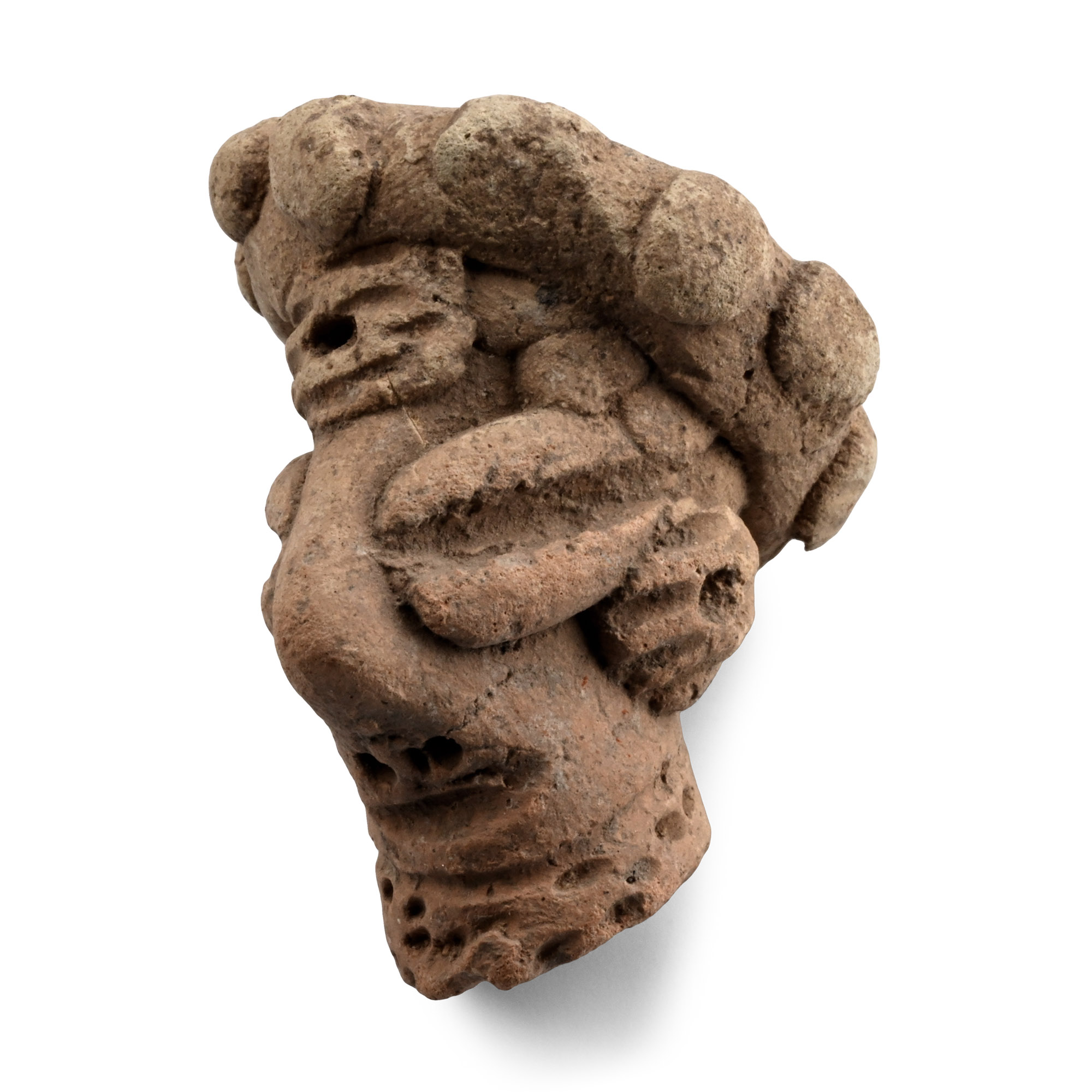
Hittite Ceramic Idol Head
2ND MILLENNIUM B.C.
1 1/4 in. (11 grams, 30 mm).
Head with applied headdress, eyes and earrings, pointillé nostrils and collar. [No Reserve]
ProvenanceEx an important Dutch collection; acquired on the European art market in the 1970s.
From the private collection of John Meredith, acquired since the 1990s; thence by descent.
This lot has been cleared against the Art Loss Register database, and is accompanied by an illustrated lot declaration signed by the Head of the Antiquities Department, Dr Raffaele D'Amato.
TimeLine Auctions follows a vetting process to ensure the authenticity and legality of all items, reinforcing our commitment to integrity and responsible trading. Each antiquity, antique, and coin lot undergoes thorough examination by a vetting committee of at least ten external specialists, professional trade association members, scientists, and archaeologists: Our Vetting Process
AUCTIONS:
TimeLine is a leading auction house specialising in antiquities, ancient art, collectables, natural history, coins, medals, and books. Our auctions offer museums, collectors, historians, and enthusiasts the opportunity to acquire unique and historically significant pieces.
-
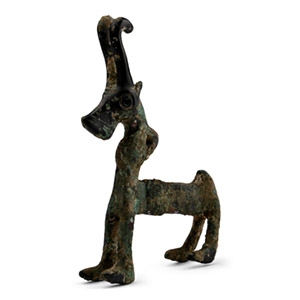
Western Asiatic Bronze Ibex Statuette
2nd-1st millennium B.C.Sold for (Inc. bp): £98
With large horns, loop behind the neck, raised collars to the neck and body. 50 grams, 78 mm
Fine condition.
Property of a Mayfair lady; formerly in an important London collection formed since 1965. From the private collection of John Meredith, acquired since the 1990s; thence by descent. This lot has been cleared against the Art Loss Register database, and is accompanied by an illustrated lot declaration signed by the Head of the Antiquities Department, Dr Raffaele D'Amato. -
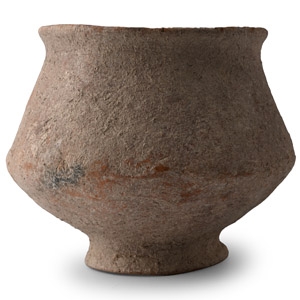
Mesopotamian Stone Vessel
1st millennium B.C.Sold for (Inc. bp): £143
Biconvex in profile with flared foot and everted rim to the mouth. 434 grams, 11.2 cm wide
From a collection formed before 1990. Ex Mayfair, London, UK, gallery, 2000s. This lot has been cleared against the Art Loss Register database, and is accompanied by an illustrated lot declaration signed by the Head of the Antiquities Department, Dr Raffaele D'Amato. -
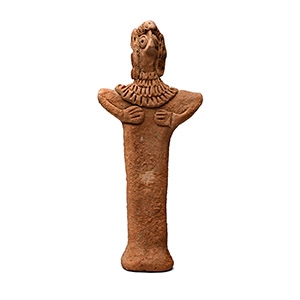
Syro-Hittite Terracotta Fertility Figure
Circa 12th-8th century B.C.Sold for (Inc. bp): £286
Modelled with a flat-section body and splayed base, arms and hands positioned on the chest, applied ornamental collar and headdress or hair; large circular eyes and pinched nose. 146 grams, 18.5 cm high
From the property of the late Mr SM, London, UK, 1969-1999; thence by descent. From the private collection of John Meredith, acquired since the 1990s; thence by descent. This lot has been cleared against the Art Loss Register database, and is accompanied by an illustrated lot declaration signed by the Head of the Antiquities Department, Dr Raffaele D'Amato.
