
Loading, please wait...
LOT 0398
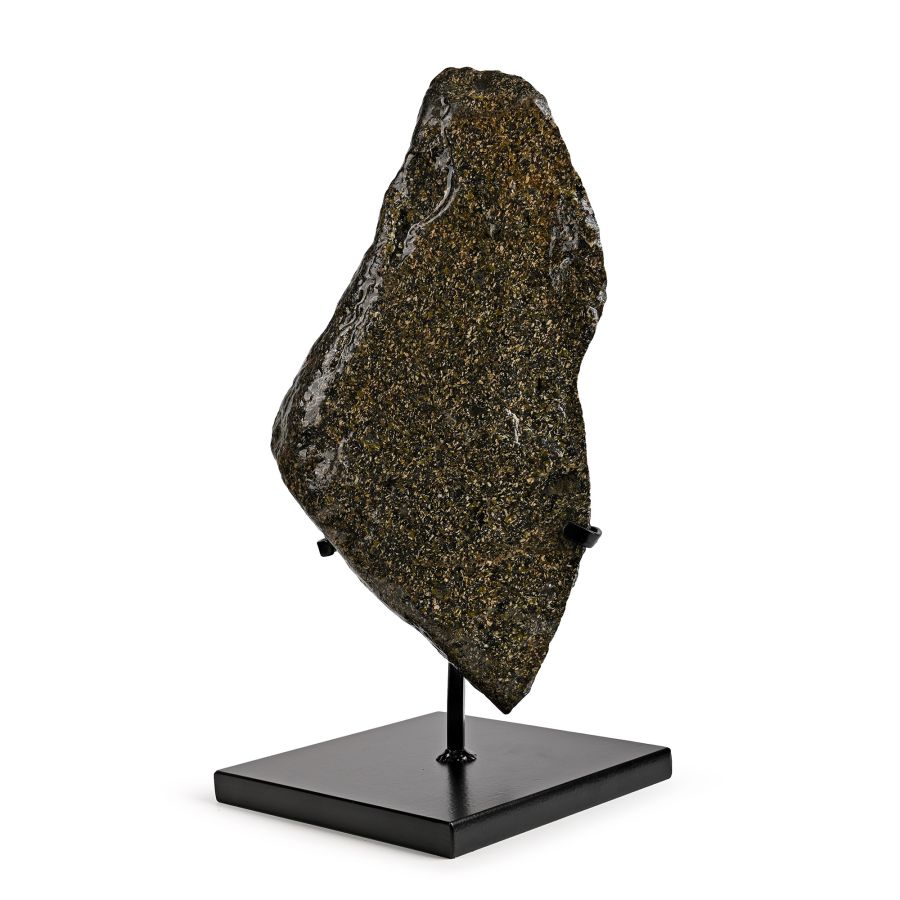
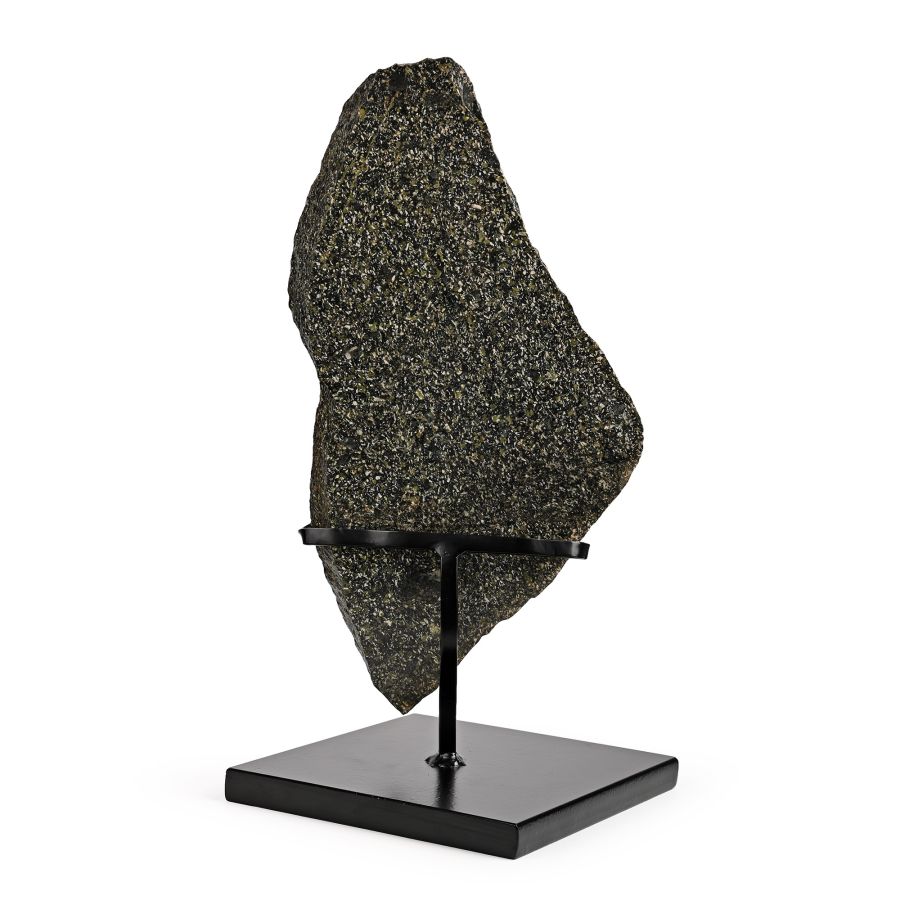
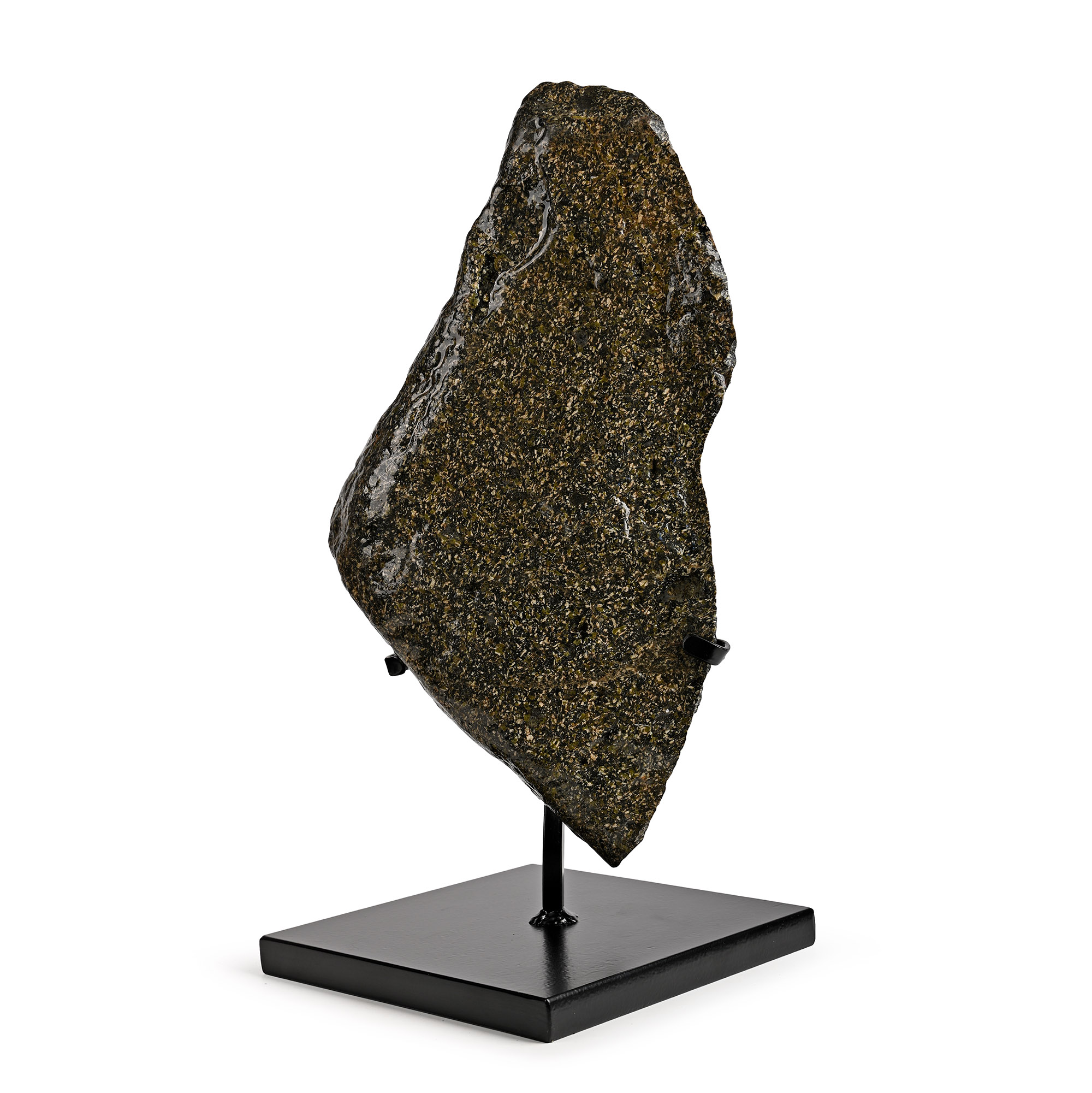
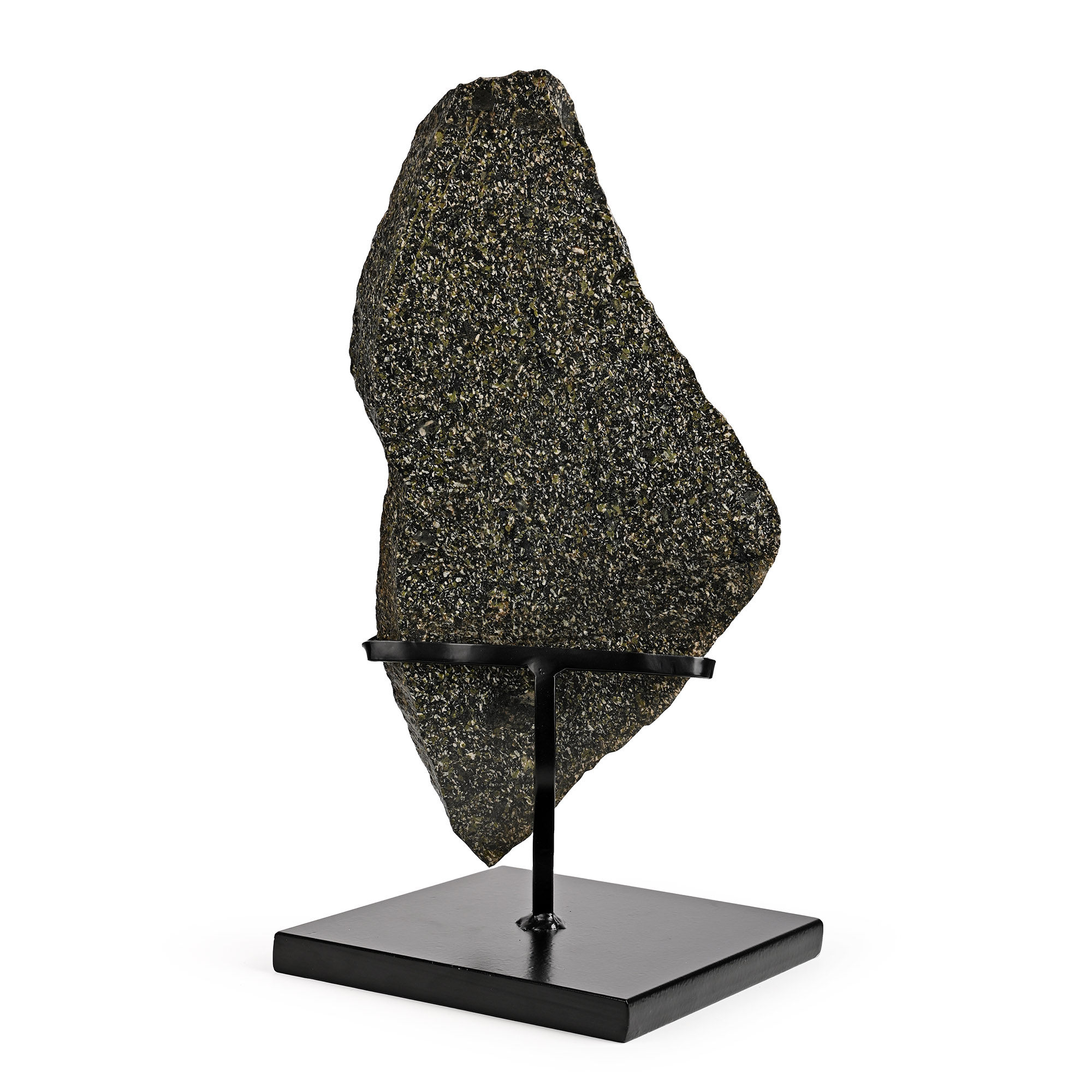
Historic Spartan Basalt Cut and Polished Dark Green Porphyry Slab
17 1/4 in. (9.82 kg total, 44 cm including stand).
Cut and polished section, mined in Greece, cut and polished on one side, probably recycled material mined in ancient Roman times; mounted on a custom-made metal display stand.
ProvenanceAcquired on the UK art market since the 1990s.
From the private collection of a Somerset gentleman.
Also known as Lapis Lacedaemonius and Porfido Verde Antico, a type of green porphyry quarried in Greece. Spartan basalt is a form of andesite or volcanic rock known today only from a single source in the village of Krokees on the Peloponnese in Greece. In addition, ancient sources mention a quarry of Lapis Lacedaemonius in Taygetus.
CONDITIONTimeLine Auctions follows a vetting process to ensure the authenticity and legality of all items, reinforcing our commitment to integrity and responsible trading. Each antiquity, antique, and coin lot undergoes thorough examination by a vetting committee of at least ten external specialists, professional trade association members, scientists, and archaeologists: Our Vetting Process
AUCTIONS:
TimeLine is a leading auction house specialising in antiquities, ancient art, collectables, natural history, coins, medals, and books. Our auctions offer museums, collectors, historians, and enthusiasts the opportunity to acquire unique and historically significant pieces.
LOT 0398
Historic Spartan Basalt Cut and Polished Dark Green Porphyry Slab
Sold for (Inc. bp): £1,170
-
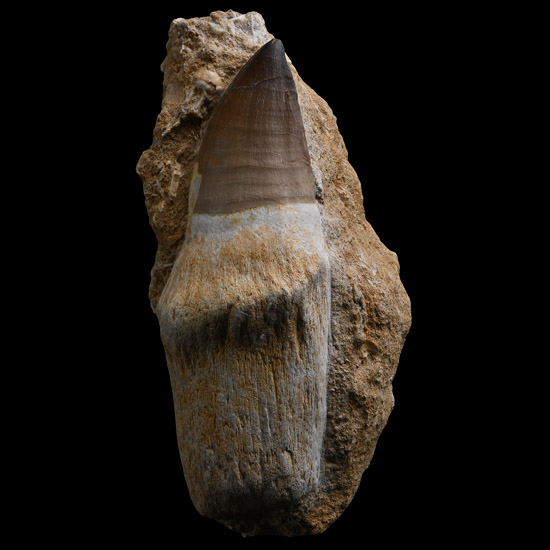
Large Mosasaur 'Marine Dinosaur' Fossil Tooth with Natural Root
Cretaceous Period, circa 145-65 million years B.P.Sold for (Inc. bp): £111
The tooth showing dark brown enamel, set in a sandstone matrix with a composite root for display. 562 grams, 14.5 cm
From Morocco, North Africa. From a Cambridgeshire, UK, collection.
The Mosasaur is an extinct, large marine reptile dinosaur with an elongated body, long snout and paddle-like limbs. Found worldwide, they competed with other well-known sea predators of the Late Cretaceous, such as plesiosaurs and ichthyosaurs, for food, existing primarily on a diet of ammonoids, cuttlefish and fish. -
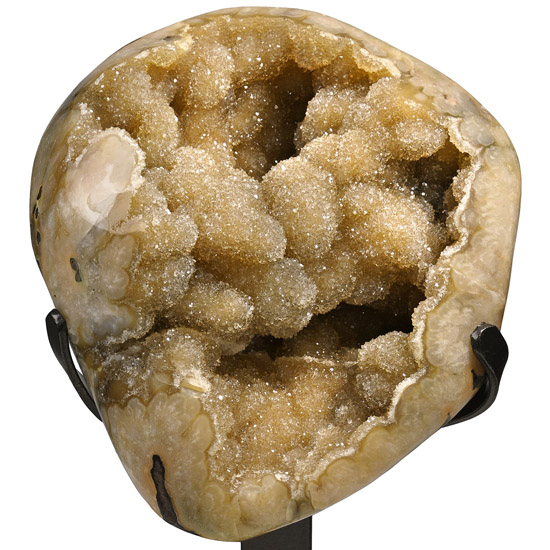
Agate Geode Display with Quartz Crystals
Estimate: £500 - 700 (+bp*)
Opening Bid: £270
A rounded geode section with highly polished borders showing white and brown banding, internal cavity lined with botryoidal formation covered with druzy quartz; mounted on a custom-made display stand. 3.7 kg total, 28 cm including stand
From Artigas, Uruguay. Property of a London lady. -
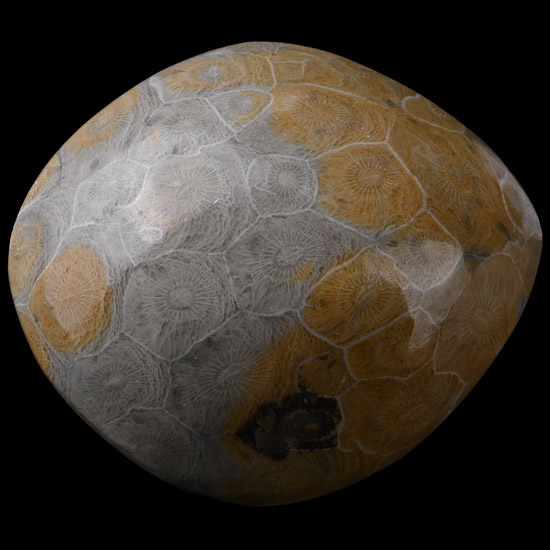
Polished Fossil Coral Head
Devonian Period, circa 417-354 million years B.P.Sold for (Inc. bp): £7
An irregular specimen showing the internal structure. 283 grams, 81 mm
From a Cambridgeshire, UK, collection.
