
Loading, please wait...
LOT 0538
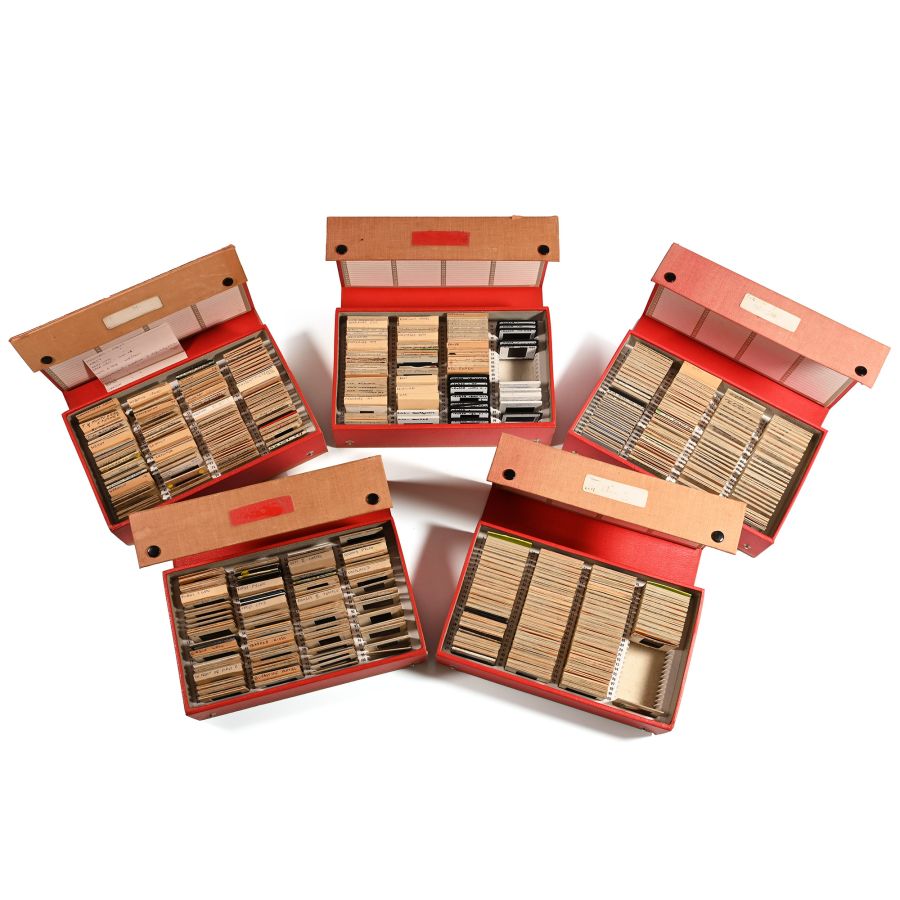
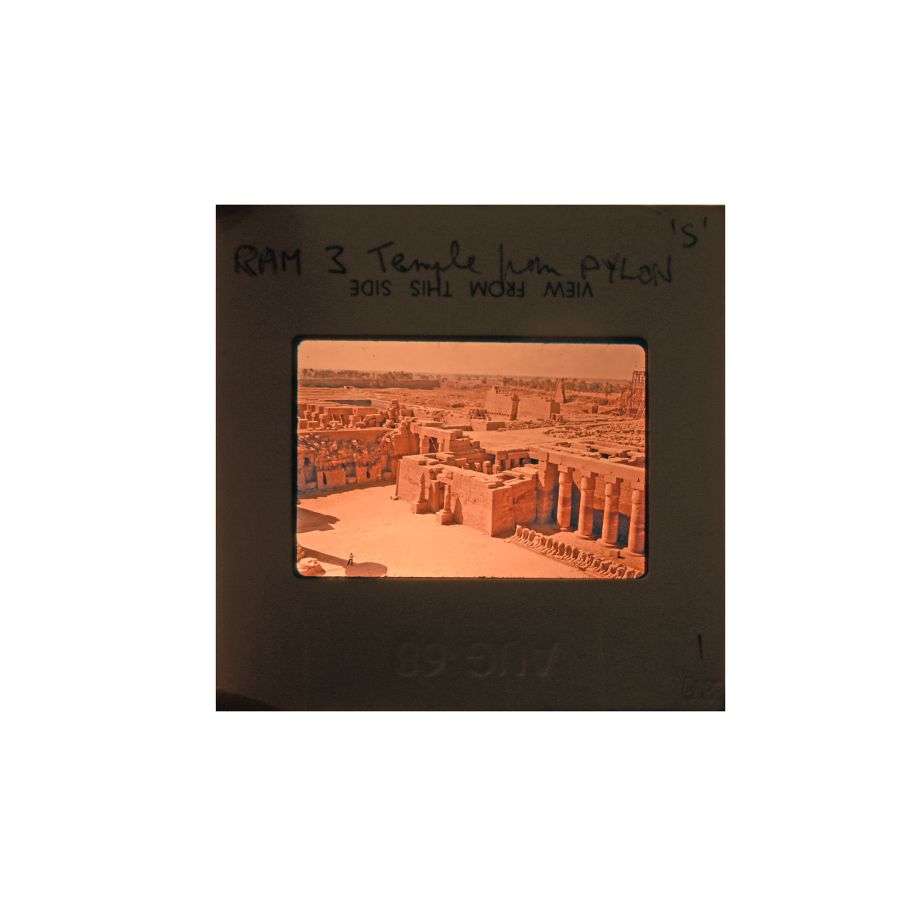
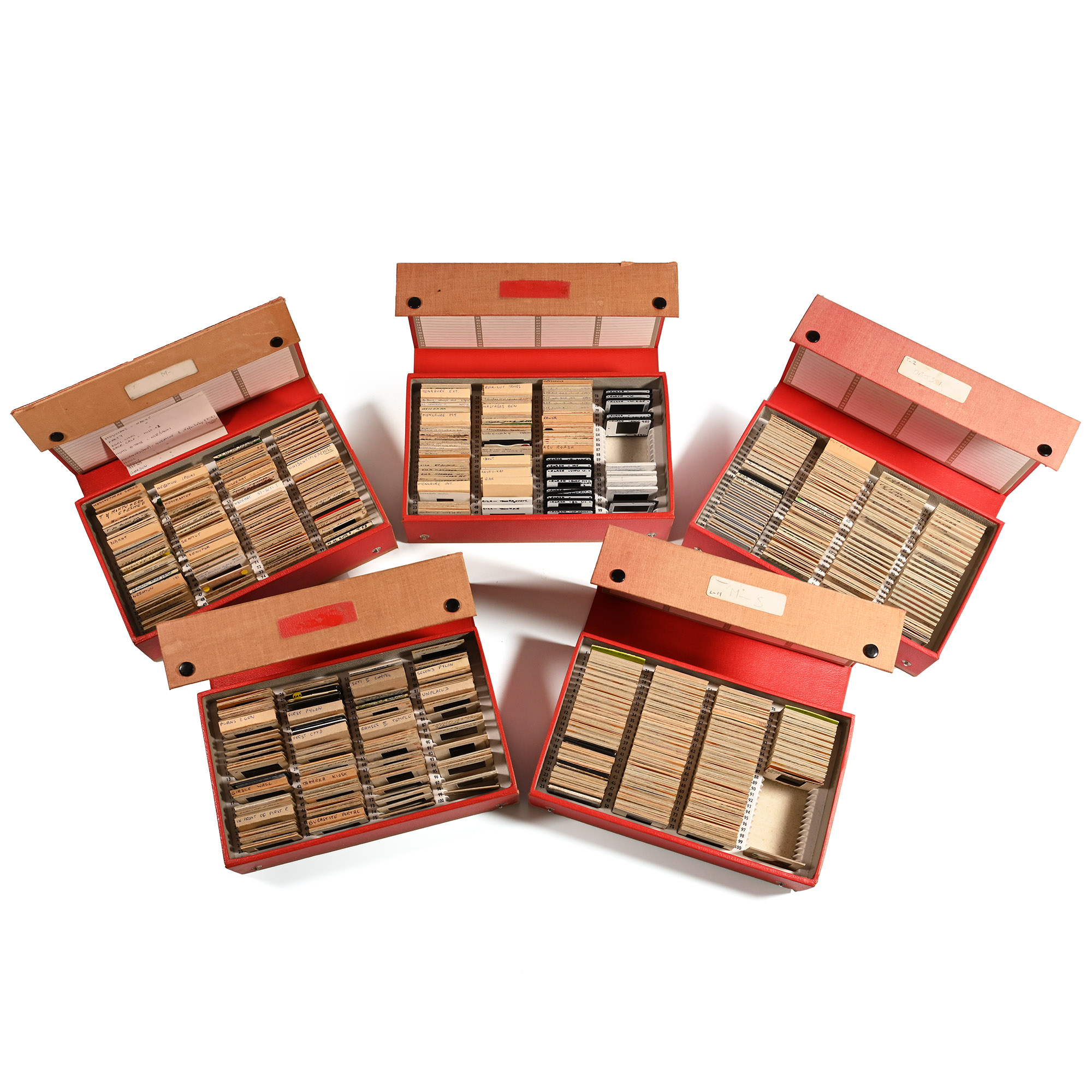
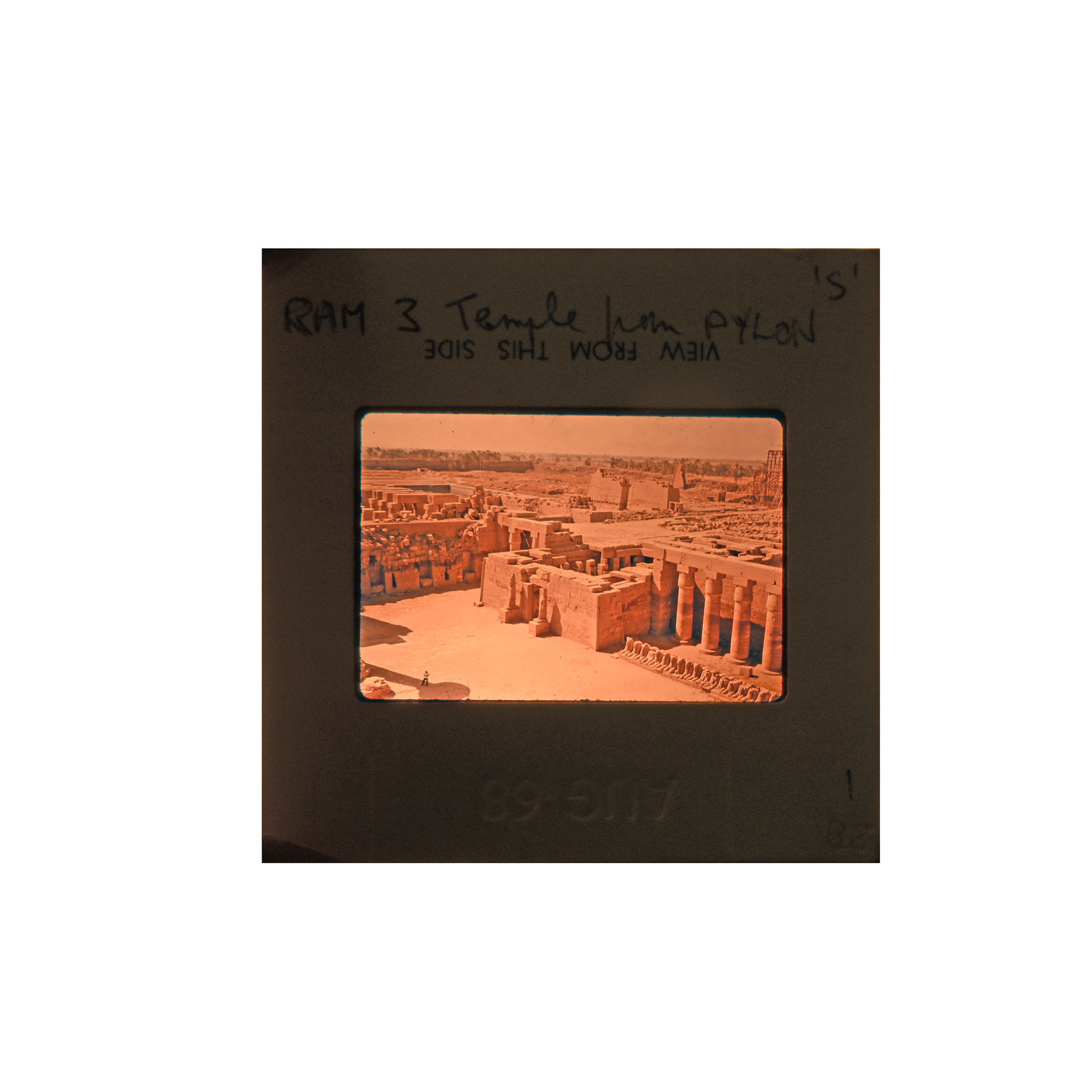
Historic Collection of 859 Slides of Archaeological Sites and Artefacts From Egypt
1960S-1980S A.D.
10 1/2 x 6 1/2 x 2 1/2 in. (4.34 kg total, 26.5 x 16.5 x 6.5 cm each box).
Housed in five linen-covered boxes, covering tombs, wall paintings, Tutankhamun, Giza, El Kab, Menkaure, Roash, Merysankh, Medinet Habu, Abusir, Ramesses III Temple, Seti I Chapel etc. [5, No Reserve]
ProvenanceProperty of archaeologist Stephanie Gee, N.W. London, UK, 1960s-1980s.
FootnotesStephanie Gee was a prominent archaeologist who took part in several expeditions in Egypt. She was a trusted assistant to the British-Australian archaeologist Veronica Seton-Williams, who excavated in Egypt, Britain, and the Near East. Stephanie also took part in the Tell El-Farâ'în expeditions of 1965-1968, and assisted Seton-Williams with preparing the 1966 expedition report. Their collaboration continued and Stephanie helped with the manuscript of Seton-Williams’ book ‘The Road to El-Aguzein’, a narrative account of her life that was first published in 1988.
CONDITIONTimeLine Auctions follows a vetting process to ensure the authenticity and legality of all items, reinforcing our commitment to integrity and responsible trading. Each antiquity, antique, and coin lot undergoes thorough examination by a vetting committee of at least ten external specialists, professional trade association members, scientists, and archaeologists: Our Vetting Process
AUCTIONS:
TimeLine is a leading auction house specialising in antiquities, ancient art, collectables, natural history, coins, medals, and books. Our auctions offer museums, collectors, historians, and enthusiasts the opportunity to acquire unique and historically significant pieces.
LOT 0538
Historic Collection of 859 Slides of Archaeological Sites and Artefacts From Egypt
Sold for (Inc. bp): £1,430
-
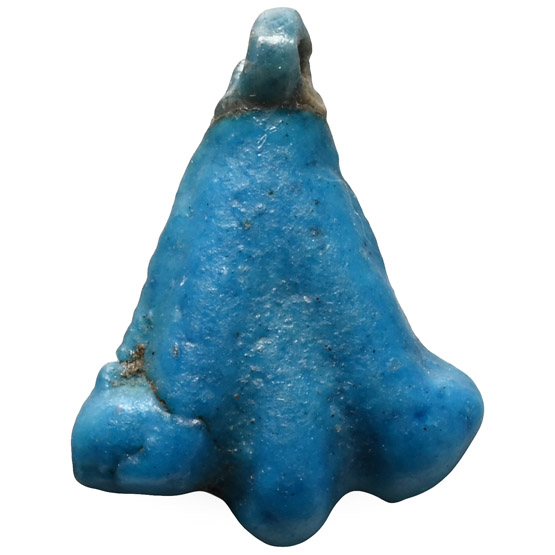
Egyptian Faience Lotus Flower Amulet
18th Dynasty, Amarna Period, 1353-1336 B.C.Estimate: £100 - 140 (+bp*)
Opening Bid: £50
A blue glazed composition pendant in the form of a lotus, with some repair to the suspension loop. 0.26 grams, 14 mm
Repaired.
Ex early 20th century London collection. -
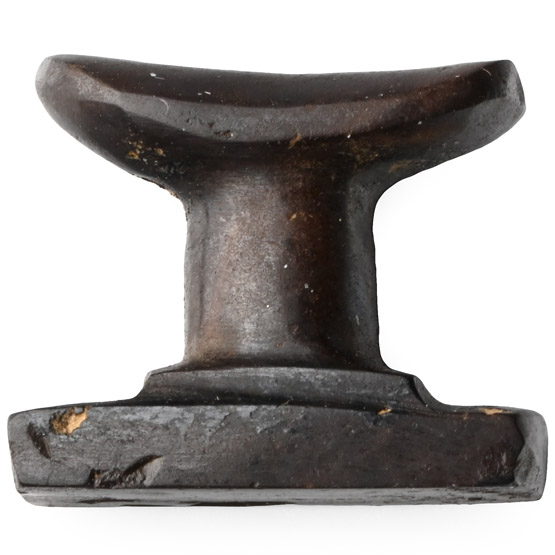
Egyptian Hardstone Headrest Amulet
Late Period, 664-332 B.C.Sold for (Inc. bp): £111
Carved miniature headrest with rectangular base. 1.14 grams, 12 mm
Ex Constable collection, 1990s. Ex Ancient & Oriental, UK. Ex P. Morris collection. Accompanied by an old photograph and a previous catalogue cutting.
The headrest, or weres amulet, was placed under the mummy's head to protect it from damage, and so ensure their rebirth. Most are made of haematite, though other materials, such as faience, were sometimes used. The headrest’s role is specified in Chapter 166 of the Book of the Dead. By the Late Period, they were attached to or inserted into the mummy wrappings. -
.jpg)
Egyptian Faience Horus Falcon Amulet
Late Period, 664-332 B.C.Sold for (Inc. bp): £130
Seated falcon with impressed detailing to wings and head; rectangular base and suspension loop on the back. 1.08 grams, 17 mm
Ex early 20th century collection, London, UK.
Horus is one of the most significant and widely worshipped gods in ancient Egyptian mythology. His importance spans multiple facets of Egyptian religion, including kingship, protection, the sky, and the sun. Depicted in various human and animal forms, Horus played a vital role in Egyptian cosmology, particularly as the Pharaoh's protector and as a symbol of divine authority.
