
Loading, please wait...
LOT 2165
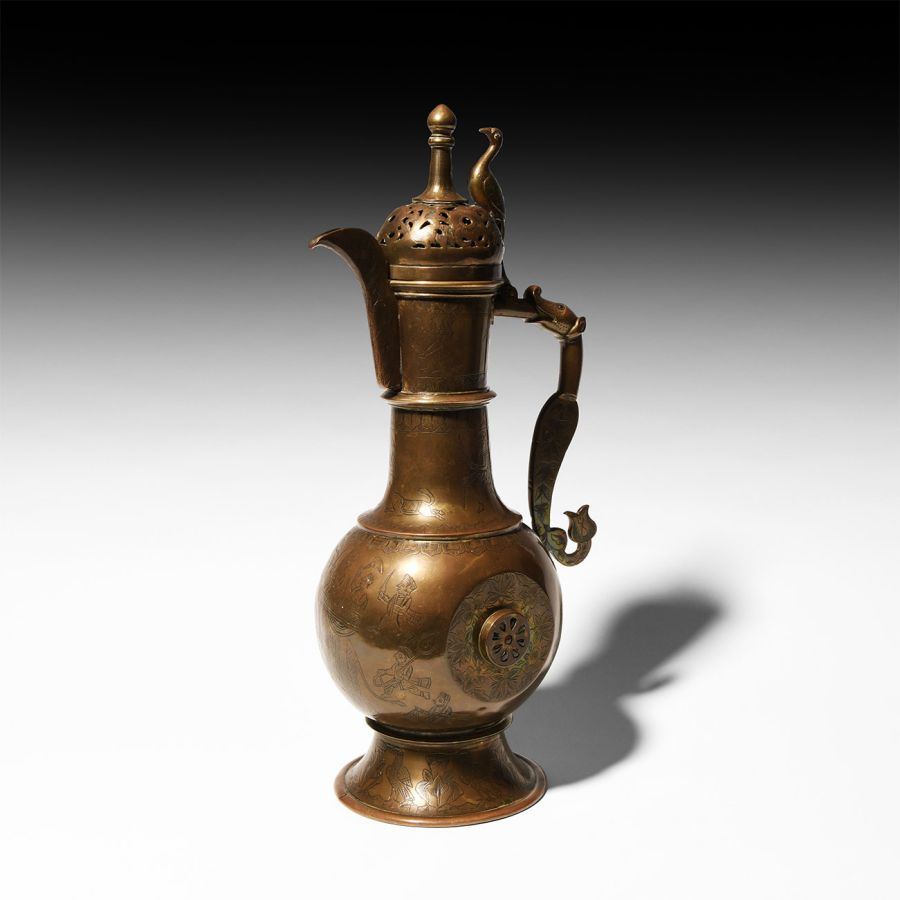
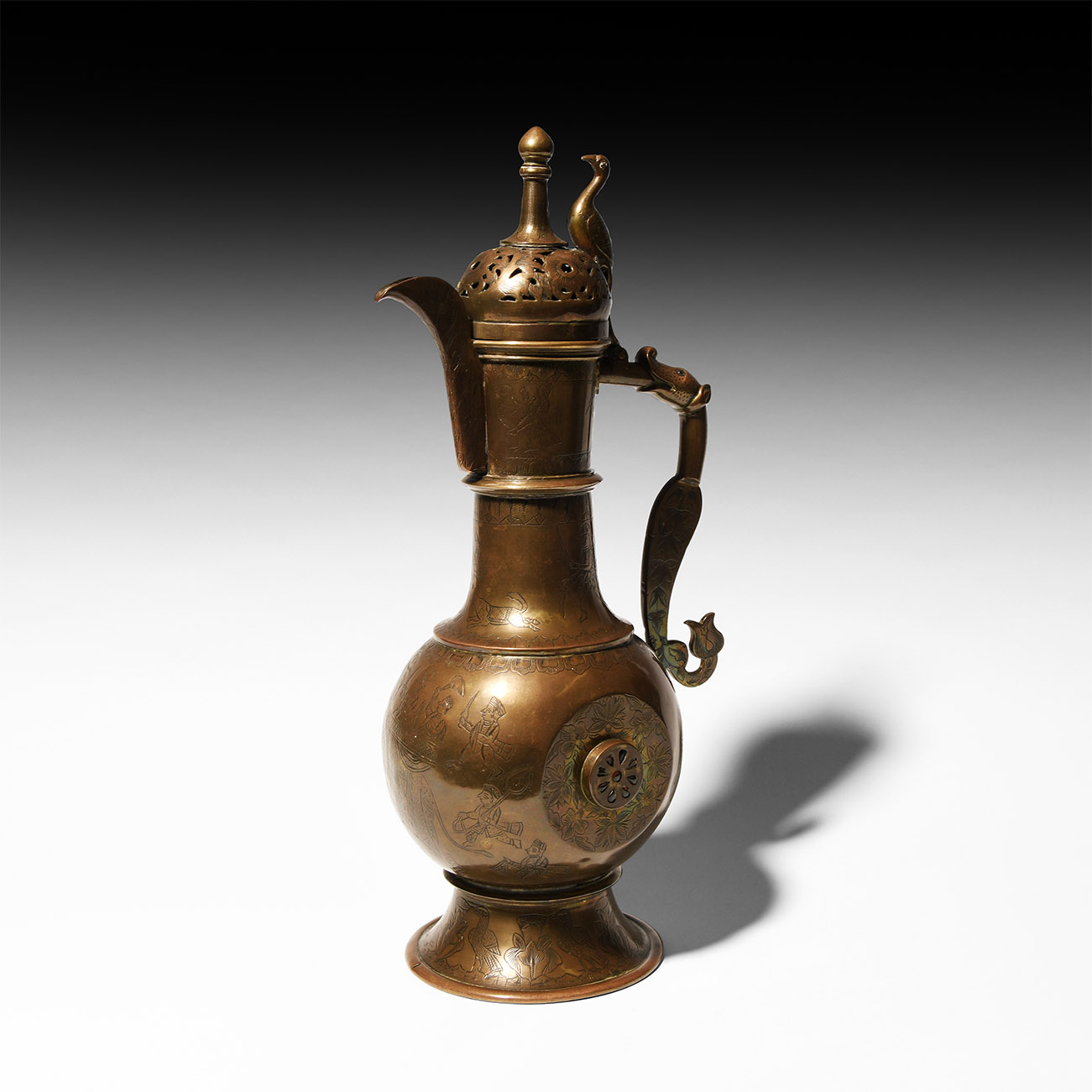
Hindu Brass Ewer
INDIA, 20TH CENTURY A.D.
12 3/4 in. (1.09 kg, 32.5 cm high).
Engraved with figural scenes, animals, floral and foliate motifs, raised roundels with floral motifs inlaid with garnets, floral and foliate openwork lid, thumbpad modelled as a peacock in the round, handle as a stylised sinuous beast with a head at the top and foot, u-section spout.
ProvenanceAcquired on the UK art market, 2000s.
Property of a Suffolk gentleman.
TimeLine Auctions follows a vetting process to ensure the authenticity and legality of all items, reinforcing our commitment to integrity and responsible trading. Each antiquity, antique, and coin lot undergoes thorough examination by a vetting committee of at least ten external specialists, professional trade association members, scientists, and archaeologists: Our Vetting Process
AUCTIONS:
TimeLine is a leading auction house specialising in antiquities, ancient art, collectables, natural history, coins, medals, and books. Our auctions offer museums, collectors, historians, and enthusiasts the opportunity to acquire unique and historically significant pieces.
LOT 2165
Hindu Brass Ewer
Estimate £150 - 200€170 - 230 (for guidance only)$200 - 270 (for guidance only)
-
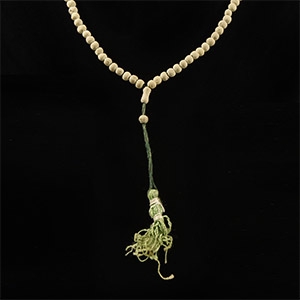
Buddhist Ceramic Prayer Bead String
20th century A.D.Sold for (Inc. bp): £13
Restrung; composed of green-coloured beads of mainly spherical types. 20.4 grams, 71 cm long
UK gallery, early 2000s. -
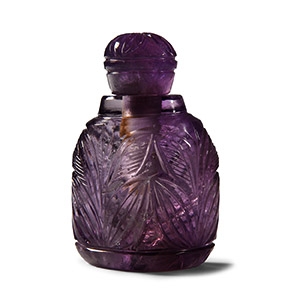
Indian Amethyst Perfume Bottle
Late 20th century A.D.Sold for (Inc. bp): £104
Polished and carved with a rounded triangular cross-section, displaying a frieze of stylised foliate forms, with a quatrelobed flower head to the domed lid. 76 grams, 57 mm
London collection since the 1980s. Property of a Canadian family. -
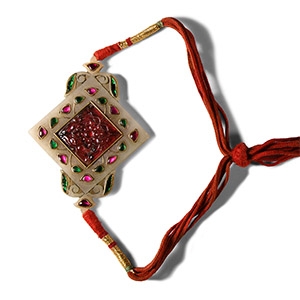
Indian Stone Pendant with Glass and Ruby Inlays
20th century A.D.Sold for (Inc. bp): £241
Lozenge-shaped pale glass pendant in the Mughal style, with openwork arms in the form of flowers, moulded central glass plaque with floral display in relief, leaves and flower heads represented as pink rubies and green glass inlays; large flower head carved to pendant reverse; multi-stranded red cord chain. 52 grams, 80 cm long
London collection since the 1980s. Property of a Canadian family.
