
Loading, please wait...



LOT 2120
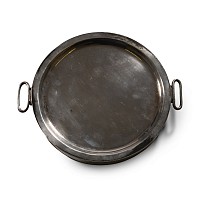
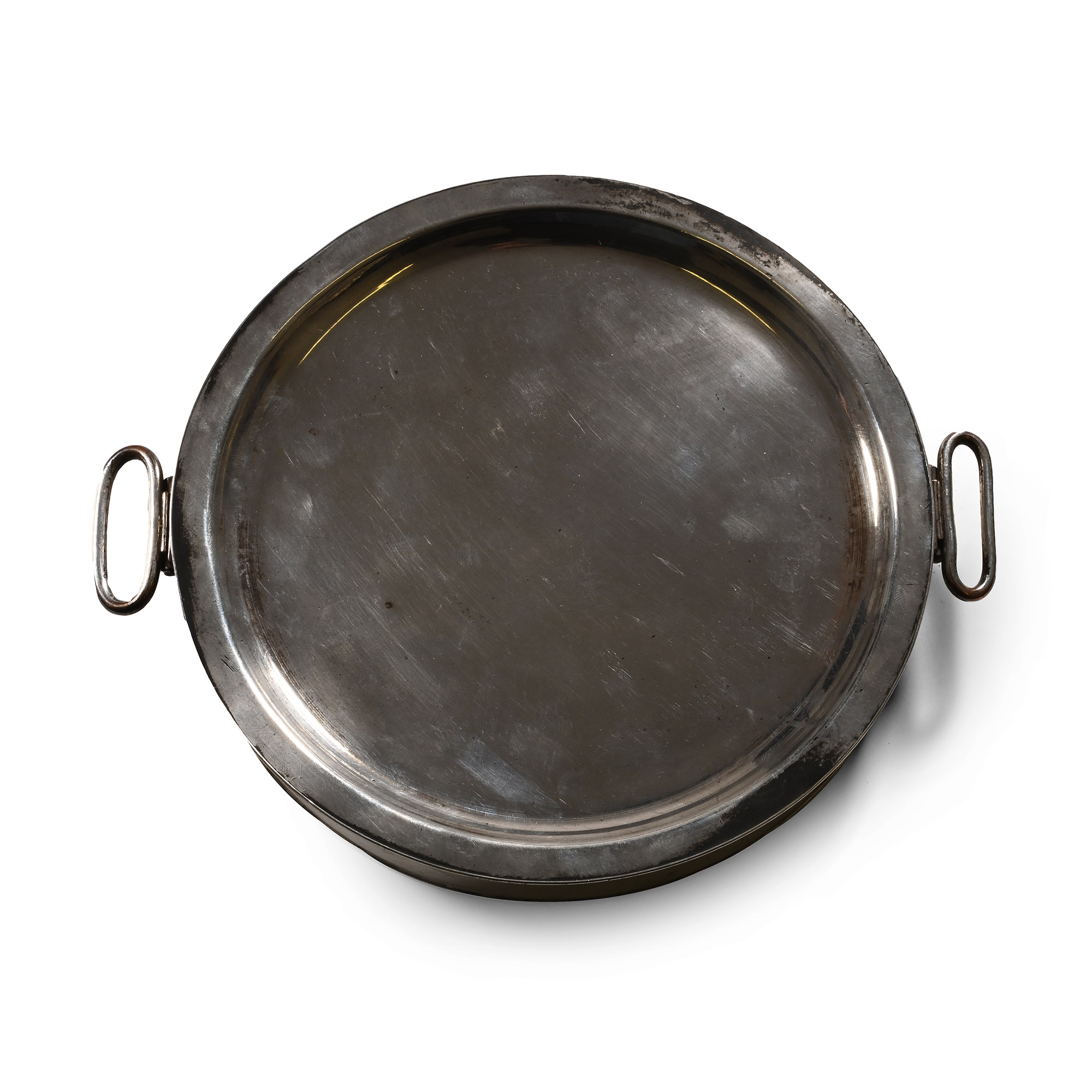
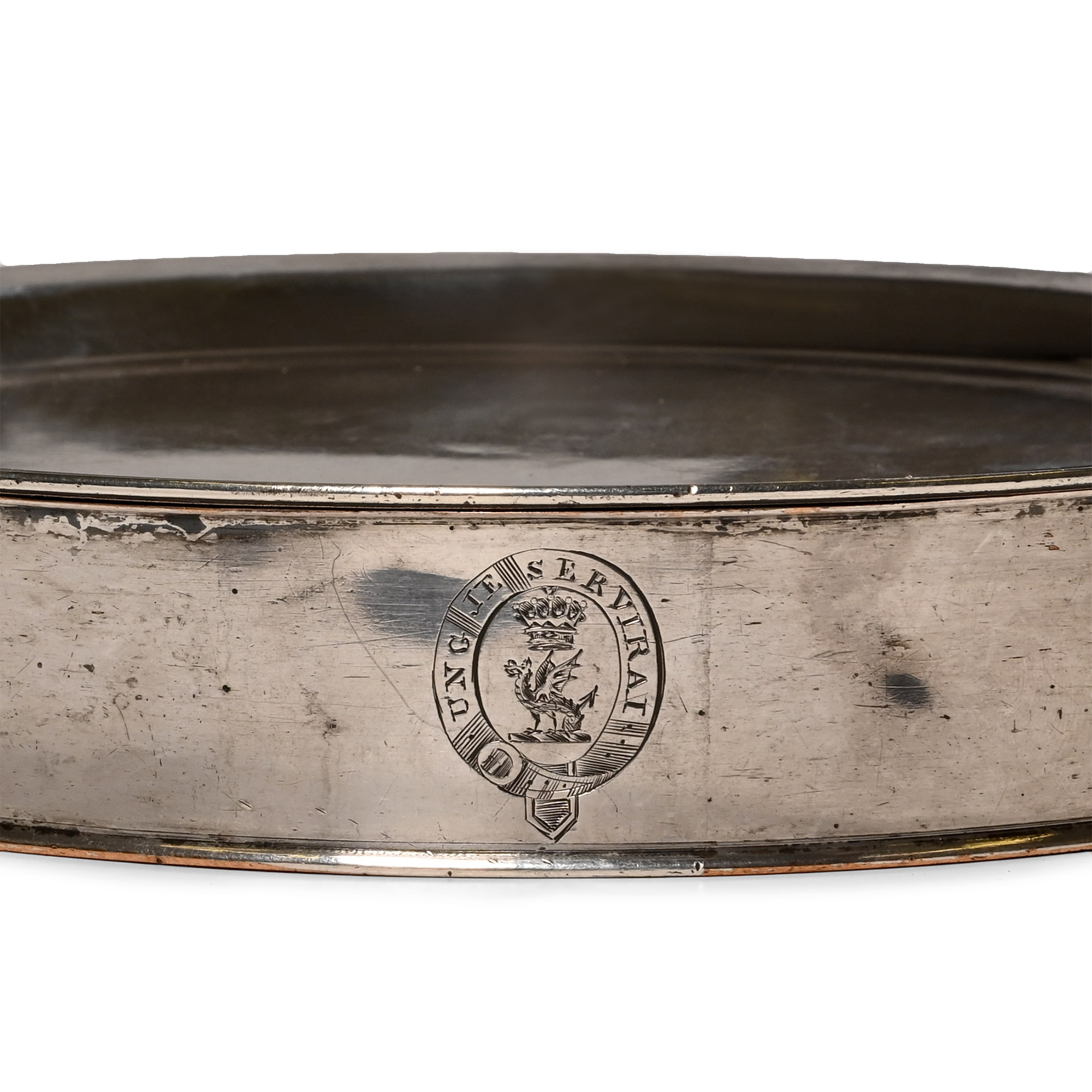
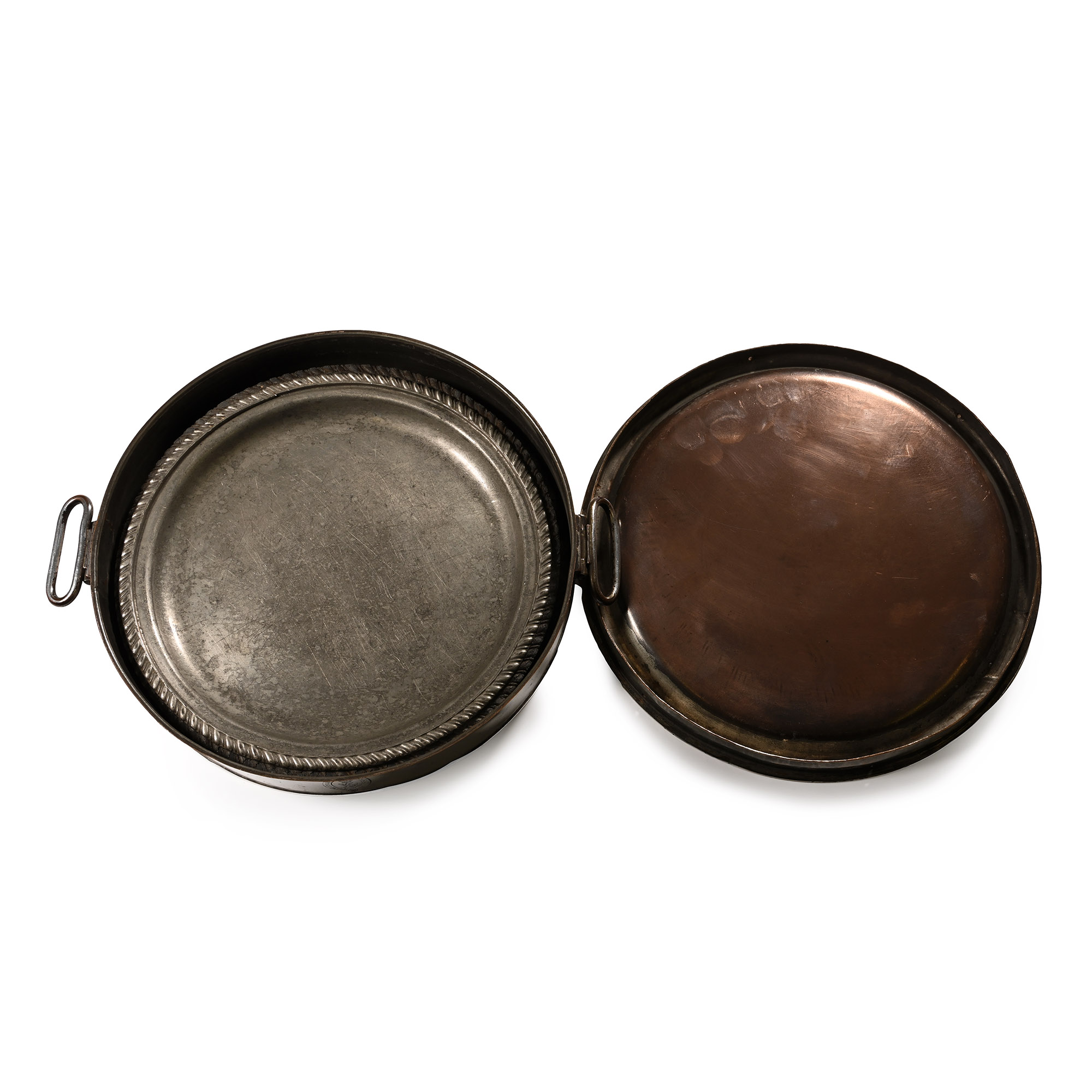
Highclere Castle White Metal Plate Warmer Set with Crest of Lord Carnarvon
EARLY 19TH CENTURY A.D.
9 in. (1.42 kg, 23 cm).
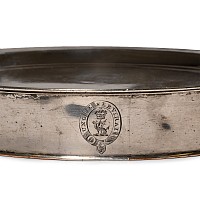
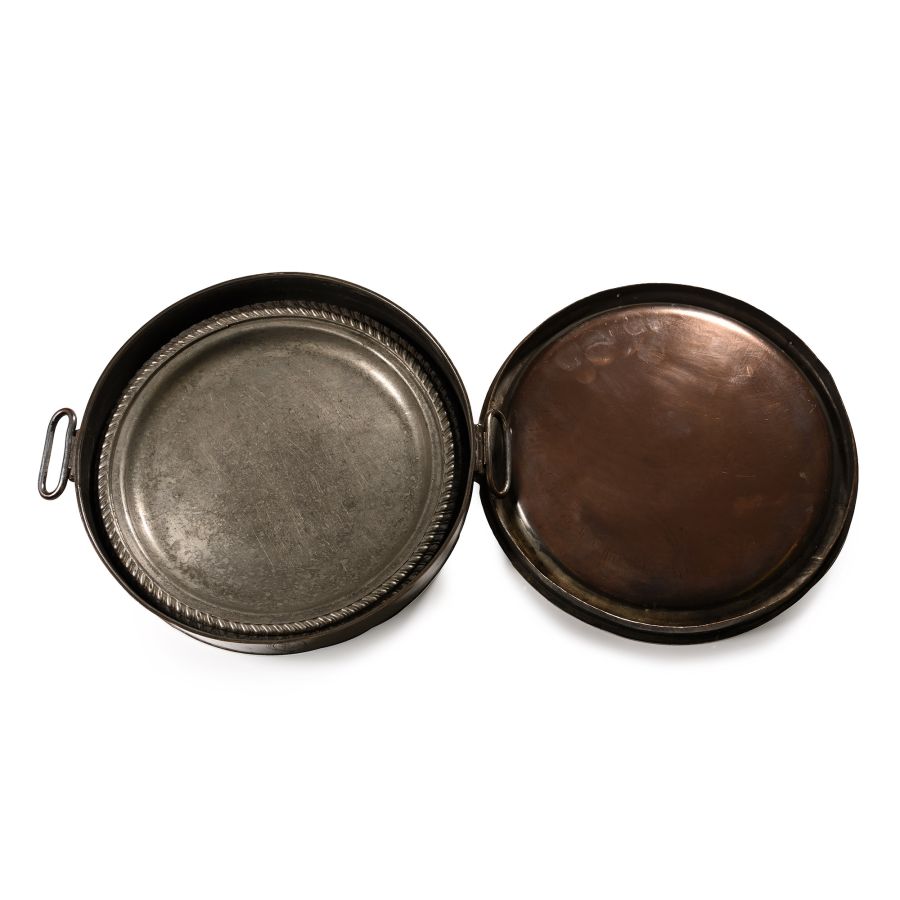
Shallow silver-plated outer case with lateral drop handles and lipped lid with impressed '2' to rim, bae with incised heraldic motif of a dragon crest beneath a coronet within a buckled garter and motto 'Ung Je Servirai' (I will serve only one); two base metal dishes with ropework borders inside. [No Reserve]
ProvenanceFrom Highclere Castle from the 1950s onwards.
Acquired from Newbury Antique Emporium.
Property of a Berkshire, UK, gentleman collector.
This lot is accompanied by an illustrated lot declaration signed by the Head of the Antiquities Department, Dr Raffaele D’Amato.
The motto is that of the Fitzherbert family, the Earls of Carnarvon. Probably the best-known bearer of that title is George Edward Stanhope Molyneux Herbert, 5th Earl of Carnarvon (1866 -1923), who financed the exploratory excavations of Howard Carter which resulted in the discovery and publication of the tomb of the pharaoh Tutankhamen in the 1920s.
On 19 March 1923, Carnarvon contracted blood poisoning after accidentally shaving a mosquito bite infected with erysipelas. He died a few days later on 5 April, in the Continental-Savoy Hotel in Cairo. This unexpected and untimely death gave rise to the story of the 'Curse of the Mummy'. He is buried in a tomb at Beacon Hill, Hampshire and the family lives in Highclere Castle nearby. Highclere is the location chosen for the filming of the BBC drama series 'Downton Abbey'.
TimeLine Auctions follows a vetting process to ensure the authenticity and legality of all items, reinforcing our commitment to integrity and responsible trading. Each antiquity, antique, and coin lot undergoes thorough examination by a vetting committee of at least ten external specialists, professional trade association members, scientists, and archaeologists: Our Vetting Process
AUCTIONS:
TimeLine is a leading auction house specialising in antiquities, ancient art, collectables, natural history, coins, medals, and books. Our auctions offer museums, collectors, historians, and enthusiasts the opportunity to acquire unique and historically significant pieces.
LOT 2120
Highclere Castle White Metal Plate Warmer Set with Crest of Lord Carnarvon
Sold for (Inc. bp): £286
-
.jpg)
Red Jasper Cameo Pair
20th century A.D.Sold for (Inc. bp): £20
Comprising: mature facing male mask with tousled hair and full beard; female bust in three-quarter view with crimped hair, disc brooch to right shoulder. 7.29 grams total, 21-22 mm
Private collection, England. This lot is accompanied by an illustrated lot declaration signed by the Head of the Antiquities Department, Dr Raffaele D’Amato. -
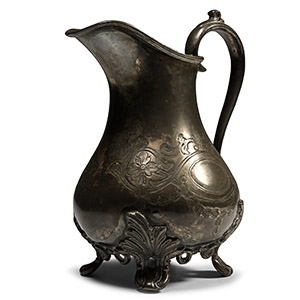
'Lord Carnarvon' Highclere Castle Pewter Ewer
Mid 19th century A.D.Sold for (Inc. bp): £59
Squat in profile with integral looped scrolls and palmette ornament to the stub feet,hatched guilloche and wreath detailing to the body with ellipsoid plaques, broad mouth with rolled rim and broad pouring lip, scrolled handle with thumb-pad; stamped to underside '49 1/2', 'James Dixon & Sons / Sheffield', 'FPBM' (in cartouches) / 51675'. 323 grams, 14.5 cm
By repute from Highclere Castle from the 1950s onwards. Acquired from Newbury Antique Emporium. Property of a Berkshire, UK, gentleman collector. This lot is accompanied by an illustrated lot declaration signed by the Head of the Antiquities Department, Dr Raffaele D’Amato.
Property of George Edward Stanhope Molyneux Herbert, 5th Earl of Carnarvon (1866 -1923), who financed the exploratory excavations of Howard Carter which resulted in the discovery and publication of the tomb of the pharaoh Tutankhamen in the 1920s. On 19 March 1923 Carnarvon contracted blood poisoning after accidentally shaving a mosquito bite infected with erysipelas. He died a few days later on 5 April, in the Continental-Savoy Hotel in Cairo. This unexpected and untimely death gave rise to the story of the 'Curse of the Mummy'. He is buried in a tomb at Beacon Hill, Hampshire and the family lives in Highclere Castle nearby. Highclere is the location chosen for the filming of the BBC drama series 'Downton Abbey'. -
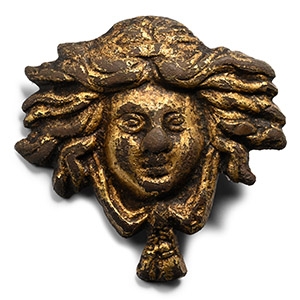
Tudor Age Gilt Bronze Head Mount
16th-17th century A.D.Sold for (Inc. bp): £91
Modelled as the face of a woman with flowing hair, a sash wrapped around the head and the ends tied beneath the chin, possibly representing Medusa; stud to the reverse. 35.8 grams, 50 mm
Ex North American private collection, 1970s-1990s. This lot is accompanied by an illustrated lot declaration signed by the Head of the Antiquities Department, Dr Raffaele D’Amato.
