
Loading, please wait...
LOT 0077
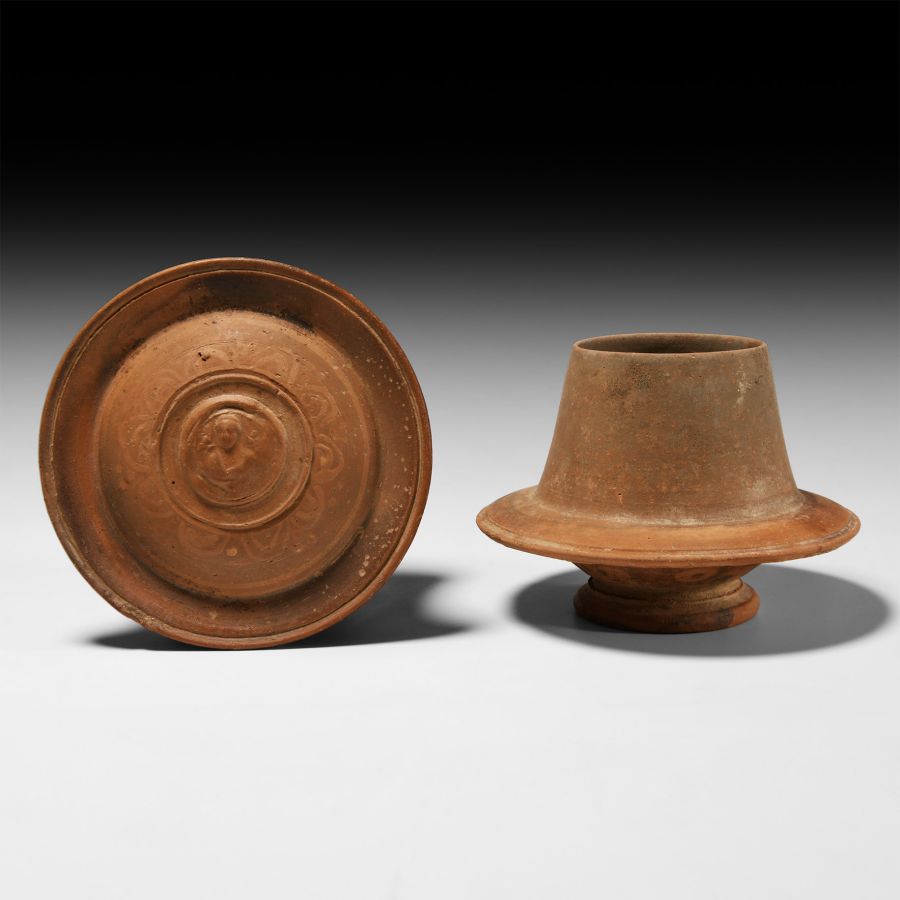
Hellenistic Terracotta Pyxis
3RD-2ND CENTURY B.C.
3 1/2 in. (189 grams, 90 mm wide).
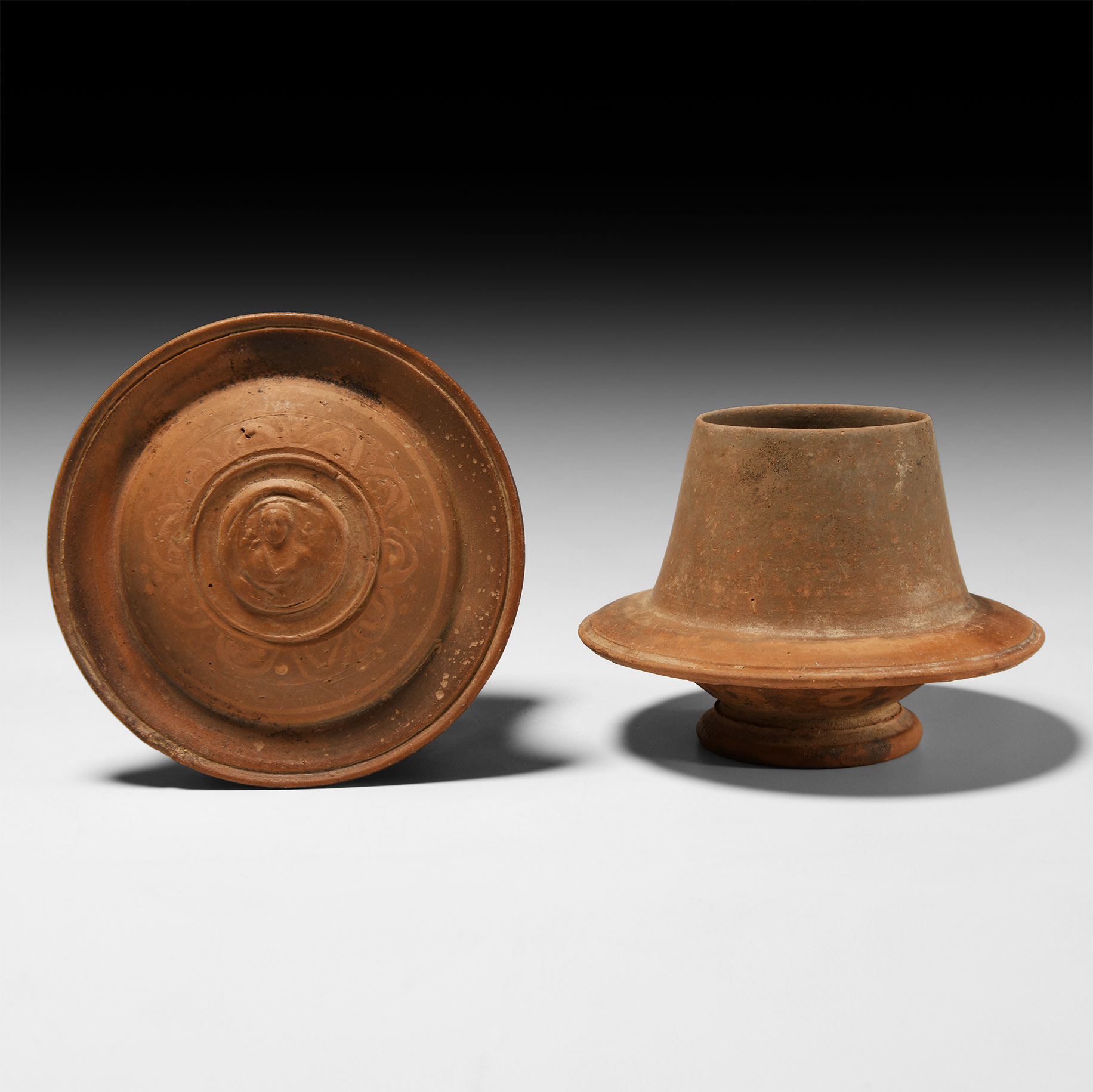
A terracotta pyxis with separate lid; small flared base, carinated profile with large flange rim, lid with broad flange, domed upper face with rosette detailing and central facing female bust.
ProvenanceEx Atenasov collection, Germany, before 1973.
LiteratureCf. a vessel of similar form but undecorated in the British Museum, London, under accession number 1866,0415.49.
CONDITIONTimeLine Auctions follows a vetting process to ensure the authenticity and legality of all items, reinforcing our commitment to integrity and responsible trading. Each antiquity, antique, and coin lot undergoes thorough examination by a vetting committee of at least ten external specialists, professional trade association members, scientists, and archaeologists: Our Vetting Process
AUCTIONS:
TimeLine is a leading auction house specialising in antiquities, ancient art, collectables, natural history, coins, medals, and books. Our auctions offer museums, collectors, historians, and enthusiasts the opportunity to acquire unique and historically significant pieces.
LOT 0077
Hellenistic Terracotta Pyxis
Estimate £1,200 - 1,700€1,390 - 1,970 (for guidance only)$1,620 - 2,300 (for guidance only)
-
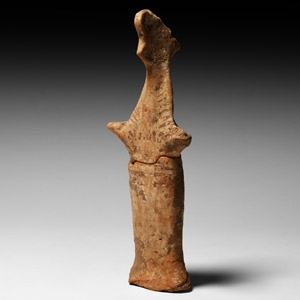
Boeotian Terracotta Idol
6th century B.C.Sold for (Inc. bp): £338
A terracotta idol formed with pinched stub arms and a pinched head crowned with a headpiece; remains of geometric detailing in painted pigment; repaired. 122 grams, 16.5 cm
Acquired early 1990s. Ex private American collection; thence by descent. Private Swiss collection since 1998. -
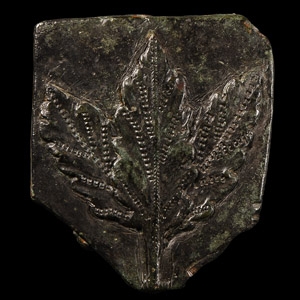
Hellenistic Acanthus Jewellery Matrix
4th-2nd century B.C.Estimate: £120 - 170 (+bp*)
Opening Bid: £60
A trapezoidal bronze matrix, likely for jewellery production, bearing an acanthus leaf motif in relief to one face, with delicate detailing. 78 grams, 57 mm
German collection before 2000. Collection of Mr.D.H., formed in UK, from the EU art market. Property of a Surrey gentleman.
In antiquity, matrices for raising jewellery elements, ornaments and plaques were made of bronze, stone or reinforced terracotta. Matrices with designs in relief were used as an alternative to matrices with hollow designs or intaglio matrices. -
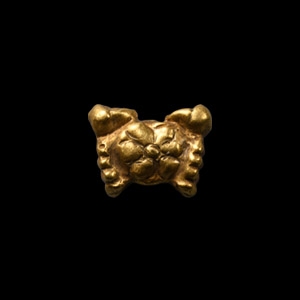
Graeco-Roman Gold Crab Amulet
2nd century B.C-1st century A.D.Sold for (Inc. bp): £191
A hollow-formed gold amulet of a crab with socketted claws above, pierced for attachment. 0.85 grams, 11.5 mm
Fine condition.
Acquired 1970s-1980s. Ex UK collection. Property of a Portsmouth, UK gentleman.
