
Loading, please wait...
LOT 0533
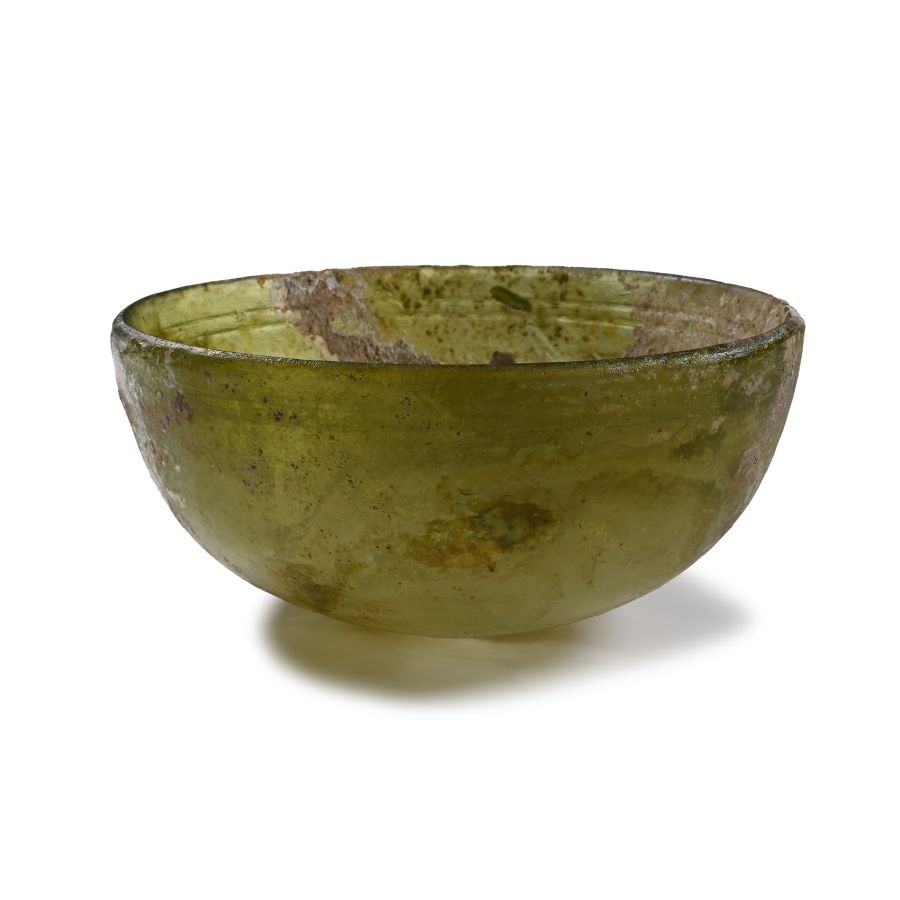
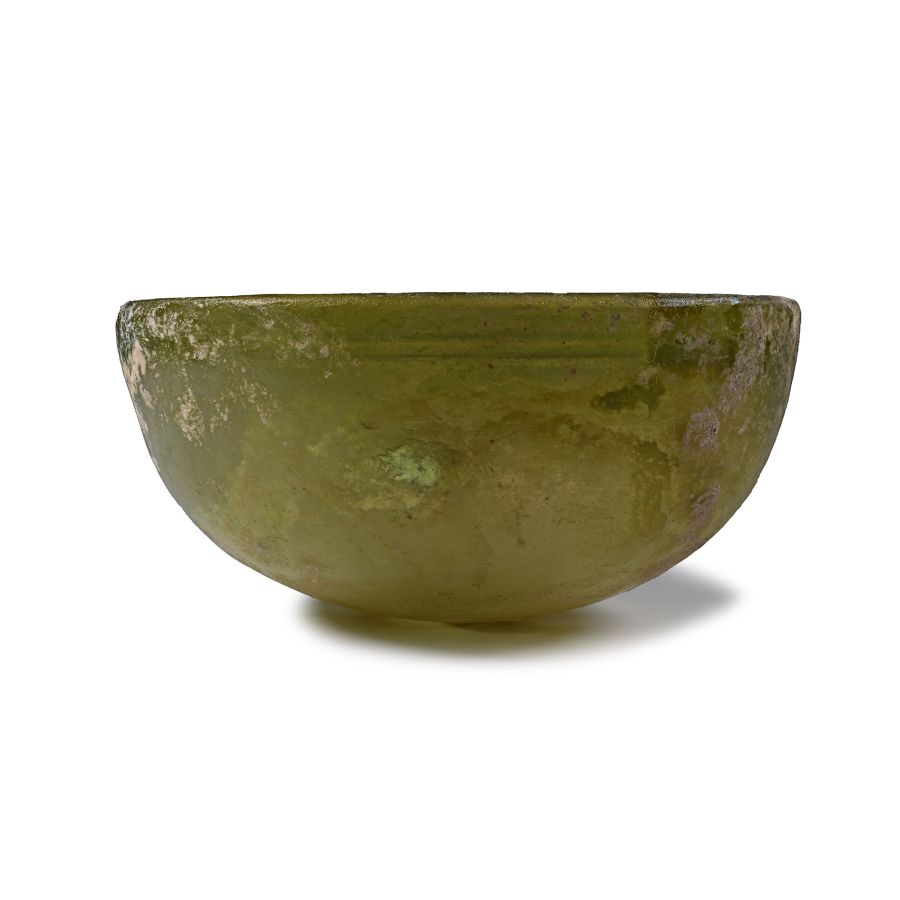
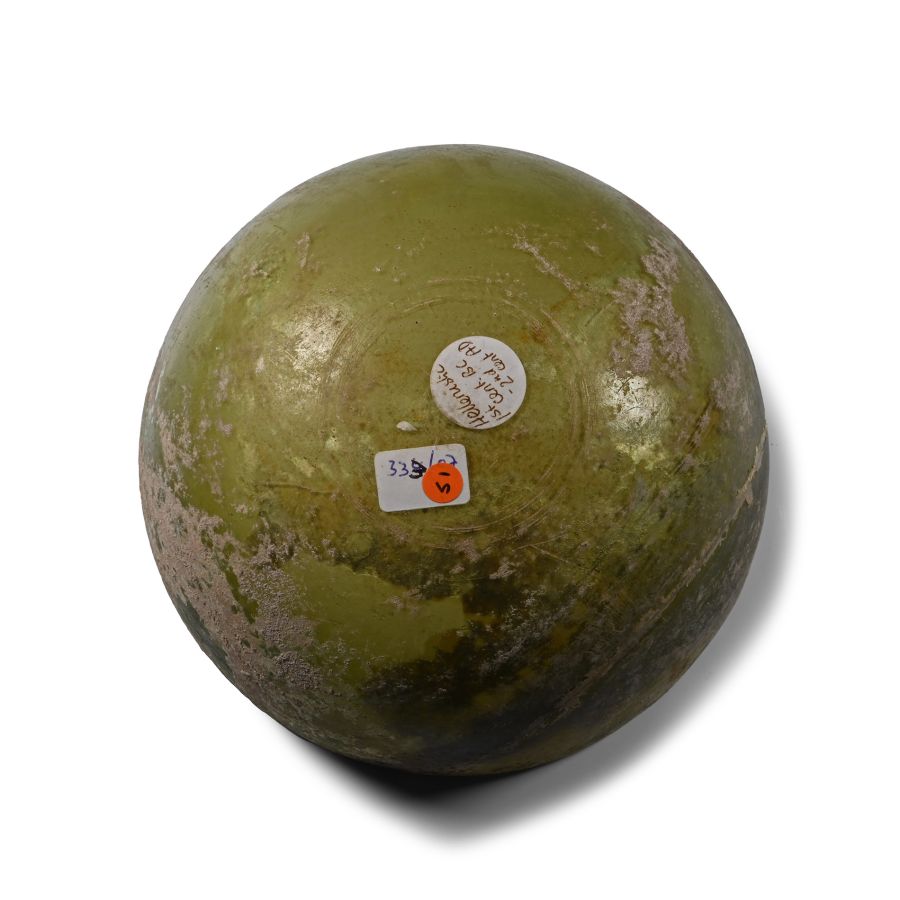
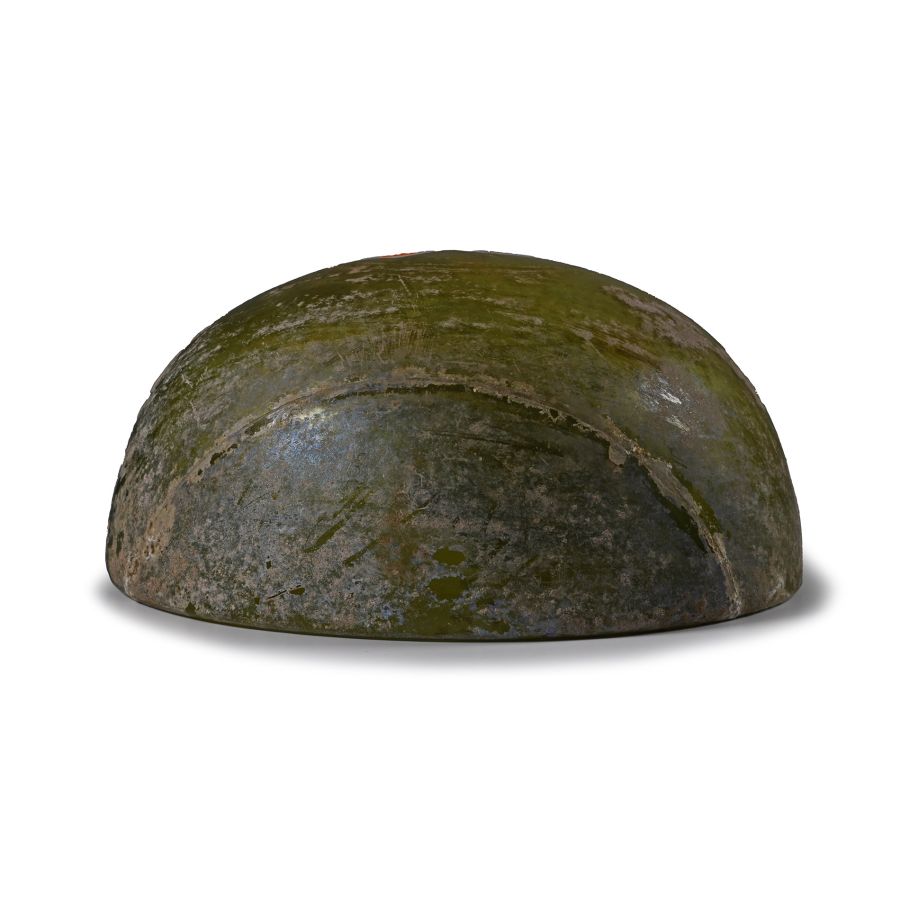
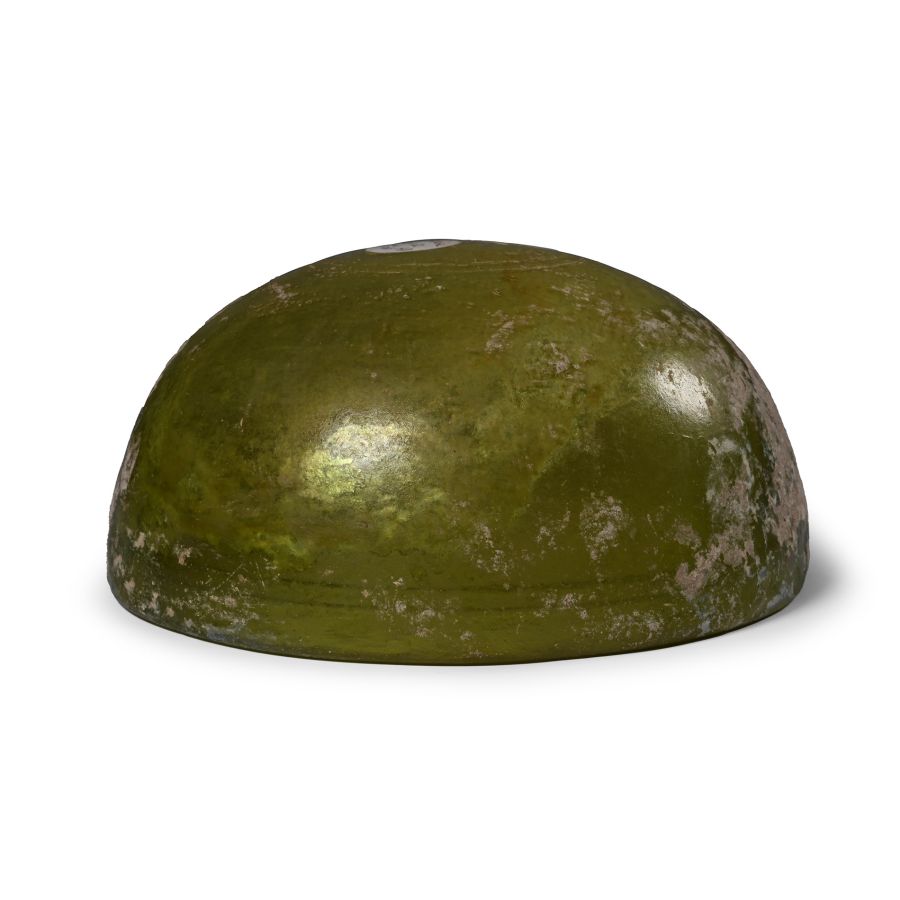
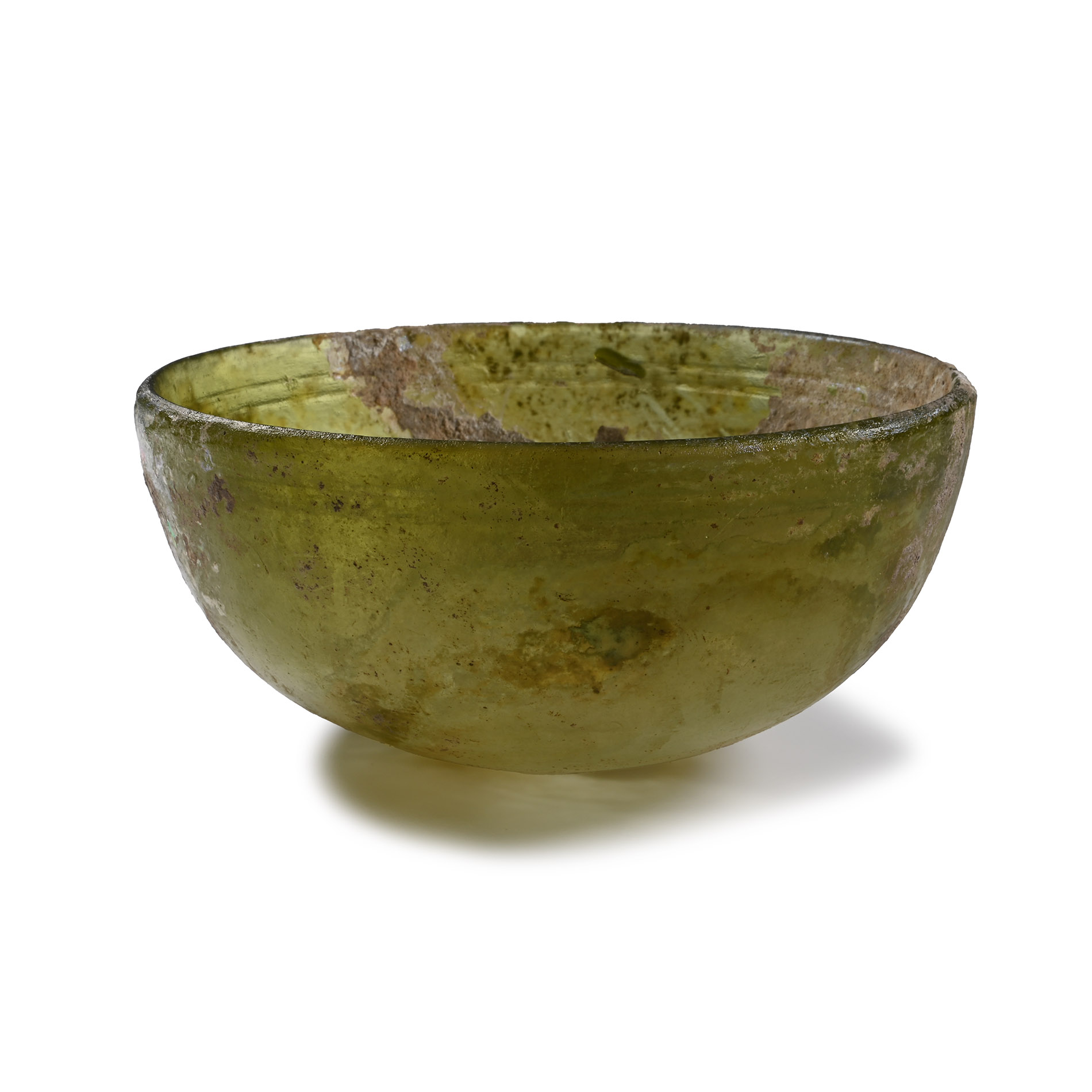
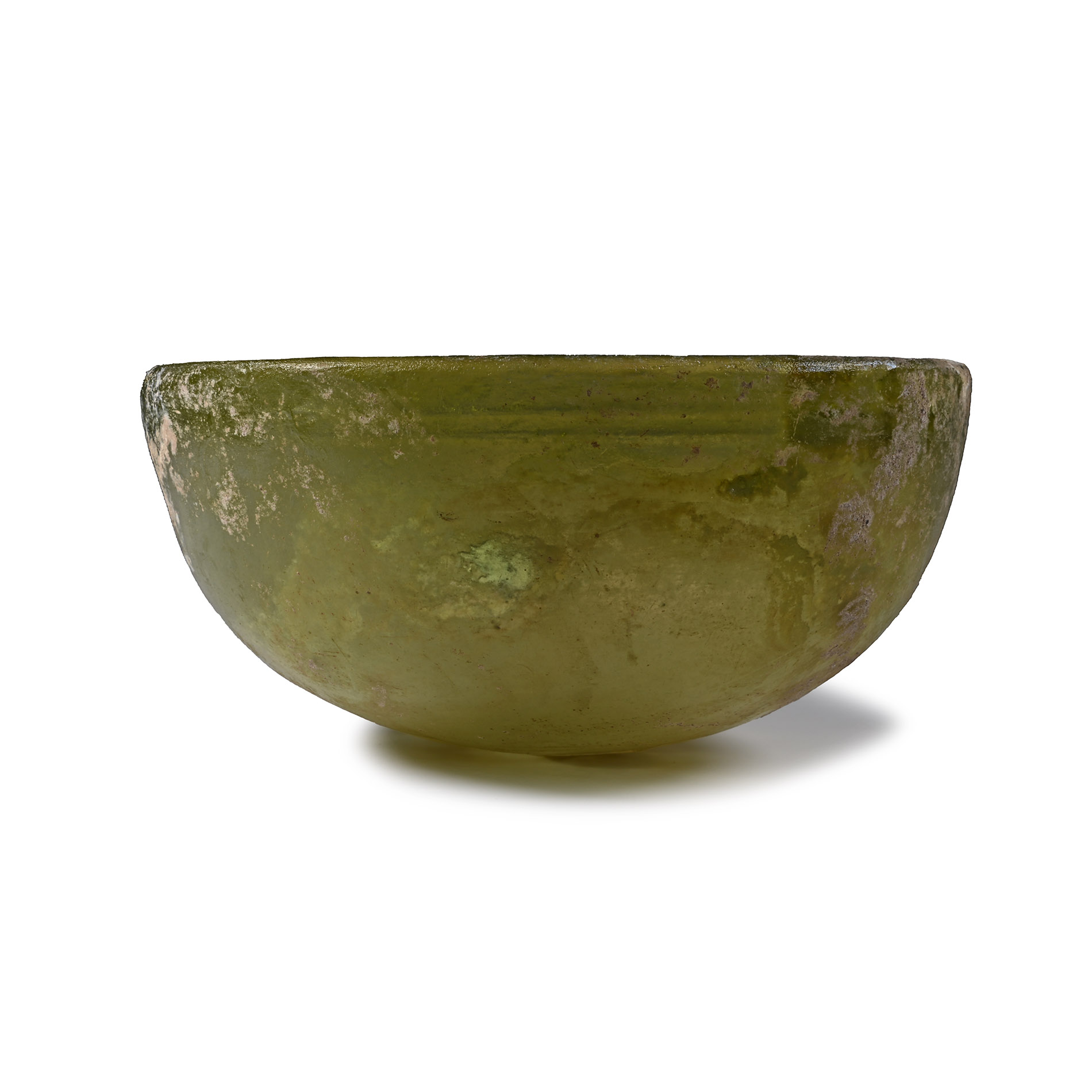
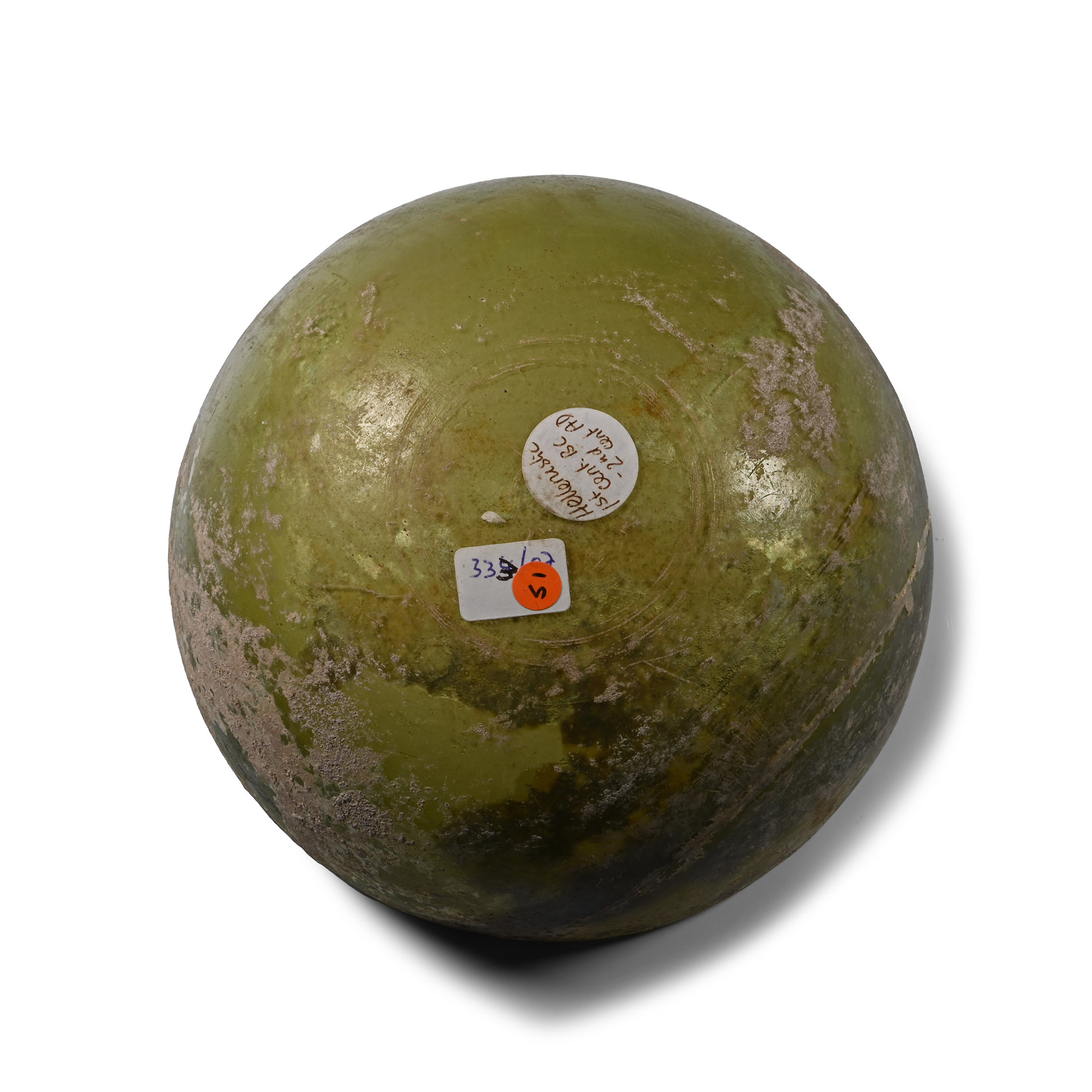
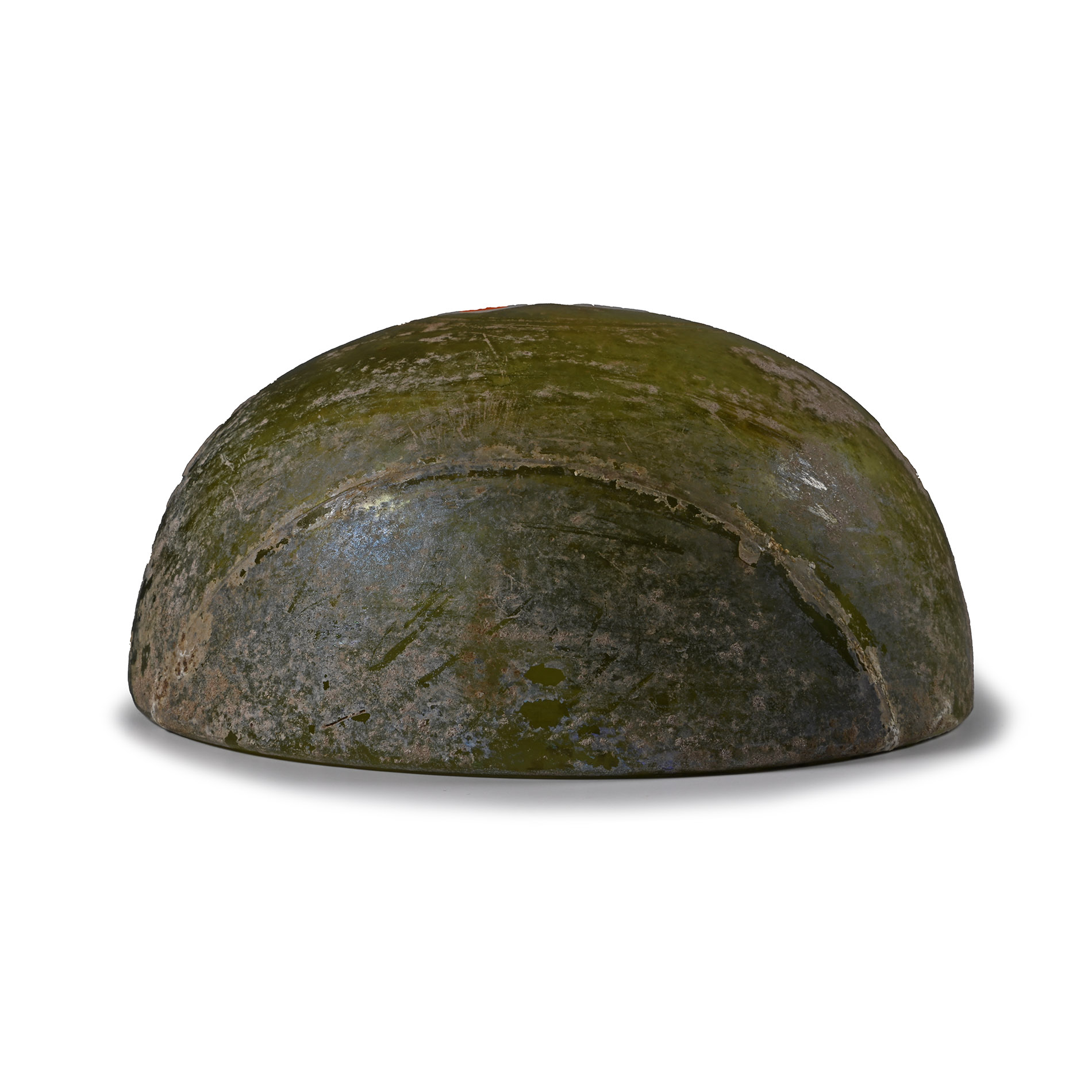
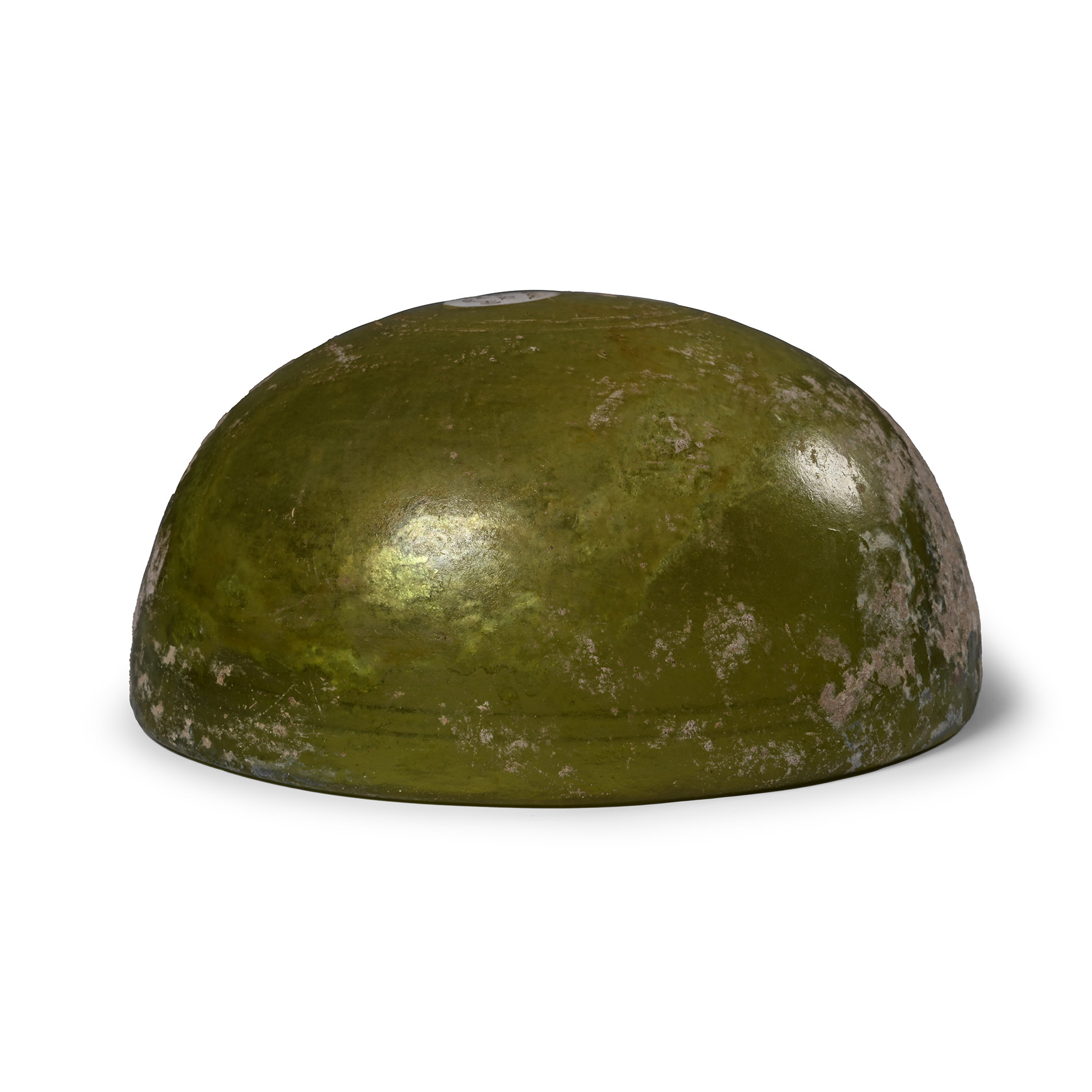
Hellenistic Pale Green Glass Bowl
2ND-1ST CENTURY B.C.
5 1/2 in. (219 grams, 13.9 cm).
A wide, round-bottomed bowl with wheel-cut bands to the rim and base.
ProvenanceEx Sussex, UK, collection, 1980-1990s.
This lot is accompanied by an illustrated lot declaration signed by the Head of the Antiquities Department, Dr Raffaele D’Amato.
TimeLine Auctions follows a vetting process to ensure the authenticity and legality of all items, reinforcing our commitment to integrity and responsible trading. Each antiquity, antique, and coin lot undergoes thorough examination by a vetting committee of at least ten external specialists, professional trade association members, scientists, and archaeologists: Our Vetting Process
AUCTIONS:
TimeLine is a leading auction house specialising in antiquities, ancient art, collectables, natural history, coins, medals, and books. Our auctions offer museums, collectors, historians, and enthusiasts the opportunity to acquire unique and historically significant pieces.
-
Greek Terracotta Black Glazed Bowl
4th century B.C.Sold for (Inc. bp): £260
With lustrous black glaze with metallic shimmer; shallow bowl on ring foot; fine double drill-hole in the ring for suspension; carinated inner edge, carinated lip to sidewall; base in reserve with two concentric circles in red; old collector's label 'N12960' to underside. 153 grams, 10.1 cm
Private collection Bavaria. By descent, in possession of the family since 1960s-1970s. German art market, 2013. Accompanied by a copy of an Art Loss Register certificate no.S00111200. This lot is accompanied by an illustrated lot declaration signed by the Head of the Antiquities Department, Dr Raffaele D’Amato. -
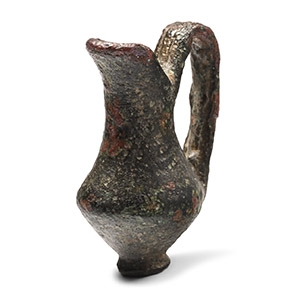
Greek Miniature Bronze Beaked Jug
Macedonia, 7th century B.C.Sold for (Inc. bp): £85
With integral strap handle and disc foot, carination to the equator, broad pouring lip. 14 grams, 26 mm
Ex Herbert A. Cahn, Basel, 1990s. Accompanied by a copy of an Art Loss Register certificate no.S00072882. This lot is accompanied by an illustrated lot declaration signed by the Head of the Antiquities Department, Dr Raffaele D’Amato. -
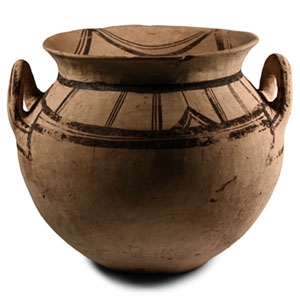
Daunian Terracotta Olla
Subgeometric, 6th-5th century B.C.Estimate: £600 - 800 (‡+bp*)
Opening Bid: £270
With a deep body on round base, flaring mouth, short loop handles to the shoulders; pendant circle segments on interior of mouth; Metope-like frieze on shoulder with triglyphs and suspended triangles, U-shaped motif at the root of the handle, horizontal bands; monochrome ware. 2.33 kg, 25.5 cm wide
The estate of Hans-Ulrich Rutschmann, Switzerland, circa 1950s-1970s. Accompanied by a copy of an Art Loss Register certificate no.S00097644. This lot is accompanied by an illustrated lot declaration signed by the Head of the Antiquities Department, Dr Raffaele D’Amato.
