
Loading, please wait...


LOT 0060
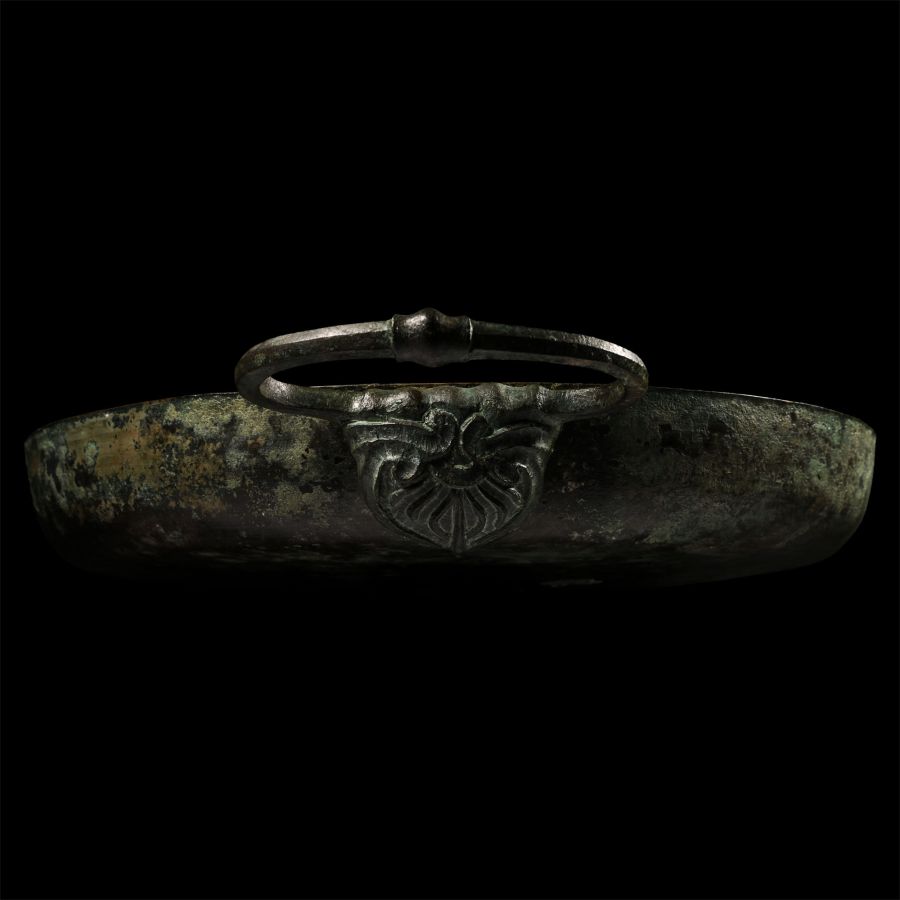
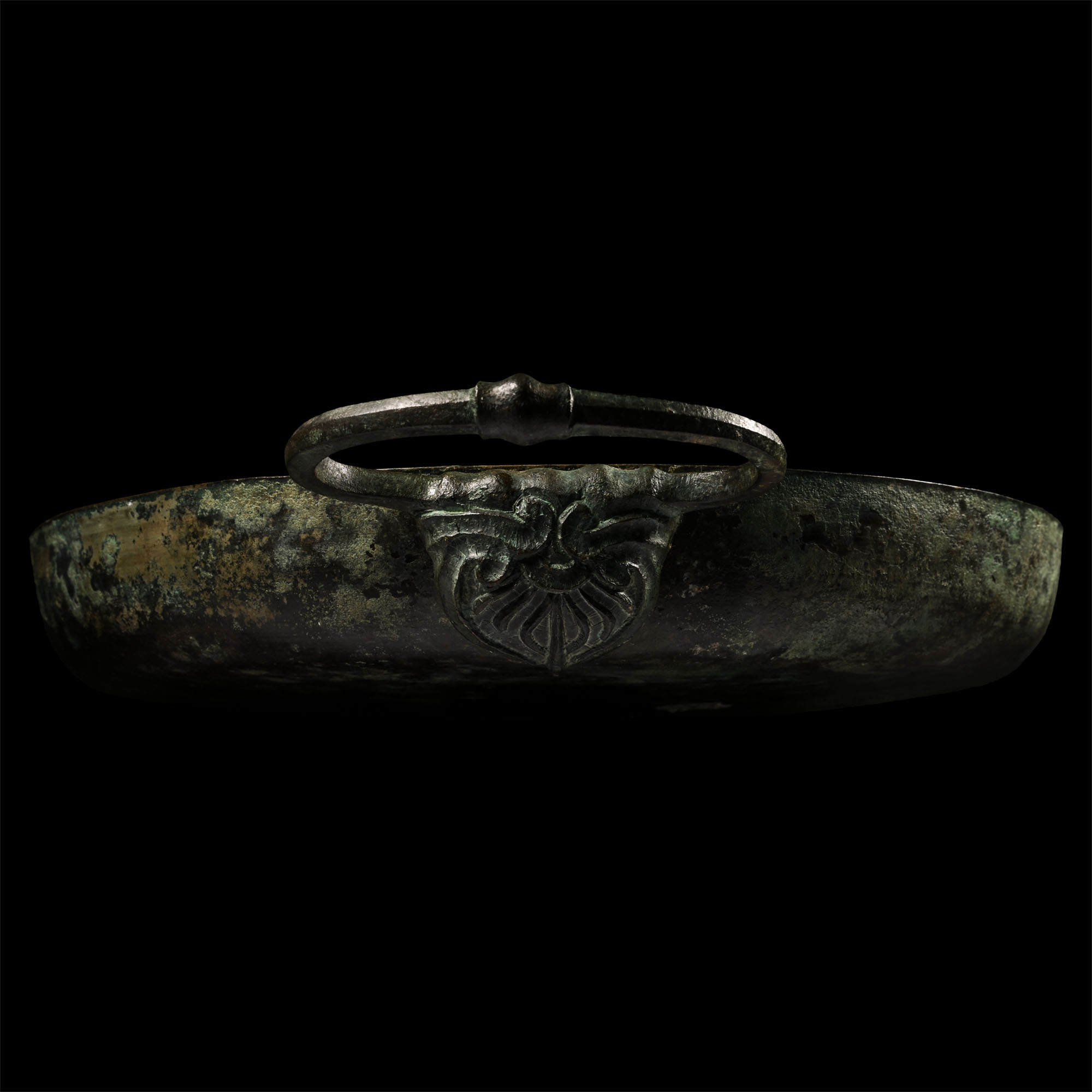
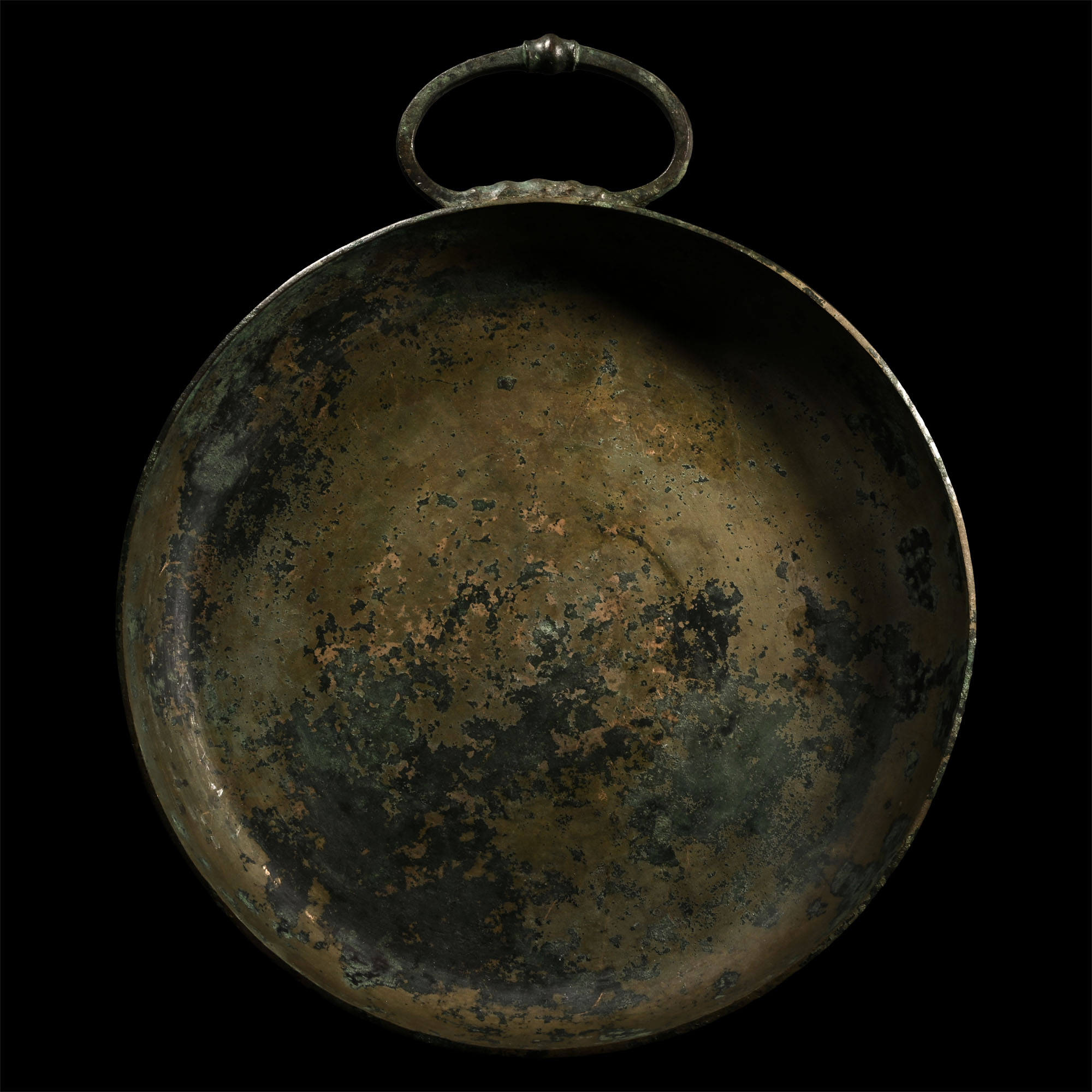
Hellenistic Bronze Bowl with High Rim
4TH-3RD CENTURY B.C.
13 in. (775 grams, 32.9 cm).
Deep sidewall, handle formed by a horizontal oval loop with offset central section and semi-circular plaque adorned with stylised pendant palmette; slightly offset rim.
ProvenanceEx P.M. Suter, 1970s-1994.
with Cahn Auktionen AG, 3 November 2012, no.184.
Accompanied by a copy of an Art Loss Register certificate no.S00069492.
This lot is accompanied by an illustrated lot declaration signed by the Head of the Antiquities Department, Dr Raffaele D’Amato.
Cf. Maierovskii III Burial-mound no. 4/2002, Burial no. 3B, Moscow, State Historical Museum, inv. no. 112873, list Б 2078/77, in Treister, M., 'Parthian and Early Sasanian 'Imports' in the Burials of the Nomads of Eastern Europe (2nd Century BCE-3rd Century CE)' in Choref, M.M., Materials in Archaeology and History of Ancient and Medieval Crimea, Moscow, 2018, pp.118-210, fig.4, 1-3, for similar.
CONDITIONTimeLine Auctions follows a vetting process to ensure the authenticity and legality of all items, reinforcing our commitment to integrity and responsible trading. Each antiquity, antique, and coin lot undergoes thorough examination by a vetting committee of at least ten external specialists, professional trade association members, scientists, and archaeologists: Our Vetting Process
AUCTIONS:
TimeLine is a leading auction house specialising in antiquities, ancient art, collectables, natural history, coins, medals, and books. Our auctions offer museums, collectors, historians, and enthusiasts the opportunity to acquire unique and historically significant pieces.
-
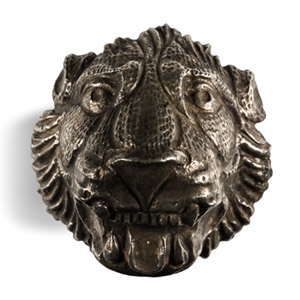
Late Parthian Silver Lion-Head Terminal
1st-3rd century A.D.Sold for (Inc. bp): £845
Hollow-formed mask with gaping mouth and protruding tongue, ropework collar, flared opening to rear. 151 grams, 73 mm
Acquired between 1965-2020. Private collection, London. This lot is accompanied by an illustrated lot declaration signed by the Head of the Antiquities Department, Dr Raffaele D’Amato. -
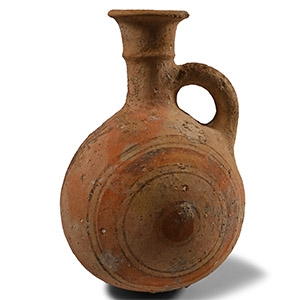
Cypro-Phoenician Terracotta Jug
Iron Age, circa 8th-6th century B.C.Sold for (Inc. bp): £169
A globular flask with tubular neck and flared rim, loop handle to the shoulder and rib to the neck; concentric rings of red and black to the broad faces, radiating lines below the neck. 787 grams, 21.5 cm
Ex London art market 1990s. From a London, UK, collection. This lot is accompanied by an illustrated lot declaration signed by the Head of the Antiquities Department, Dr Raffaele D’Amato. -
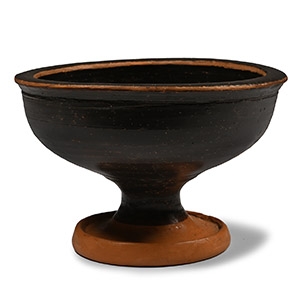
Greek Terracotta Blackware Chalice
4th century B.C.Estimate: £200 - 300 (‡+bp*)
Opening Bid: £90
Bucchero stemmed footed cup, bell-shaped in profile with carination, stem and lipped foot, raised horizontal concentric bands. 195 grams, 11.6 cm wide
with Rolf Wegmüller, Switzerland. Acquired in the 2000s from H.U.S. Humbel, Kilchberg. This lot is accompanied by an illustrated lot declaration signed by the Head of the Antiquities Department, Dr Raffaele D’Amato.
