
Loading, please wait...

LOT 1267
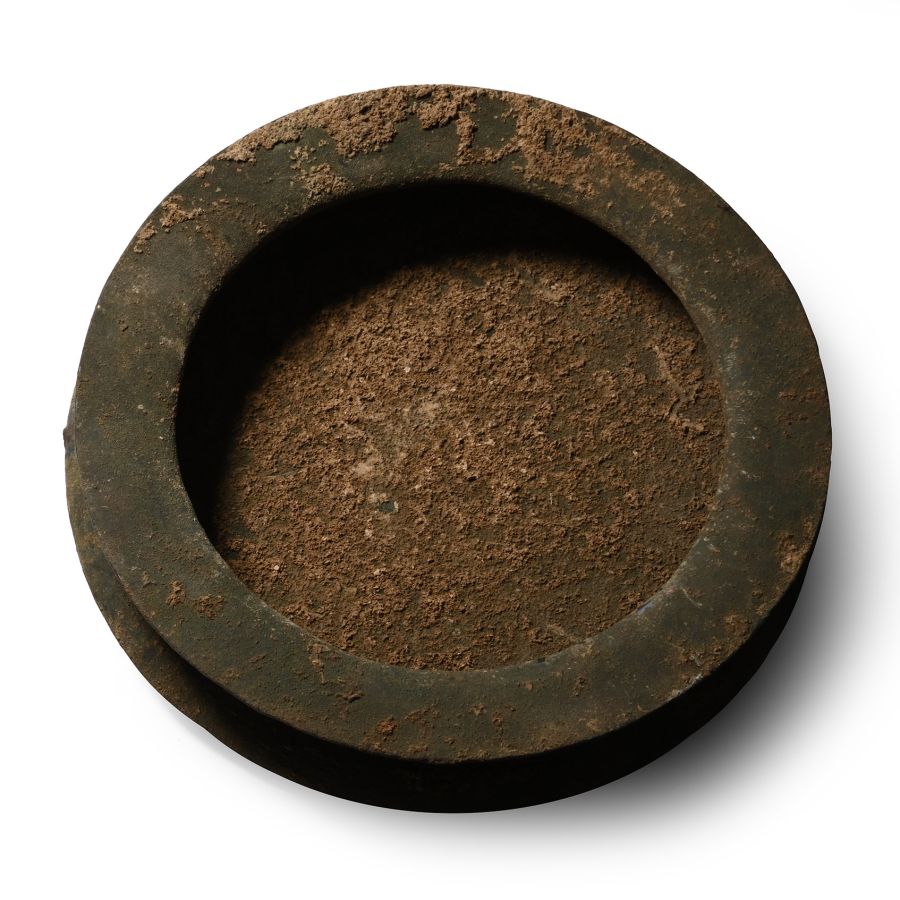
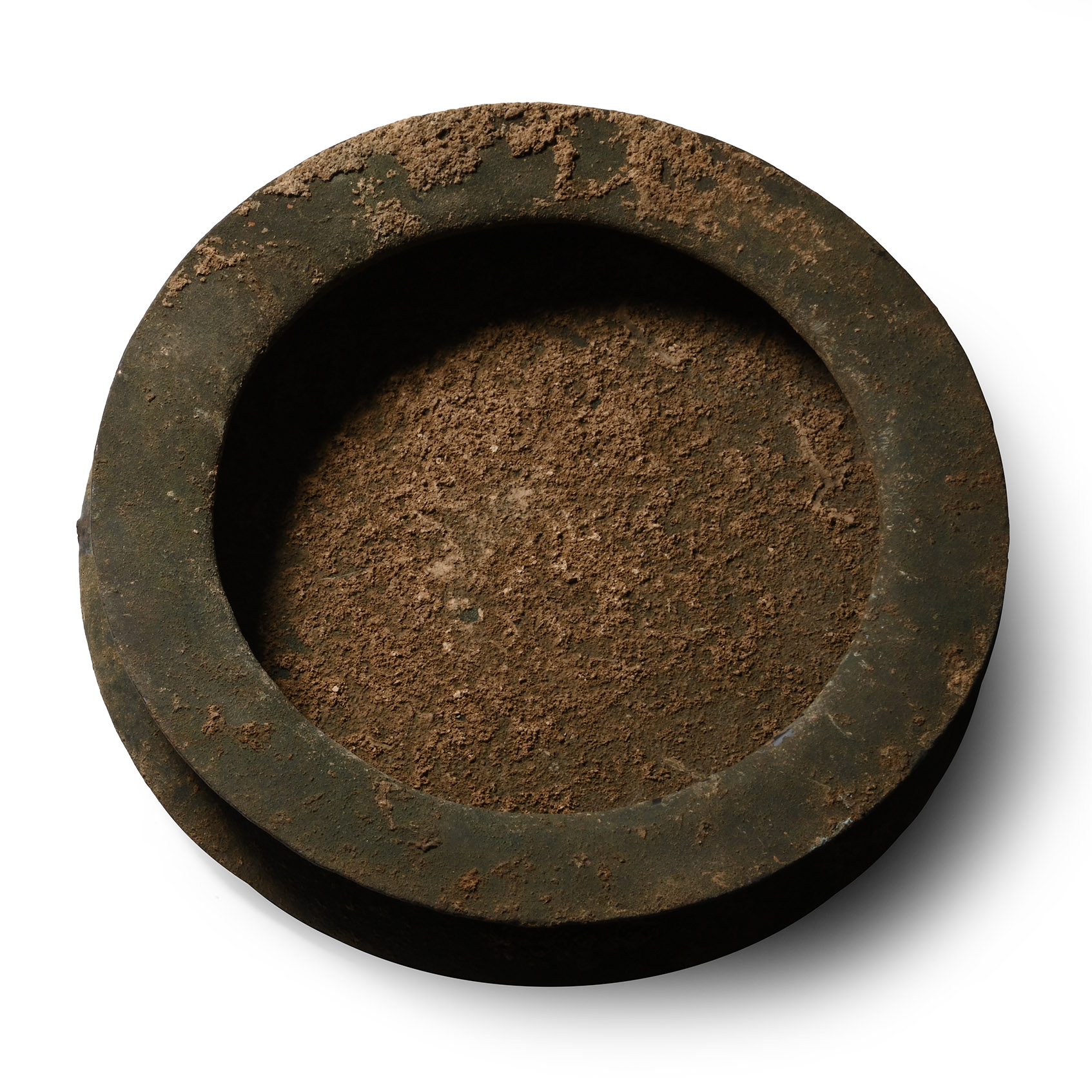
Heavy Luristan Bronze Dish
13TH-7TH CENTURY B.C.
7 3/4 in. (712 grams, 19.5 cm).
Comprising a shallow body with sharply sloping walls and wide, everted rim.
ProvenanceAcquired 1980-2015.
Ex Abelita family collection.
This lot has been cleared against the Art Loss Register database, and is accompanied by an illustrated lot declaration signed by the Head of the Antiquities Department, Dr Raffaele D'Amato.
TimeLine Auctions follows a vetting process to ensure the authenticity and legality of all items, reinforcing our commitment to integrity and responsible trading. Each antiquity, antique, and coin lot undergoes thorough examination by a vetting committee of at least ten external specialists, professional trade association members, scientists, and archaeologists: Our Vetting Process
AUCTIONS:
TimeLine is a leading auction house specialising in antiquities, ancient art, collectables, natural history, coins, medals, and books. Our auctions offer museums, collectors, historians, and enthusiasts the opportunity to acquire unique and historically significant pieces.
LOT 1267
Heavy Luristan Bronze Dish
Estimate £300 - 400€350 - 460 (for guidance only)$410 - 540 (for guidance only)
-
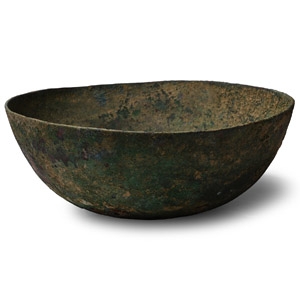
Luristan Bronze Bowl
13th-7th century B.C.Sold for (Inc. bp): £98
Of low profile with rounded base. 232 grams, 16.5 cm
Acquired 1980-2015. Ex Abelita family collection. This lot has been cleared against the Art Loss Register database, and is accompanied by an illustrated lot declaration signed by the Head of the Antiquities Department, Dr Raffaele D'Amato. -
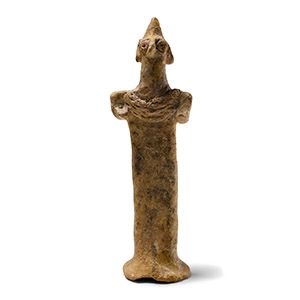
Western Asiatic Terracotta Goddess Idol
3rd-2nd millennium B.C.Sold for (Inc. bp): £715
Free-standing, with a pinched, bird-like face, conical headdress or hairstyle, ornamental collar and stub arms; splayed foot. 57 grams, 13.5 cm high
Acquired in the 1970s. Ex European private collection. This lot has been cleared against the Art Loss Register database, and is accompanied by an illustrated lot declaration signed by the Head of the Antiquities Department, Dr Raffaele D'Amato. -
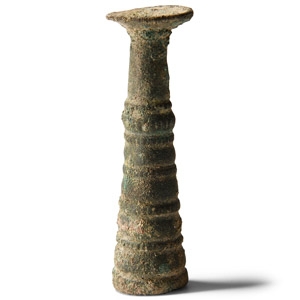
Luristan Bronze Kohl Pot
1st millennium B.C.Estimate: £150 - 200 (‡+bp*)
Opening Bid: £75
Of tapering cylindrical form with everted rim, decoratively notched ribs of alternating breadth to the body. 60 grams, 78 mm
Acquired in Europe before 1993. This lot has been cleared against the Art Loss Register database, and is accompanied by an illustrated lot declaration signed by the Head of the Antiquities Department, Dr Raffaele D'Amato.
