
Loading, please wait...

LOT 3293
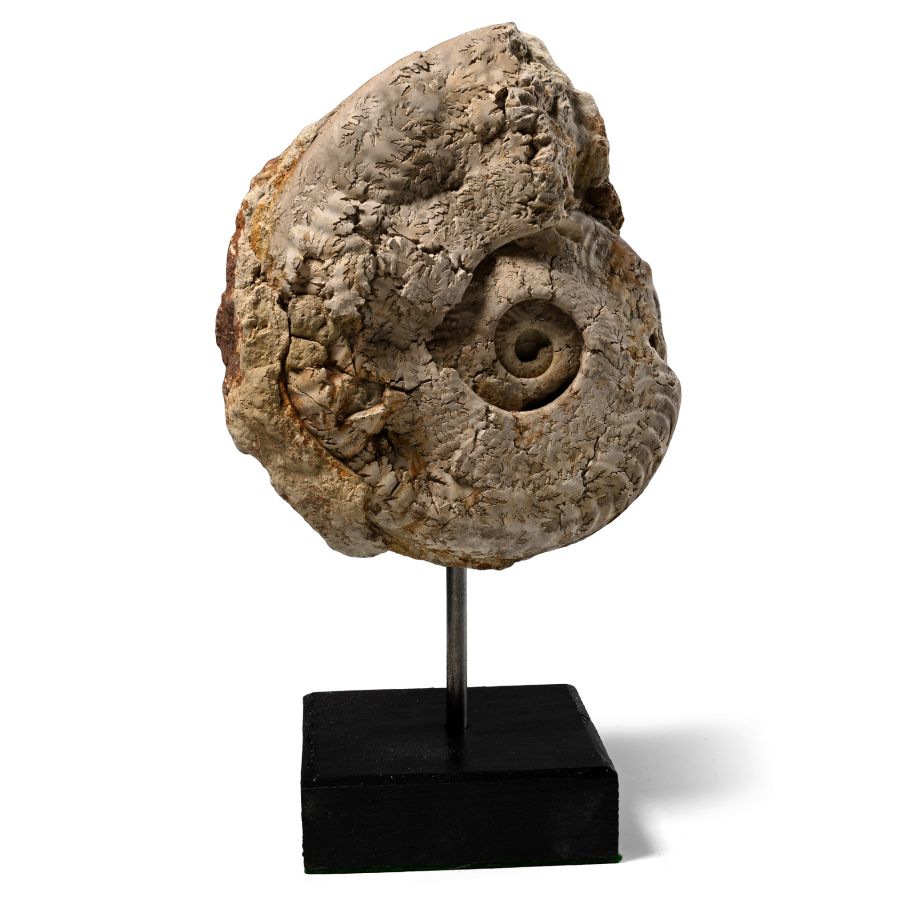
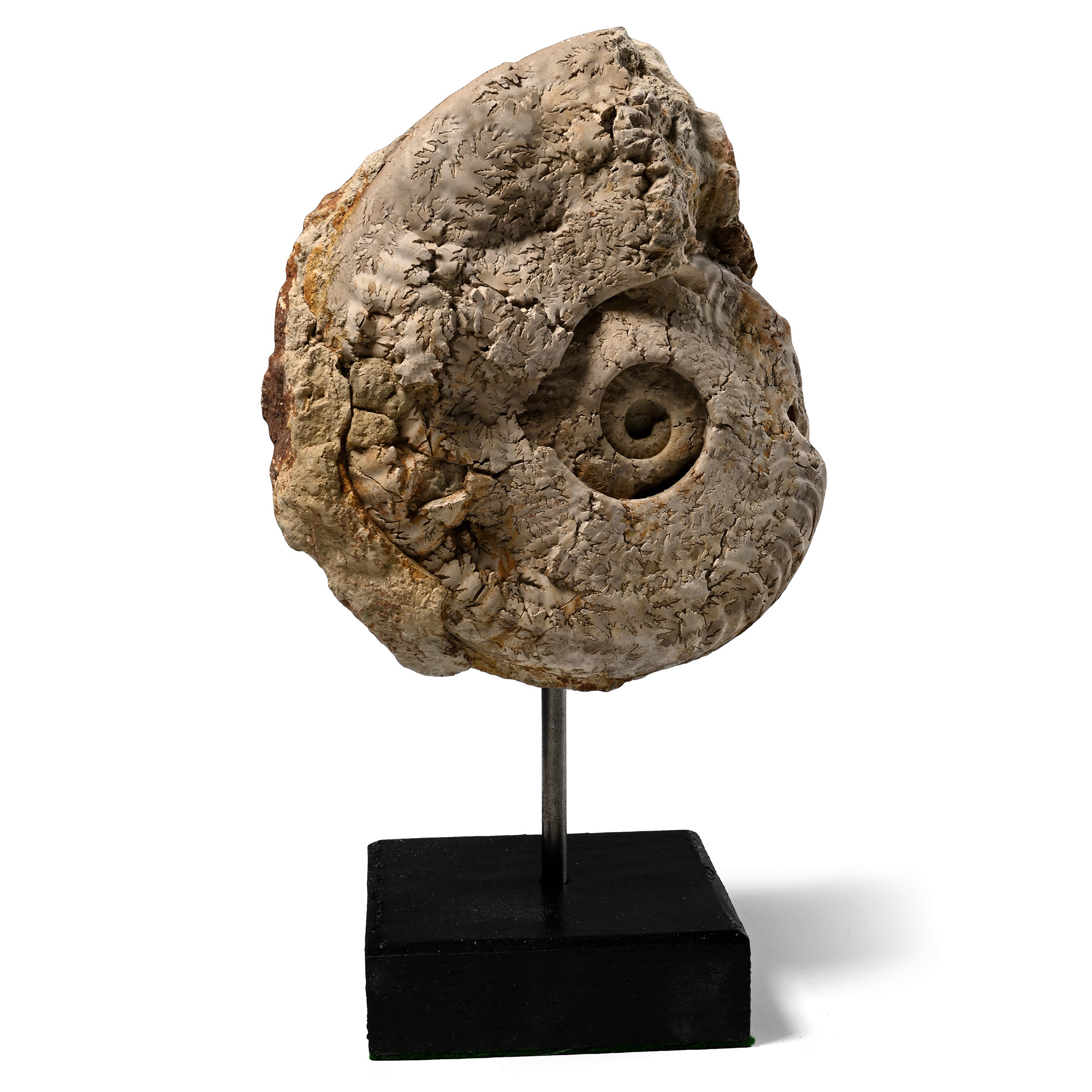
Harpoceras Fossil Ammonite on Stand
LOWER JURASSIC, CIRCA 170-160 MILLION YEARS B.P.
7 3/8 in. (795 grams total, 18.8 cm high including stand).
Harpoceras sp. showing characteristic projected ribs with slightly overlapping coils; mounted on a custom-made display stand. [No Reserve]
ProvenanceFrom Somerset, UK.
Property of a Bristol, UK, gentleman collector.
TimeLine Auctions follows a vetting process to ensure the authenticity and legality of all items, reinforcing our commitment to integrity and responsible trading. Each antiquity, antique, and coin lot undergoes thorough examination by a vetting committee of at least ten external specialists, professional trade association members, scientists, and archaeologists: Our Vetting Process
AUCTIONS:
TimeLine is a leading auction house specialising in antiquities, ancient art, collectables, natural history, coins, medals, and books. Our auctions offer museums, collectors, historians, and enthusiasts the opportunity to acquire unique and historically significant pieces.
LOT 3293
Harpoceras Fossil Ammonite on Stand
Estimate £25 - 35€29 - 41 (for guidance only)$34 - 47 (for guidance only)
Opening Bid
£5 (EUR 6; USD 7) +BP*
-
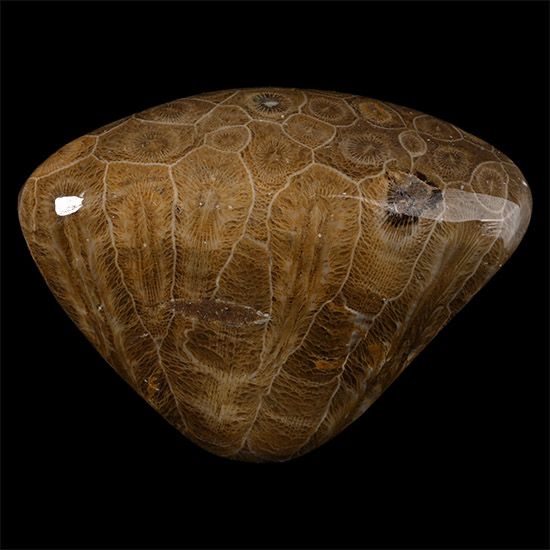
Polished Fossil Coral Head
Devonian Period, circa 417-354 million years B.P.Estimate: £20 - 30 (+bp*)
Opening Bid: £5
Triangular section of a fossilised coral head showing the side and top view of the polyps. 160 grams, 85 mm
From a Cambridgeshire, UK, collection. -
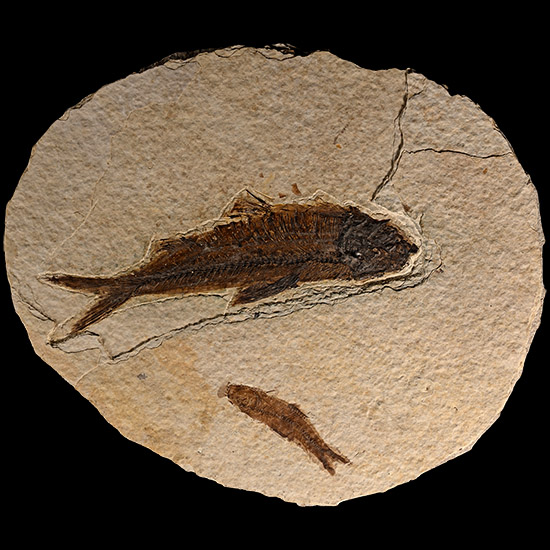
North American Double Fossil Knightia Fish Plate
Eocene Period, 58-36 million years B.P.Estimate: £40 - 60 (+bp*)
Opening Bid: £5
Oval matrix with two Knightia alta specimens with a partial fossil on the reverse. 377 grams, 19.3 cm
From Green River formation, Wyoming, USA. From a Lincolnshire, UK, collection.
In southwest Wyoming (and parts of Colorado and Utah), in the Green River Formation, are found some of the world's most outstanding specimens of fossil fish. The Green River system was composed of three lakes: Lake Uinta, Lake Gosiute and Fossil Lake. These Eocene lakes lay in a series of intermountain basins formed by geological events that uplifted the Rocky Mountains during the early Tertiary period. The climate was much different from the desert-like climate of this area today. Both the fauna (crocodiles, alligators, boa constrictors and some subtropical fish families) and the flora (such as large palm trees) indicate a climate much like that found along the Gulf Coast today. Large amounts of ash found in the sediments indicate that volcanoes were particularly active at this time. -
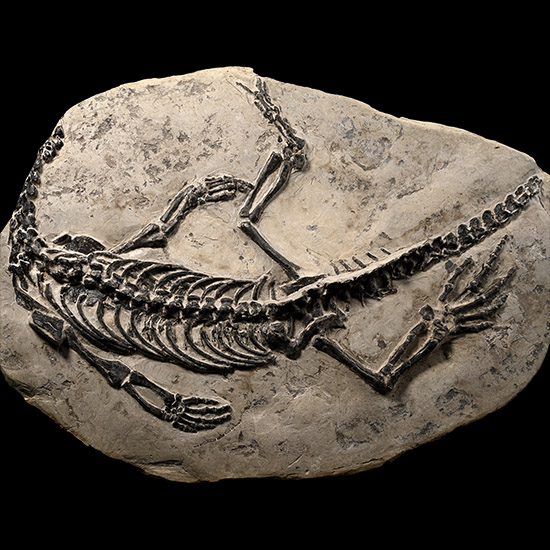
Claudiosaurus Fossil Marine Reptile Skeleton in Matrix
Late Permian Period, circa 260 million years B.P.Estimate: £1,200 - 1,700 (+bp*)
Opening Bid: £600
An extinct genus of diapsid reptiles, Claudiosaurus germanini, beautifully preserved and featuring a full ribcage, limbs, the majority of the tail and neck vertebrae. 7.75 kg, 40 cm
From a UK collection formed in the 1980s. Property of an Essex, UK, gentleman.
In life, the Claudiosaurus's splayed feet would have been webbed. It had a relatively long body and neck, reaching an overall length of about 60 centimetres. It is presumed to have been partially oceanic, living in a similar way to the modern marine iguana.
