
Loading, please wait...
LOT 2723
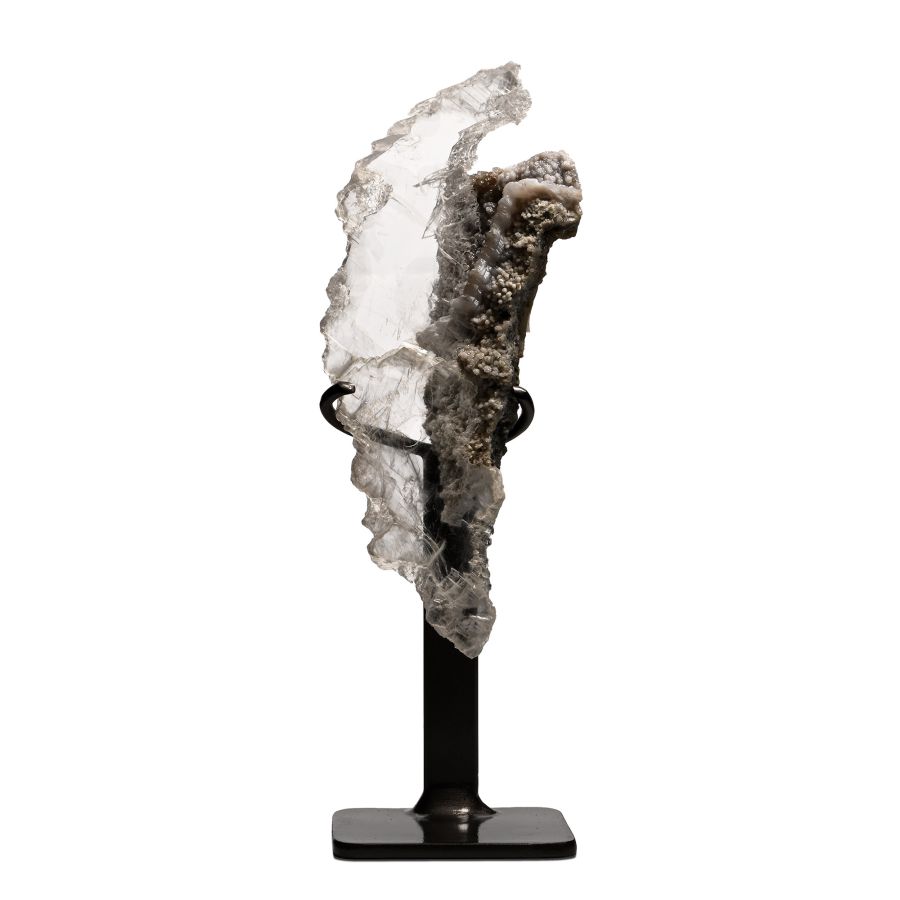
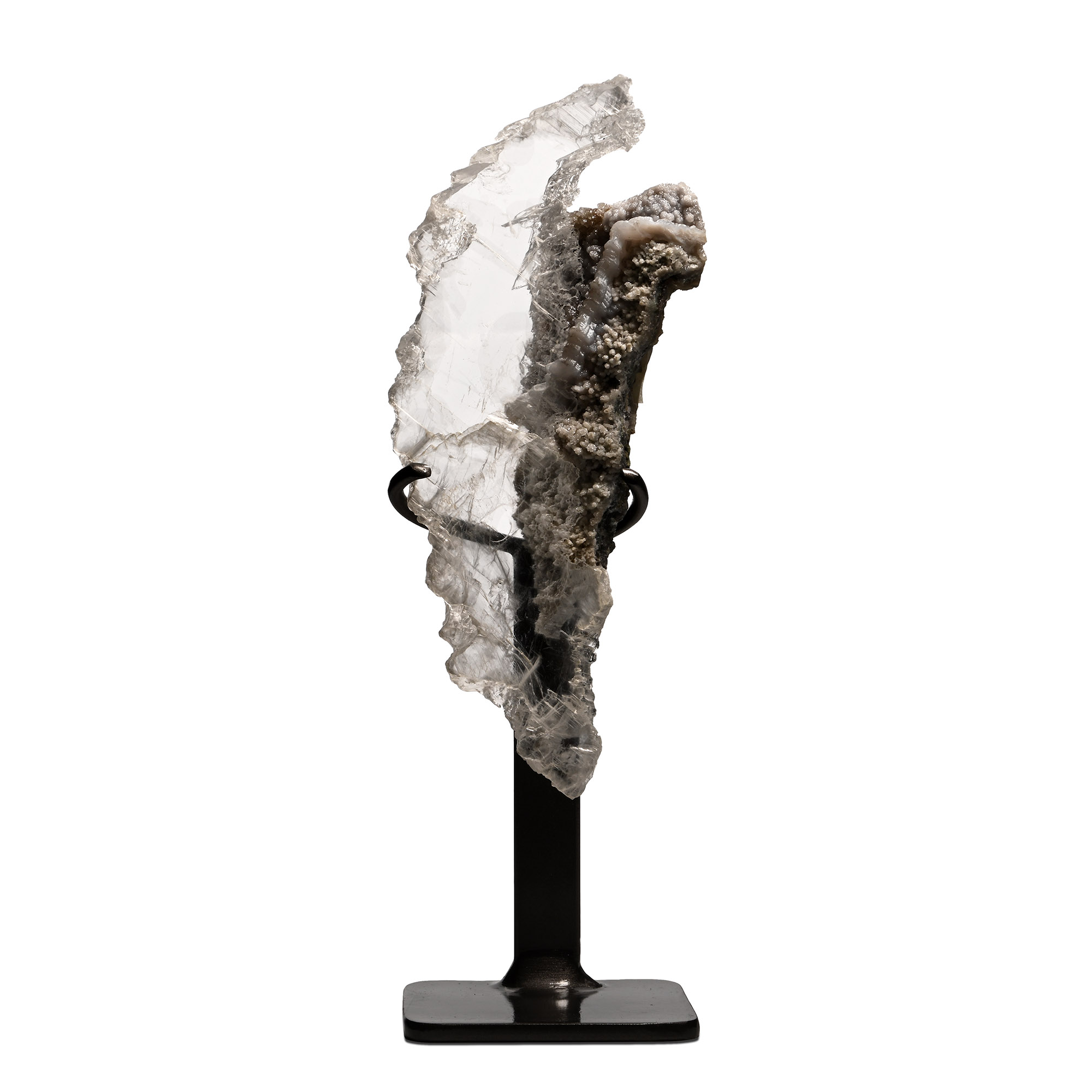
Gypsum with Quartz Display
10 3/8 in. (629 grams total, 26.5 cm including stand).
Comprising a blade-shaped curving formation of transparent gypsum attached to a matrix with druzy quartz; mounted on a custom-made display stand.
ProvenanceFrom Artigas, Uruguay.
Property of a London lady.
TimeLine Auctions follows a vetting process to ensure the authenticity and legality of all items, reinforcing our commitment to integrity and responsible trading. Each antiquity, antique, and coin lot undergoes thorough examination by a vetting committee of at least ten external specialists, professional trade association members, scientists, and archaeologists: Our Vetting Process
AUCTIONS:
TimeLine is a leading auction house specialising in antiquities, ancient art, collectables, natural history, coins, medals, and books. Our auctions offer museums, collectors, historians, and enthusiasts the opportunity to acquire unique and historically significant pieces.
-
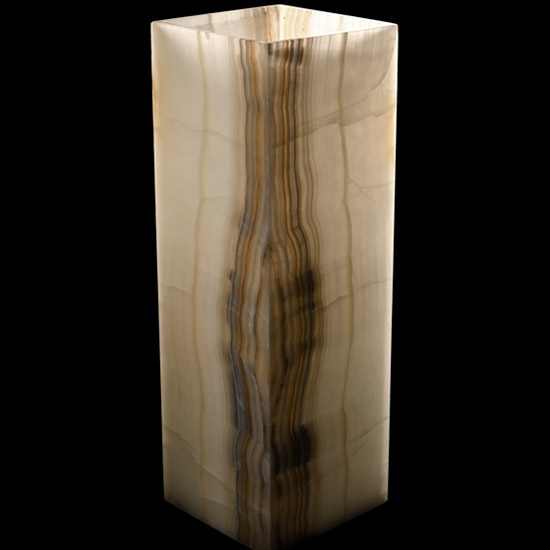
Large Ivory Onyx Lamp
Estimate: £1,000 - 1,400 (+bp*)
Opening Bid: £540
Comprising a tall, rectangular body formed of translucent cut slabs of milky stone with contrasting banding; accompanied by a separate light fitting on a stone base with US plug (not tested). 12.8 kg total, 60 cm
From Mexico. Property of a London lady. -
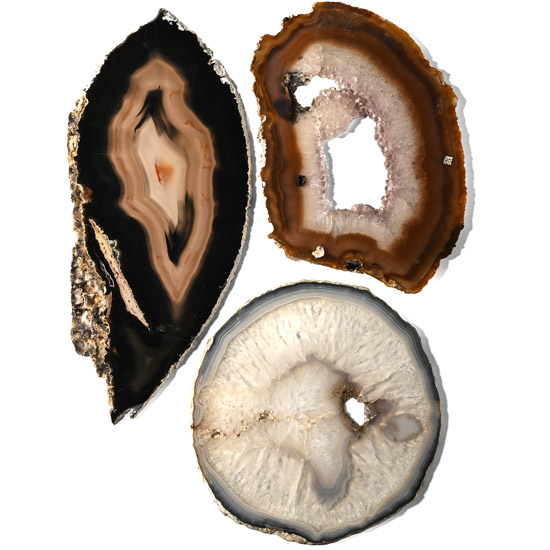
Large Cut and Polished Agate Geode Slice Group
Sold for (Inc. bp): £52
Comprising: a circular slice with light grey to cream banding with colourless quartz crystals; an irregular slice with brown banding and pale purple and colourless amethyst and quartz crystals; an irregular slice with dark grey to light grey banding. 930 grams total, 17-29 cm
Ex Mineral Imports, London, UK. Gregory, Bottley & Lloyd (Gregory's), Harwich, UK. -
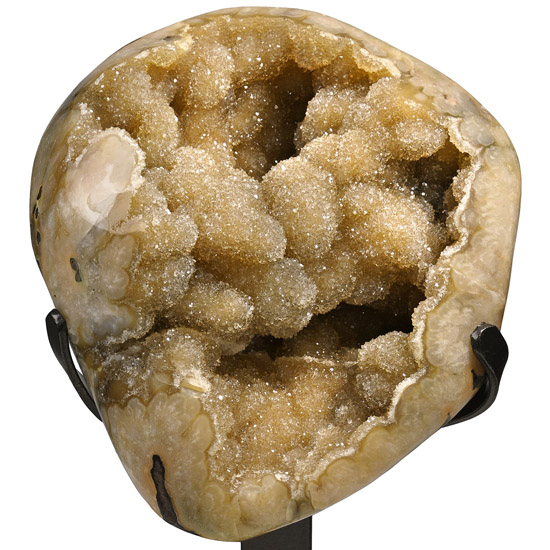
Agate Geode Display with Quartz Crystals
Estimate: £500 - 700 (+bp*)
Opening Bid: £270
A rounded geode section with highly polished borders showing white and brown banding, internal cavity lined with botryoidal formation covered with druzy quartz; mounted on a custom-made display stand. 3.7 kg total, 28 cm including stand
From Artigas, Uruguay. Property of a London lady.
