
Loading, please wait...
![Group of Twenty-Seven [27] Cut and Polished Agate Geode Specimens](https://timelineauctions.com/zoom_images/zoomthumb/2/5/255992_900x900.jpg "Group of Twenty-Seven [27] Cut and Polished Agate Geode Specimens")
![Group of Twenty-Seven [27] Cut and Polished Agate Geode Specimens](https://timelineauctions.com/zoom_images/zoommap/2/5/255992_200x200.jpg "Group of Twenty-Seven [27] Cut and Polished Agate Geode Specimens")
![Group of Twenty-Seven [27] Cut and Polished Agate Geode Specimens](https://timelineauctions.com/upload/images/items/255992.jpg "Group of Twenty-Seven [27] Cut and Polished Agate Geode Specimens")
LOT 2393
Group of Twenty-Seven [27] Cut and Polished Agate Geode Specimens
1 1/8 - 4 1/4 in. (2.48 kg total, 2.8-10.8 cm).
Boxed group of agate geode halves, most showing attractive banding and crystal-lined interiors, one an unopened geode with a polished face. [27, No Reserve]
ProvenanceFrom Brazil.
Ex Mineral Imports, London, UK.
Gregory, Bottley & Lloyd (Gregory's), Harwich, UK.
TimeLine Auctions follows a vetting process to ensure the authenticity and legality of all items, reinforcing our commitment to integrity and responsible trading. Each antiquity, antique, and coin lot undergoes thorough examination by a vetting committee of at least ten external specialists, professional trade association members, scientists, and archaeologists: Our Vetting Process
AUCTIONS:
TimeLine is a leading auction house specialising in antiquities, ancient art, collectables, natural history, coins, medals, and books. Our auctions offer museums, collectors, historians, and enthusiasts the opportunity to acquire unique and historically significant pieces.
LOT 2393
Group of Twenty-Seven [27] Cut and Polished Agate Geode Specimens
Sold for (Inc. bp): £20
-
.jpg)
Fossil Ceratarges Trilobite
Devonian Period, circa 400 million years B.P.Sold for (Inc. bp): £169
Likely Ceratarges spinosus showing the distinctive protective spines. 190 grams, 79 mm
From a Cambridgeshire, UK, collection. -
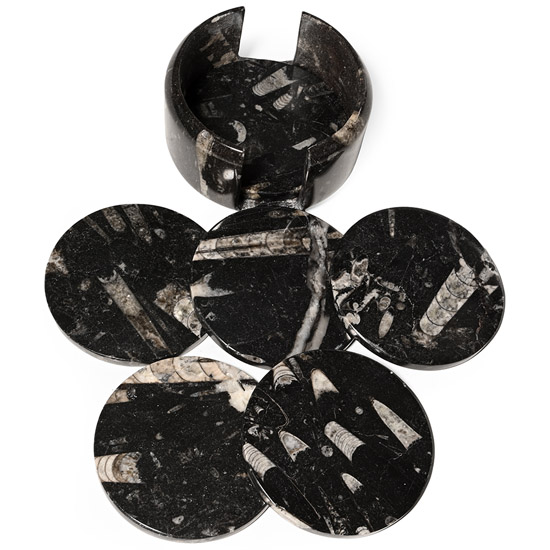
Polished Orthoceras Fossil Coaster Set
Devonian Period, circa 400 million years B.P.Sold for (Inc. bp): £91
Comprising a set of six round coasters and a holder, carved from fossiliferous stone. 700 grams total, 91 mm
Ex Cambridgeshire, UK, collection. -
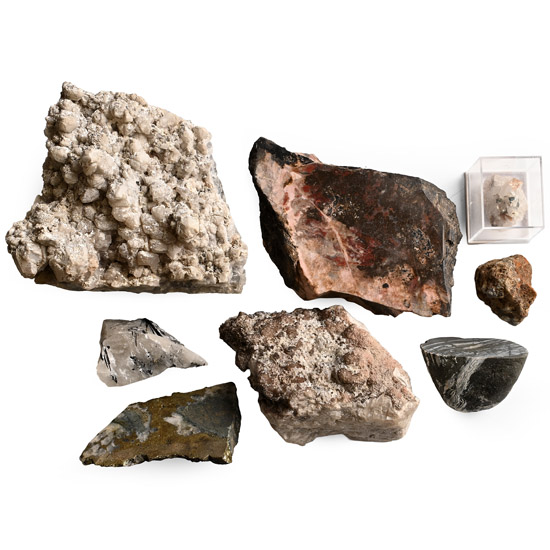
Mixed Cornwall and Other Crystal and Mineral Specimen Group
Sold for (Inc. bp): £13
Comprising: quartz from Rostowrack China Clay Pit, Cornwall; smoky quartz from Virginia Pit, St Stephen, Cornwall; chalcopyrite from Mount Wellington Mine, Twelveheads, Cornwall; rhodonite from Greystone Wood Mine, Lawhitton, Cornwall; tourmaline from Buttern Hill Placers, Altarnun, Cornwall; rutile from Lanterdan Quarry, Treknow, Cornwall; epimorph in siderite from Virtuous Lady Mine Buckland, Monachorum, Devon; banded gneiss specimen. 2.04 kg total, 3.2-13.7 cm
From the property of a Cornwall, UK, gentleman.
