
Loading, please wait...
LOT 2353
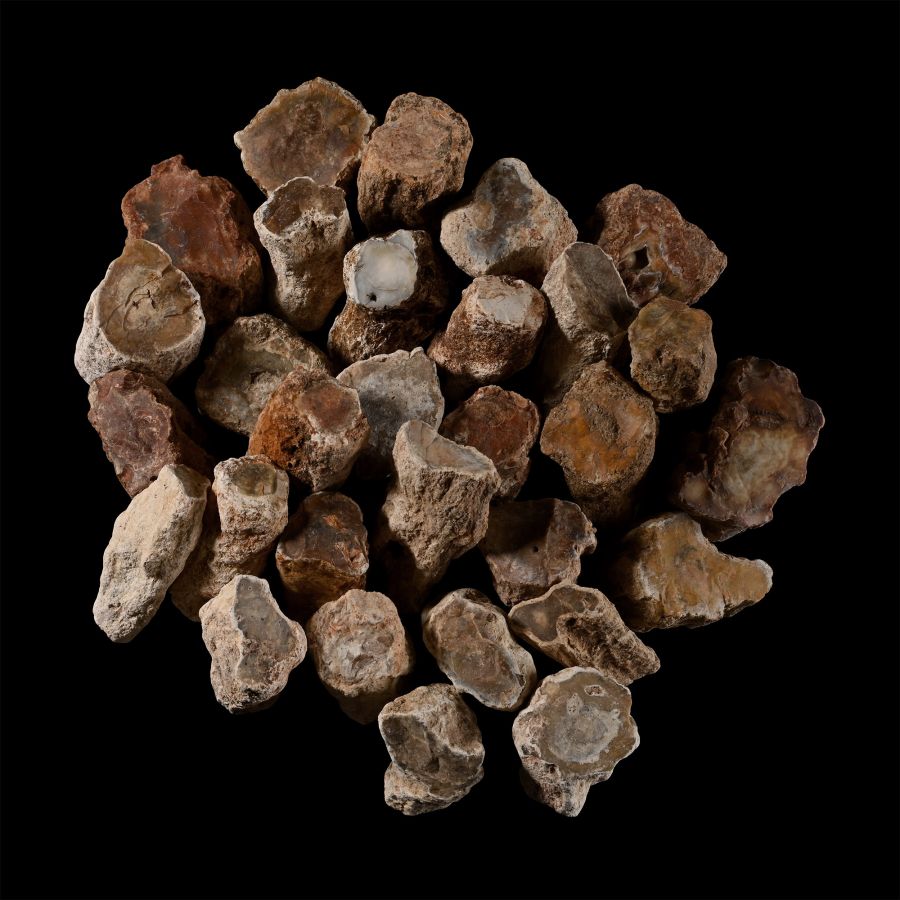
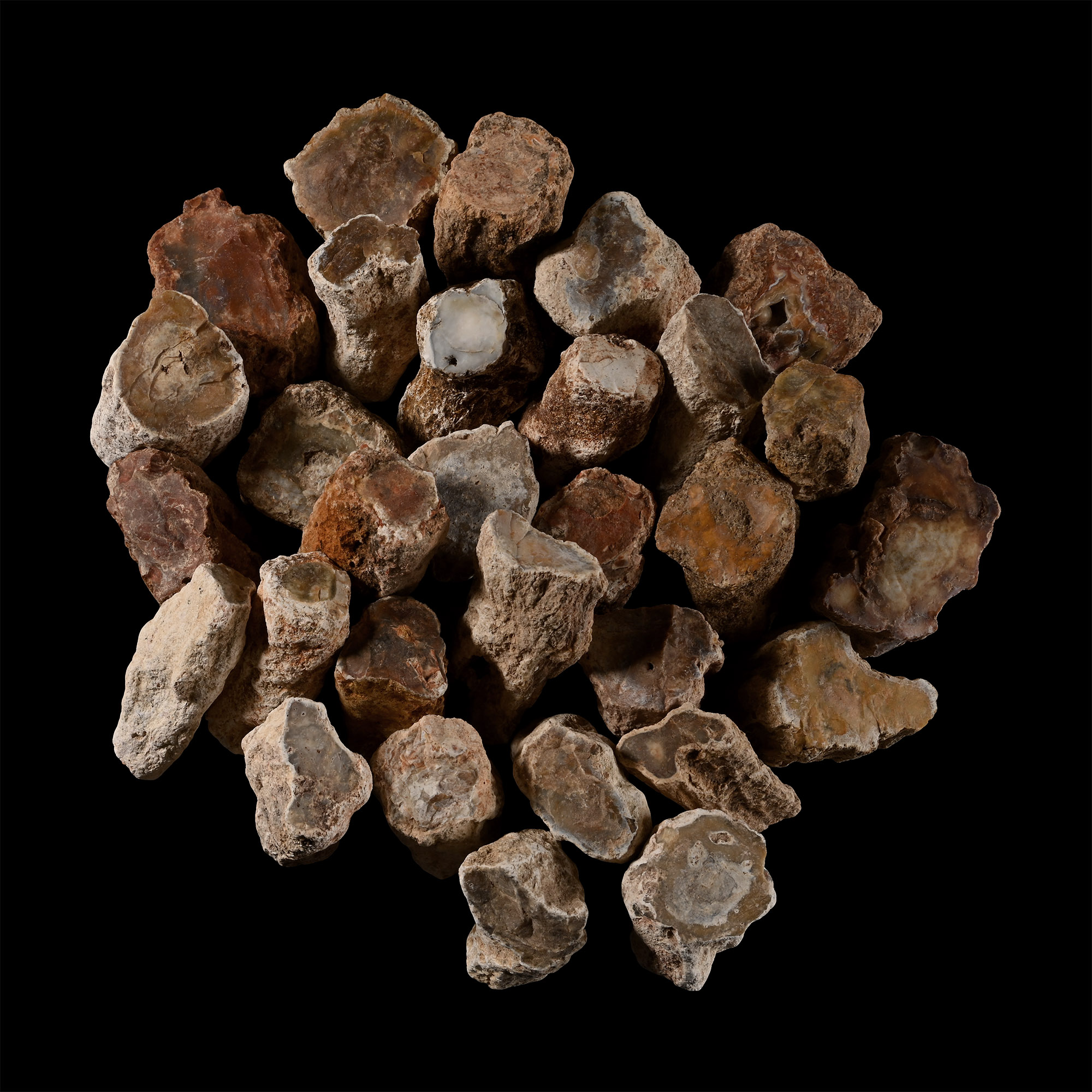
Group of Thirty [30] Medium Size Fossilised Tree Branch Sections
TRIASSIC PERIOD, 251-199 MILLION YEARS B.P.
1 5/8 - 3 1/8 in. (2.15 kg total, 42-79 mm).
Comprising thirty branch sections in different thicknesses, each showing good bark detail. [30, No Reserve]
ProvenanceFrom Madagascar.
Ex Mineral Imports, London, UK.
Gregory, Bottley & Lloyd (Gregory's), Harwich, UK.
TimeLine Auctions follows a vetting process to ensure the authenticity and legality of all items, reinforcing our commitment to integrity and responsible trading. Each antiquity, antique, and coin lot undergoes thorough examination by a vetting committee of at least ten external specialists, professional trade association members, scientists, and archaeologists: Our Vetting Process
AUCTIONS:
TimeLine is a leading auction house specialising in antiquities, ancient art, collectables, natural history, coins, medals, and books. Our auctions offer museums, collectors, historians, and enthusiasts the opportunity to acquire unique and historically significant pieces.
LOT 2353
Group of Thirty [30] Medium Size Fossilised Tree Branch Sections
Sold for (Inc. bp): £39
-
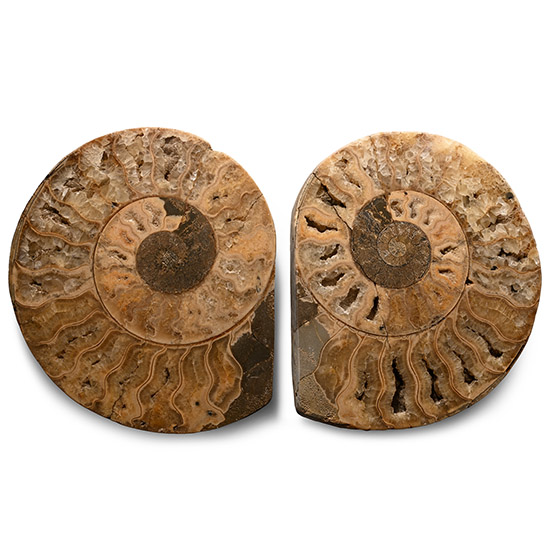
Large Cut and Polished Fossil Ammonite Halves
Jurassic Period, circa 199-145 million years B.P.Sold for (Inc. bp): £208
Each with a cut base and polished internal face showcasing the internal gas chambers of the ammonite. 3.77 kg total, 23.5-24 cm
From Madagascar. From the private collection of a Devon, UK, lady. -
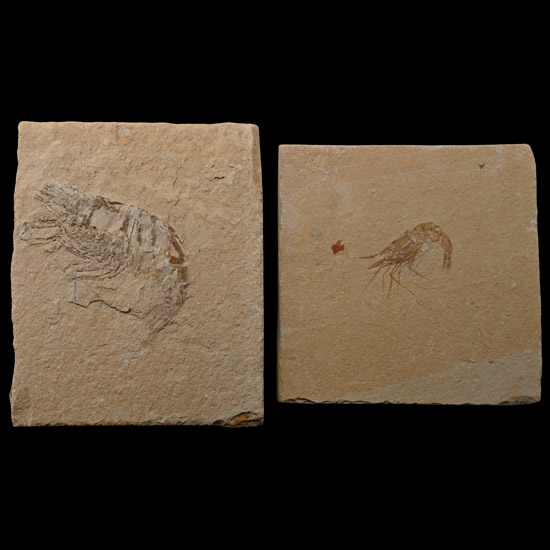
Fossil Shrimp Group
Late Cretaceous, circa 100.5-93.9 million years B.P.Sold for (Inc. bp): £91
Comprising two rectangular matrices, each with a fossil shrimp. 217 grams total, 78-88 mm
From Lebanon. From a Lincolnshire, UK, collection. -
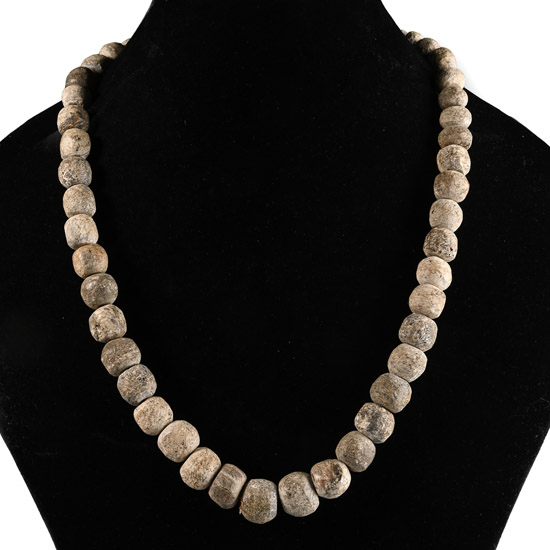
Woolly Mammoth Bone Bead Necklace String
Pleistocene Epoch, 2.6 million-11,700 years B.P.Sold for (Inc. bp): £78
Restrung, using recently polished Mammuthus primigenius spherical bone beads. 148 grams, 62 cm
From a UK collection formed in the 1980s. Property of an Essex, UK, gentleman.
The mammoth lineage branched from the Asian elephant around 6 million years ago, and later on the Woolly Mammoth, Mammuthus primigenius, evolved in eastern Siberia. Woolly mammoths, being slightly smaller than living African elephants, were foragers and ate grass, as well as small, nutritious flowering plants that flourished in the environment where they lived. They may also have used their curved tusks to dig through snow and eat plants that other foragers were unable to reach.
