
Loading, please wait...
![Group of One Hundred [100] Mahogany Obsidian Volcanic Glass Specimen](https://timelineauctions.com/zoom_images/zoomthumb/2/5/256007_900x900.jpg "Group of One Hundred [100] Mahogany Obsidian Volcanic Glass Specimen")
![Group of One Hundred [100] Mahogany Obsidian Volcanic Glass Specimen](https://timelineauctions.com/zoom_images/zoommap/2/5/256007_200x200.jpg "Group of One Hundred [100] Mahogany Obsidian Volcanic Glass Specimen")
![Group of One Hundred [100] Mahogany Obsidian Volcanic Glass Specimen](https://timelineauctions.com/upload/images/items/256007.jpg "Group of One Hundred [100] Mahogany Obsidian Volcanic Glass Specimen")
LOT 2406
Group of One Hundred [100] Mahogany Obsidian Volcanic Glass Specimen
1 1/4 - 2 in. (3.68 kg total, 32-52 mm).
Comprising one hundred irregular specimens. [100, No Reserve]
ProvenanceEx Mineral Imports, London, UK.
Gregory, Bottley & Lloyd (Gregory's), Harwich, UK.
TimeLine Auctions follows a vetting process to ensure the authenticity and legality of all items, reinforcing our commitment to integrity and responsible trading. Each antiquity, antique, and coin lot undergoes thorough examination by a vetting committee of at least ten external specialists, professional trade association members, scientists, and archaeologists: Our Vetting Process
AUCTIONS:
TimeLine is a leading auction house specialising in antiquities, ancient art, collectables, natural history, coins, medals, and books. Our auctions offer museums, collectors, historians, and enthusiasts the opportunity to acquire unique and historically significant pieces.
LOT 2406
Group of One Hundred [100] Mahogany Obsidian Volcanic Glass Specimen
Sold for (Inc. bp): £7
-
![Group of One Hundred [100] Fuchsite Mica Mineral Specimens](https://timelineauctions.com/upload/images/items/small/256028-s.jpg)
Group of One Hundred [100] Fuchsite Mica Mineral Specimens
Sold for (Inc. bp): £7
Comprising one hundred irregular light green specimens exhibiting mainly pearly lustre. 2.59 kg total, 27-56 mm
From Brazil. Ex Mineral Imports, London, UK. Gregory, Bottley & Lloyd (Gregory's), Harwich, UK. -
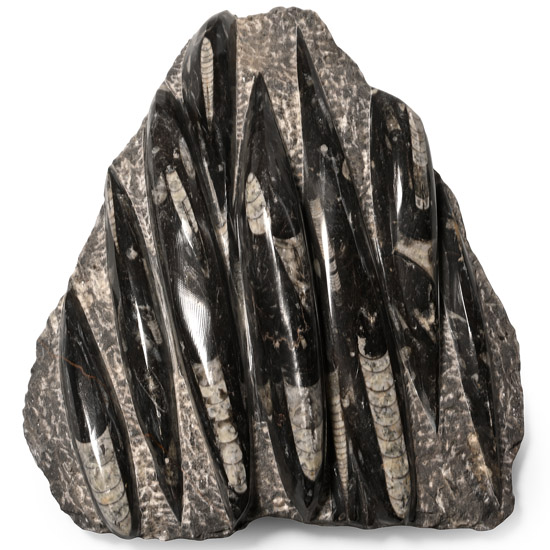
Polished Orthoceras Fossil Display Plaque
Devonian Period, circa 400 million years B.P.Sold for (Inc. bp): £33
An irregular matrix with several polished bullet-shaped Orthoceras specimens. 3.2 kg, 26 cm high
Ex Cambridgeshire, UK, collection. -
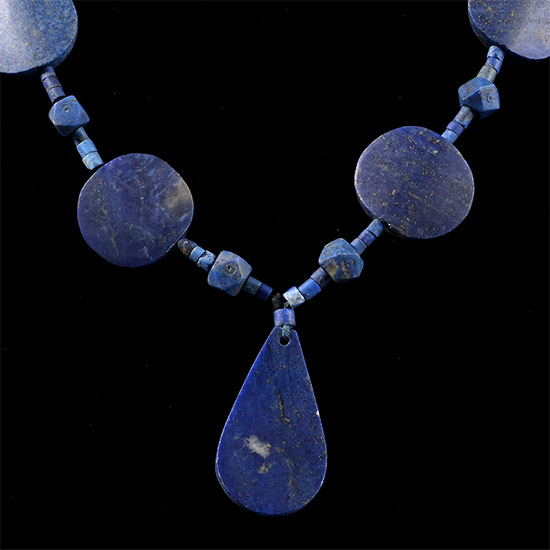
Bactrian Style Lapis Lazuli Bead Necklace String
Sold for (Inc. bp): £39
Composed of tubular, polygonal, and coin-shaped beads with a teardrop-shaped pendant, restrung. 70.9 grams, 40 cm
Acquired in the 1990s-early 2000s. Ex London, UK, collection.
