
Loading, please wait...
LOT 0530
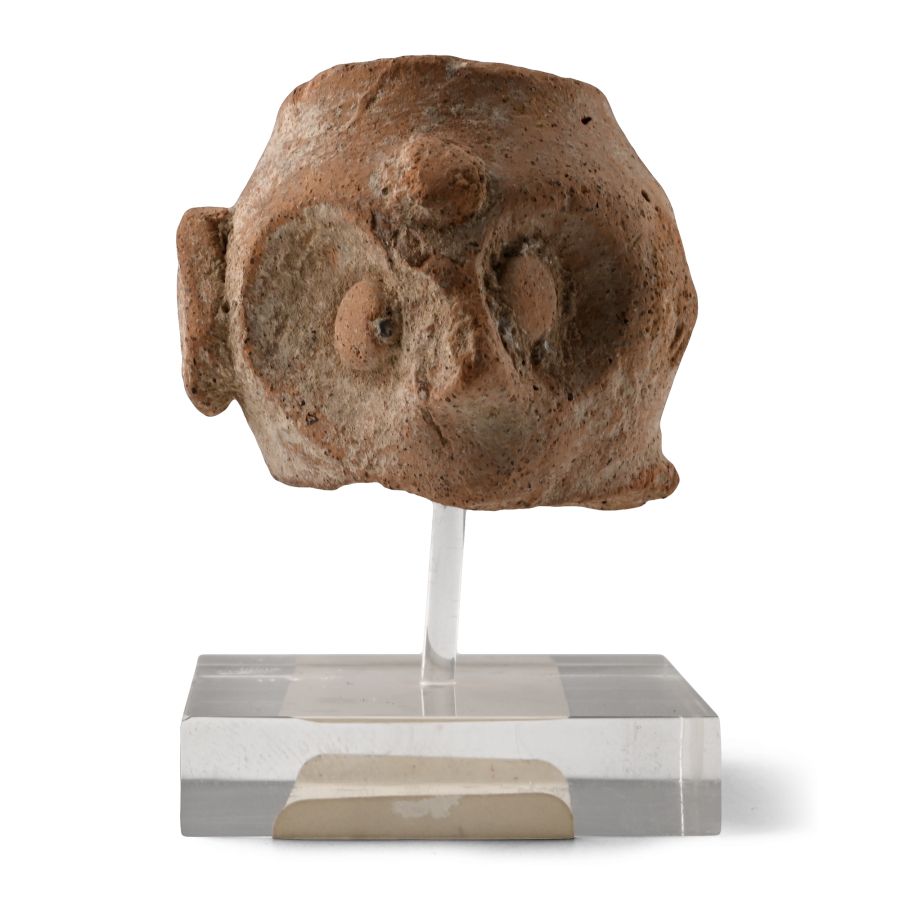
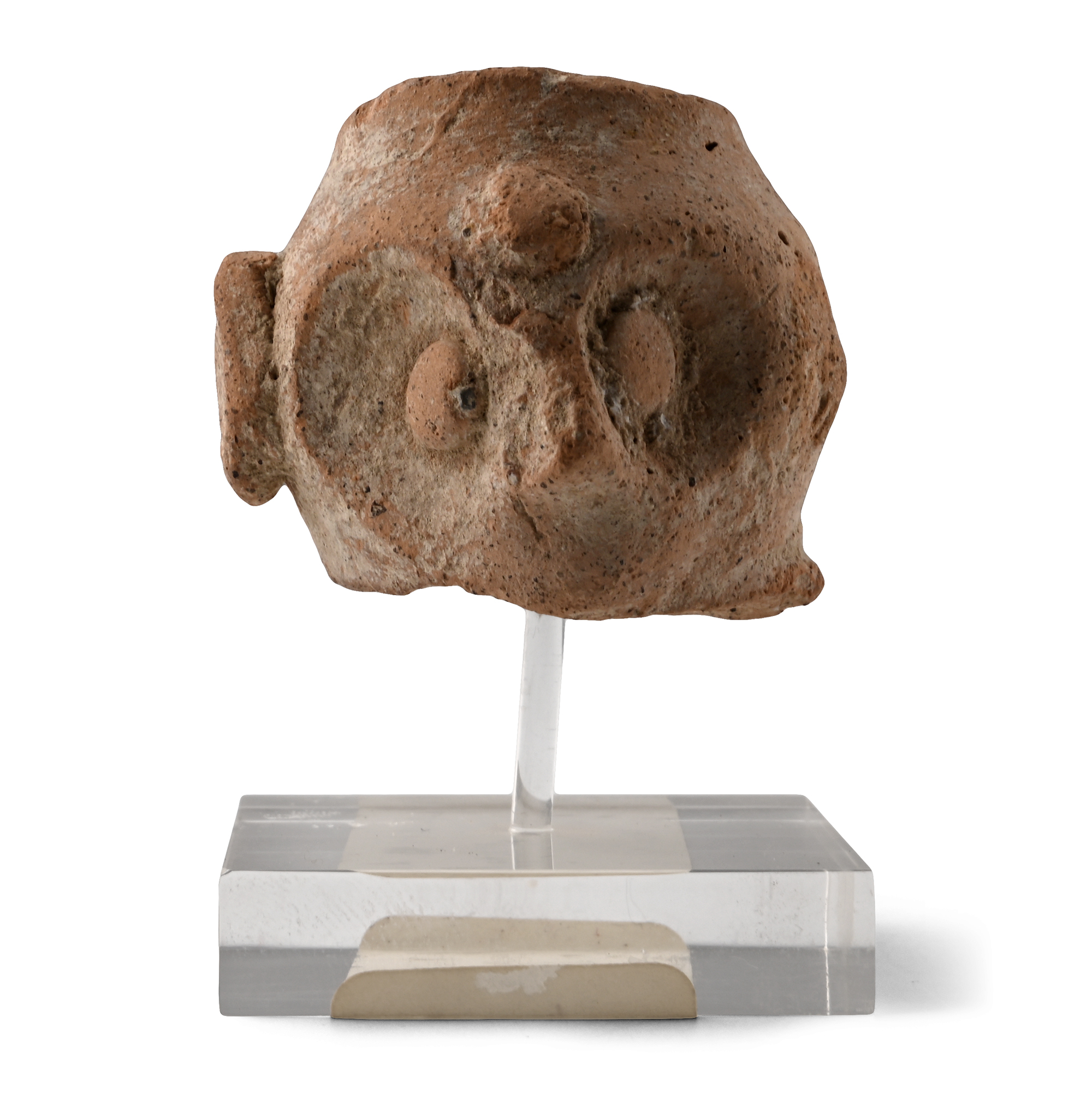
Greek Terracotta Votive Head
MEDITERRANEAN, CIRCA 700 B.C.
1 3/4 in. (2 1/2 in.) (96 grams total, 46 mm (65 mm high including stand)).
Bulbous head with stylised owl-like facial features, large applied pupils and ear; mounted on a custom-made display stand. [No Reserve]
ProvenanceAcquired from Vanessa Purcell & Company, Manchester, UK, in 1993.
From the collection of Mr & Mrs J.G.W. Lee, late Herefordshire collectors, their collection having been established from the 1990s.
Accompanied by an original sales receipt.
TimeLine Auctions follows a vetting process to ensure the authenticity and legality of all items, reinforcing our commitment to integrity and responsible trading. Each antiquity, antique, and coin lot undergoes thorough examination by a vetting committee of at least ten external specialists, professional trade association members, scientists, and archaeologists: Our Vetting Process
AUCTIONS:
TimeLine is a leading auction house specialising in antiquities, ancient art, collectables, natural history, coins, medals, and books. Our auctions offer museums, collectors, historians, and enthusiasts the opportunity to acquire unique and historically significant pieces.
-
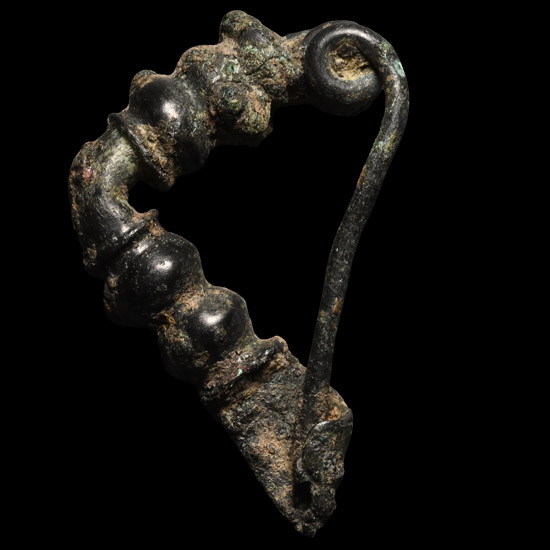
Phrygian Bronze Bow Brooch
Iron Age, circa 8th-7th century B.C.Sold for (Inc. bp): £59
With a right-angled, round-section bow with two pairs of bulbs, a hand-shaped catch. 9.1 grams, 35 mm
From the private collection of a European gentleman (1942-2024), formed since the 1970s. -
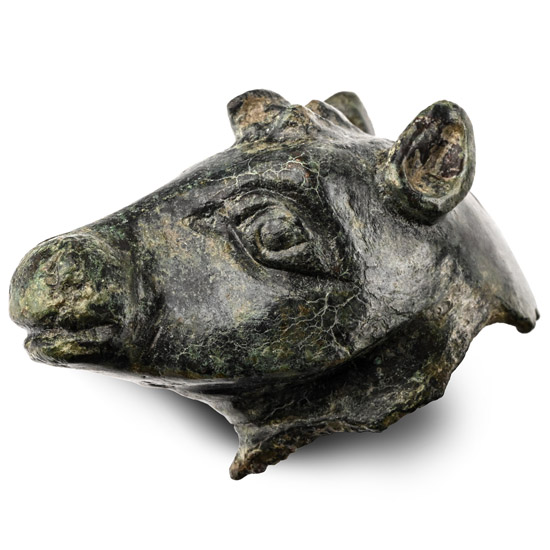
Greek Bronze Horse Head Mount
Circa 4th-3rd century B.C.Estimate: £200 - 300 (+bp*)
Opening Bid: £100
Modelled in the round with large almond-shaped eyes and pricked ears. 34.8 grams, 38 mm
Ex German art market, 2000s. Acquired from an EU collector living in London. From the collection of a Surrey, UK, gentleman. -
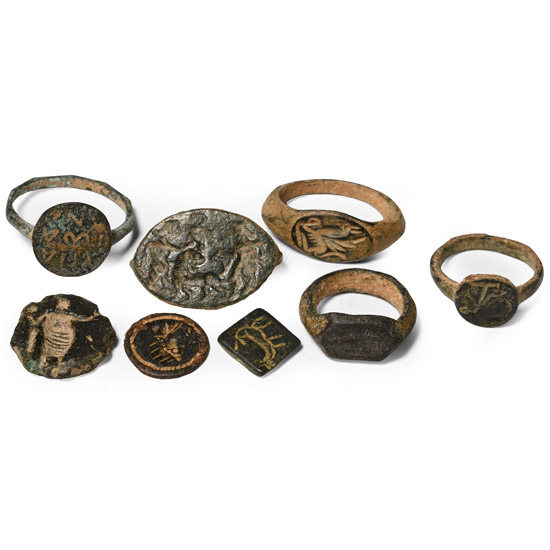
Greek, Roman and Western Asiatic Bronze Ring and Bezel Collection
2nd century B.C.-12th century A.D.Sold for (Inc. bp): £111
Including ellipsoid, discoid and vesica types with various motifs. 24.8 grams total, 10-25 mm
From the collection of a gentleman, acquired on the London art market in the 1990s.
