
Loading, please wait...
LOT 0529
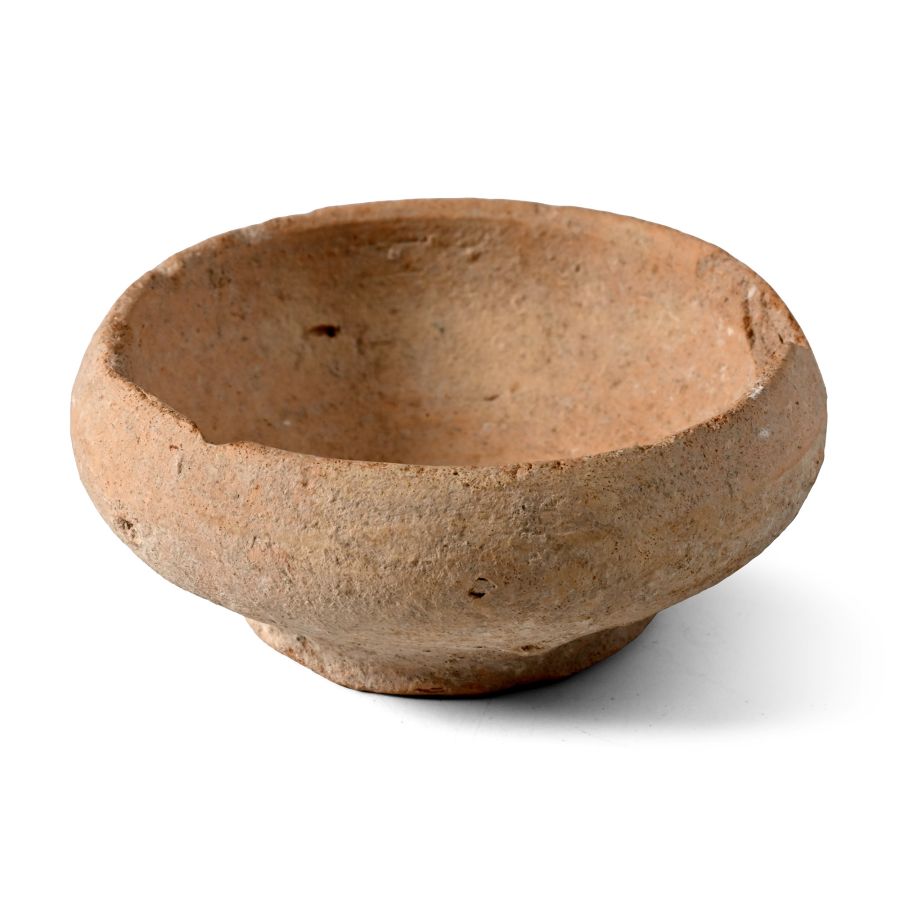
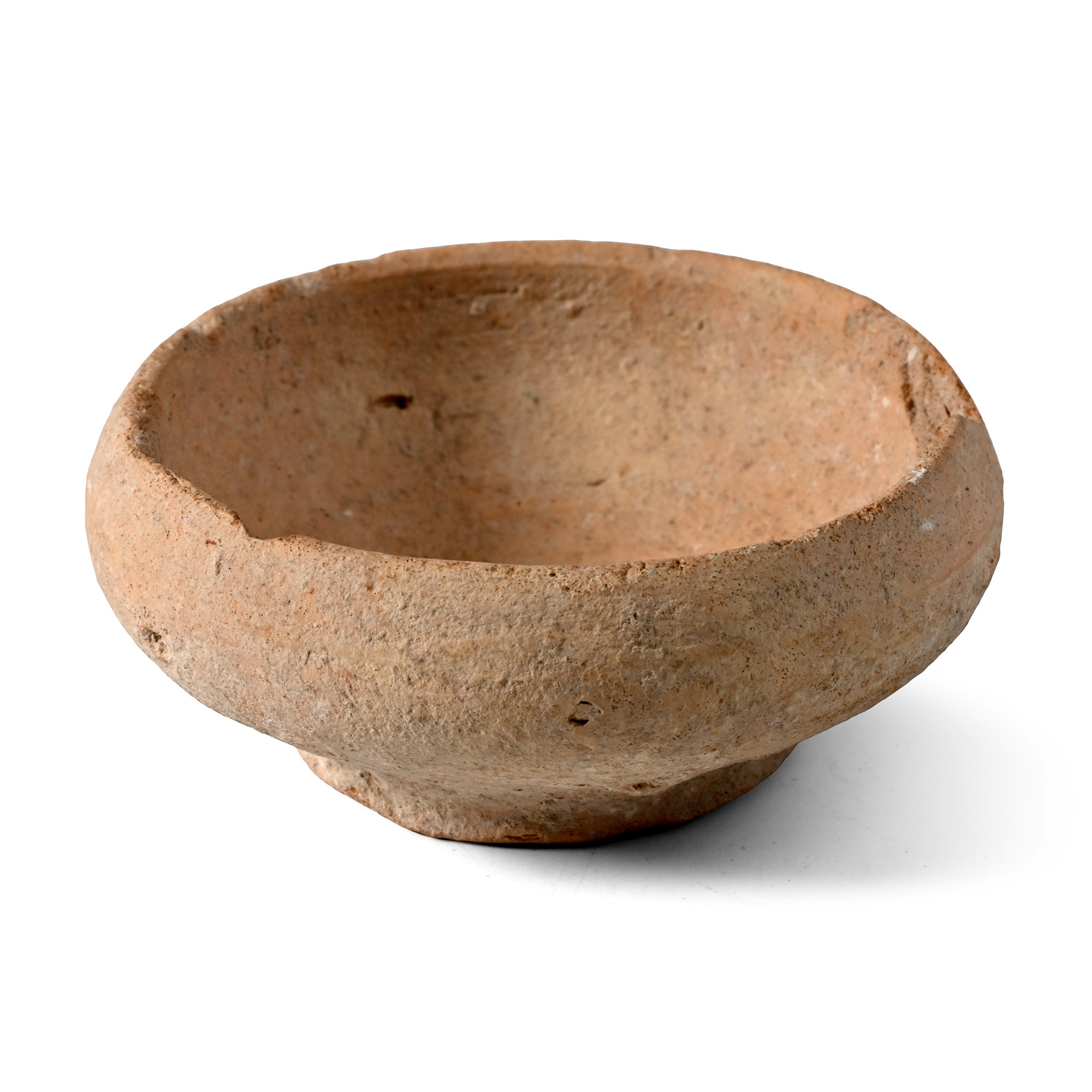
Greek Terracotta Toy Bowl
CIRCA 2ND CENTURY B.C.
2 in. (29.4 grams, 53 mm wide).
Broad and squat with low foot, inturned rim; chipped; old collector's record card with label to reverse '0892'. [No Reserve]
ProvenanceFrom the collection of the late Bernard C. Pickard, Hampshire, UK, the owner of Bernard C. Pickard Antiquities, which closed in 1987, he had been collecting since the mid 1950s.
Accompanied by a typed information display card.
Bernard Pickard was a close friend of Richard Hattatt, the renowned author of several books on ancient brooches. Hattatt acknowledges in his first book, Ancient & Romano-British Brooches, published in 1982, that Mr Pickard first aroused his interest in brooches and inspired him in writing his books during his retirement. Mr Pickard also wrote the foreword to the section on Roman animal brooches, op. cit. p.158-160.
CONDITIONTimeLine Auctions follows a vetting process to ensure the authenticity and legality of all items, reinforcing our commitment to integrity and responsible trading. Each antiquity, antique, and coin lot undergoes thorough examination by a vetting committee of at least ten external specialists, professional trade association members, scientists, and archaeologists: Our Vetting Process
AUCTIONS:
TimeLine is a leading auction house specialising in antiquities, ancient art, collectables, natural history, coins, medals, and books. Our auctions offer museums, collectors, historians, and enthusiasts the opportunity to acquire unique and historically significant pieces.
-
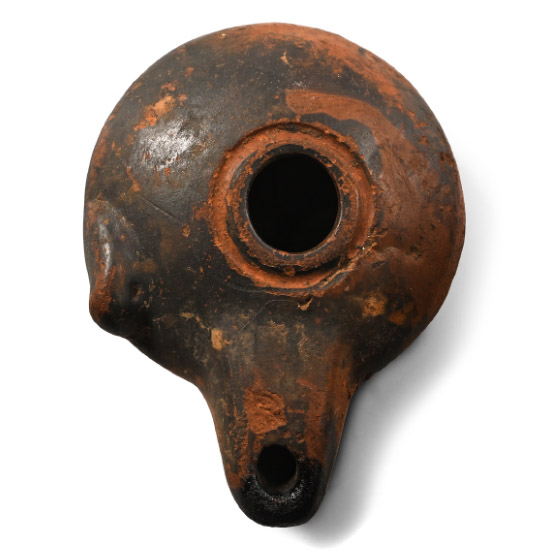
Greek Terracotta Oil Lamp
Hellenistic, circa 3rd-2nd century B.C.Sold for (Inc. bp): £59
Rounded body with large central filler hole and pointed lug on the shoulder, the rim with a low-relief ovolo decoration, elongated nozzle with scooped nozzle; low basal ring. 103 grams, 99 mm
From a UK collection formed in the 1980s. Property of an Essex, UK, gentleman. -
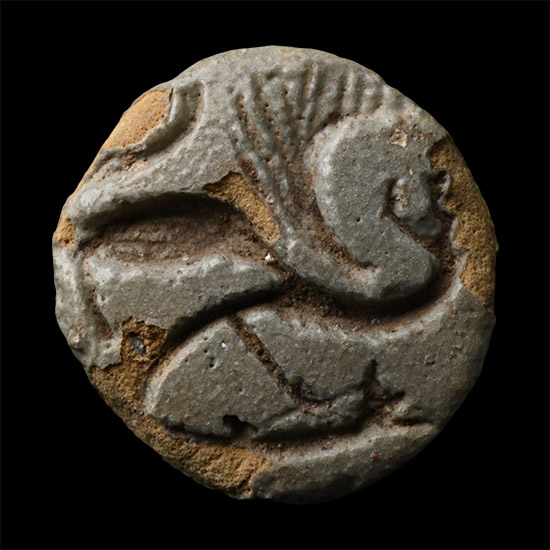
Mycenaean Glazed Terracotta Conical Shaped Stamp Seal with Animal
Circa 1st millennium B.C.Sold for (Inc. bp): £299
Conical body pierced through the top, the underside with an incuse seated beast with open wings facing back; accompanied by a museum-quality impression. 4.55 grams, 20 mm wide
UK private collection before 2000. London collection, acquired on the UK art market. -
.jpg)
Greek Red-Figure Bell Krater with Eros
Apulia, 4th century B.C.Sold for (Inc. bp): £5,460
With flared and carinated foot, broad stem, ovoid body, carinated shoulder, everted rim with lip, D-shaped antefixes and lateral pendant loop handles; band of ivy to the neck and meander to the lower edge, frieze with figural scenes: Side A - seated female with thyrsos pointing towards Eros with head turned regarding her, wings spread; Side B - seated female in tiered robe pointing towards standing Eros with wreath, objects in the field; by the Ascoli Satriano Painter; restored. 1.81 kg, 33.5 cm
Ex private collection, previously with Bonhams, Bond Street, London, UK. This lot has been checked against the Interpol Database of stolen works of art and is accompanied by search certificate number no.13353-259030.
Female heads and Eros figures are common features on the vases attributed to the Ascoli Satriano Painter. His real name is unknown, and he has been named after a northern Apulian town, where many of his vases have been found.
