
Loading, please wait...
LOT 0542
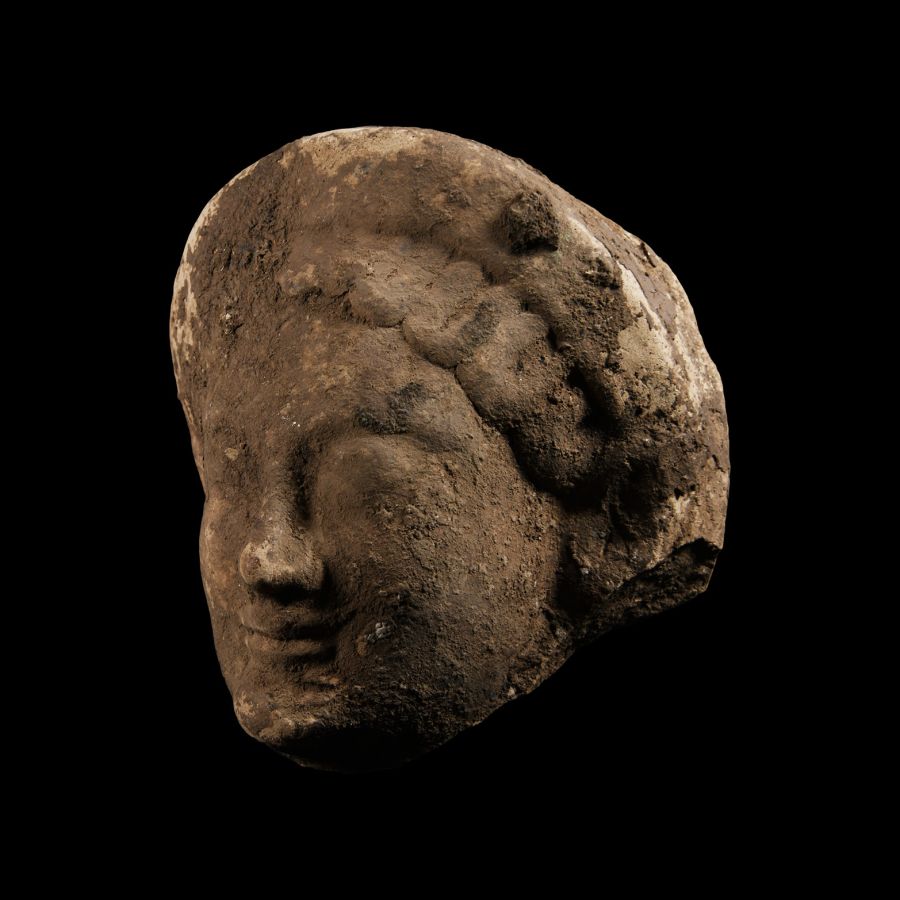
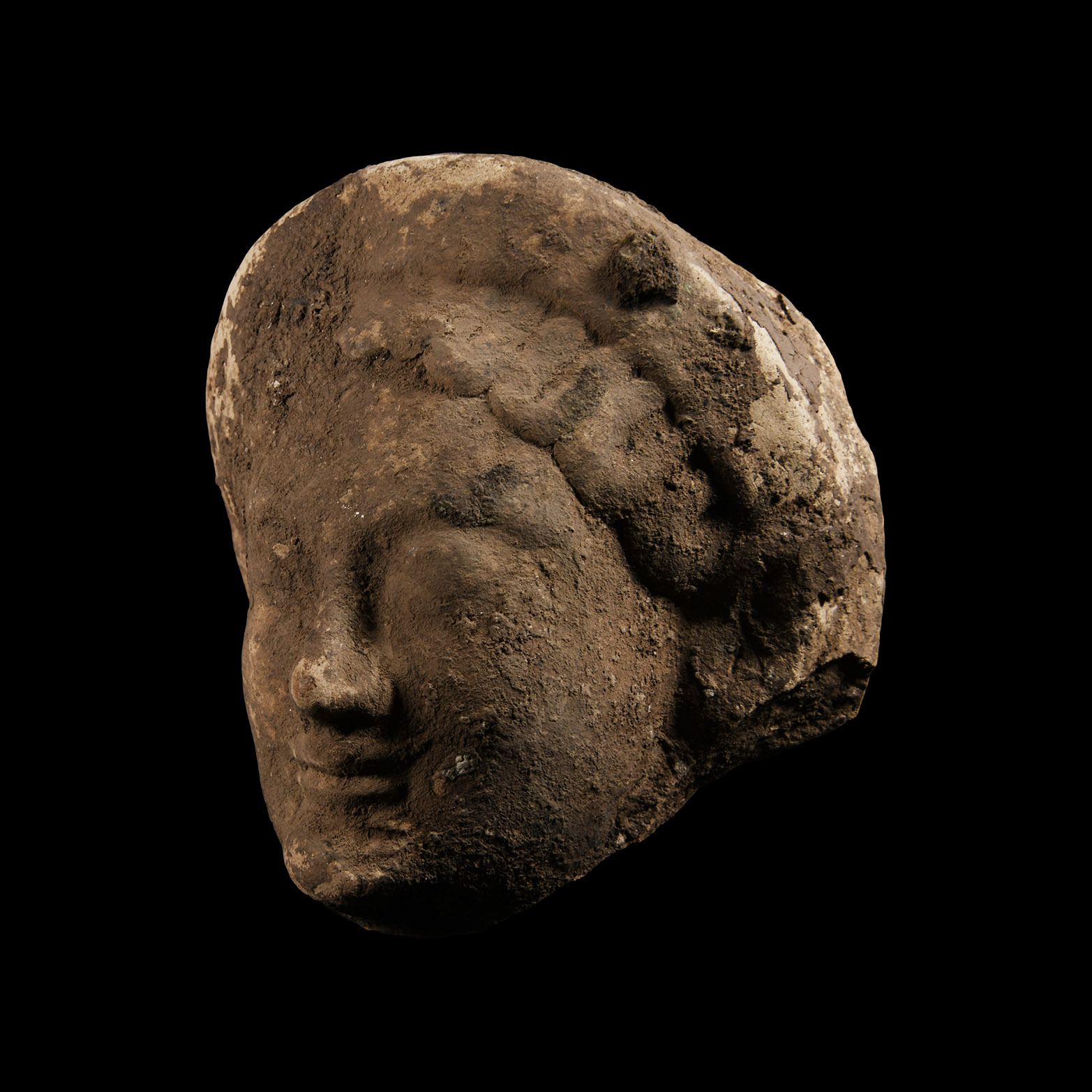
Greek Terracotta Protome
6TH CENTURY B.C.
3 1/2 in. (215 grams, 90 mm high).
A terracotta protome modelled as a female head with semi-naturalistic facial features and dressed hair beneath headwear; concave reverse.
ProvenanceAcquired early 1990s.
Ex private American collection; thence by descent.
Private Swiss collection since 1998.
TimeLine Auctions follows a vetting process to ensure the authenticity and legality of all items, reinforcing our commitment to integrity and responsible trading. Each antiquity, antique, and coin lot undergoes thorough examination by a vetting committee of at least ten external specialists, professional trade association members, scientists, and archaeologists: Our Vetting Process
AUCTIONS:
TimeLine is a leading auction house specialising in antiquities, ancient art, collectables, natural history, coins, medals, and books. Our auctions offer museums, collectors, historians, and enthusiasts the opportunity to acquire unique and historically significant pieces.
-
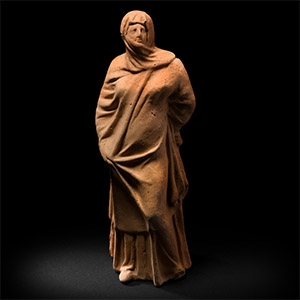
Hellenistic Terracotta Figure of a Veiled Woman
3rd-2nd century B.C.Estimate: £1,500 - 2,000 (‡+bp*)
Opening Bid: £750
A hollow-formed terracotta figure of Tanagra type depicting a standing female wearing a floor-length robe, veil and mantle; the right arm holding the mantle, one foot protruding; a circular opening to the reverse. 384 grams, 22 cm high
Acquired early 1990s. Ex private American collection; thence by descent. Private Swiss collection since 1998. -
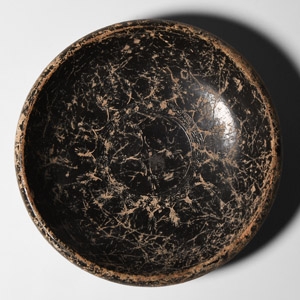
Greek Campanian Black Terracotta Bowl
4th century B.C.Sold for (Inc. bp): £468
A terracotta bowl or dish with broad inverted rim, squat convex body and carinated foot, covered in a black glaze and displaying a stylised radiating palmette leaf design to the interior base. 223 grams, 14.2 cm
Acquired early 1990s. Ex private American collection; thence by descent. Private Swiss collection since 1998. -
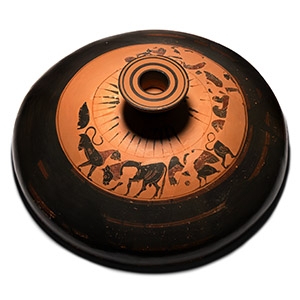
Huge Corinthian Black-Figure Lekanis Lid
6th century B.C.Estimate: £10,000 - 14,000 (‡+bp*)
Opening Bid: £5,000
An extremely large Corinthian or Attic black-figure ceramic lekanis lid with concentric bands to the rim and handle; to the tondo, a frieze of painted figures comprising a swan, a regardant lion, two opposed sphinxes, another regardant lion, another swan, a bull, a lioness and part of another bull(?); restored. 3.7 kg, 49.5 cm wide
Acquired early 1990s. Ex private American collection; thence by descent. Private Swiss collection since 1998. This lot has been checked against the Interpol Database of stolen works of art and is accompanied by search certificate no.11614-199000.
