
Loading, please wait...
LOT 0542
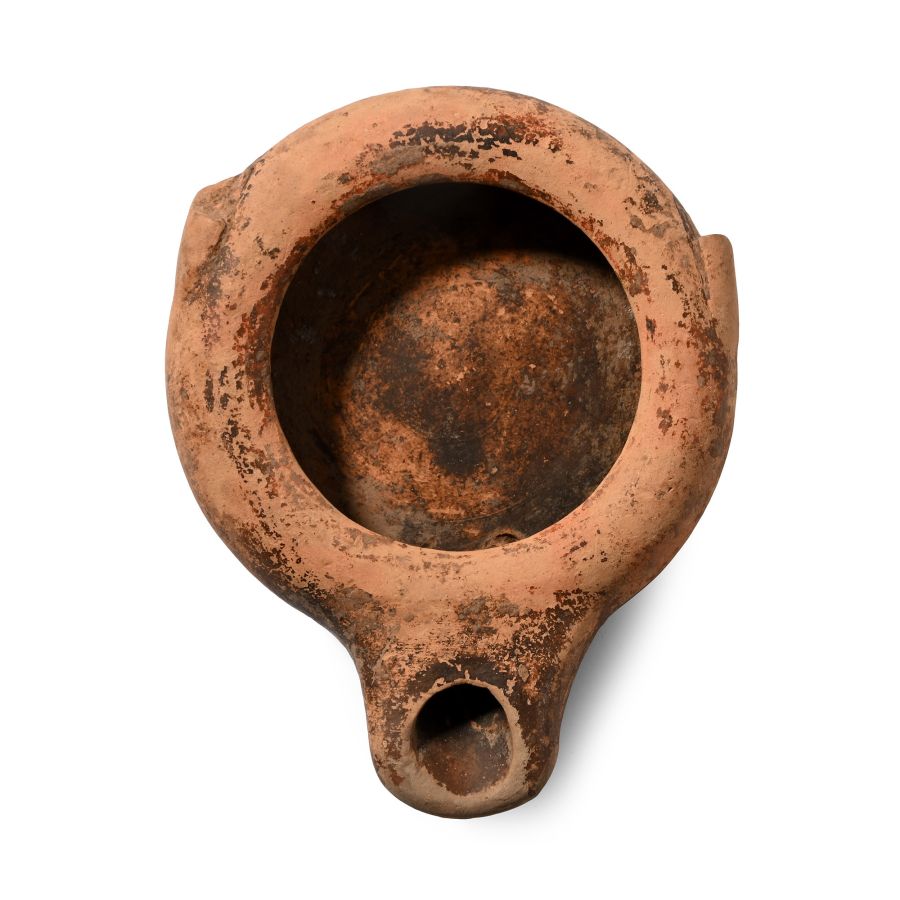
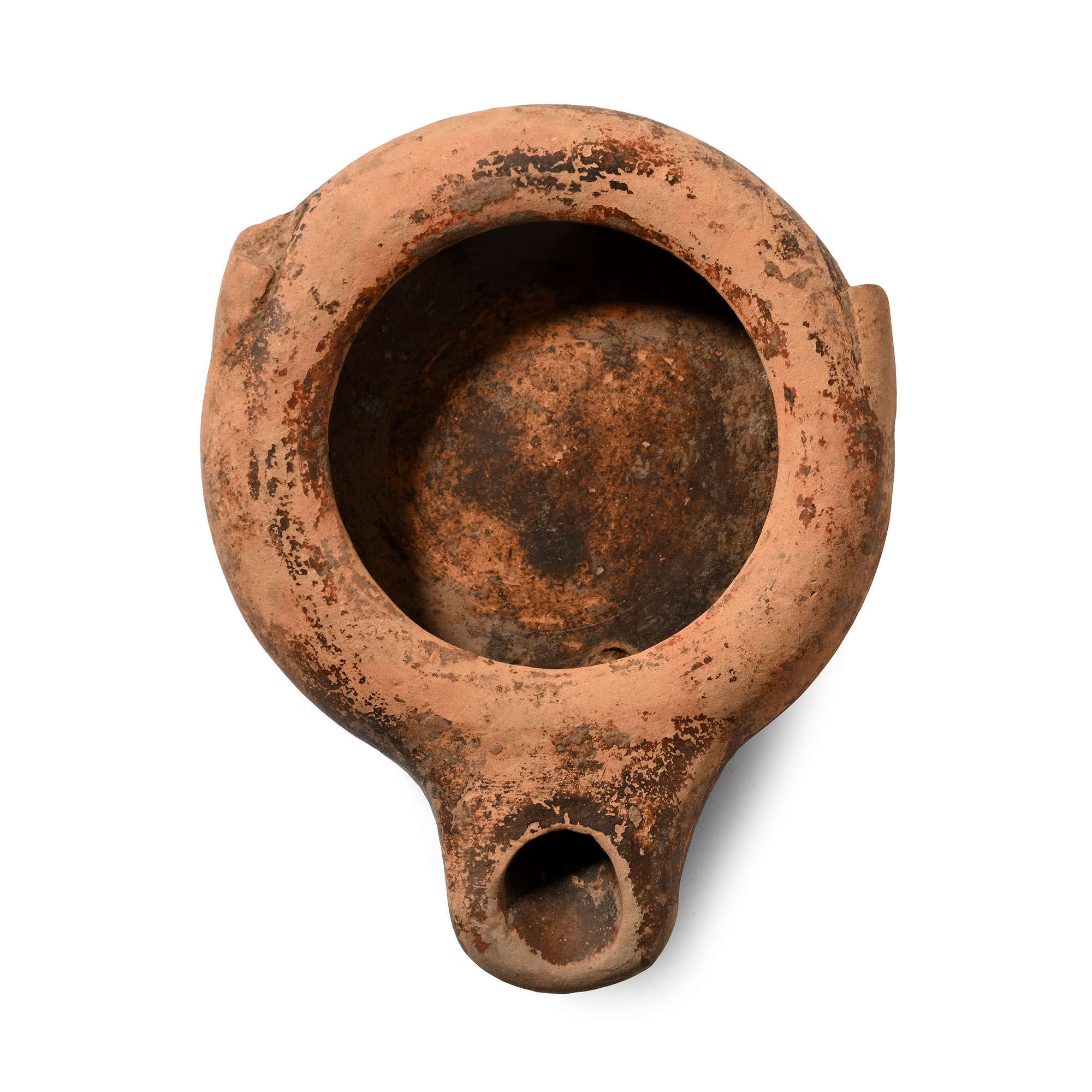
Greek Terracotta Oil Lamp
CIRCA LATE 5TH CENTURY B.C.
3 1/2 in. (56 grams, 90 mm).
Shallow, round body with inturned rim to the central vent, square-ended nozzle and low foot; lateral lugs forming attachment points for a handle (absent); old collector's labels to underside and '1801' to nozzle; typed data panel. [No Reserve]
ProvenanceFrom the collection of the late Bernard C.
Pickard, Hampshire, UK, the owner of Bernard C.
Pickard Antiquities, which closed in 1987, he had been collecting since the mid 1950s.
Accompanied by a typed information display card.
Bernard Pickard was a close friend of Richard Hattatt, the renowned author of several books on ancient brooches. Hattatt acknowledges in his first book, Ancient & Romano-British Brooches, published in 1982, that Mr Pickard first aroused his interest in brooches and inspired him in writing his books during his retirement. Mr Pickard also wrote the foreword to the section on Roman animal brooches, op.cit.
p.158-160.
TimeLine Auctions follows a vetting process to ensure the authenticity and legality of all items, reinforcing our commitment to integrity and responsible trading. Each antiquity, antique, and coin lot undergoes thorough examination by a vetting committee of at least ten external specialists, professional trade association members, scientists, and archaeologists: Our Vetting Process
AUCTIONS:
TimeLine is a leading auction house specialising in antiquities, ancient art, collectables, natural history, coins, medals, and books. Our auctions offer museums, collectors, historians, and enthusiasts the opportunity to acquire unique and historically significant pieces.
-
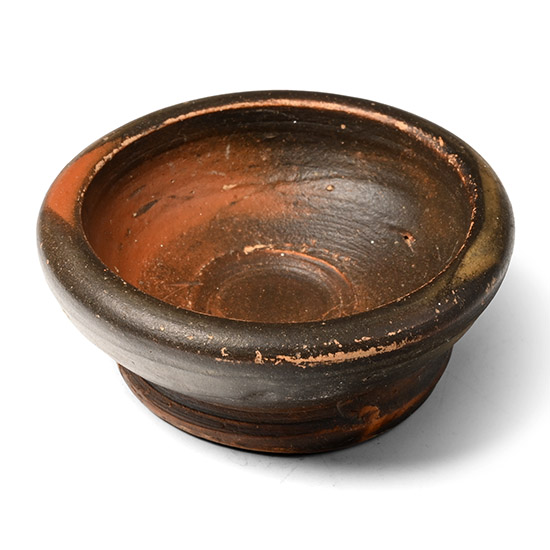
Greek Campanian Bowl
South Italian, circa 4th-3rd century B.C.Sold for (Inc. bp): £104
Broad and squat with thick rim and carinated foot. 17.4 grams, 44 mm
From the collection of David Donlan (1947-2025), a dedicated and lifelong collector with a passion for the ancient world and the natural sciences, forming his collection from 1960s onwards, using many reputable dealers across the United Kingdom, including the well-regarded Coincraft and The Parthenon Gallery. -
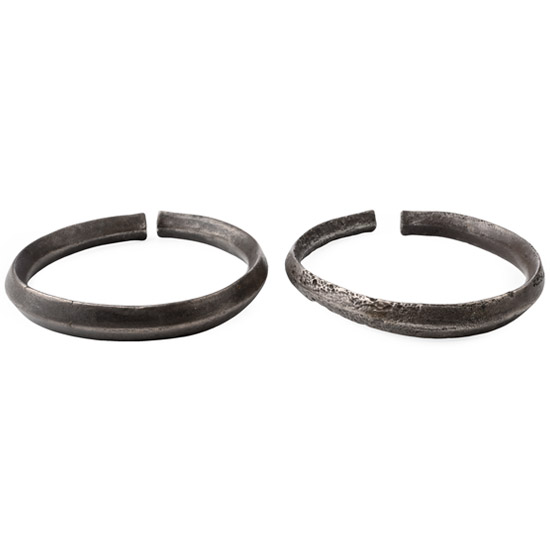
Greek Undecorated Silver Bracelets
Italy, 4th century B.C.Sold for (Inc. bp): £468
Comprising two penannular lozenge-section bracelets. 182 grams total, 84 mm each
Bonhams, Knightsbridge, London, 12 December 1996, no.49. Private collection, Suffolk. -
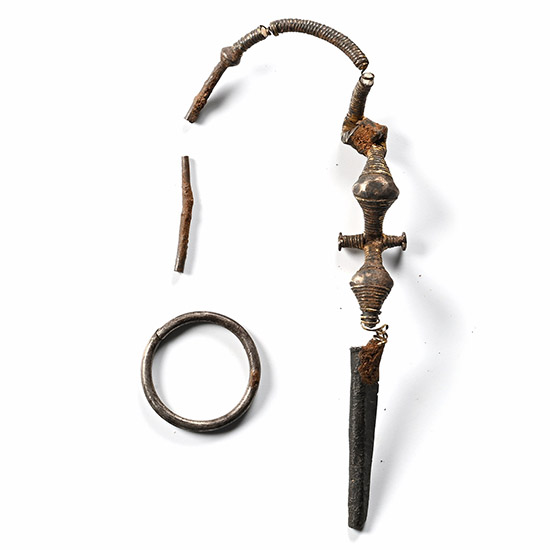
Italic Silver Wire Fibula
Circa 700-600 B.C.Estimate: £200 - 300 (‡+bp*)
Opening Bid: £100
With a coiled spring and lateral lugs; tapering shank, and separate ring. 9.11 grams total, 1.8-12.4 cm
Private collection, Switzerland, 1992. Thence by descent. Private collection, since the late 1990s.
