
Loading, please wait...
LOT 0512
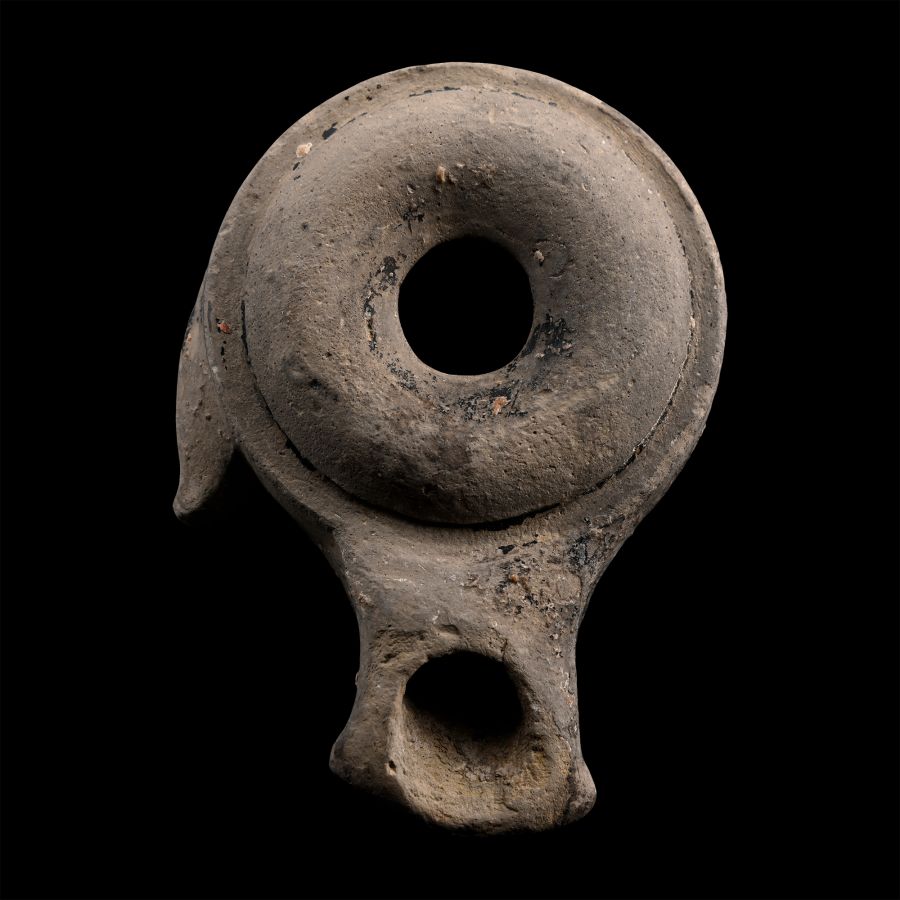
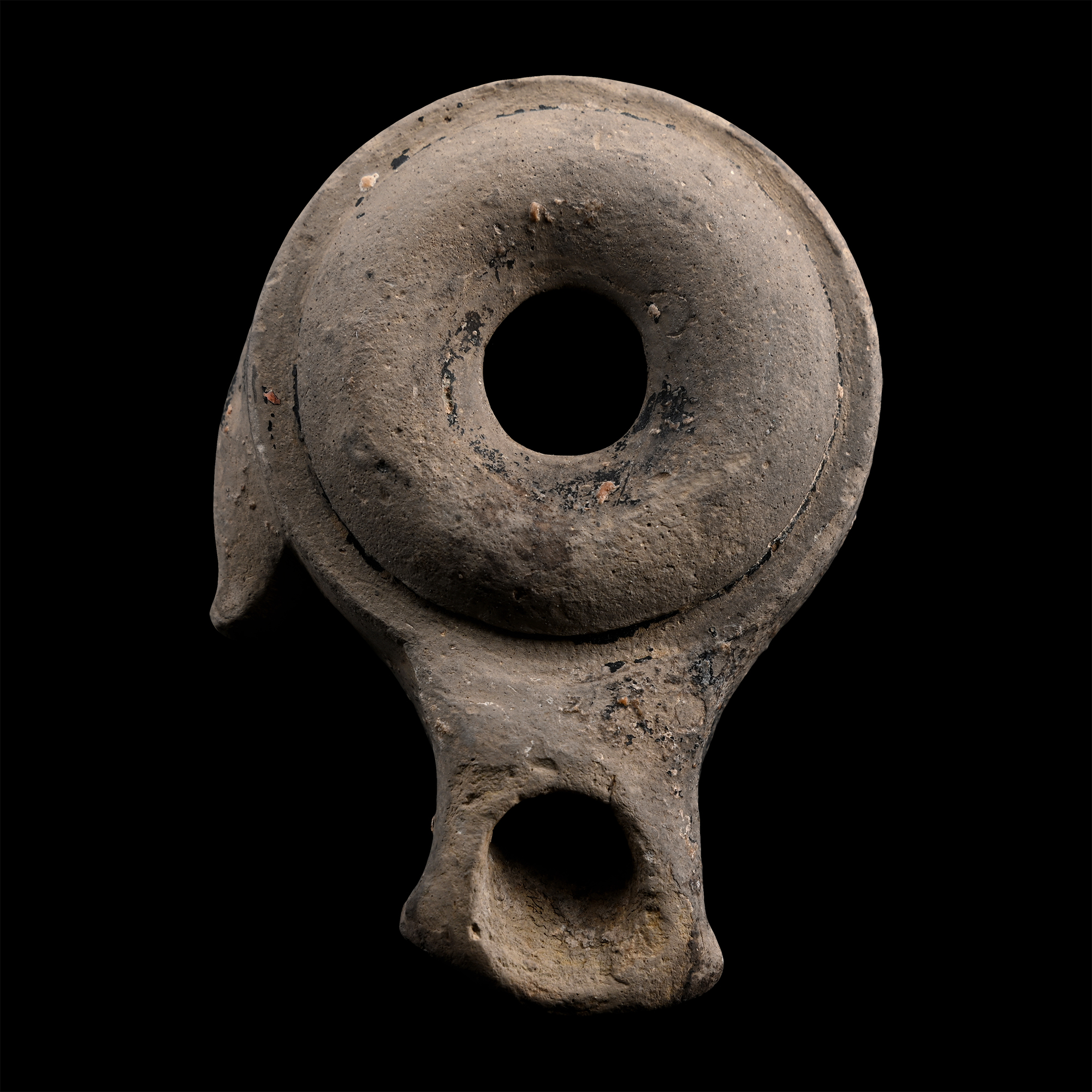
Greek Terracotta Oil Lamp
CIRCA 3RD-2ND CENTURY B.C.
3 1/4 in. (68.5 grams, 84.4 mm).
Drum-shaped body with raised rim on the filler hole, long flared nozzle, lateral spur to sidewall. [No Reserve]
ProvenanceFrom the private collection of Mr Brian Edwards, New Malden, Surrey, UK, formed from the late 1970s-early 1980s; thence by descent.
CONDITIONTimeLine Auctions follows a vetting process to ensure the authenticity and legality of all items, reinforcing our commitment to integrity and responsible trading. Each antiquity, antique, and coin lot undergoes thorough examination by a vetting committee of at least ten external specialists, professional trade association members, scientists, and archaeologists: Our Vetting Process
AUCTIONS:
TimeLine is a leading auction house specialising in antiquities, ancient art, collectables, natural history, coins, medals, and books. Our auctions offer museums, collectors, historians, and enthusiasts the opportunity to acquire unique and historically significant pieces.
-
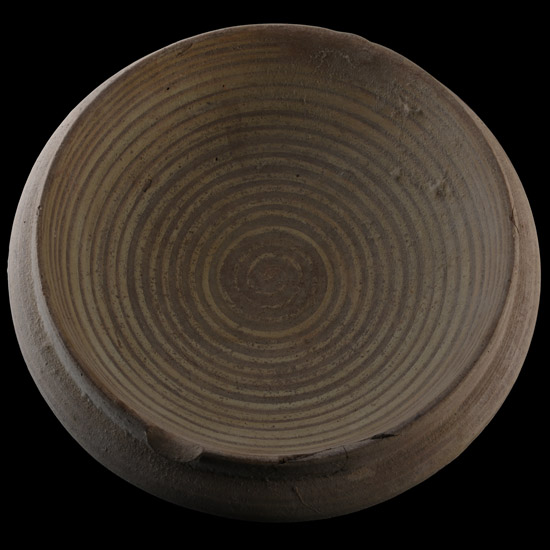
Phoenicio-Punic Terracotta Mortarium
Circa 100 B.C.Sold for (Inc. bp): £130
Comprising a wide, shallow body and a shallow rim, a curved flange below the rim, and spiral decoration on the inside. 620 grams, 21 cm
From the private collection of Mr Brian Edwards, New Malden, Surrey, UK, formed from the late 1970s-early 1980s; thence by descent. Accompanied by the original collector's data sheet with reference no.A84. -
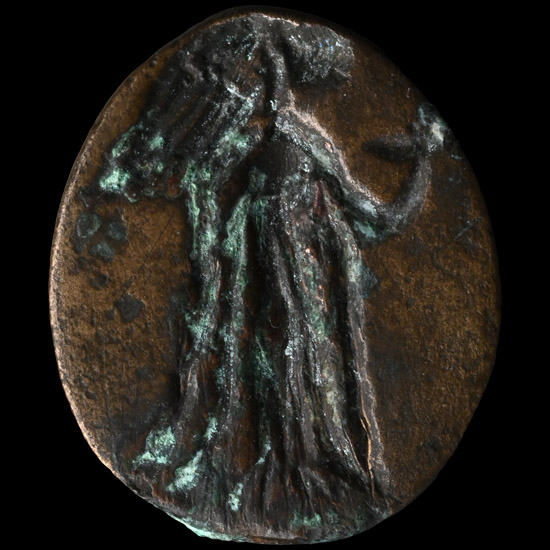
Greek Bronze Signet Ring Bezel with Goddess
Hellenistic, 2nd-1st century B.C.Sold for (Inc. bp): £65
Ellipsoid in plan with remains of the hoop to the underside at each end, intaglio standing winged figure with one arm raised. 3.3 grams, 19 mm
From the collection of a gentleman, acquired on the London art market in the 1990s. -
.jpg)
Eastern Greek Marble Figure of Aphrodite, the Goddess of Love and Beauty
1st century B.C.-1st century A.D.Sold for (Inc. bp): £5,200
Carved in the round figure of the goddess standing nude with one hand raised and the other on her pudendum, her hair gathered into a chignon with lateral bunches on the crown and with voids to allow for the suspension of small gold earrings; putto at her left knee; left hand partly absent; remounted on a socle base. 1.2 kg, 32.7 cm
Acquired in the 1992. Private collection, Switzerland, thence by descent. Private collection, since the late 1990s. This lot has been checked against the Interpol Database of stolen works of art and is accompanied by a search certificate number no.12860-241669.
Aphrodite, the Greek goddess of love and beauty, was one of the most widely worshipped deities in the ancient world, particularly across the eastern Greek regions of Asia Minor. In these areas, her image often blended traditional Greek ideals with local influences, giving rise to distinctive regional styles. Marble figures such as this would have served not only as works of art but also as expressions of devotion, reflecting both personal piety and broader cultural values surrounding beauty, fertility, and desire. The enduring popularity of Aphrodite’s image speaks to her central role in daily life, where she was invoked not just in matters of love, but also in marriage, prosperity, and well-being.
