
Loading, please wait...
LOT 0559
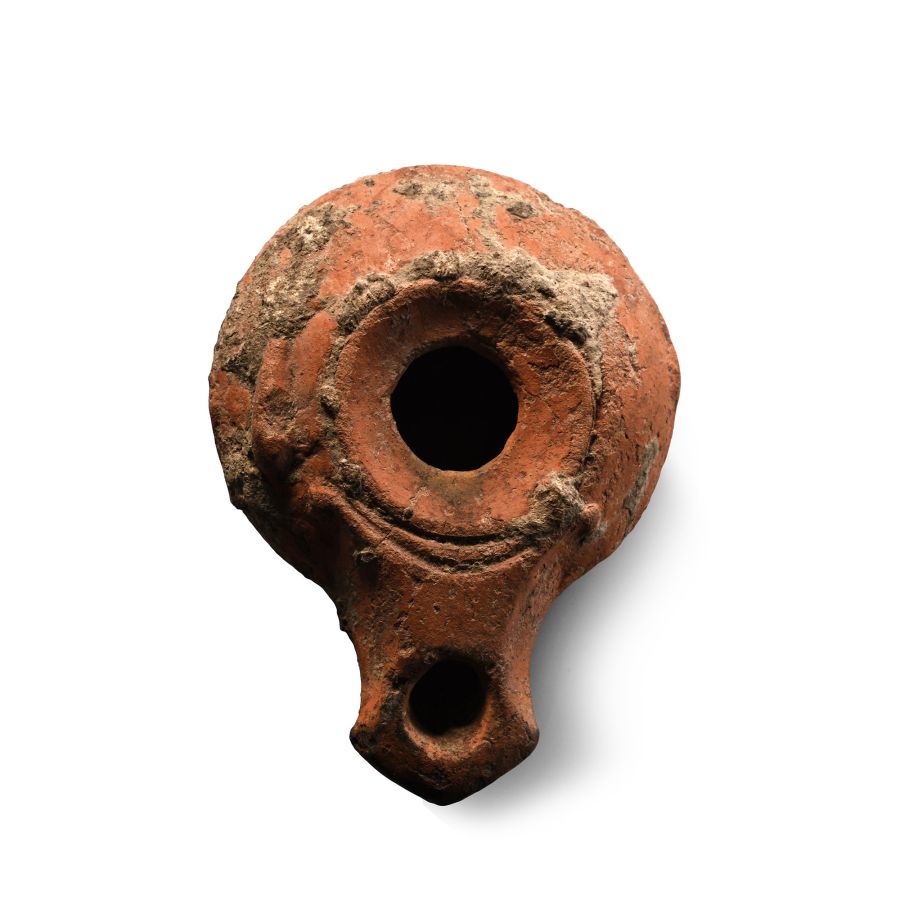
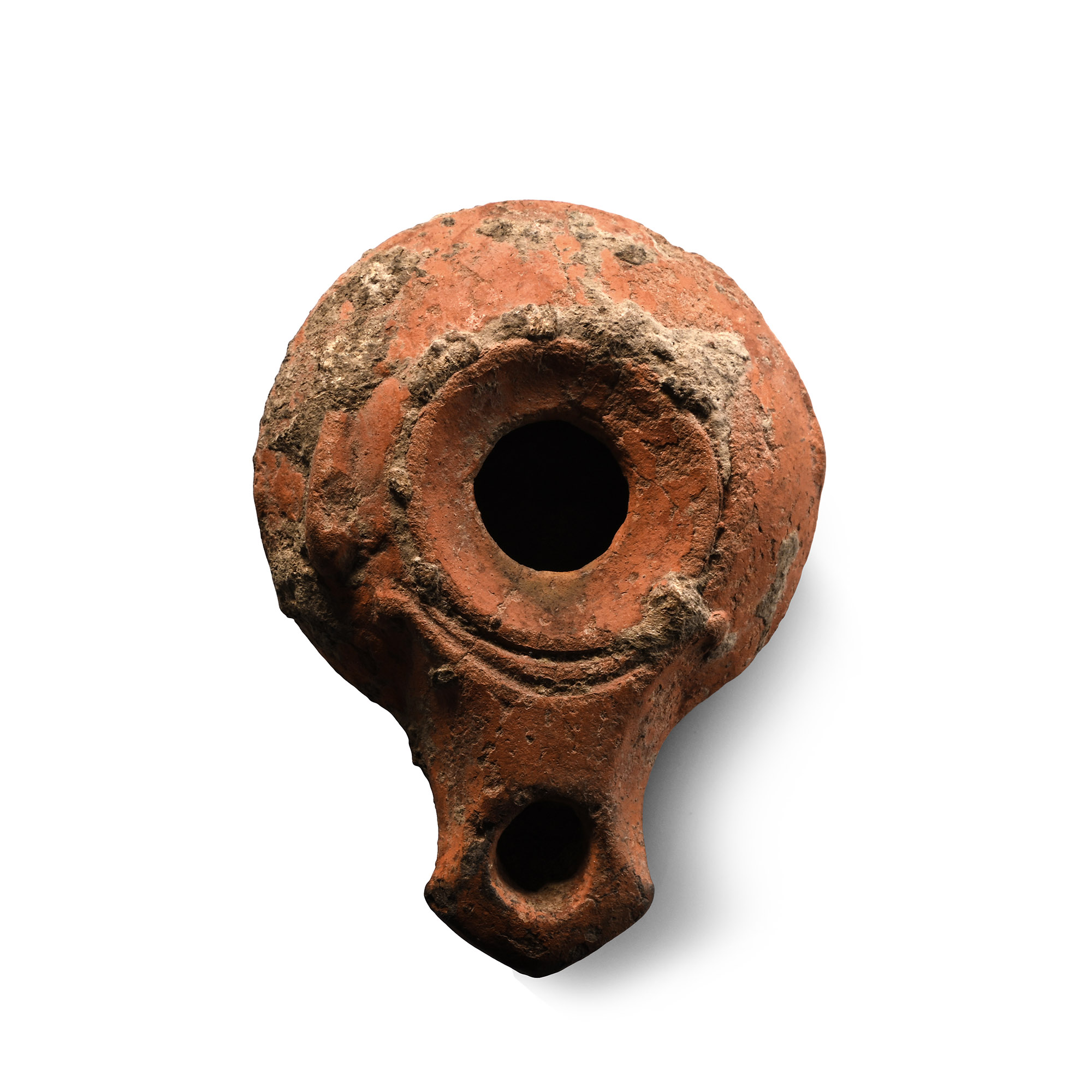
Greek Terracotta Oil Lamp
HELLENISTIC, 1ST CENTURY B.C.
3 1/8 in. (67.9 grams, 81 mm).
Biconvex in section, with a large central filler hole and a flange on the shoulder; elongated volute nozzle; low basal pad; some accretions to the shoulder. [No Reserve]
ProvenanceFrom the Lloyd and Jeanne Raport collection, Washington, D.C.
and Florida, USA, formed between 1972-2000.
Acquired through Bonhams, London, UK.
Cf. Bussière, J., Lindros Wohl, B., Ancient Lamps in the J. Paul Getty Museum, Malibu, 2017, no.327, for type.
CONDITIONTimeLine Auctions follows a vetting process to ensure the authenticity and legality of all items, reinforcing our commitment to integrity and responsible trading. Each antiquity, antique, and coin lot undergoes thorough examination by a vetting committee of at least ten external specialists, professional trade association members, scientists, and archaeologists: Our Vetting Process
AUCTIONS:
TimeLine is a leading auction house specialising in antiquities, ancient art, collectables, natural history, coins, medals, and books. Our auctions offer museums, collectors, historians, and enthusiasts the opportunity to acquire unique and historically significant pieces.
-
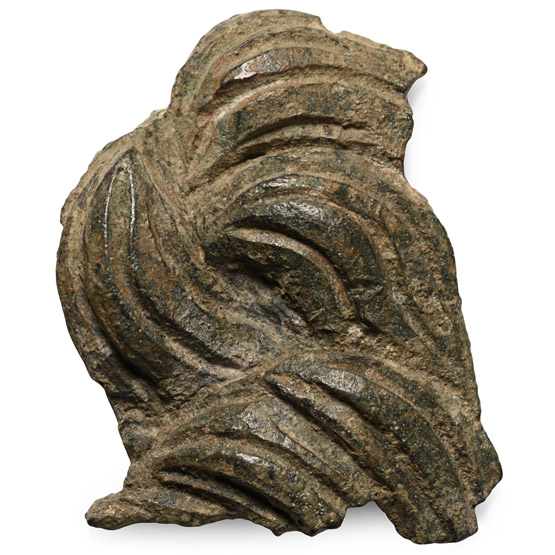
Greek Bronze Beard Fragment from a Life-Size Statue
Hellenistic, 2nd-1st century B.C.Sold for (Inc. bp): £169
Section from a groomed beard showing neatly arranged curls with incised striations. 20.77 grams, 46 mm
London, UK, art market, 1980s. Private collection, London, UK. -
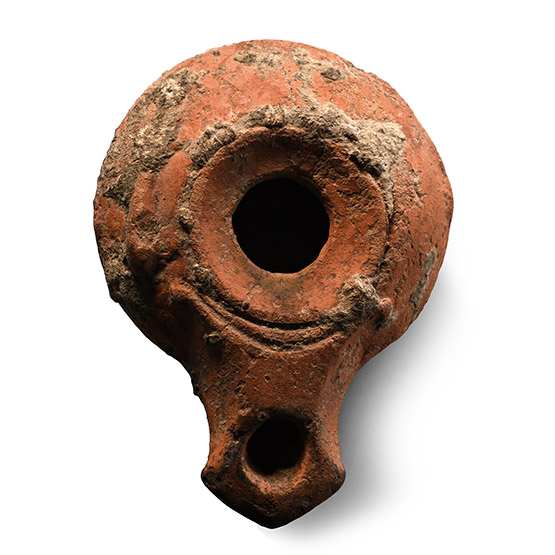
Greek Terracotta Oil Lamp
Hellenistic, 1st century B.C.Sold for (Inc. bp): £85
Biconvex in section, with a large central filler hole and a flange on the shoulder; elongated volute nozzle; low basal pad; some accretions to the shoulder. 67.9 grams, 81 mm
From the Lloyd and Jeanne Raport collection, Washington, D.C. and Florida, USA, formed between 1972-2000. Acquired through Bonhams, London, UK. -
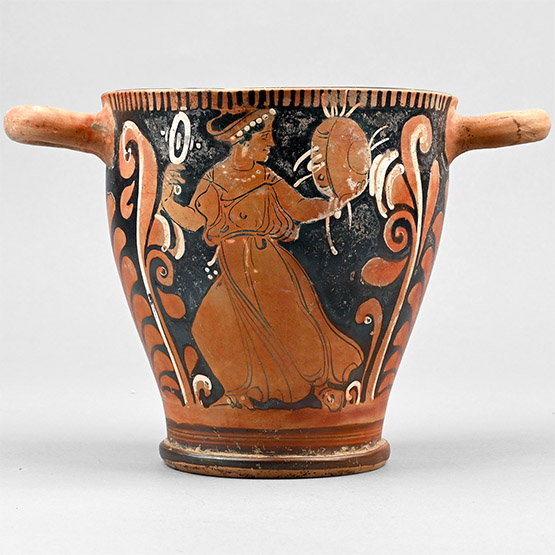
Large Greek Red-Figure Skyphos with Lady of Fashion
Campanian, 3rd-2nd century B.C.Sold for (Inc. bp): £1,235
With mammiform body, pedestal base and two loop handles; ovolo patterns in ochre beneath the rim and palmette beneath each handle; Side A: lady of fashion in advancing pose holding up a dish and a mirror, white detailing to the stephane and necklace; Side B: standing figure in a himation with a stephane. 640 grams, 23 cm wide
Acquired on the art market between the late 1990s and mid-2000s. Estate of the late Barry Paul Buxton (1944-2024), Oakham, Rutland. Acquired on the UK art market, 2025.
