
Loading, please wait...
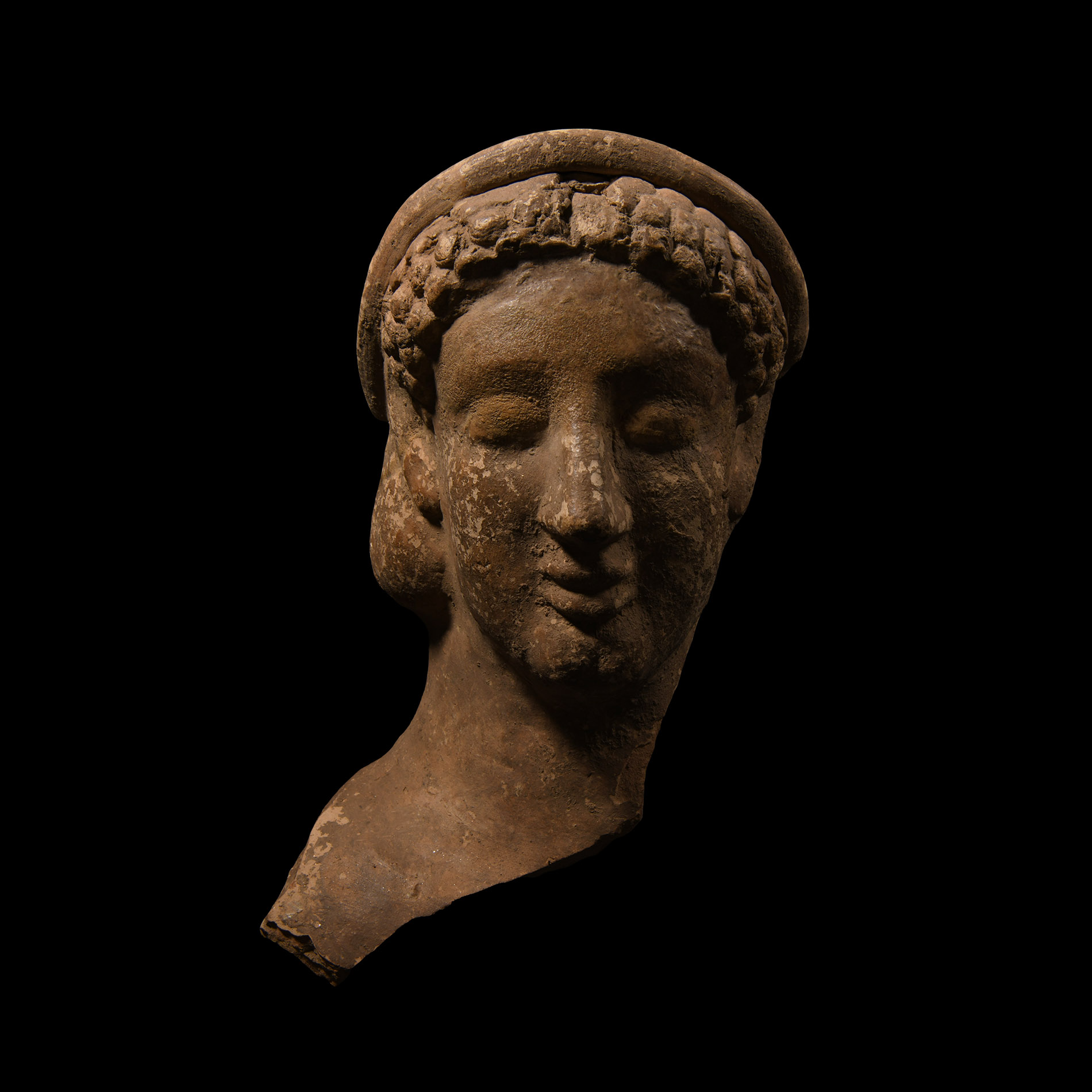
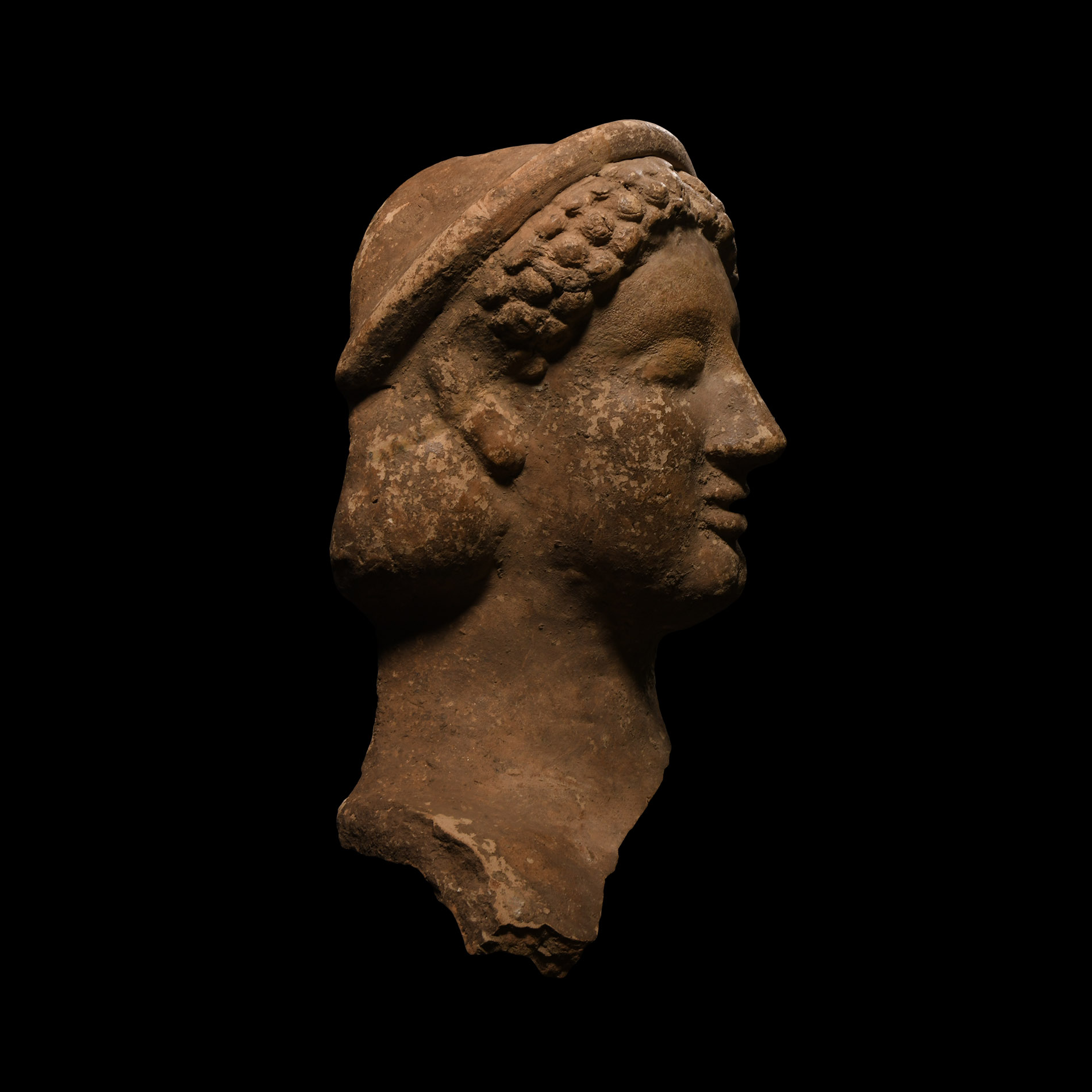
LOT 0092
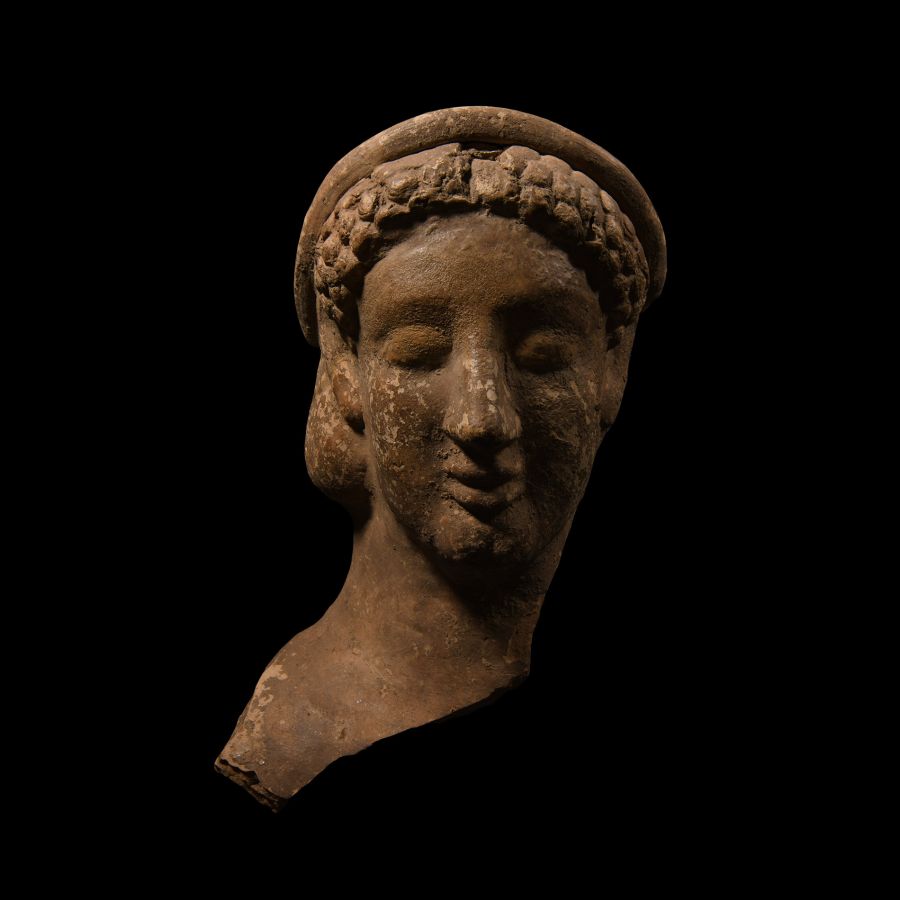
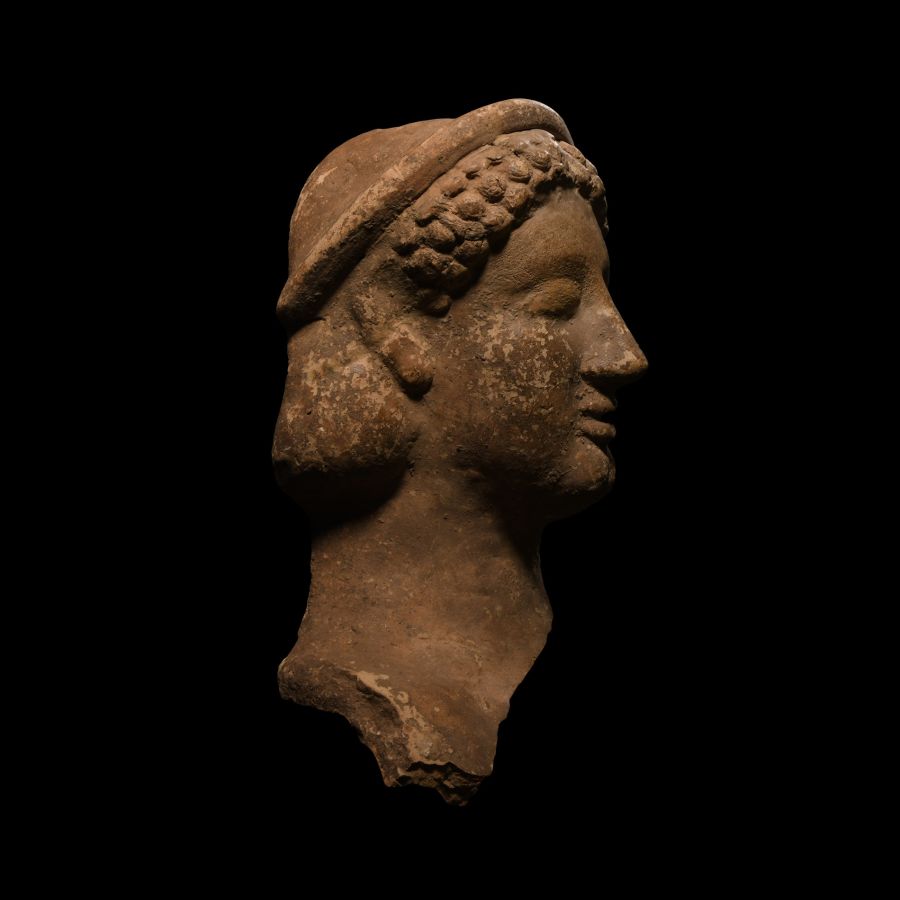
Greek Terracotta Head Fragment
6TH-5TH CENTURY B.C.
10 5/8 in. (1.1 kg, 27 cm high).
Hollow-formed with neatly dressed hair confined by a cap or fillet; traces of pigment to the eyes.
ProvenanceAcquired early 1990s.
Ex private American collection; thence by descent.
Private Swiss collection since 1998.
This lot has been checked against the Interpol Database of stolen works of art and is accompanied by search certificate no.11607-198986.
Cf. The Metropolitan Museum, New York, accession number 74.51.1473, for a comparable face identified as Cypriot.
CONDITIONTimeLine Auctions follows a vetting process to ensure the authenticity and legality of all items, reinforcing our commitment to integrity and responsible trading. Each antiquity, antique, and coin lot undergoes thorough examination by a vetting committee of at least ten external specialists, professional trade association members, scientists, and archaeologists: Our Vetting Process
AUCTIONS:
TimeLine is a leading auction house specialising in antiquities, ancient art, collectables, natural history, coins, medals, and books. Our auctions offer museums, collectors, historians, and enthusiasts the opportunity to acquire unique and historically significant pieces.
LOT 0092
Greek Terracotta Head Fragment
Estimate £2,000 - 3,000€2,320 - 3,480 (for guidance only)$2,700 - 4,050 (for guidance only)
-
Etruscan Terracotta Bucchero Oinochoe with Incised Animals
Circa 6th century B.C.Sold for (Inc. bp): £1,755
With shoulder and belly encircled by two notched ribs, by two friezes with later carefully-incised, elongated animals (stag, snake, winged panther, horse, lion), restored. 740 grams, 25.5 cm
Late W.H. collection. With Kunst der Antike, Munich, Germany, 1977. Ex Gorny & Mosch, 16 December 2008, lot 261. with Artemission, London, UK. Property of a South Australian private collector, with collection reference 21.09. Accompanied by detailed collector's catalogue pages including description and photograph. -
Greek Corinthian Decorated Pyxis
5th century B.C.Sold for (Inc. bp): £1,170
Squat profile, broad body with low sidewall, black and red coloured bands and teardrops; applied strap handles to shoulder amid painted palmettes and scrolls; raised rim. 514 grams, 19 cm wide
Acquired from Charles Ede, London, 1986. with Christie's London, 27 October 2004, lot 451. with Christie ́s London, 20 April 2005, lot 314. Accompanied by a copy of an Art Loss Register certificate number S00085809, dated 27 March 2014. Accompanied by copies of the relevant Christie's catalogue pages. -
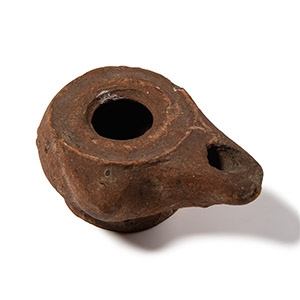
Greek Attic Terracotta Lamp
Circa 6th-5th century B.C.Sold for (Inc. bp): £111
Squat terracotta bowl with large discus and broad nozzle, lateral lug handle. 55 grams, 69 mm
Ex P. A., Hertfordshire, UK, specialist collection of Greek art, 1980-1990s. c
